
სიახლეები

-
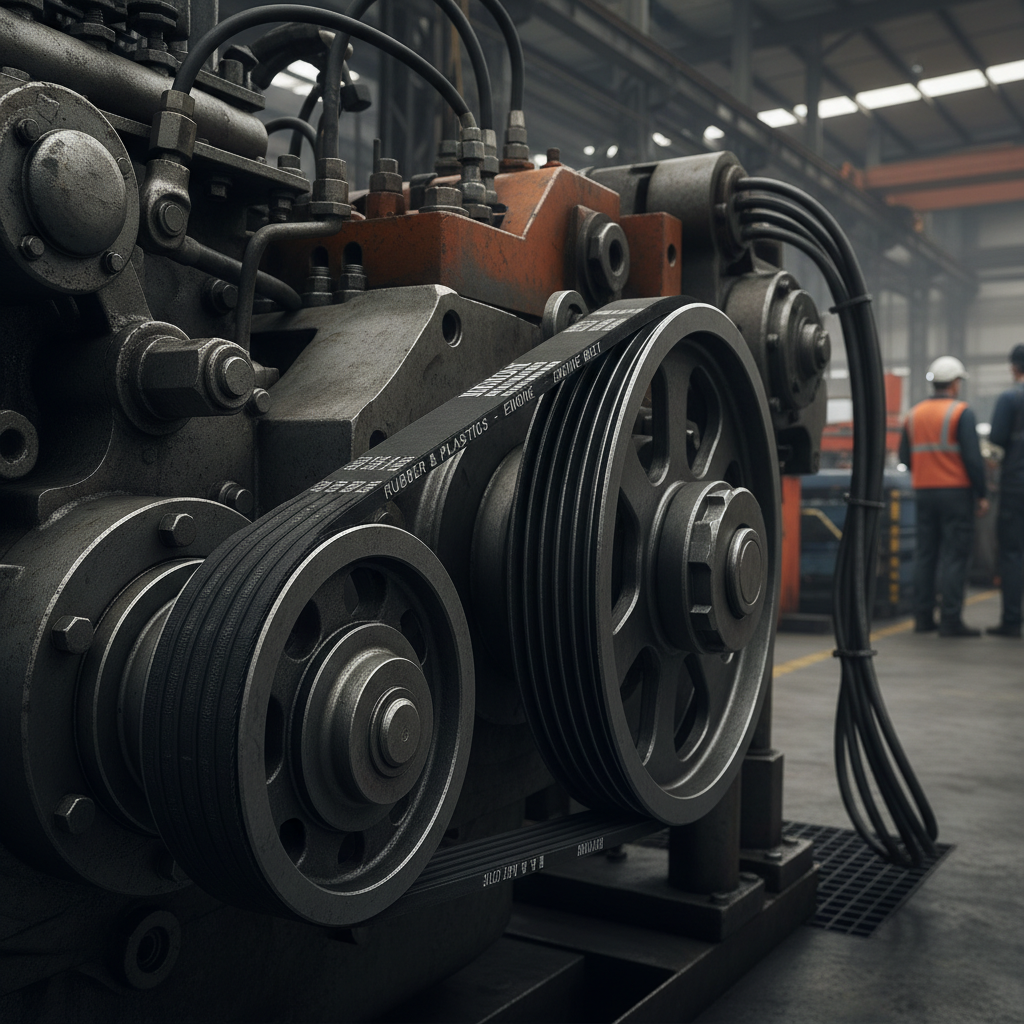
Comprehensive Guide to Understanding and Maintaining Your Engine Belt System
Your engine belt is a critical component of your vehicle’s operation, responsible for transferring power from the engine to various accessories. A failing engine belt can lead to serious mechanical issues and costly repairs. This article will cover everything you need to know about engine belts, including types, signs of wear, replacement, and how to choose the right belt for your needs. Maintaining a healthy engine belt is crucial for ensuring the longevity and performance of your vehicle. Engine belts have evolved over time, with several different types available today. The most common are V-belts, serpentine belts, and timing belts (though timing belts are a separate system). V-belts were traditionally used in older vehicles, featuring a V-shaped cross-section. Serpentine belts are now the standard, combining multiple functions into a single, winding belt. These belts are more efficient and require less maintenance than older V-belt systems. Understanding the type of belt your vehicle uses is vital for proper maintenance and replacement.Წაიკითხე მეტი -
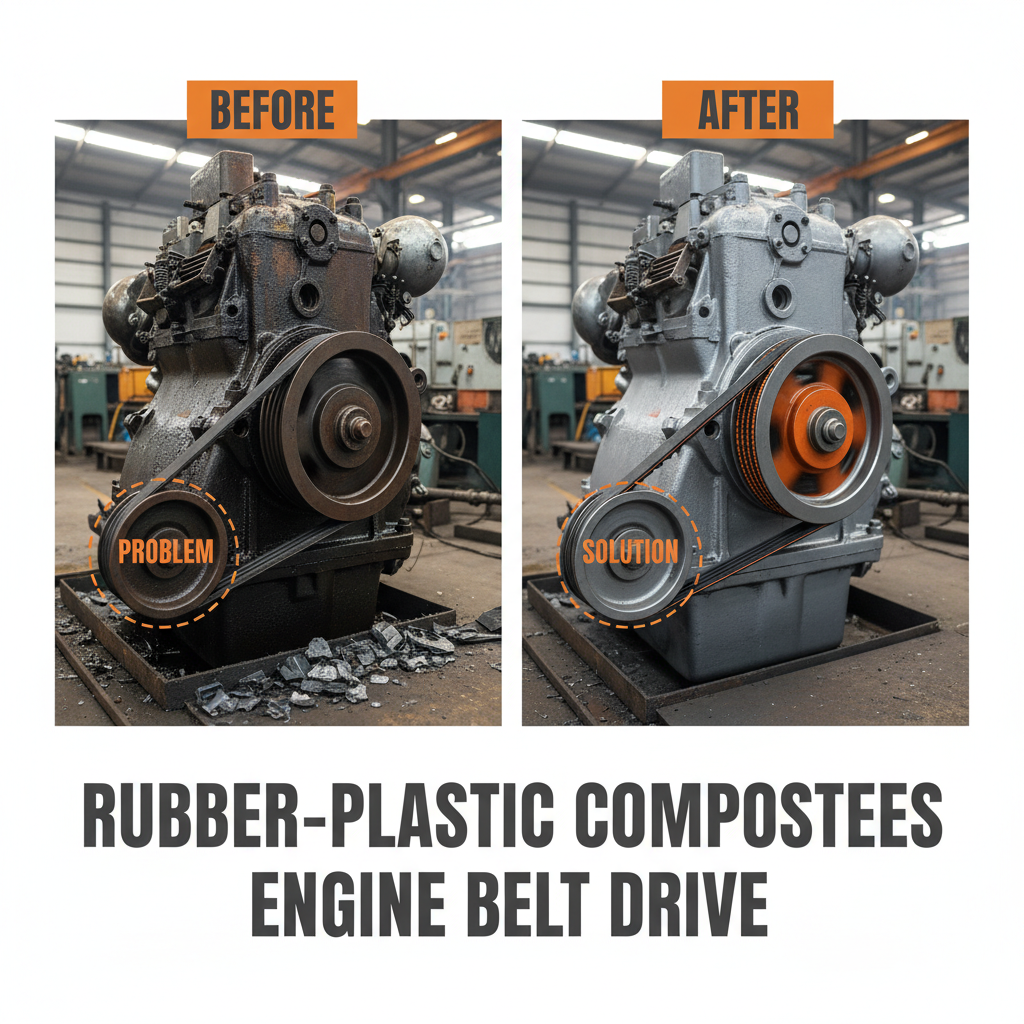
Understanding and Choosing the Right Engine Belt Drive for Optimal Performance
An engine belt drive is a crucial component in many mechanical systems, transferring power from the engine to various parts. Selecting the right belt drive is vital for efficiency, longevity, and overall system performance. This article provides a comprehensive guide to engine belt drives, covering types, applications, maintenance, and how to choose the best option for your needs. We'll explore the key considerations to ensure optimal operation and prevent costly downtime. There are several types of engine belt drives, each with unique characteristics. V-belts are the most common, known for their versatility and ability to handle high loads. Flat belts offer smooth operation and are often used in lighter-duty applications. Timing belts, crucial for precise engine timing, prevent slippage and ensure synchronized movement of components. Serpentine belts combine multiple drive functions into a single belt, reducing complexity and maintenance. Understanding these distinctions is essential for selecting the appropriate belt for a specific application. Engine belt drives are found in a vast array of applications. Automotive engines rely on them for powering accessories like alternators, power steering pumps, and air conditioning compressors. Industrial machinery utilizes belt drives for conveying power to pumps, fans, and compressors.Წაიკითხე მეტი -
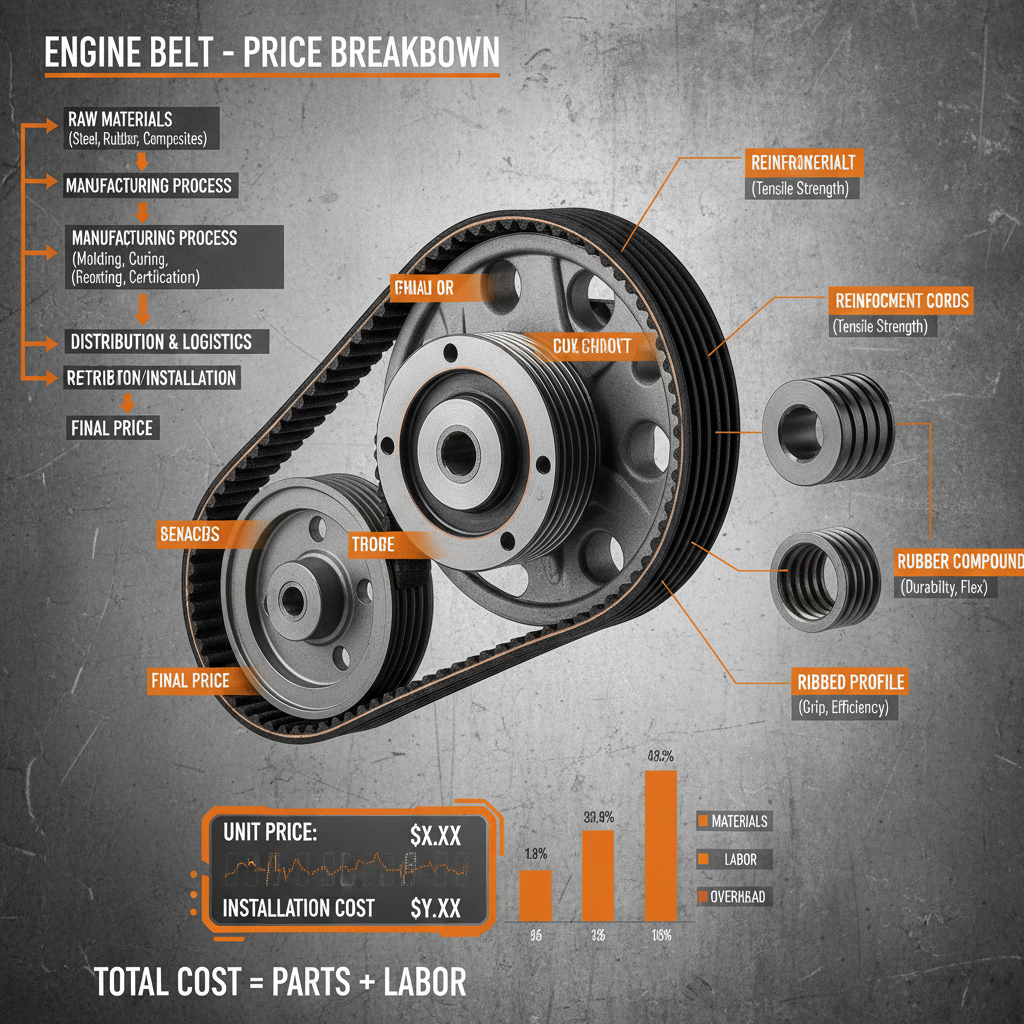
Understanding Engine Belt Price Factors and Finding the Right Fit
Choosing the right engine belt is crucial for the optimal performance and longevity of your machinery. Understanding the factors that influence engine belt price can help you make an informed decision and avoid costly downtime. This article will delve into the key considerations when purchasing engine belts, including types, materials, sizing, and how to find the best value. We’ll explore the various price points and what you get for your investment. Engine belts come in several types, each suited for specific applications and offering different price points. V-belts are the most common and generally the most affordable. Poly-V or multi-rib belts offer improved efficiency and can handle higher loads but typically come at a higher cost. Timing belts are critical for engine synchronization and are often more expensive due to their precision engineering. The price of an engine belt is directly linked to its complexity, materials, and performance capabilities.Წაიკითხე მეტი -
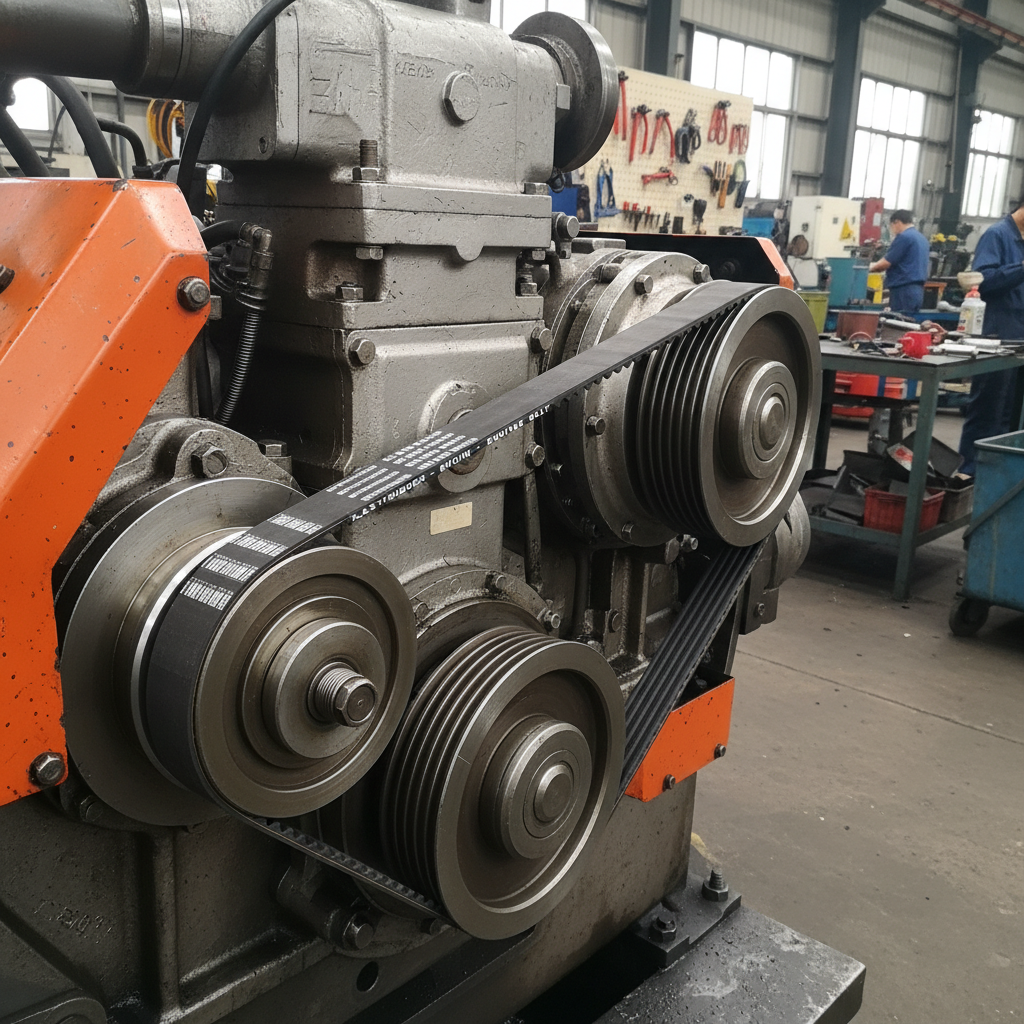
The Critical Role of the Engine Fan Belt in Vehicle Cooling Systems
The engine fan belt is a critical component in your vehicle's cooling system. It’s responsible for driving the fan that pulls air through the radiator, preventing your engine from overheating. A failing fan belt can lead to serious engine damage, resulting in costly repairs. At Hawkbelt, we specialize in high-quality, durable engine fan belts designed to keep your engine running smoothly. Understanding the role of a fan belt, recognizing signs of wear, and choosing the right replacement are essential for maintaining your vehicle’s performance and longevity. The primary function of an engine fan belt is to transfer power from the engine’s crankshaft to the cooling fan. As the engine runs, the crankshaft rotates, and the fan belt transmits this rotational energy to the fan blades. This spinning fan draws air through the radiator, dissipating heat generated by the engine. In many vehicles, the fan belt also drives other essential components such as the water pump (circulating coolant) and the alternator (charging the battery). A properly functioning fan belt is therefore essential for preventing overheating and ensuring the vehicle’s electrical systems operate correctly.Წაიკითხე მეტი -
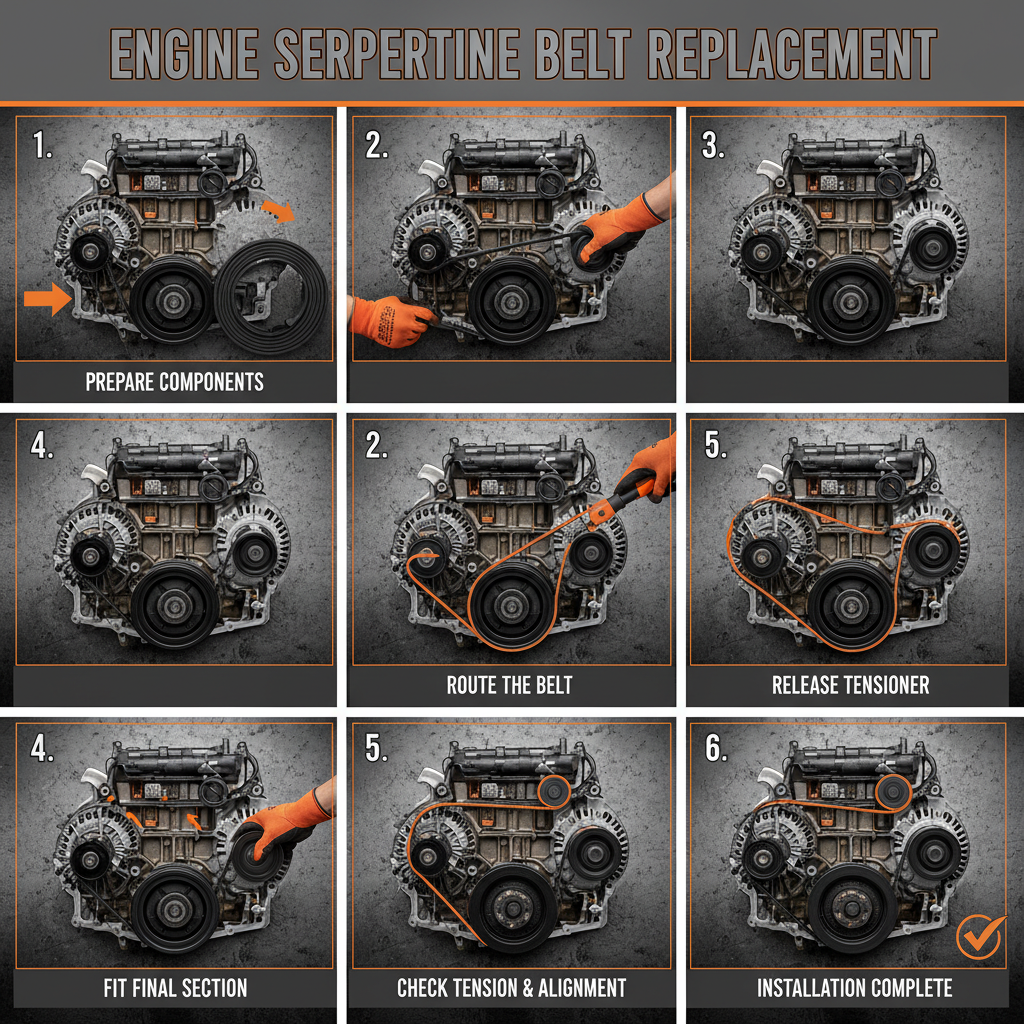
Understanding the Engine Serpentine Belt A Comprehensive Guide to Maintenance and Replacement
The engine serpentine belt is a critical component of your vehicle's engine, responsible for powering essential systems like the alternator, power steering pump, air conditioning compressor, and sometimes the water pump. A failing serpentine belt can lead to a range of issues, from a dead battery to overheating. This article provides an in-depth look at serpentine belts, covering their function, signs of wear, replacement considerations, and how HawkBelt offers high-quality replacement options. Ensuring your serpentine belt is in good condition is a key aspect of preventative vehicle maintenance. Unlike older vehicles that used multiple belts to drive individual components, modern cars utilize a single engine serpentine belt. This design simplifies the engine layout and reduces complexity. The belt’s primary function is to transfer rotational power from the crankshaft pulley to the various accessory pulleys. A properly functioning belt ensures these vital components operate correctly, maintaining everything from electrical power to climate control. Without a functioning serpentine belt, these systems will fail, potentially leaving you stranded. The quality of the belt significantly impacts its lifespan and reliability – that's why choosing a trusted brand like HawkBelt is crucial.Წაიკითხე მეტი -
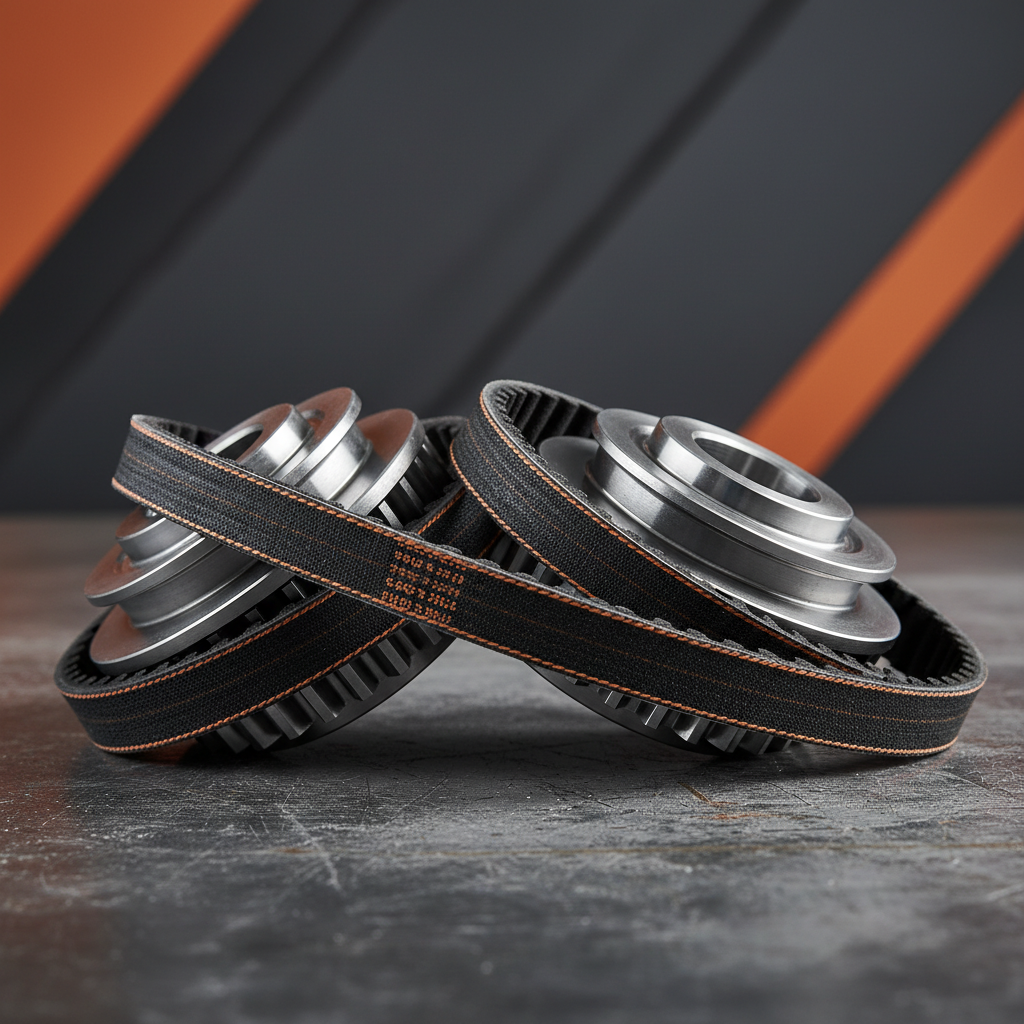
Comprehensive Guide to Machine Drive Belts Selection and Maintenance
Machine drive belts are essential components in countless industrial applications, transmitting power from a driving source to various machinery. Selecting the right belt is crucial for optimal performance, efficiency, and longevity of your equipment. At Hawkbelt, we specialize in providing high-quality machine drive belts tailored to diverse needs. This article will delve into the types, applications, maintenance, and selection criteria for machine drive belts, empowering you with the knowledge to make informed decisions. Properly chosen and maintained belts are vital to minimizing downtime and maximizing productivity. Several types of machine drive belts cater to specific applications and power transmission requirements. These include V-belts, flat belts, timing belts, and banded belts. V-belts are the most common, offering excellent traction and power transmission in a relatively small space. Flat belts are suitable for lighter loads and longer spans. Timing belts provide precise synchronization, crucial in applications like engine timing. Banded belts combine multiple V-belts into a single unit, increasing load capacity and stability. Choosing the right type depends on factors such as the power to be transmitted, the speed ratio, and the operating environment.Წაიკითხე მეტი -
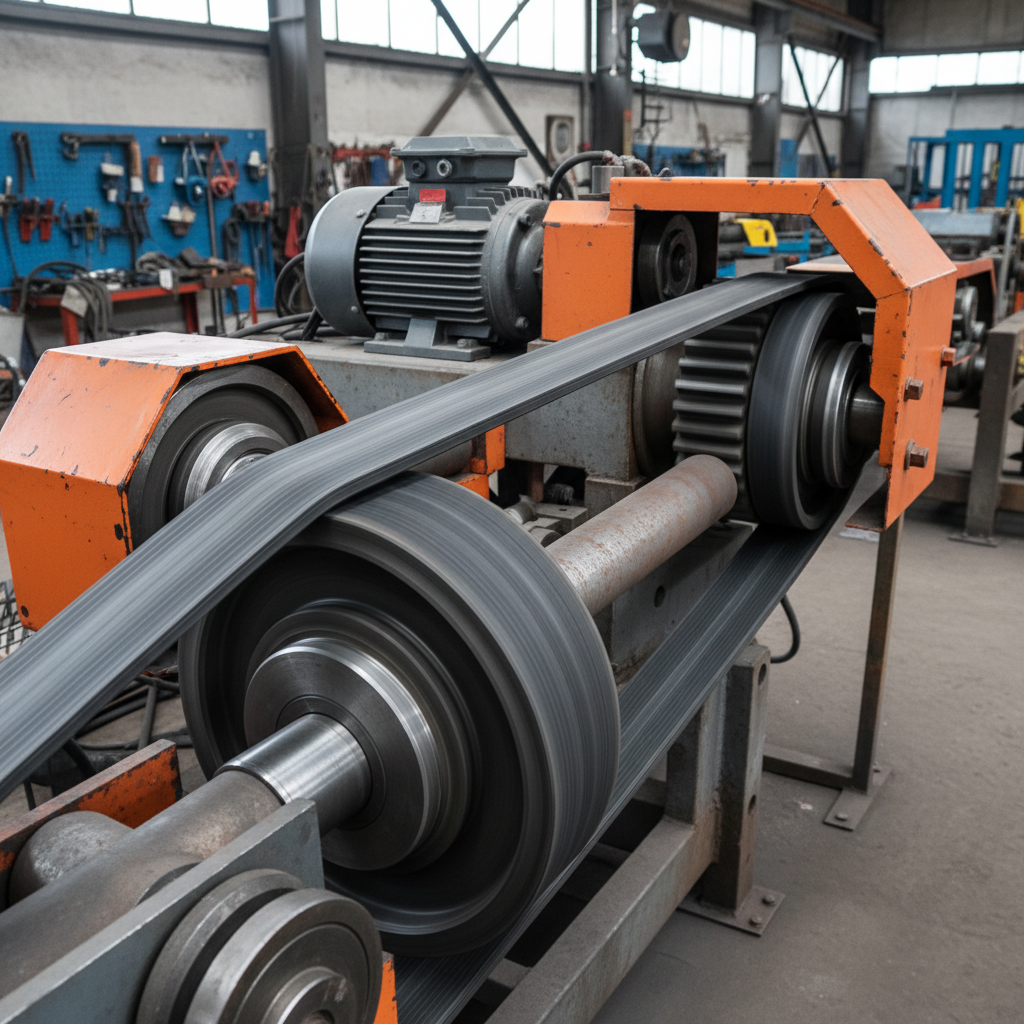
Optimizing Power Transmission with Mechanical Drives Belting Systems
Mechanical power transmission is the backbone of countless industries, from manufacturing and agriculture to automotive and beyond. At the heart of this are mechanical drives & belting systems, crucial components for efficiently transferring power from a source to the point where work is done. Choosing the right drives and belts is paramount for performance, reliability, and cost-effectiveness. HawkBelt specializes in providing high-quality mechanical drives and belting solutions tailored to diverse applications. This article will explore the key considerations, types, and benefits of these critical systems. A typical mechanical drive system comprises several key components working in harmony. These include the driver (motor or engine), the driven (the machinery being powered), the drive itself (gears, pulleys, chains, etc.), and the belting or chain used to transmit the power. Understanding the function of each component is crucial for system optimization.Წაიკითხე მეტი -
Understanding the Fundamentals of Mechanical Drives and Belting Systems for Efficiency
In the world of industrial machinery and power transmission, mechanical drives and belting are fundamental components. These systems efficiently transfer power from a driver (like a motor) to driven components, enabling a vast range of applications across various industries. From manufacturing and agriculture to automotive and even everyday appliances, the reliability and efficiency of these systems are critical for optimal performance. This article will delve into the core principles of mechanical drives and belting, exploring different types, applications, maintenance, and the latest advancements. Ensuring you understand these systems is vital for maximizing productivity and minimizing downtime. Mechanical drives encompass a variety of methods for transmitting power. Common types include gear drives, chain drives, and, of course, belt drives. Hawkbelt specializes in high-quality belting solutions, but it's important to understand how all drive types compare. Gear drives excel in high-torque, low-speed applications, offering precision and durability.Წაიკითხე მეტი -
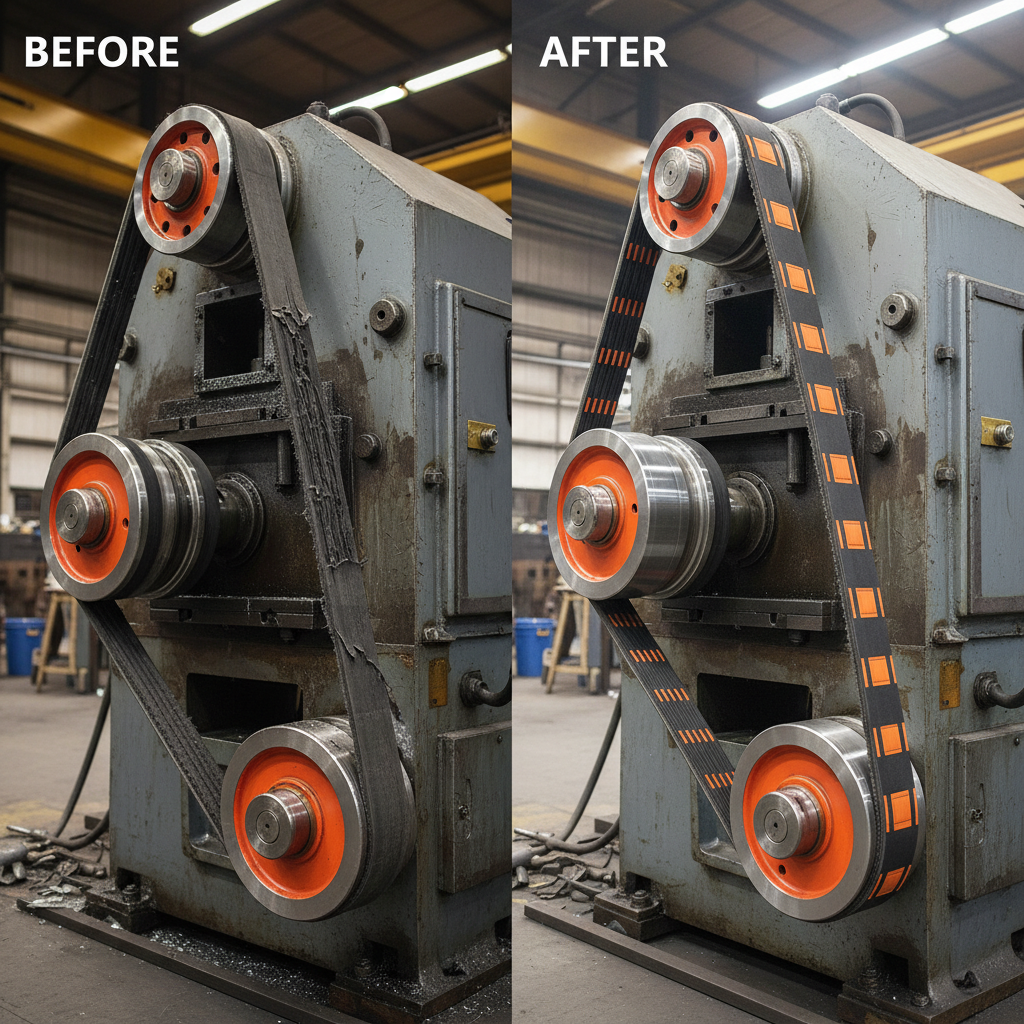
Choosing the Right Motor Belts for Peak Machinery Performance and Longevity
Motor belts are essential components in a wide range of machinery, from industrial equipment to automotive systems. Selecting the correct type of motor belt is critical for efficient power transmission, preventing downtime, and maximizing the lifespan of your equipment. This article will delve into the different types of motor belts, their applications, key considerations for choosing the right belt, and how Hawkbelt can provide solutions tailored to your specific needs. Understanding the nuances of motor belts can save you money and ensure smooth operations. There are several common types of motor belts, each designed for specific applications. The most prevalent include V-belts, flat belts, timing belts, and ribbed belts. V-belts are known for their high power transmission capabilities and are widely used in industrial machinery. Flat belts are simpler and cost-effective, suitable for light-duty applications. Timing belts, or synchronous belts, provide precise and non-slip power transmission, critical in engines and other precision equipment. Ribbed belts combine the benefits of V-belts and flat belts, offering good flexibility and power transmission.Წაიკითხე მეტი