
Mar . 07, 2026 02:05 Back to list
Choosing the Right Motor Belts for Peak Machinery Performance and Longevity
Choosing the Right Motor Belts for Optimal Performance
Motor belts are essential components in a wide range of machinery, from industrial equipment to automotive systems. Selecting the correct type of motor belt is critical for efficient power transmission, preventing downtime, and maximizing the lifespan of your equipment. This article will delve into the different types of motor belts, their applications, key considerations for choosing the right belt, and how Hawkbelt can provide solutions tailored to your specific needs. Understanding the nuances of motor belts can save you money and ensure smooth operations.
Types of Motor Belts
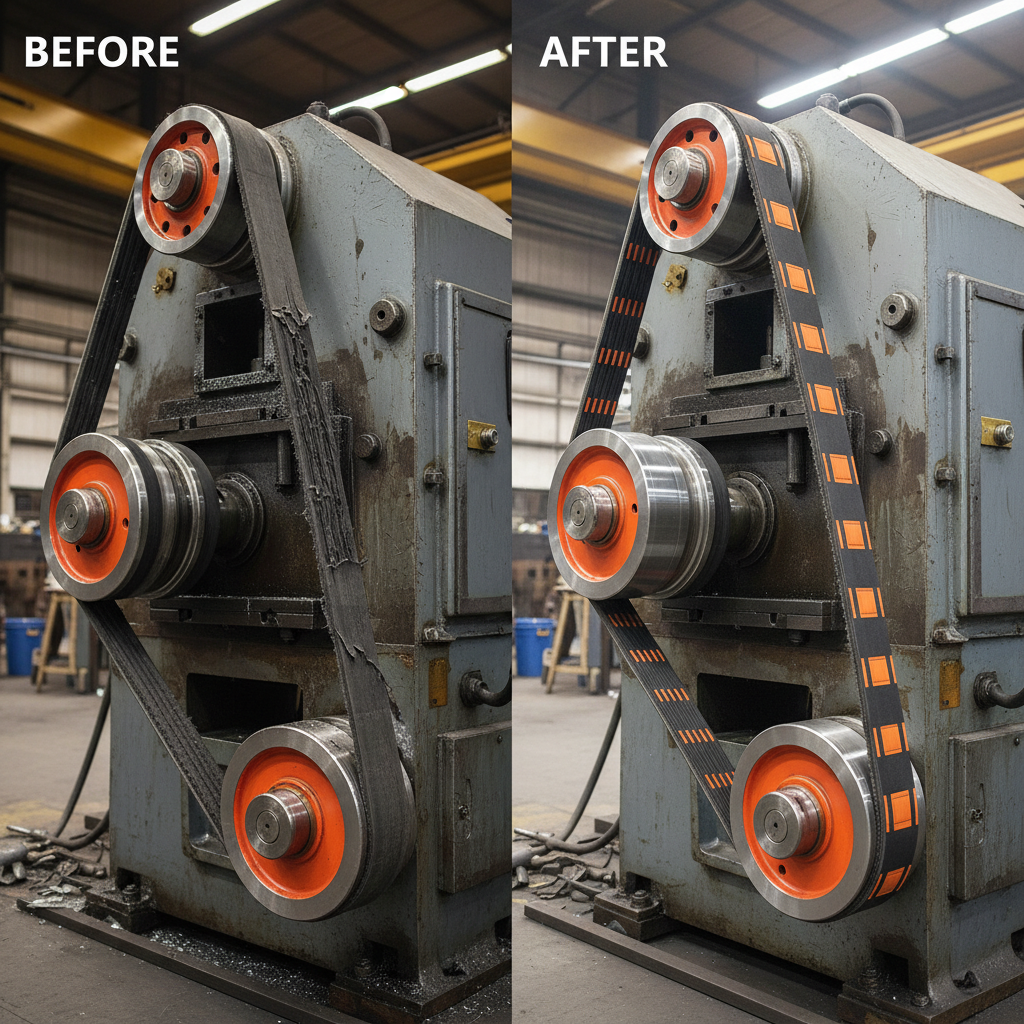
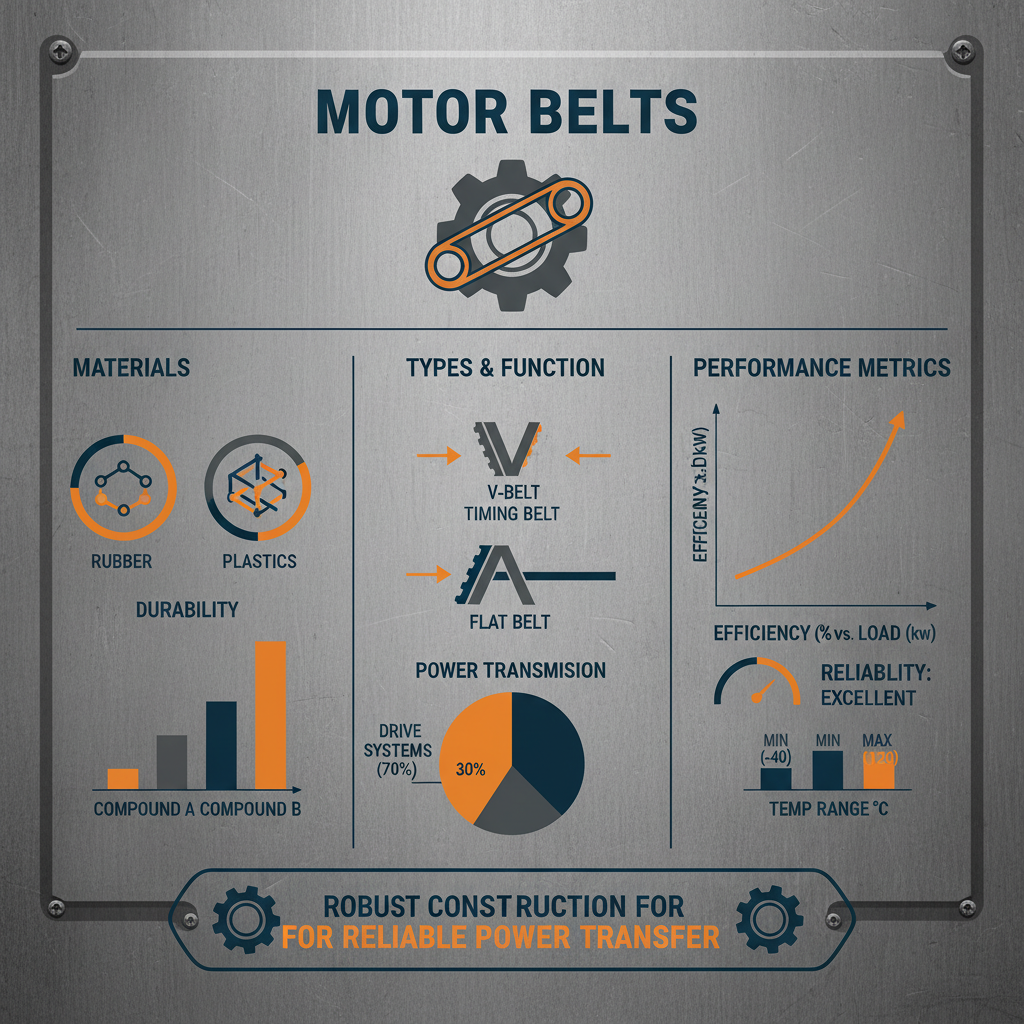
There are several common types of motor belts, each designed for specific applications. The most prevalent include V-belts, flat belts, timing belts, and ribbed belts. V-belts are known for their high power transmission capabilities and are widely used in industrial machinery. Flat belts are simpler and cost-effective, suitable for light-duty applications. Timing belts, or synchronous belts, provide precise and non-slip power transmission, critical in engines and other precision equipment. Ribbed belts combine the benefits of V-belts and flat belts, offering good flexibility and power transmission. Choosing the correct belt type requires careful consideration of the application’s demands, including power requirements, speed, and environmental factors.
Key Takeaway: Each belt type has unique strengths and weaknesses, making it important to match the belt to the specific application requirements for optimal performance and longevity.
Applications of Different Motor Belts
The diverse applications of motor belts reflect their versatility. V-belts are commonly found in HVAC systems, compressors, and conveyors. Flat belts are often used in simple power transmission systems like fans and pumps. Timing belts are essential in internal combustion engines, ensuring synchronized valve and crankshaft operation. Ribbed belts are popular in automotive accessory drives, providing efficient power transfer to components like alternators and power steering pumps. Selecting a belt designed for the specific application ensures reliable performance and prevents premature wear and failure.
Application Examples:
• HVAC Systems: V-belts
• Automotive Engines: Timing Belts
• Conveyors: V-belts
• Fans & Pumps: Flat Belts
Comparing Motor Belt Materials
Motor belts are constructed from various materials, each offering unique properties. Common materials include rubber, polyurethane, and reinforced polymers. Rubber belts are cost-effective and provide good grip, but may be susceptible to wear and tear. Polyurethane belts offer higher strength, abrasion resistance, and resistance to oil and chemicals, making them ideal for demanding applications. Reinforced polymer belts, often incorporating aramid or polyester fibers, provide exceptional strength and durability. The choice of material depends on the operating environment, load requirements, and desired lifespan.
Selecting the Right Motor Belt: Key Considerations
Choosing the appropriate motor belt involves several critical considerations. Power transmission requirements determine the necessary belt strength and size. Operating speed influences the belt material and construction. Environmental factors, such as temperature, humidity, and exposure to chemicals, impact material selection. Belt length and pitch must be accurately measured to ensure proper fit and function. Proper belt tension is vital to prevent slippage and premature wear. Consulting with a knowledgeable supplier, like Hawkbelt, can help you navigate these complexities and select the optimal belt for your application.
Why Choose Hawkbelt for Your Motor Belt Needs?
At Hawkbelt, we specialize in providing high-quality motor belts for a wide range of industries. We offer a comprehensive selection of V-belts, flat belts, timing belts, and ribbed belts, manufactured from premium materials to ensure durability and performance. Our experienced team can assist you in selecting the correct belt for your specific application, providing expert advice and technical support. We are committed to delivering reliable products, competitive pricing, and exceptional customer service. Partner with Hawkbelt for all your motor belt requirements.
Conclusion: Powering Your Operations with Quality Motor Belts
Choosing the right motor belt is crucial for maintaining operational efficiency and preventing costly downtime. By understanding the different types of belts, their applications, and key selection criteria, you can make informed decisions that optimize performance and longevity. Hawkbelt is your trusted partner for high-quality motor belts and expert support.
Frequently Asked Questions (FAQs)
What is the typical lifespan of a motor belt?
The lifespan of a motor belt varies depending on factors like the belt type, material, operating conditions, and maintenance. Generally, rubber belts last between 2-5 years, while polyurethane and reinforced polymer belts can last 5-10 years or longer. Regular inspection for cracks, wear, and proper tension is crucial for maximizing lifespan. Consistent misalignment or overloading will significantly reduce belt life. Following manufacturer recommendations for replacement is always advisable.
How do I determine the correct belt size?
Accurate measurement is key. You'll need to determine both the belt length and the belt pitch. The belt length is the total distance around the pulleys. The belt pitch refers to the distance between the centers of two adjacent belt cogs. Use a flexible ruler or belt gauge for precise measurements. Refer to the equipment's manual or consult with a belt specialist at Hawkbelt to ensure correct sizing.
What causes premature motor belt failure?
Several factors can lead to premature failure, including improper tension, misalignment of pulleys, contamination (oil, grease, debris), overloading, and exposure to harsh environments. Regular inspections, proper alignment, and maintaining a clean operating environment are crucial for preventing these issues. Using a belt guard is also essential to protect the belt from debris and external damage.
-
Comprehensive Guide to Selecting High Performance drive belts
NewsApr.16,2026
-
Guide to Choosing the Right Fan Belt for Car Performance
NewsApr.09,2026
-
Understanding and Maintaining Your Vehicle's Serpentine Belt for Optimal Performance
NewsApr.07,2026
-
Choosing the Right Steering Belt for Optimal Vehicle Performance and Safety
NewsApr.04,2026
-
Understanding the Serpentine Belt for Optimal Vehicle Performance
NewsMar.31,2026
-
Comprehensive Guide to Understanding Your Fan Belt Car and Maintenance
NewsMar.28,2026