
Mar . 11, 2026 02:05 Back to list
Understanding the Engine Serpentine Belt A Comprehensive Guide to Maintenance and Replacement
Understanding Your Engine Serpentine Belt: A Comprehensive Guide
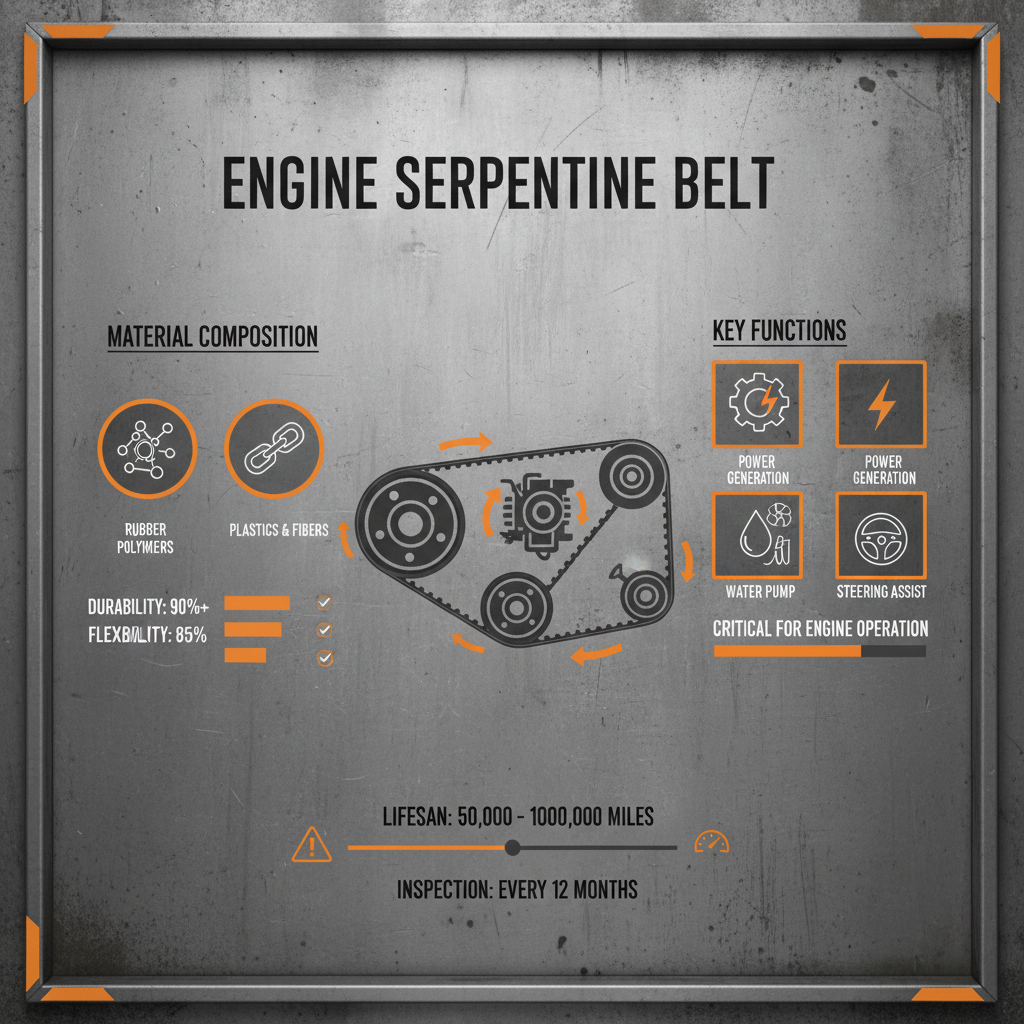
The engine serpentine belt is a critical component of your vehicle's engine, responsible for powering essential systems like the alternator, power steering pump, air conditioning compressor, and sometimes the water pump. A failing serpentine belt can lead to a range of issues, from a dead battery to overheating. This article provides an in-depth look at serpentine belts, covering their function, signs of wear, replacement considerations, and how HawkBelt offers high-quality replacement options. Ensuring your serpentine belt is in good condition is a key aspect of preventative vehicle maintenance.
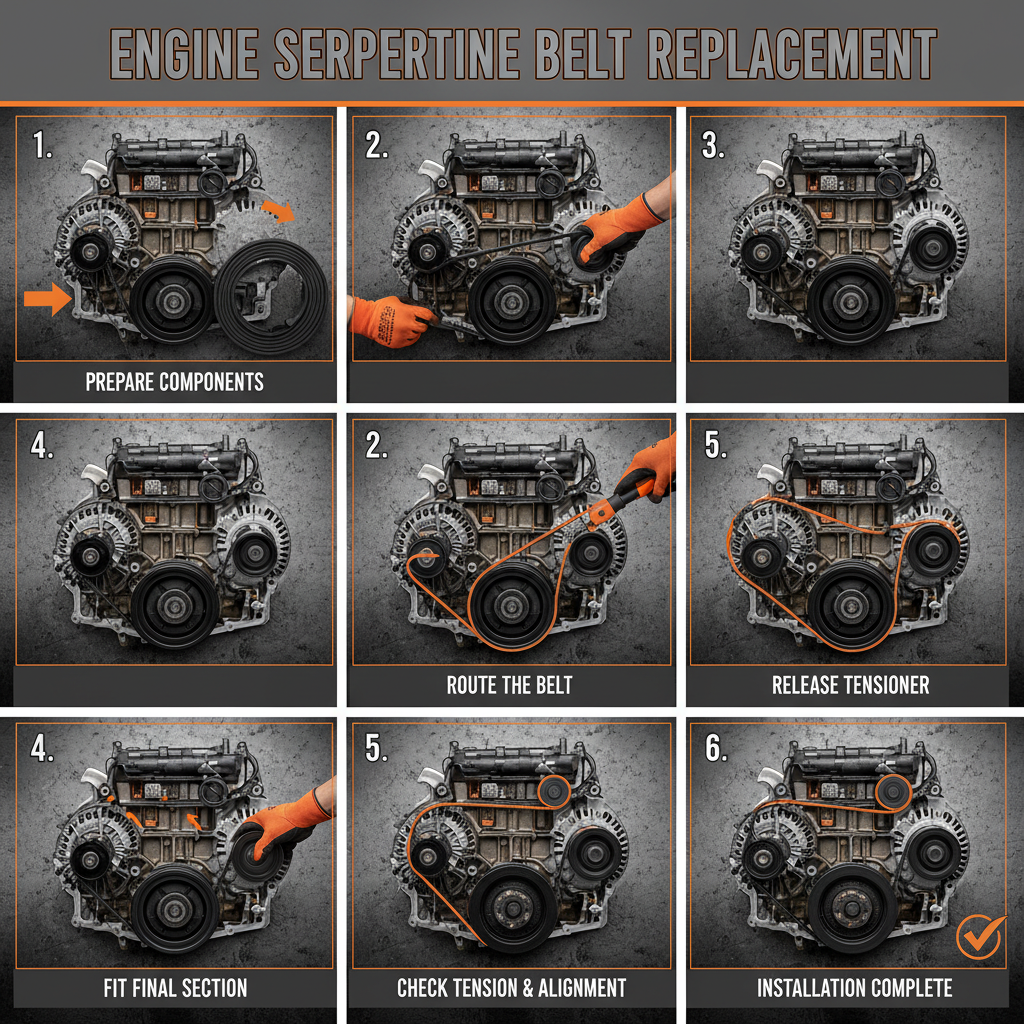
The Role of the Engine Serpentine Belt
Unlike older vehicles that used multiple belts to drive individual components, modern cars utilize a single engine serpentine belt. This design simplifies the engine layout and reduces complexity. The belt’s primary function is to transfer rotational power from the crankshaft pulley to the various accessory pulleys. A properly functioning belt ensures these vital components operate correctly, maintaining everything from electrical power to climate control. Without a functioning serpentine belt, these systems will fail, potentially leaving you stranded. The quality of the belt significantly impacts its lifespan and reliability – that's why choosing a trusted brand like HawkBelt is crucial.
Key Takeaway: The serpentine belt is a single, multi-purpose drive belt essential for the operation of numerous engine accessories.
Recognizing the Signs of a Worn Serpentine Belt
Identifying a failing engine serpentine belt early on can prevent more serious engine problems. Common signs of wear include: squealing or chirping noises, especially when starting the engine or turning the steering wheel; visible cracks or fraying on the belt’s surface; a glazed or shiny appearance; and difficulty steering or charging the battery. If you notice any of these symptoms, it’s important to have the belt inspected by a qualified mechanic. Ignoring these signs could lead to a complete belt failure and potential engine damage. HawkBelt provides belts designed for longevity and performance, minimizing the risk of premature failure.
Warning Signs:
• Squealing or chirping noises
• Visible cracks or fraying
• Glazed or shiny appearance
• Difficulty steering or charging
Serpentine Belt Materials: A Comparative Look
Engine serpentine belts are typically made from rubber compounds, but the specific materials can vary. Common materials include EPDM (Ethylene Propylene Diene Monomer) rubber, HNBR (Hydrogenated Nitrile Butadiene Rubber), and PC (Polychloroprene). EPDM is known for its excellent resistance to heat, ozone, and weathering, making it a popular choice. HNBR offers superior resistance to oil and abrasion. PC is a more cost-effective option but may not last as long. HawkBelt utilizes high-quality EPDM rubber in its belts, ensuring durability and long-lasting performance.
Why Choose HawkBelt Serpentine Belts?
At HawkBelt, we understand the importance of a reliable engine serpentine belt. That's why we engineer our belts to exceed industry standards for durability and performance. Our belts are made with premium EPDM rubber, reinforced with high-tensile strength cords, and undergo rigorous quality control testing. We offer a wide range of belts to fit various vehicle makes and models. Choosing HawkBelt means investing in peace of mind and ensuring your engine runs smoothly for years to come.
Proper Installation and Maintenance
While a quality engine serpentine belt like those offered by HawkBelt is durable, proper installation and maintenance are crucial for optimal performance. Incorrect installation can lead to premature wear and failure. Always ensure the belt is routed correctly according to your vehicle's service manual. Regularly inspect the belt for signs of wear and replace it as needed. It's also important to check the alignment of the pulleys and ensure they are free from debris. Avoid using harsh chemicals or solvents on the belt, as they can damage the rubber.
Conclusion: Keeping Your Engine Running Smoothly
The HawkBelt engine serpentine belt is a critical component for the reliable operation of your vehicle. By understanding its function, recognizing the signs of wear, and choosing a high-quality replacement, you can prevent costly repairs and ensure your engine runs smoothly. Don't compromise on quality – choose HawkBelt for lasting performance and peace of mind.
Frequently Asked Questions (FAQs)
How often should I replace my serpentine belt?
Generally, it’s recommended to replace your serpentine belt every 60,000 to 100,000 miles or every 5 years, whichever comes first. However, this can vary depending on driving conditions and belt quality. If you live in a hot climate or frequently drive in harsh conditions, you may need to replace it more often. Regular visual inspections can help determine if replacement is necessary before reaching the recommended mileage. HawkBelt offers belts designed for extended life, but regular checks are still important.
Can I replace the serpentine belt myself?
Replacing a serpentine belt can be a DIY project for experienced mechanics with the right tools and knowledge. However, it often requires special tools to release the belt tensioner and ensure proper routing. Incorrect installation can lead to damage or premature failure. If you’re not comfortable performing the replacement yourself, it's best to have it done by a qualified mechanic.
What happens if the serpentine belt breaks while driving?
If the serpentine belt breaks while driving, several systems will immediately stop working. You'll likely lose power steering, making it difficult to control the vehicle. The alternator will stop charging the battery, and the air conditioning compressor will shut off. In some vehicles, a broken serpentine belt can also cause the water pump to stop, leading to overheating. It's crucial to pull over to a safe location and have the vehicle towed to a repair shop.
How can I extend the life of my serpentine belt?
You can extend the life of your serpentine belt by keeping it clean and free of debris, avoiding contact with oil or solvents, and ensuring proper alignment of the pulleys. Regularly inspect the belt for signs of wear and address any issues promptly. Also, avoid over-tightening the belt, as this can put excessive stress on the bearings and reduce its lifespan.
-
Comprehensive Guide to Selecting High Performance drive belts
NewsApr.16,2026
-
Guide to Choosing the Right Fan Belt for Car Performance
NewsApr.09,2026
-
Understanding and Maintaining Your Vehicle's Serpentine Belt for Optimal Performance
NewsApr.07,2026
-
Choosing the Right Steering Belt for Optimal Vehicle Performance and Safety
NewsApr.04,2026
-
Understanding the Serpentine Belt for Optimal Vehicle Performance
NewsMar.31,2026
-
Comprehensive Guide to Understanding Your Fan Belt Car and Maintenance
NewsMar.28,2026