
Mar . 08, 2026 02:05 Back to list
Understanding the Fundamentals of Mechanical Drives and Belting Systems for Efficiency
Understanding Mechanical Drives and Belting Systems
In the world of industrial machinery and power transmission, mechanical drives and belting are fundamental components. These systems efficiently transfer power from a driver (like a motor) to driven components, enabling a vast range of applications across various industries. From manufacturing and agriculture to automotive and even everyday appliances, the reliability and efficiency of these systems are critical for optimal performance. This article will delve into the core principles of mechanical drives and belting, exploring different types, applications, maintenance, and the latest advancements. Ensuring you understand these systems is vital for maximizing productivity and minimizing downtime.
Types of Mechanical Drives
Mechanical drives encompass a variety of methods for transmitting power. Common types include gear drives, chain drives, and, of course, belt drives. Hawkbelt specializes in high-quality belting solutions, but it's important to understand how all drive types compare. Gear drives excel in high-torque, low-speed applications, offering precision and durability. Chain drives are also suitable for high-torque scenarios, especially where slippage is a concern. Belt drives, on the other hand, are valued for their quiet operation, cost-effectiveness, and ability to absorb shock. The selection of the appropriate drive type depends heavily on the specific requirements of the application, including speed, torque, distance, and environmental factors.
Key Takeaway: The selection of a mechanical drive type is dependent on the application's needs for torque, speed, distance, and budget.
Exploring Different Types of Belting
Belting systems themselves are diverse. V-belts are perhaps the most common, known for their versatility and ability to transmit power efficiently. Flat belts offer a simpler design and are suitable for lighter loads. Synchronous belts (timing belts) provide precise power transmission without slippage, crucial for applications requiring accurate timing. Hawkbelt offers a comprehensive range of these belt types, tailored to diverse industrial needs. The choice of belting material – rubber, polyurethane, or composite – also plays a significant role in performance and longevity. Each material offers varying levels of resistance to wear, temperature, and chemicals.
Belting Material Considerations:
• Rubber: Cost-effective, good for general purpose applications.
• Polyurethane: High strength, excellent abrasion resistance.
• Composite: Specialized materials for demanding environments.
Mechanical Drives and Belting: A Comparative Analysis
Choosing the right drive system requires a detailed comparison of its advantages and disadvantages. While belt drives offer cost-effectiveness and quiet operation, they are susceptible to slippage and require periodic tensioning. Gear drives provide superior torque transmission but are generally more expensive and noisy. Chain drives offer high power capacity but need regular lubrication and can stretch over time. Hawkbelt’s expertise helps clients navigate these trade-offs to select the most suitable solution.
Applications of Mechanical Drives and Belting Across Industries
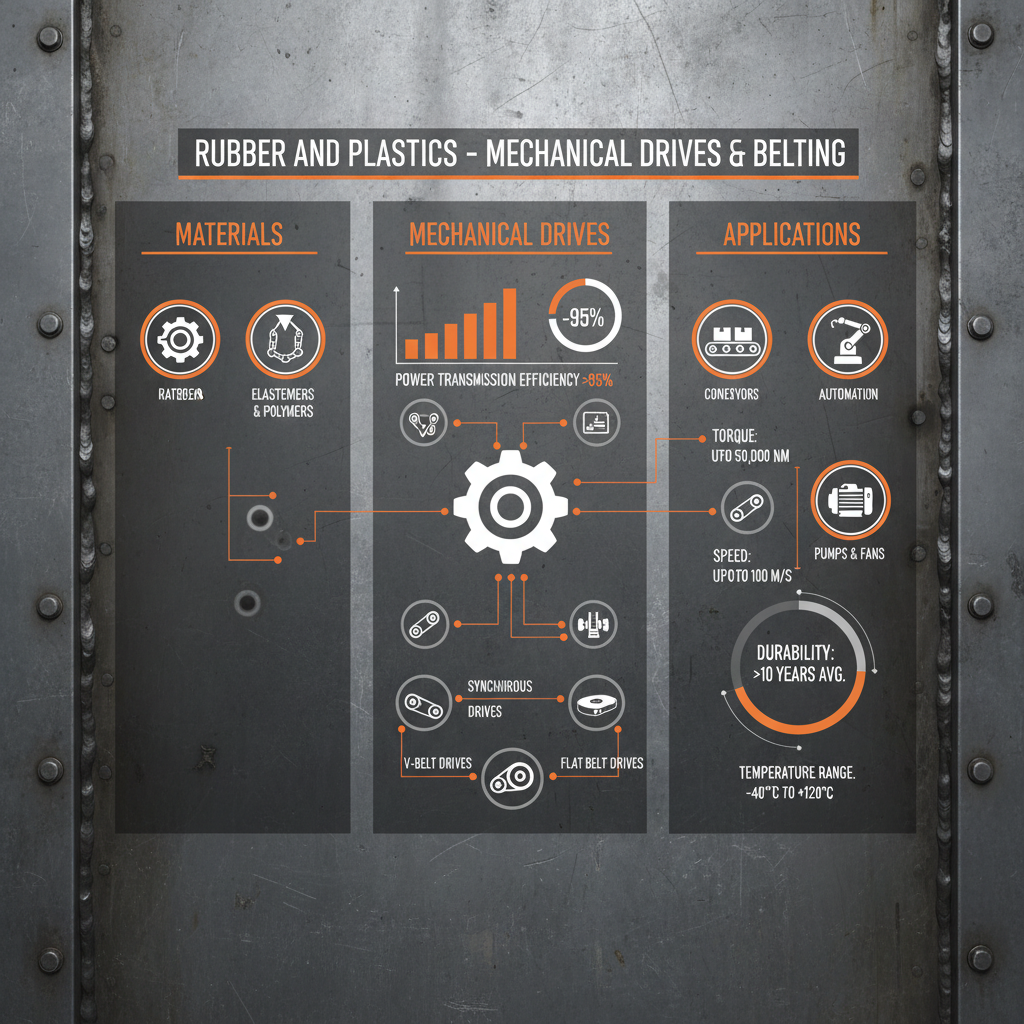
The applications are remarkably diverse. In manufacturing, these systems power conveyor belts, machining tools, and robotic arms. In agriculture, they drive harvesting equipment and irrigation pumps. The automotive industry relies heavily on belts to power accessories like alternators and power steering pumps. Even in seemingly simple appliances, like washing machines and dryers, mechanical drives and belting play a crucial role. Hawkbelt’s products are found across these industries, contributing to efficient and reliable operations.
Maintenance and Best Practices for Longevity
Regular maintenance is paramount for maximizing the lifespan of mechanical drives and belting. This includes periodic inspection for wear and tear, proper alignment, and tensioning. Lubrication is essential for chain drives and gear drives. For belts, checking for cracks, fraying, and glazing is crucial. Replacing worn components promptly prevents more significant issues and costly downtime. Hawkbelt provides resources and guidance on proper maintenance procedures to help customers optimize their system performance.
Conclusion: The Power of Efficient Mechanical Transmission
Understanding and properly maintaining mechanical drives and belting systems is vital for operational efficiency and cost savings. By selecting the right components, implementing proactive maintenance schedules, and partnering with reliable suppliers like Hawkbelt, businesses can ensure smooth and reliable power transmission for years to come. Investing in quality and expertise is an investment in the future of your operations.
Frequently Asked Questions (FAQs)
What are the common causes of belt slippage?
Belt slippage can be caused by several factors, including improper belt tension, misalignment of pulleys, contamination with oil or grease, and wear or damage to the belt surface. Overloading the drive system can also contribute to slippage. Regular inspection and adjustment of belt tension, cleaning of pulleys, and prompt replacement of worn belts are crucial for preventing slippage. Using the correct belt type for the application and ensuring proper pulley groove angles are also essential.
How often should I inspect my mechanical drive system?
The frequency of inspection depends on the application and operating conditions. However, a general guideline is to perform visual inspections at least monthly, or more frequently in harsh environments or high-demand applications. Look for signs of wear, damage, or misalignment. Listen for unusual noises that may indicate a problem. Regularly check belt tension and lubrication levels. A proactive inspection schedule can prevent unexpected breakdowns and extend the lifespan of your equipment.
What are the benefits of using synchronous belts?
Synchronous belts, also known as timing belts, offer several advantages. They provide precise power transmission without slippage, making them ideal for applications requiring accurate timing, such as engine timing and conveyor systems. They also tend to be quieter than chain drives and require less maintenance. However, they are generally more expensive than V-belts and can be less tolerant of misalignment.
How can I determine the correct belt size for my application?
Determining the correct belt size requires considering several factors, including the center distance between pulleys, the desired speed ratio, and the power transmission requirements. Belt manufacturers provide charts and calculators to help with this selection. It’s also crucial to identify the belt profile (e.g., A, B, C, D, etc.) and the appropriate length. Consulting with a belting specialist, like the team at Hawkbelt, can ensure you choose the right belt for optimal performance.
-
Comprehensive Guide to Selecting High Performance drive belts
NewsApr.16,2026
-
Guide to Choosing the Right Fan Belt for Car Performance
NewsApr.09,2026
-
Understanding and Maintaining Your Vehicle's Serpentine Belt for Optimal Performance
NewsApr.07,2026
-
Choosing the Right Steering Belt for Optimal Vehicle Performance and Safety
NewsApr.04,2026
-
Understanding the Serpentine Belt for Optimal Vehicle Performance
NewsMar.31,2026
-
Comprehensive Guide to Understanding Your Fan Belt Car and Maintenance
NewsMar.28,2026