
Mar . 12, 2026 02:05 Back to list
The Critical Role of the Engine Fan Belt in Vehicle Cooling Systems
Understanding the Importance of an Engine Fan Belt
The engine fan belt is a critical component in your vehicle's cooling system. It’s responsible for driving the fan that pulls air through the radiator, preventing your engine from overheating. A failing fan belt can lead to serious engine damage, resulting in costly repairs. At Hawkbelt, we specialize in high-quality, durable engine fan belts designed to keep your engine running smoothly. Understanding the role of a fan belt, recognizing signs of wear, and choosing the right replacement are essential for maintaining your vehicle’s performance and longevity.
What Does an Engine Fan Belt Do?
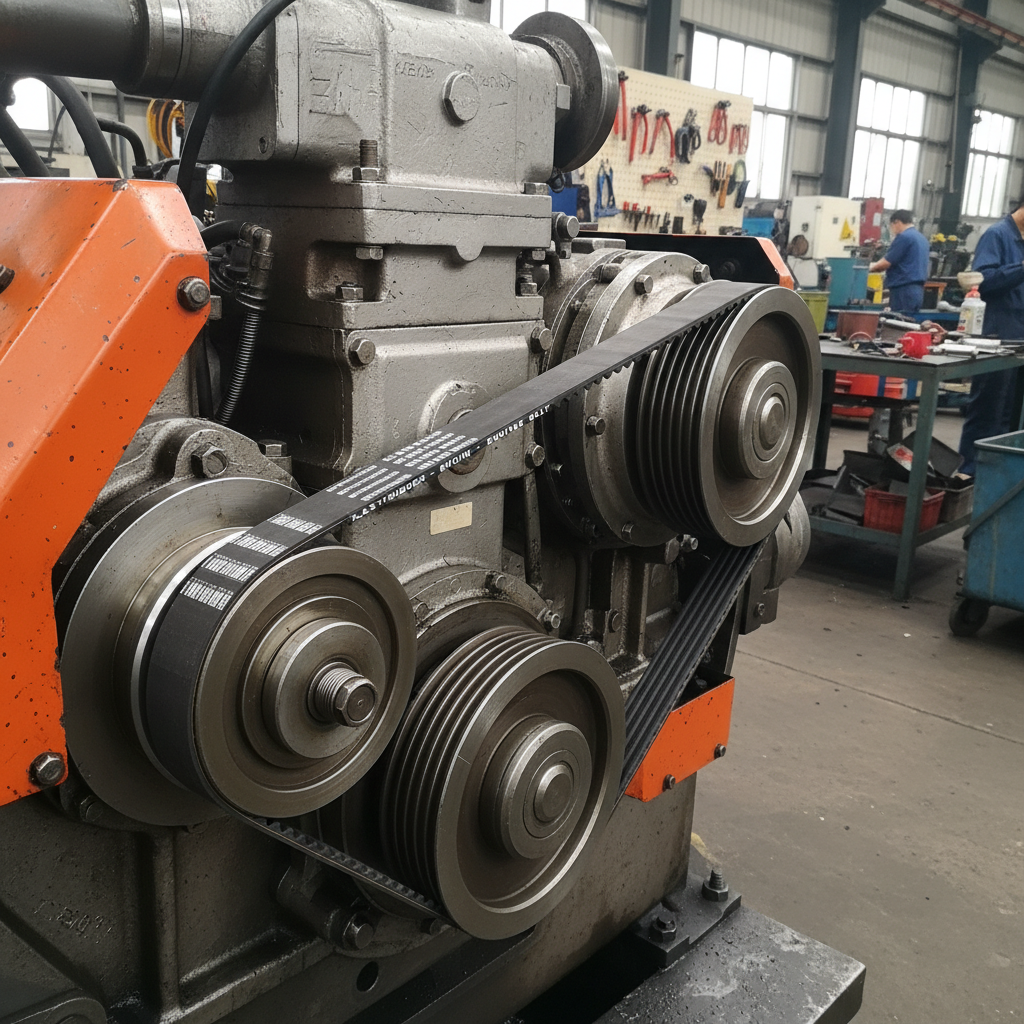
The primary function of an engine fan belt is to transfer power from the engine’s crankshaft to the cooling fan. As the engine runs, the crankshaft rotates, and the fan belt transmits this rotational energy to the fan blades. This spinning fan draws air through the radiator, dissipating heat generated by the engine. In many vehicles, the fan belt also drives other essential components such as the water pump (circulating coolant) and the alternator (charging the battery). A properly functioning fan belt is therefore essential for preventing overheating and ensuring the vehicle’s electrical systems operate correctly.
Key Takeaway: The fan belt is a simple but vital component that protects your engine from overheating and ensures the proper functioning of other critical systems.
Recognizing Signs of a Worn or Failing Engine Fan Belt
Identifying a failing engine fan belt early can prevent severe engine damage. Common signs to look for include: squealing or chirping noises, especially when starting the engine or turning on the air conditioning; visible cracks, fraying, or glazing on the belt's surface; a loose or wobbly belt; and, in severe cases, a complete belt break. Ignoring these symptoms can lead to overheating, engine failure, and expensive repairs. Regular visual inspections are crucial for preventative maintenance.
Warning Signs:
• Squealing or chirping noises
• Visible cracks or fraying
• Loose or wobbly belt
• Complete belt breakage
Engine Fan Belt Types: Choosing the Right Belt for Your Vehicle
Several types of engine fan belts are available, each with unique characteristics. Common types include V-belts (traditional, with a V-shaped cross-section), Poly-V belts (multiple ribs for increased contact and efficiency), and serpentine belts (a single, winding belt that drives multiple accessories). The correct type of belt for your vehicle depends on the engine’s design and the components it drives. Using the wrong belt can lead to slippage, reduced efficiency, and premature failure. Consult your vehicle's owner's manual or a qualified mechanic to ensure you select the right replacement.
Hawkbelt: Your Trusted Source for High-Quality Engine Fan Belts
At Hawkbelt, we are committed to providing our customers with durable, reliable engine fan belts. Our belts are manufactured using high-quality materials and undergo rigorous testing to ensure optimal performance and longevity. We offer a wide range of belts to fit various vehicle makes and models. With competitive pricing and exceptional customer service, Hawkbelt is your trusted partner for all your automotive belt needs.
Conclusion: Protect Your Engine with a Quality Fan Belt
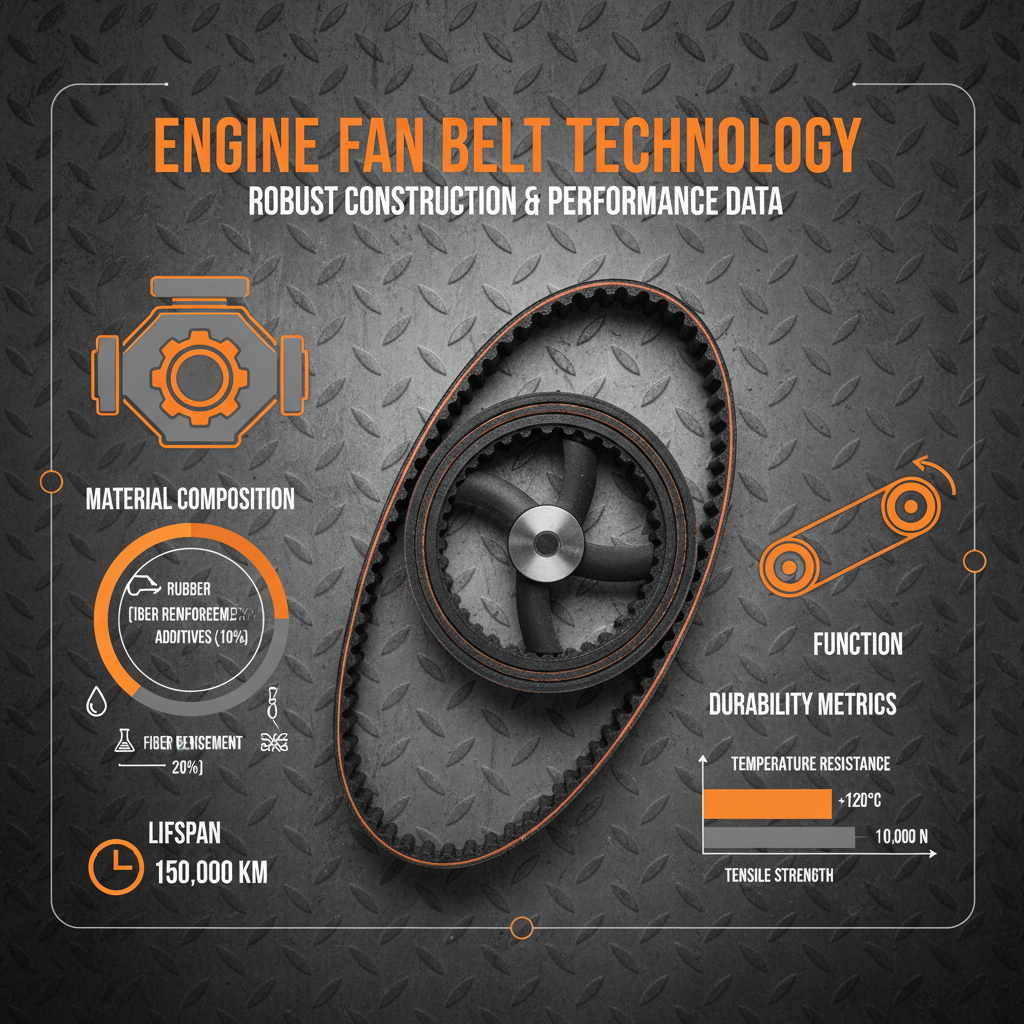
Investing in a high-quality engine fan belt from Hawkbelt is a proactive step towards maintaining your vehicle's engine health and preventing costly repairs. Don’t wait for a belt to fail – schedule a preventative inspection and replacement today.
Frequently Asked Questions (FAQs)
How often should I replace my engine fan belt?
Generally, it’s recommended to replace your engine fan belt every 60,000 to 100,000 miles, or every 5 years, whichever comes first. However, this can vary depending on driving conditions and the type of belt. Regularly inspect the belt for signs of wear, such as cracks, fraying, or glazing. If you notice any damage, it’s best to replace the belt immediately. At Hawkbelt, we offer belts designed for long-lasting performance, but regular inspections are still crucial.
Can I replace the engine fan belt myself?
Replacing an engine fan belt can be a DIY project for experienced mechanics with the proper tools. However, it often requires removing other components, such as the radiator fan or other belts, and tensioning the new belt correctly. If you’re not comfortable with these procedures, it’s best to leave it to a qualified mechanic. Improper installation can lead to slippage, overheating, or damage to other components.
What causes engine fan belts to wear out?
Several factors can contribute to engine fan belt wear. Heat and exposure to oil or other fluids can degrade the rubber material. Misalignment of pulleys can cause premature wear and slippage. Over-tensioning or under-tensioning the belt can also lead to failure. Finally, simply the passage of time and normal wear and tear will eventually require replacement. Using high-quality belts like those offered at Hawkbelt can help extend the lifespan of your belt.
-
Comprehensive Guide to Selecting High Performance drive belts
NewsApr.16,2026
-
Guide to Choosing the Right Fan Belt for Car Performance
NewsApr.09,2026
-
Understanding and Maintaining Your Vehicle's Serpentine Belt for Optimal Performance
NewsApr.07,2026
-
Choosing the Right Steering Belt for Optimal Vehicle Performance and Safety
NewsApr.04,2026
-
Understanding the Serpentine Belt for Optimal Vehicle Performance
NewsMar.31,2026
-
Comprehensive Guide to Understanding Your Fan Belt Car and Maintenance
NewsMar.28,2026