
Mar . 10, 2026 01:55 Back to list
Comprehensive Guide to Machine Drive Belts Selection and Maintenance
Understanding Machine Drive Belts: A Comprehensive Guide
Machine drive belts are essential components in countless industrial applications, transmitting power from a driving source to various machinery. Selecting the right belt is crucial for optimal performance, efficiency, and longevity of your equipment. At Hawkbelt, we specialize in providing high-quality machine drive belts tailored to diverse needs. This article will delve into the types, applications, maintenance, and selection criteria for machine drive belts, empowering you with the knowledge to make informed decisions. Properly chosen and maintained belts are vital to minimizing downtime and maximizing productivity.
Types of Machine Drive Belts
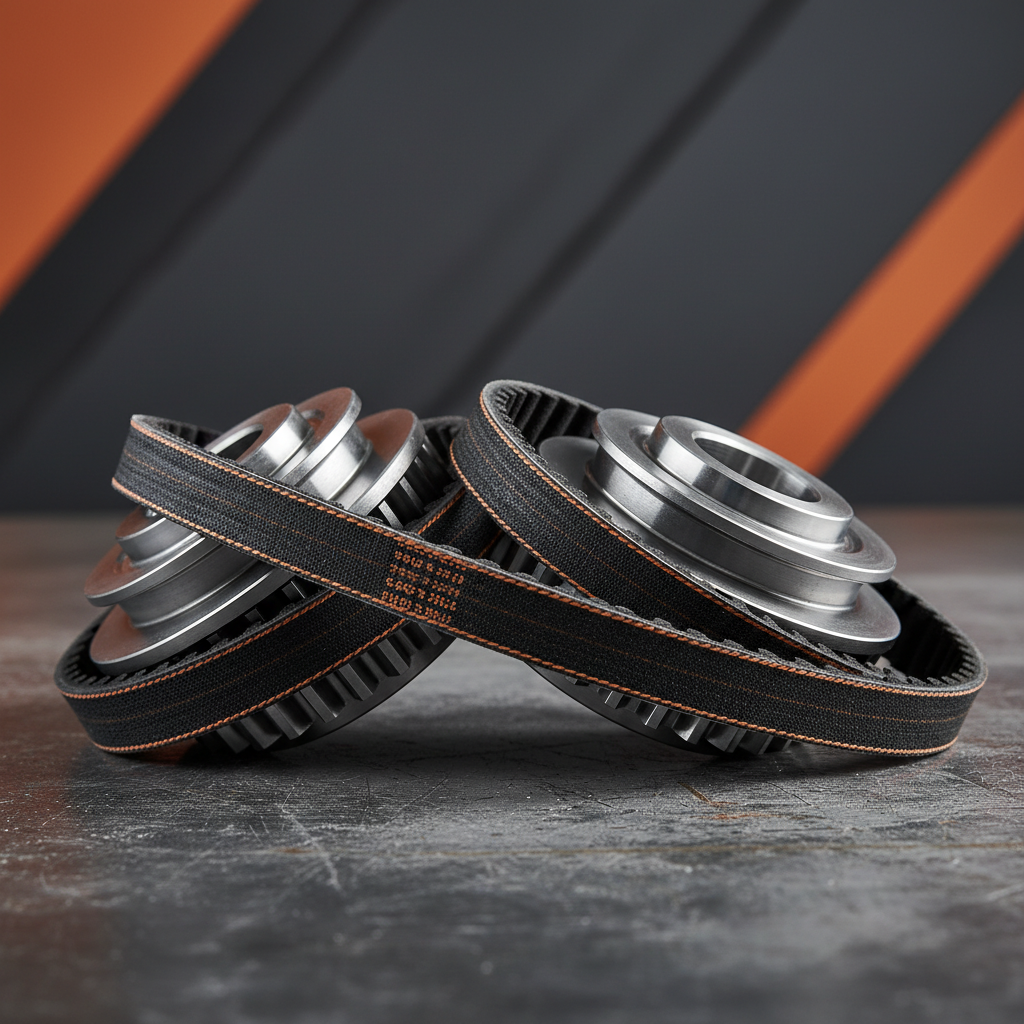
Several types of machine drive belts cater to specific applications and power transmission requirements. These include V-belts, flat belts, timing belts, and banded belts. V-belts are the most common, offering excellent traction and power transmission in a relatively small space. Flat belts are suitable for lighter loads and longer spans. Timing belts provide precise synchronization, crucial in applications like engine timing. Banded belts combine multiple V-belts into a single unit, increasing load capacity and stability. Choosing the right type depends on factors such as the power to be transmitted, the speed ratio, and the operating environment. Hawkbelt's extensive inventory covers all these types and more.
Key Takeaway: Understanding the characteristics of each belt type allows for a more efficient and cost-effective power transmission solution.
Applications of Machine Drive Belts
Machine drive belts find application across a vast range of industries. In manufacturing, they power conveyors, pumps, compressors, and various machine tools. Agricultural machinery relies heavily on belts for powering harvesters, tractors, and irrigation systems. The automotive industry utilizes timing belts for engine synchronization and V-belts for accessory drives. Even household appliances like washing machines and dryers employ belts for their operation. The versatility of these belts makes them a cornerstone of modern mechanical systems. Hawkbelt provides specialized belts for these industries and beyond.
Common Application Areas:
• Manufacturing Machinery
• Agricultural Equipment
• Automotive Systems
• HVAC Systems
V-Belt vs. Flat Belt: A Comparative Analysis
Choosing between V-belts and flat belts requires careful consideration of the application. V-belts offer a higher coefficient of friction due to their wedge shape, resulting in greater power transmission capacity. Flat belts are simpler and cheaper but are less effective in high-power applications. V-belts are also more resistant to slippage. However, flat belts are quieter in operation and can be advantageous in certain scenarios. Understanding these differences is essential for making the right selection. Hawkbelt offers expert guidance to help you determine the best option for your needs.
Maintaining Machine Drive Belts for Optimal Performance
Regular maintenance is essential for extending the lifespan and ensuring the efficient operation of machine drive belts. This includes periodic inspection for wear and tear, proper tensioning, and alignment. Over-tensioning can lead to premature bearing failure, while under-tensioning can cause slippage. Regular cleaning to remove dirt and debris is also crucial. Implementing a preventative maintenance schedule can significantly reduce downtime and prevent costly repairs. Hawkbelt offers resources and support to help you establish and maintain an effective belt maintenance program.
Selecting the Right Machine Drive Belt: Key Considerations
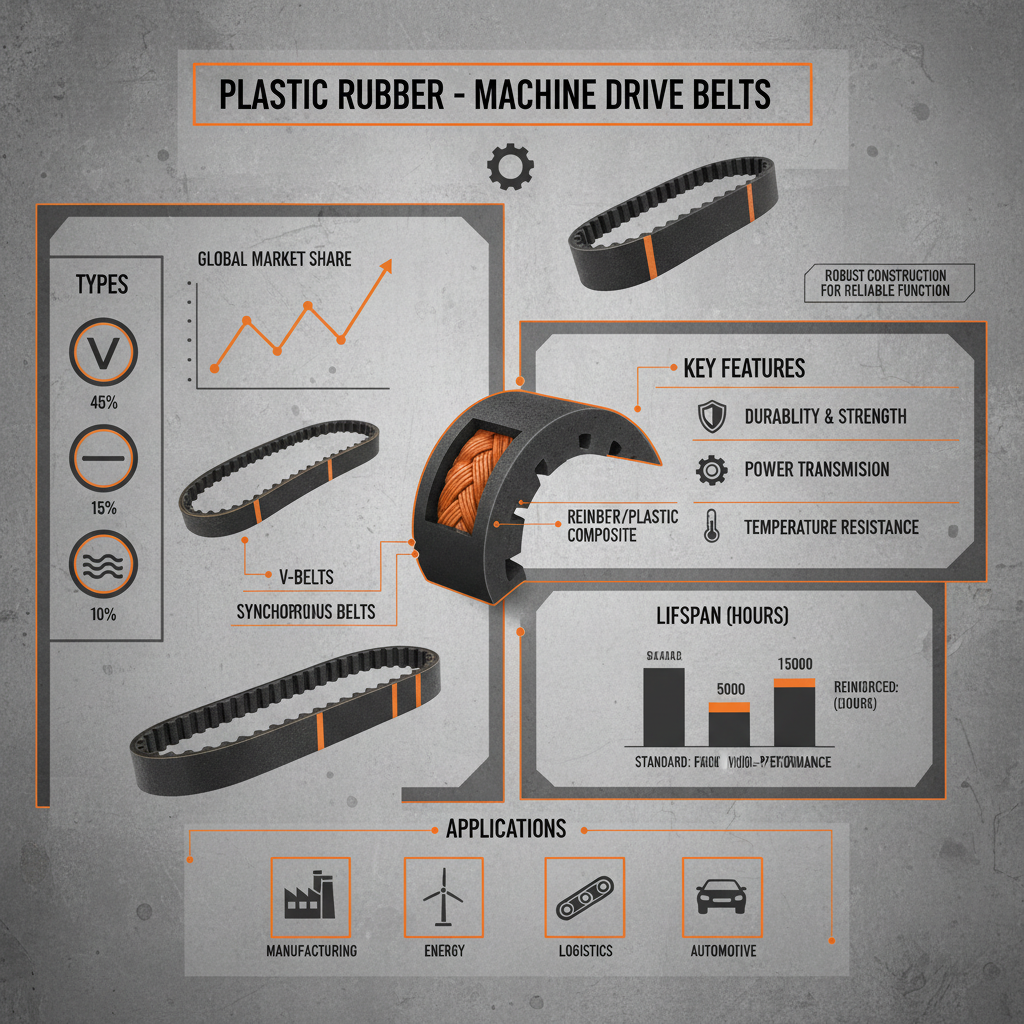
Selecting the optimal machine drive belt involves considering several factors. These include the power to be transmitted, the speed ratio, the operating environment (temperature, humidity, exposure to chemicals), and the type of machinery. Accurately assessing these parameters is crucial for ensuring proper fit and performance. Hawkbelt's team of experienced engineers can provide expert assistance in selecting the right belt for your specific application. We offer a wide range of materials and sizes to meet your precise requirements.
Conclusion: Investing in Quality Machine Drive Belts
Choosing the right machine drive belts from a trusted supplier like Hawkbelt is a critical investment in the reliability and efficiency of your operations. By understanding the different types, applications, and maintenance requirements, you can optimize performance, minimize downtime, and reduce costs. Don't compromise on quality – choose Hawkbelt for superior belts and expert support.
Frequently Asked Questions (FAQs)
What is the typical lifespan of a machine drive belt?
The lifespan of a machine drive belt varies depending on the application, operating conditions, and maintenance practices. Generally, V-belts can last anywhere from 2 to 5 years, while timing belts may have a shorter lifespan, around 3 to 4 years. Factors like temperature, humidity, chemical exposure, and proper tensioning all contribute to the belt's longevity. Regular inspections and proactive replacement are key to preventing unexpected failures. Hawkbelt offers belts designed for extended life and resistance to harsh environments.
How do I determine the correct belt size for my application?
Determining the correct belt size requires careful measurement and consideration of several factors. You'll need to measure the span length between the pulleys, the pulley diameters, and the center distance. It's also essential to know the type of belt (V-belt, flat belt, timing belt) and the power transmission requirements. Hawkbelt provides detailed sizing guides and expert assistance to help you select the right belt. We also offer custom belt fabrication services to meet specific needs.
What are the signs that a machine drive belt needs to be replaced?
Several signs indicate that a machine drive belt needs replacement. These include visible cracks, fraying, glazing, or missing chunks of material. Slippage, excessive noise, or decreased power transmission are also indicators. If the belt is stretched or worn, it may not maintain proper tension. Proactive replacement based on these signs can prevent unexpected downtime and damage to other components. Hawkbelt provides high-quality replacement belts for all your needs.
Can machine drive belts be repaired, or should they always be replaced?
In most cases, machine drive belts should be replaced rather than repaired. Attempts to repair a damaged belt can compromise its integrity and lead to premature failure. While minor fraying might be addressed with specialized tools, significant damage like cracks or missing chunks renders the belt unsafe for continued use. Replacing the belt ensures consistent performance and prevents potential accidents. Hawkbelt offers a wide selection of replacement belts to suit various applications.
-
Comprehensive Guide to Selecting High Performance drive belts
NewsApr.16,2026
-
Guide to Choosing the Right Fan Belt for Car Performance
NewsApr.09,2026
-
Understanding and Maintaining Your Vehicle's Serpentine Belt for Optimal Performance
NewsApr.07,2026
-
Choosing the Right Steering Belt for Optimal Vehicle Performance and Safety
NewsApr.04,2026
-
Understanding the Serpentine Belt for Optimal Vehicle Performance
NewsMar.31,2026
-
Comprehensive Guide to Understanding Your Fan Belt Car and Maintenance
NewsMar.28,2026