
Mar . 09, 2026 02:05 Back to list
Optimizing Power Transmission with Mechanical Drives Belting Systems
Understanding Mechanical Drives & Belting for Optimal Power Transmission
Mechanical power transmission is the backbone of countless industries, from manufacturing and agriculture to automotive and beyond. At the heart of this are mechanical drives & belting systems, crucial components for efficiently transferring power from a source to the point where work is done. Choosing the right drives and belts is paramount for performance, reliability, and cost-effectiveness. HawkBelt specializes in providing high-quality mechanical drives and belting solutions tailored to diverse applications. This article will explore the key considerations, types, and benefits of these critical systems.
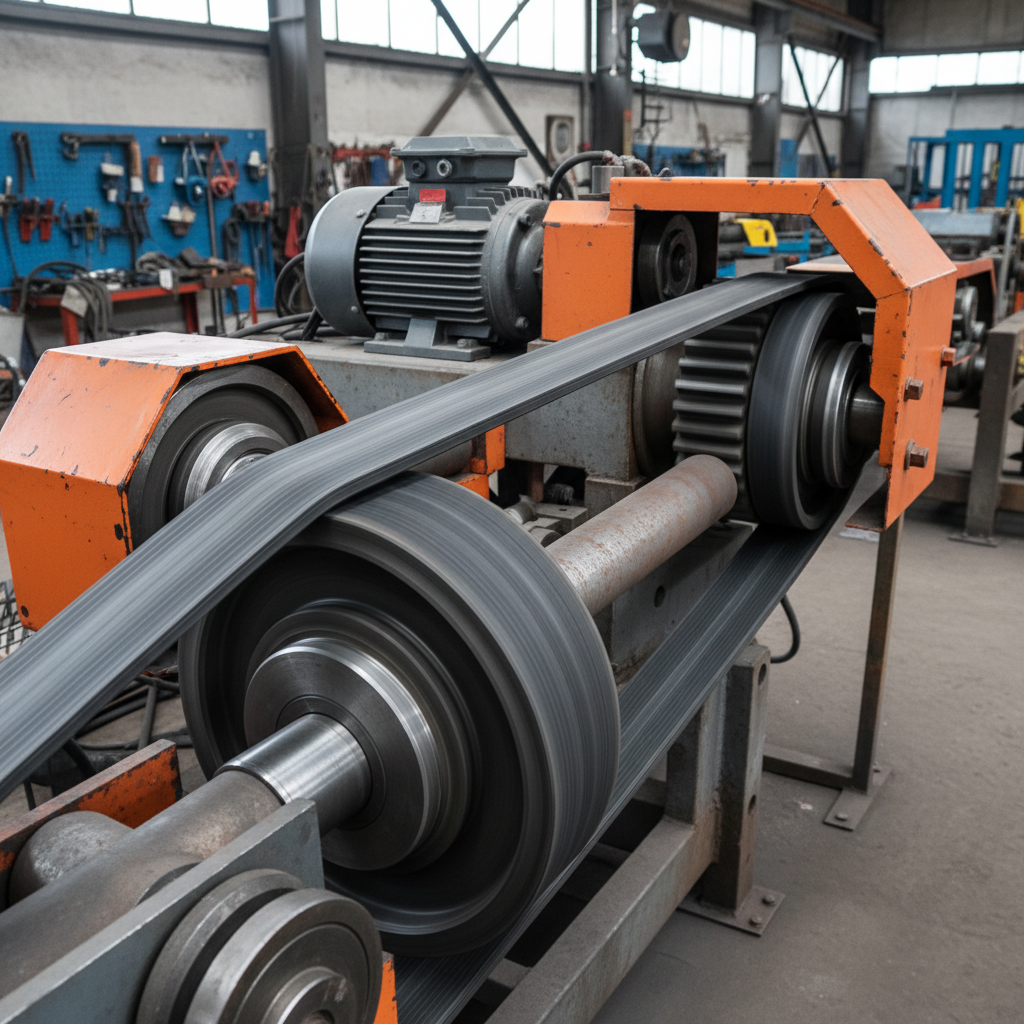
The Core Components of Mechanical Drive Systems
A typical mechanical drive system comprises several key components working in harmony. These include the driver (motor or engine), the driven (the machinery being powered), the drive itself (gears, pulleys, chains, etc.), and the belting or chain used to transmit the power. Understanding the function of each component is crucial for system optimization. For example, selecting the appropriate belt material based on environmental factors (temperature, oil exposure) directly impacts longevity and efficiency. Proper alignment of pulleys and sprockets is also vital to minimize wear and tear and prevent premature failure. At HawkBelt, we offer comprehensive system analysis to ensure optimal component selection and installation.
Key Takeaway: The efficiency of a mechanical drive system is directly linked to the quality and compatibility of its individual components.
Types of Mechanical Belting: A Comparative Overview
Several types of belting are available, each suited for different applications and power transmission requirements. Common types include V-belts, flat belts, timing belts, and ribbed belts. V-belts are known for their high friction and ability to handle shock loads. Flat belts are suitable for lighter loads and long-distance power transmission. Timing belts provide precise synchronous motion, essential for applications like engine timing. Ribbed belts offer a combination of flexibility and high power transmission capacity. Choosing the correct belt type depends on factors like power requirements, speed, environmental conditions, and desired precision.
Belt Type Comparison:
• V-Belts: High friction, shock load capacity, common in industrial applications.
• Flat Belts: Lightweight, long distance transmission, lower power.
• Timing Belts: Precise synchronous motion, engine timing, conveyors.
• Ribbed Belts: Flexibility, high power, automotive applications.
Mechanical Drives & Belting: V-Belt vs. Timing Belt Performance
Selecting between V-belts and timing belts often comes down to the specific application requirements. V-belts excel in handling shock loads and are relatively forgiving in terms of alignment. However, they can slip under heavy loads, leading to power loss. Timing belts, on the other hand, provide positive engagement and maintain precise timing, but are more sensitive to alignment and tension. A slight misalignment can lead to premature wear and failure. The following table highlights a detailed comparison:
Benefits of Optimizing Your Mechanical Drive & Belting System
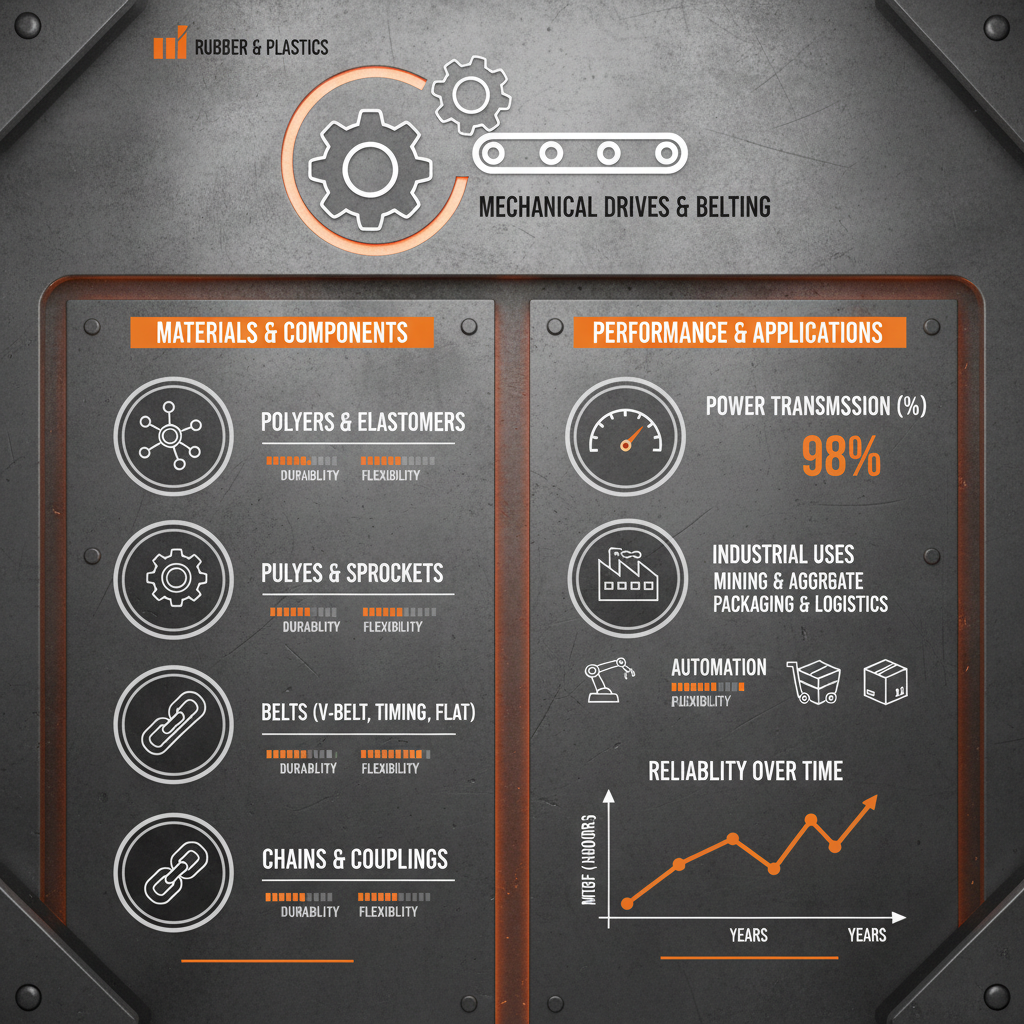
Investing in a well-designed and maintained mechanical drive & belting system yields significant benefits. These include increased efficiency, reduced energy consumption, minimized downtime, extended equipment lifespan, and improved safety. Regularly inspecting belts for wear and tear, ensuring proper tension, and promptly replacing worn components can prevent costly breakdowns. HawkBelt offers preventative maintenance services to help you maximize the performance and reliability of your systems.
Choosing the Right Partner for Your Mechanical Drive Needs
Selecting a reliable supplier of mechanical drives & belting is crucial for long-term success. Look for a company with a proven track record, a wide range of products, expert technical support, and a commitment to quality. HawkBelt is dedicated to providing innovative and cost-effective solutions to meet your specific power transmission needs. We pride ourselves on our expertise, exceptional customer service, and ability to deliver results.
Conclusion: Powering Your Operations with Reliability and Efficiency
Selecting the right mechanical drives & belting is a critical decision that impacts operational efficiency, reliability, and cost-effectiveness. HawkBelt offers a comprehensive range of products and services to help you optimize your power transmission systems. Contact us today to discuss your specific requirements and discover how we can help you achieve peak performance.
Frequently Asked Questions (FAQs)
What factors should I consider when selecting a belt material?
Several factors influence belt material selection. These include operating temperature, exposure to oils and chemicals, load requirements, and desired flexibility. For high-temperature applications, heat-resistant materials like HNBR are recommended. If exposure to oil is a concern, select a belt with oil-resistant compounds. For heavy loads, reinforced belts with higher tensile strength are essential. Consider the specific operating environment and choose a material that can withstand the conditions to ensure optimal performance and longevity.
How often should I inspect my belts and pulleys?
Regular inspections are vital for maintaining optimal system performance and preventing failures. Inspect belts monthly for cracks, wear, fraying, and proper tension. Check pulleys for wear, damage, and alignment. Look for signs of oil or chemical contamination. A proactive inspection schedule allows you to identify and address potential problems before they lead to costly downtime. We recommend keeping a log of inspections and maintenance activities.
What are the signs that a belt needs to be replaced?
Several indicators suggest a belt needs replacement. These include visible cracks, significant wear, fraying edges, glazing (a shiny appearance due to friction), and loss of tension. If the belt is slipping, making excessive noise, or exhibiting reduced performance, it's likely time for a replacement. Ignoring these signs can lead to system failure and potentially damage other components. HawkBelt offers a wide selection of replacement belts to ensure a quick and easy solution.
What is the importance of proper belt tension?
Correct belt tension is crucial for optimal performance and longevity. Too little tension results in slippage, reducing power transmission efficiency and causing excessive wear. Too much tension puts undue stress on the belt and bearings, leading to premature failure. Proper tension ensures efficient power transfer, minimizes wear, and extends the lifespan of the entire system. Tension should be checked and adjusted periodically according to the manufacturer's recommendations.
-
Comprehensive Guide to Selecting High Performance drive belts
NewsApr.16,2026
-
Guide to Choosing the Right Fan Belt for Car Performance
NewsApr.09,2026
-
Understanding and Maintaining Your Vehicle's Serpentine Belt for Optimal Performance
NewsApr.07,2026
-
Choosing the Right Steering Belt for Optimal Vehicle Performance and Safety
NewsApr.04,2026
-
Understanding the Serpentine Belt for Optimal Vehicle Performance
NewsMar.31,2026
-
Comprehensive Guide to Understanding Your Fan Belt Car and Maintenance
NewsMar.28,2026