

Sep . 12, 2025 08:40 Back to list
High-Performance Custom Drive Belts - Engineered for Your Needs
Introduction to Custom Drive Belts: Precision Engineering for Critical Applications
In complex industrial and automotive systems, the efficiency and reliability of power transmission are paramount. Standardized belts often fall short when confronted with unique operational parameters, extreme environments, or specialized machinery. This is where custom drive belts become indispensable. Engineered to precise specifications, these belts are designed to optimize performance, extend service life, and ensure operational continuity in the most demanding scenarios. From specialized material compositions to unique tooth profiles and load-bearing capacities, custom solutions address the specific needs that off-the-shelf products cannot.
This article delves into the intricacies of custom drive belt technology, covering their manufacturing processes, technical advantages, diverse application scenarios, and the rigorous standards that underpin their quality. We will explore how these tailored solutions contribute significantly to operational efficiency and cost-effectiveness across various sectors, highlighting the expertise, authoritativeness, and trustworthiness required in their production and deployment.
Industry Trends and Market Demands for Advanced Drive Belts
The industrial landscape is continuously evolving, driven by demands for higher efficiency, reduced downtime, and lower maintenance costs. This has fueled a significant trend towards specialized power transmission components. Industries are moving beyond generic solutions, seeking custom drive belts that offer superior performance characteristics tailored to specific machinery and environmental conditions. There's a growing emphasis on materials that can withstand extreme temperatures, corrosive chemicals, and heavy shock loads, alongside designs that reduce noise and vibration.
The market for high performance serpentine belt and performance serpentine belt solutions, for instance, is expanding rapidly, particularly in sectors requiring compact, multi-ribbed designs for auxiliary systems in automotive and heavy machinery. Simultaneously, the demand for truly customized o ring drive belts for precision instruments and specialized conveying systems is also on the rise. Sustainability is another key driver, pushing manufacturers to develop belts with longer service lives and more environmentally friendly production methods. Digitalization and predictive maintenance are also influencing belt design, with future trends potentially incorporating embedded sensors for real-time performance monitoring.
The Manufacturing Process of Custom Drive Belts
The production of custom drive belts is a sophisticated process involving advanced materials science and precision engineering. Unlike standard belts, custom solutions often require specialized tooling and a rigorous quality control framework. The core principle involves building the belt layer by layer to achieve desired mechanical properties.
Process Flow: From Design to Final Product
- Design and Engineering (CAD/CAE): This initial stage involves detailed analysis of application requirements, including power transmission needs, speed, temperature, chemical exposure, and physical dimensions. Advanced CAD/CAE software is used to design the belt profile, cord placement, and material selection, ensuring optimal stress distribution and performance.
-
Material Preparation:
- Elastomer Compounding: Raw polymers (e.g., EPDM, HNBR, Neoprene) are mixed with curing agents, fillers (carbon black, silica), plasticizers, and anti-degradants to achieve specific properties like abrasion resistance, flexibility, and heat resistance.
- Cord Treatment: High-strength tensile cords (e.g., fiberglass, aramid, polyester) are twisted, plied, and treated with adhesion promoters to ensure strong bonding with the rubber matrix. This is crucial for load-bearing capacity and fatigue resistance.
- Building and Molding (Layering/Casting): The prepared materials are assembled. The tensile cords are spirally wound under tension onto a mandrel. Layers of compounded elastomer are then applied, often using extrusion or calendering techniques, to form the belt body. For specific profiles, the entire assembly is placed into a mold (casting) and then subjected to heat and pressure.
- Vulcanization (Curing): The assembled belt is heated in a press or oven under specific temperature and pressure profiles. This chemical process cross-links the polymer chains, transforming the soft, plastic rubber into a durable, elastic material with its final mechanical properties. Precise control of curing time and temperature is critical.
- Finishing and Trimming: After vulcanization, the continuous belt sleeve is removed from the mandrel. It is then accurately cut to the specified width and length using precision cutting machinery, sometimes involving CNC machining for intricate profiles. Any flash or excess material is trimmed.
- Quality Control and Testing: Each batch of custom drive belts undergoes stringent quality checks. This includes dimensional inspection, hardness testing, tensile strength tests, fatigue life testing, and specialized dynamic performance tests to simulate real-world conditions. Adherence to standards like ISO 9001 and industry-specific benchmarks (e.g., ANSI/RMA) is non-negotiable.
This meticulous process ensures that each custom belt delivers superior service life and optimal performance, especially in target industries such as petrochemical, metallurgy, and water supply & drainage, where advantages like energy saving and corrosion resistance are critical.
Technical Specifications and Performance Parameters
The performance of custom drive belts is defined by a comprehensive set of technical specifications, each critical for ensuring proper function and longevity in its intended application. These parameters are rigorously tested and verified against industry standards.
Typical Product Specification Table (Example: PK Belt for Mercedes Benz)
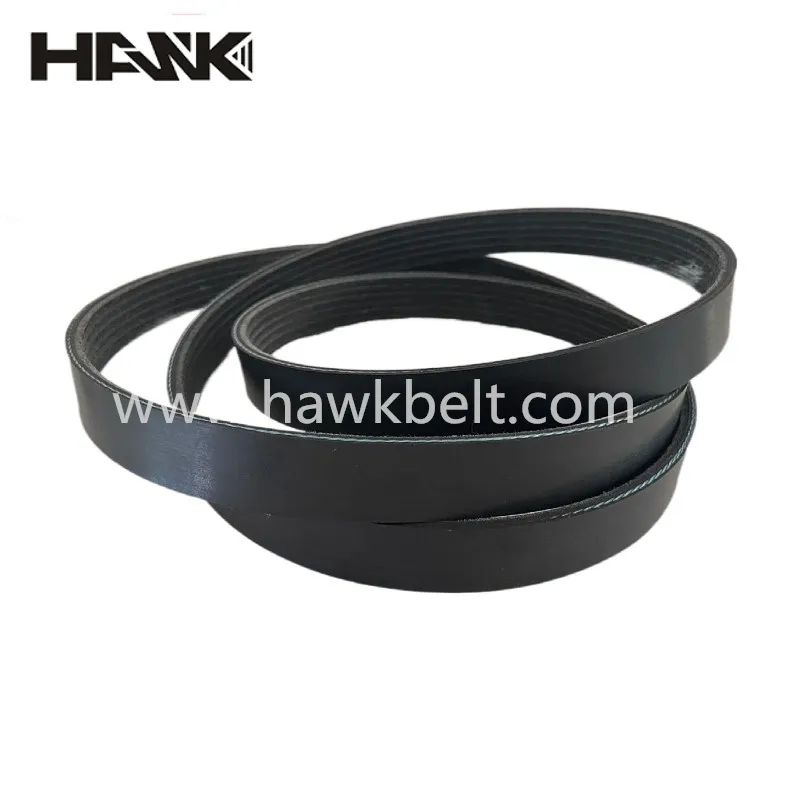
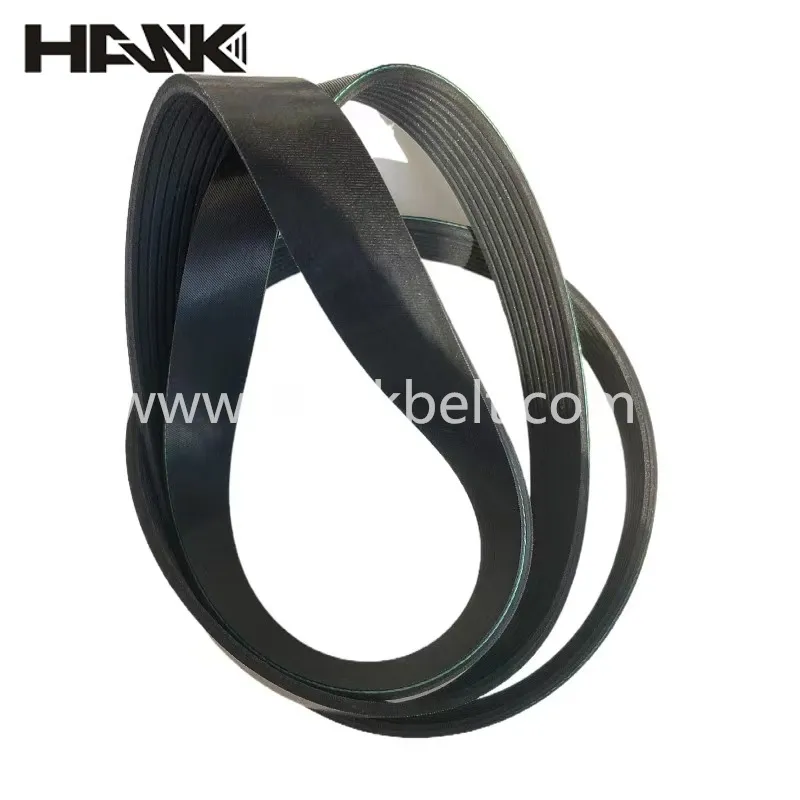
As an example of precision engineering, consider the "German Car Parts PK BELT Manufacturer 0119974792 6PK2160 6PK2170 For Mercedes Benz" product. This oem serpentine belt is engineered to meet the exact specifications of Mercedes-Benz vehicles, ensuring optimal power transfer for auxiliary systems.
Advanced Technical Advantages of Custom Drive Belts
The principal advantage of custom drive belts lies in their ability to precisely match application requirements, overcoming limitations inherent in standard products. This translates into several tangible benefits for industrial operations.
- Optimized Power Transmission: Custom designs ensure maximum grip and minimal slip, leading to highly efficient power transfer and reduced energy losses. This is critical for machinery where even small inefficiencies can accumulate into significant operational costs.
- Extended Service Life: By selecting specific materials and constructions tailored to the operating environment (e.g., high heat, abrasive particles, chemical exposure), custom belts exhibit superior resistance to wear, fatigue, and degradation, significantly extending their operational lifespan.
- Enhanced Durability & Reliability: Tailored cord types (e.g., aramid for high impact, fiberglass for stability) and specialized rubber compounds provide exceptional resistance to shock loads, vibration, and continuous heavy-duty cycles, reducing the risk of premature failure.
- Corrosion and Chemical Resistance: In environments exposed to acids, alkalis, oils, or solvents, custom belts can be formulated with highly resistant elastomers (e.g., FKM, HNBR), preventing material degradation and maintaining performance integrity.
- Reduced Noise and Vibration: Precision manufacturing and optimized tooth profiles (for synchronous belts) or rib designs (for V-ribbed belts) minimize harmonic vibrations and noise generation, contributing to a quieter and more stable operating environment.
- Temperature Extremes: Custom formulations can operate effectively in extreme temperatures, from cryogenic applications to high-heat zones in industrial furnaces or engine compartments, maintaining flexibility and structural integrity.
Application Scenarios and Industry Impact
The versatility of custom drive belts makes them essential across a multitude of industries where standard solutions simply cannot meet the rigorous demands. Their tailored nature ensures optimal performance in niche and high-stress applications.
- Petrochemical Industry: Here, belts must withstand exposure to corrosive chemicals, high temperatures, and flammable atmospheres. Custom HNBR or FKM belts provide the necessary chemical resistance and static conductivity to prevent ignition risks, ensuring safety and operational continuity in pumps, compressors, and mixing equipment.
- Metallurgy and Heavy Manufacturing: Conveyor systems, rolling mills, and processing machinery in metallurgy face extreme heat, heavy shock loads, and abrasive dust. Custom belts with high-strength aramid cords and robust rubber compounds are designed to handle these conditions, offering superior tensile strength and wear resistance, leading to significantly reduced downtime.
- Water Supply & Drainage: Pumps, filtration systems, and large blowers in water treatment plants require reliable power transmission in humid and sometimes corrosive environments. Custom EPDM belts offer excellent ozone and water resistance, ensuring long service life and consistent performance, contributing to energy saving in continuous operation.
- Food and Beverage Processing: In sterile environments, belts must be FDA-approved, non-toxic, and resistant to cleaning agents. Custom PU or silicone belts provide these properties, ensuring hygienic operation of conveyor belts and processing machinery, without compromising product safety.
- Automotive (OEM & Aftermarket): For specialized engine designs or accessory drives, a high performance serpentine belt is custom-engineered to precise lengths and rib counts, using advanced EPDM compounds for longevity and resistance to engine bay heat, oils, and vibrations. This ensures optimal function of alternators, power steering pumps, and AC compressors.
Customized Solutions and Design Flexibility
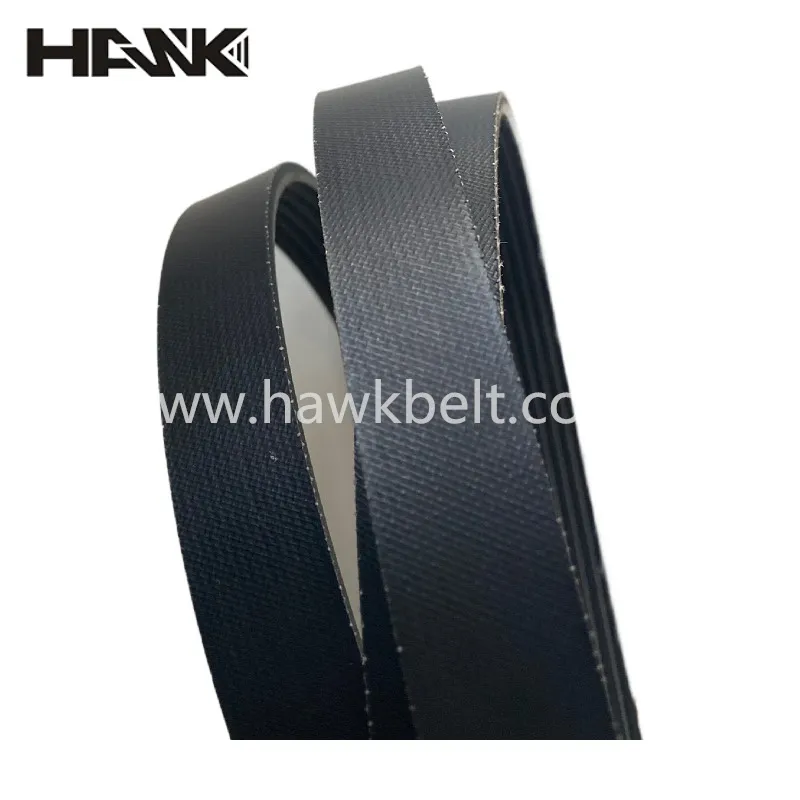
The true value of custom drive belts lies in their unparalleled design flexibility. Manufacturers work closely with clients to develop solutions that perfectly integrate with unique machinery and operational demands. This collaborative approach ensures that every aspect of the belt, from its physical dimensions to its chemical resistance, is optimized.
Key Aspects of Customization:
- Specific Dimensions: Tailored lengths, widths, and thicknesses to fit non-standard pulley systems or confined spaces. This includes precise pitch for synchronous applications.
- Material Selection: Choice of rubber compounds (e.g., EPDM, HNBR, Neoprene, Polyurethane, Silicone) and tension members (e.g., fiberglass, steel, aramid, polyester) based on environmental factors, load, and speed requirements.
- Profile and Tooth Design: For synchronous belts, custom tooth profiles (e.g., HTD, STD, GT) or modifications to existing profiles can optimize engagement, reduce backlash, and minimize noise. For V-belts or multi-ribbed belts, the rib count and angle can be adjusted for specific pulley configurations.
- Specialty Coatings/Surfaces: Coatings for enhanced grip, reduced friction, or added resistance to abrasion or chemicals. Custom backings can be applied for conveying applications.
- Integration of Features: Inclusion of features like perforations for vacuum, cleats for conveying, or specific bonding interfaces for unique applications.
Vendor Comparison and Selection Criteria
Choosing the right manufacturer for custom drive belts is a critical decision that impacts long-term operational efficiency and cost. A thorough vendor comparison should extend beyond mere price, focusing on capabilities, quality, and support.
For critical applications, partnering with a manufacturer that possesses deep engineering expertise, extensive material knowledge, and a commitment to rigorous quality control is paramount. Companies like the producers of the German Car Parts PK BELT for Mercedes Benz exemplify the level of precision and quality required for specialized OEM components.

Real-World Application Case Studies
The effectiveness of custom drive belts is best illustrated through real-world applications where they have provided significant operational improvements.
Case Study 1: High-Temperature Conveyor in Steel Manufacturing
A steel mill faced recurring failures of standard conveyor belts due to extreme radiant heat and abrasive scale. The belts were frequently replaced, leading to significant downtime and maintenance costs. A custom solution was engineered using a high-temperature resistant FKM elastomer and specialized aramid tension members. The belt was designed with a unique surface pattern to reduce material build-up.
- Result: Belt service life increased from 3 months to over 18 months, reducing unscheduled downtime by 85% and saving an estimated $250,000 annually in replacement and labor costs.
Case Study 2: Chemical Processing Plant Pump Drive
A pump in a chemical processing plant, handling highly corrosive acids, experienced frequent breakdowns of its standard V-belt drive due to chemical degradation and loss of tension. A custom o ring drive belts variant was developed using a chemically inert PTFE-coated elastomer with a reinforced core. The design focused on minimal surface exposure and high resilience.
- Result: The custom belt eliminated chemical-induced failures, extending mean time between failures (MTBF) by 400% and ensuring consistent operation in a critical safety area.
Case Study 3: Precision Robotics for Assembly Line
An advanced robotics firm required extremely precise, low-noise power transmission for an assembly line robot. Standard synchronous belts introduced unacceptable levels of vibration and backlash. A custom-designed synchronous belt with a unique tooth profile and high-modulus aramid cords, manufactured to exceptionally tight tolerances, was implemented.
- Result: The custom belt reduced vibration by 30% and backlash by 60%, leading to improved robotic accuracy, reduced product rejection rates, and a quieter factory environment.
Ensuring Quality, Trustworthiness, and Support
For B2B buyers, the decision to invest in custom drive belts is underpinned by the trustworthiness and reliability of the supplier. This is established through transparent processes, verifiable certifications, and robust customer support.
Authoritative Certifications & Standards
Reputable manufacturers adhere to internationally recognized quality and environmental management standards. These include:
- ISO 9001: Demonstrates a robust quality management system, ensuring consistent product quality and customer satisfaction.
- ISO/TS 16949 (now IATF 16949): Specific to the automotive industry, ensuring the highest standards for oem serpentine belt and related components.
- ANSI/RMA Standards: Adherence to Rubber Manufacturers Association (RMA) standards for belt dimensions, testing, and performance ensures industry best practices.
- FDA Compliance: For food-grade applications, specific belt materials and manufacturing processes must comply with FDA regulations for direct food contact.
Frequently Asked Questions (FAQ)
Q1: What information do I need to provide for a custom belt quote?
A1: Key information includes application details (machine type, environment), power requirements (HP/kW), speed (RPM), pulley diameters, desired belt profile, operating temperatures, chemical exposure, and any specific certifications or material preferences.
Q2: What is the typical lead time for custom drive belts?
A2: Lead times vary significantly based on complexity, material availability, and order volume. Prototype development can take 4-8 weeks, while production runs typically range from 6-12 weeks after design finalization. Expedited options may be available for critical needs.
Q3: What kind of warranty is offered on custom belts?
A3: Manufacturers typically offer a warranty against defects in material and workmanship, often ranging from 12 to 24 months, depending on the application and product type. Specific terms are provided with each quote.
Q4: Can you assist with installation or provide maintenance guidelines?
A4: Yes, reputable manufacturers provide comprehensive technical support, including detailed installation guides, tensioning specifications, and maintenance recommendations to ensure optimal performance and longevity of your custom belts.
Customer Support and After-Sales Service
Beyond initial delivery, strong customer support is crucial. This includes:
- Technical Consultation: Ongoing access to engineering teams for performance queries or modifications.
- Failure Analysis: Services to investigate unexpected belt failures and provide corrective actions.
- Logistics Support: Efficient order fulfillment, global shipping, and supply chain management to minimize lead times for repeat orders.
Conclusion
The deployment of custom drive belts represents a strategic investment for industries facing unique operational challenges. By moving beyond generic solutions, businesses can achieve unparalleled levels of efficiency, reliability, and longevity in their power transmission systems. The meticulous manufacturing process, combined with advanced material science and rigorous testing, ensures that these tailored components deliver superior performance even in the most demanding environments. As industrial demands continue to evolve, the ability to engineer bespoke belt solutions will remain a cornerstone of operational excellence and competitive advantage. Partnering with a specialist manufacturer offers not just a product, but a comprehensive solution backed by expertise, authoritative standards, and unwavering trustworthiness.
References
- ISO (International Organization for Standardization). ISO 9001:2015 - Quality management systems — Requirements. Retrieved from iso.org.
- Rubber Manufacturers Association (RMA). IP-26: Specifications for Drives — Heavy Duty V-belts. Retrieved from rma.org.
- Food and Drug Administration (FDA). Code of Federal Regulations Title 21 - Food and Drugs. Retrieved from fda.gov.
- SAE International. J1459: Multi-Ribbed Engine Accessory Drive Belt – Metric. Retrieved from sae.org.
- ASTM International. D3767: Standard Practice for Rubber - Measurement of Dimensions. Retrieved from astm.org.
-
Guide to Choosing the Right Fan Belt for Car Performance
NewsApr.09,2026
-
Understanding and Maintaining Your Vehicle's Serpentine Belt for Optimal Performance
NewsApr.07,2026
-
Choosing the Right Steering Belt for Optimal Vehicle Performance and Safety
NewsApr.04,2026
-
Understanding the Serpentine Belt for Optimal Vehicle Performance
NewsMar.31,2026
-
Comprehensive Guide to Understanding Your Fan Belt Car and Maintenance
NewsMar.28,2026
-
Comprehensive Guide to Choosing the Right Fan Belt for Your Truck
NewsMar.26,2026