

Mar . 31, 2026 02:05 Back to list
Understanding the Serpentine Belt for Optimal Vehicle Performance
Understanding the Serpentine Belt: A Comprehensive Guide
The serpentine belt is a vital component of your vehicle's engine, responsible for powering essential systems. Often overlooked until failure, a worn or damaged serpentine belt can lead to significant operational issues. This article dives deep into the function, signs of wear, replacement, and why choosing a high-quality belt from HawkBelt is crucial for your vehicle’s longevity. Understanding this component can save you time, money, and potential breakdowns.
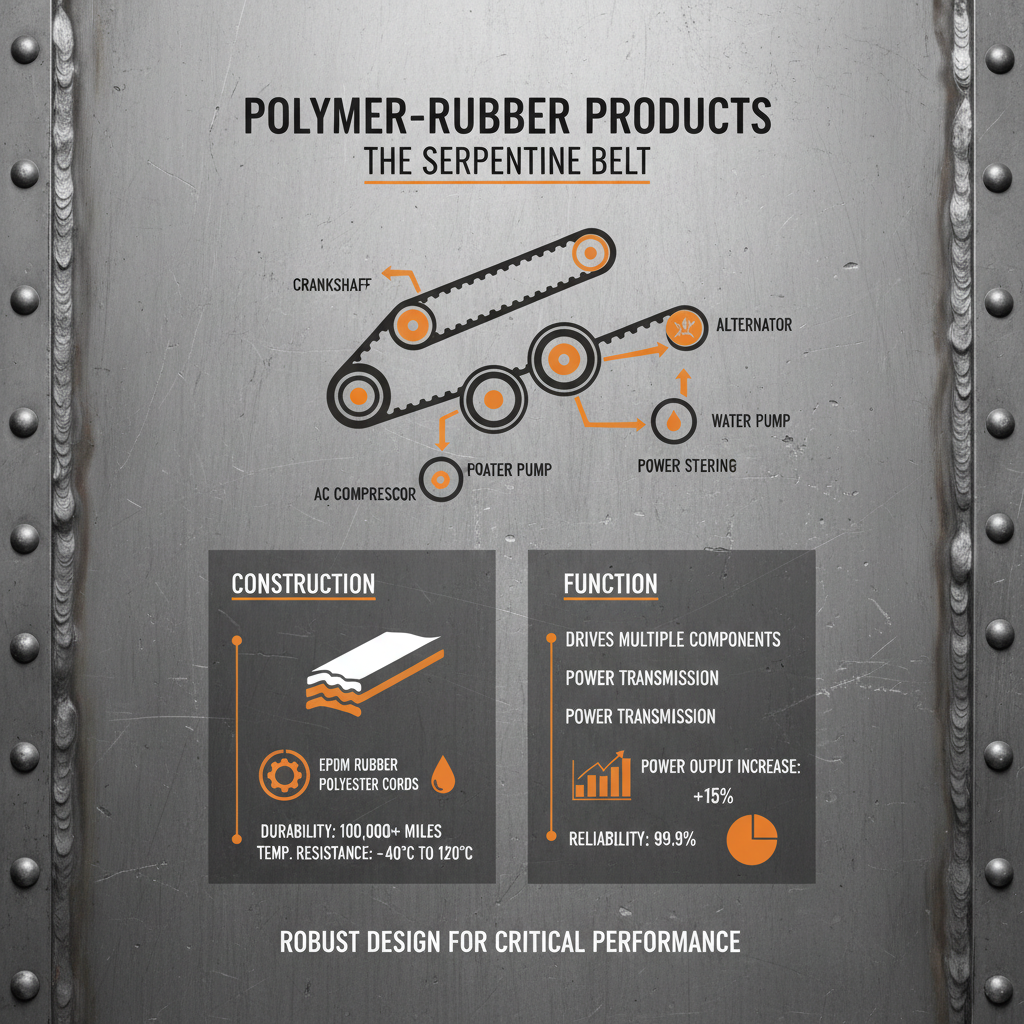
What Does the Serpentine Belt Do?
The serpentine belt, also known as the accessory drive belt, is a single, continuous belt that snakes around various pulleys to drive essential engine components. These components include the alternator (charging the battery), power steering pump, air conditioning compressor, and sometimes the water pump. Its efficient operation is fundamental to ensuring these systems function correctly, ultimately contributing to the overall performance and reliability of your vehicle. A failing serpentine belt can quickly cascade into multiple system failures.
Key Functions: Powers the alternator, power steering pump, AC compressor, and potentially the water pump. Ensures these vital systems operate efficiently.
Recognizing the Signs of a Worn Serpentine Belt
Early detection of serpentine belt wear is critical to prevent unexpected breakdowns. Common signs include visible cracks on the belt’s surface, fraying edges, glazing (a shiny appearance), and a noticeable squealing or chirping sound, especially when starting the engine or turning the steering wheel. Dim headlights, a failing air conditioner, or overheating can also indicate a problem with the serpentine belt or one of the components it drives. Ignoring these signs can lead to a complete belt failure, leaving you stranded.
Common Symptoms:
• Visible cracks or fraying
• Squealing or chirping noises
• Dim headlights or AC malfunction
• Engine overheating
Serpentine Belt Materials: A Comparison
Serpentine belts are typically made from reinforced rubber compounds, but the specific material can vary. Common materials include EPDM (ethylene propylene diene monomer) rubber, which offers excellent heat and crack resistance, and HNBR (hydrogenated nitrile butadiene rubber), known for its superior oil and wear resistance. The quality of the material directly impacts the belt’s lifespan and performance. HawkBelt utilizes premium materials designed for durability and longevity.
The Importance of Choosing a Quality Serpentine Belt
Not all serpentine belts are created equal. Cheap, low-quality belts are prone to premature failure, potentially damaging other engine components. Investing in a high-quality belt from a reputable manufacturer like HawkBelt ensures optimal performance, reliability, and longevity. We use advanced materials and manufacturing processes to deliver a product you can trust. A quality belt is a small investment that can prevent costly repairs down the road.
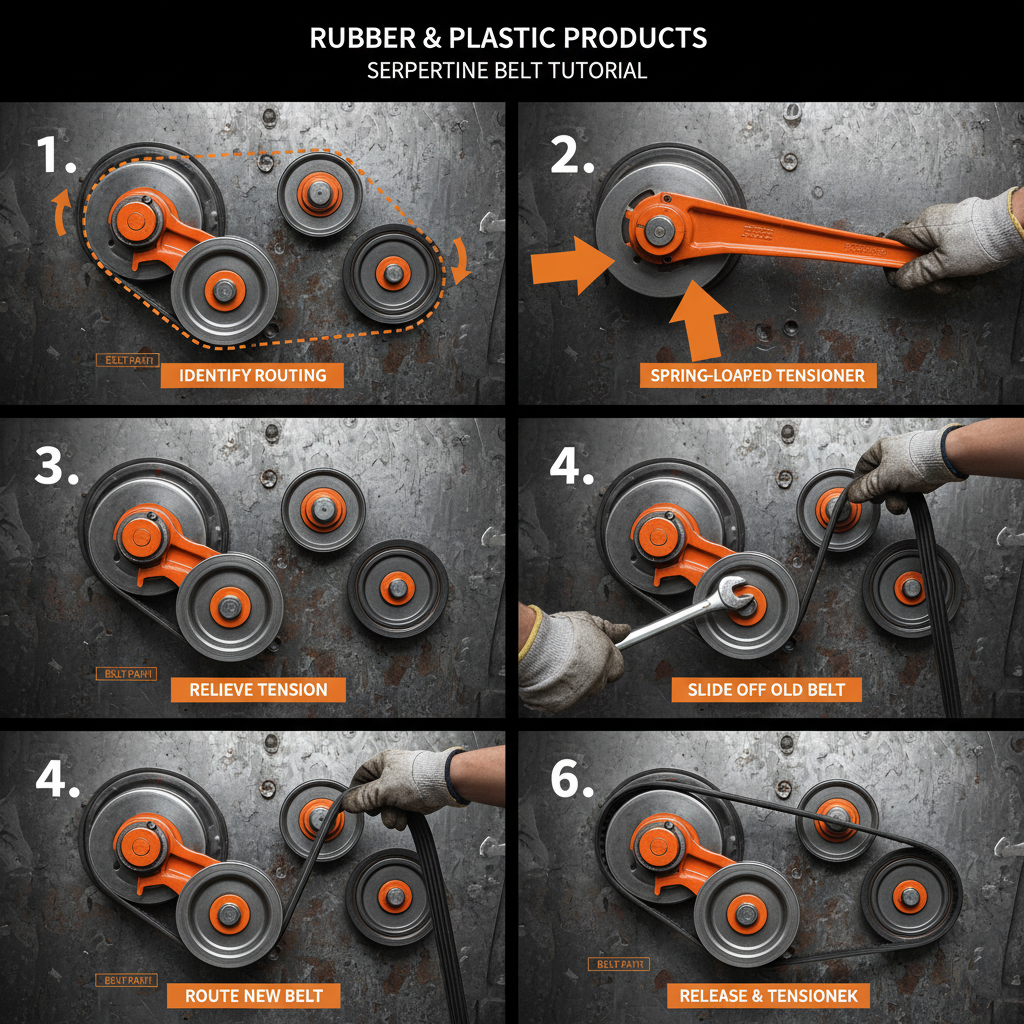
Serpentine Belt Replacement: DIY or Professional?
Replacing a serpentine belt can range from relatively straightforward to complex, depending on the vehicle’s design. While some mechanically inclined individuals can tackle this task themselves, it’s often best left to a qualified mechanic. Improper installation can lead to belt slippage, damage to pulleys, or even engine failure. A professional will ensure the belt is correctly tensioned and routed, guaranteeing optimal performance and preventing future issues. Check out HawkBelt’s resources for helpful information and locating a trusted installer.
Conclusion: Keep Your Engine Running Smoothly with HawkBelt
The serpentine belt is a crucial component for reliable vehicle operation. By understanding its function, recognizing the signs of wear, and choosing a high-quality belt like those offered by HawkBelt, you can ensure your engine runs smoothly for years to come. Don’t wait for a breakdown – proactive maintenance is key!
Frequently Asked Questions (FAQs)
How often should I replace my serpentine belt?
Most manufacturers recommend replacing the serpentine belt every 60,000 to 100,000 miles, or every 3 to 5 years, whichever comes first. However, this can vary depending on driving conditions and the quality of the belt. It’s best to inspect the belt regularly for signs of wear and tear, regardless of mileage. Factors like extreme temperatures, oil contamination, and heavy use can accelerate belt degradation. HawkBelt offers durable belts designed to withstand harsh conditions and extend replacement intervals.
Can a loose serpentine belt cause engine damage?
Yes, a loose serpentine belt can definitely cause engine damage. If the belt is not properly tensioned, it can slip, reducing the efficiency of the components it drives. This can lead to overheating, battery discharge, and power steering failure. Prolonged slippage can also cause the belt to wear prematurely and damage the pulleys it runs on. Ensure your belt is correctly tensioned for optimal performance and to prevent costly repairs.
What are the benefits of using an EPDM serpentine belt?
EPDM rubber serpentine belts offer superior resistance to heat, cracking, and wear compared to traditional rubber belts. They are also more durable and have a longer lifespan, reducing the frequency of replacements. EPDM belts are particularly well-suited for vehicles operating in extreme temperatures or harsh environments. HawkBelt utilizes high-quality EPDM rubber in many of our serpentine belt offerings.
How much does it typically cost to replace a serpentine belt?
The cost of serpentine belt replacement can vary depending on the vehicle make and model, as well as labor rates. Generally, you can expect to pay between $100 and $300 for parts and labor at a professional mechanic. The price of the belt itself typically ranges from $20 to $80, depending on the quality and brand. Choosing a HawkBelt offers a cost-effective solution without compromising on quality.
-
Comprehensive Guide to Selecting High Performance drive belts
NewsApr.16,2026
-
Guide to Choosing the Right Fan Belt for Car Performance
NewsApr.09,2026
-
Understanding and Maintaining Your Vehicle's Serpentine Belt for Optimal Performance
NewsApr.07,2026
-
Choosing the Right Steering Belt for Optimal Vehicle Performance and Safety
NewsApr.04,2026
-
Understanding the Serpentine Belt for Optimal Vehicle Performance
NewsMar.31,2026
-
Comprehensive Guide to Understanding Your Fan Belt Car and Maintenance
NewsMar.28,2026