

Sep . 13, 2025 08:40 Back to list
HTD Timing Belt: High-Performance & Durable Power Transmission
The Critical Role and Evolution of Timing Belts in Industrial Applications
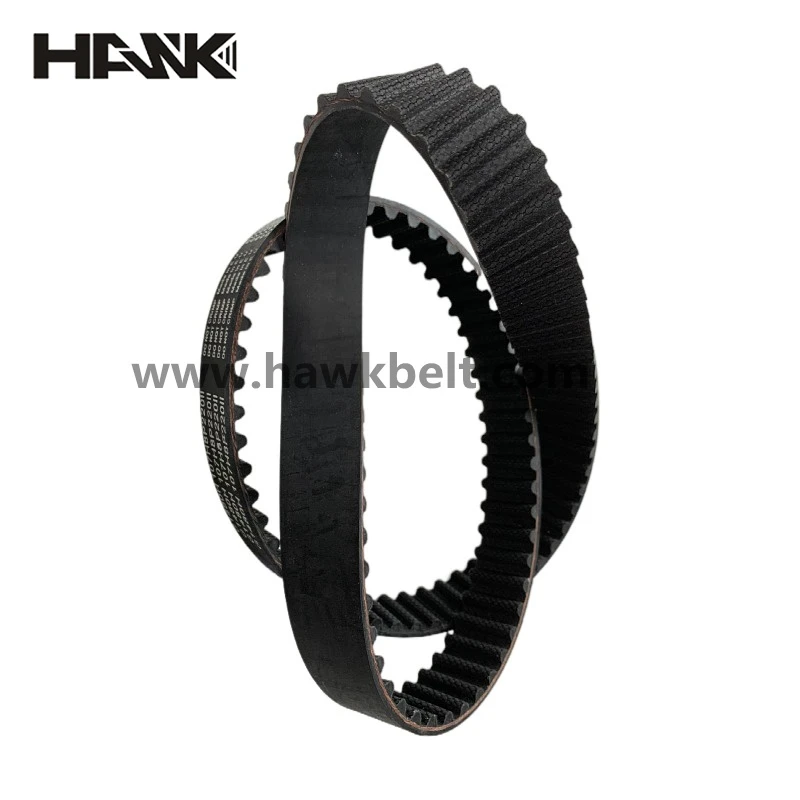
In precision engineering and power transmission systems, the choice of a timing belt is paramount for operational efficiency, longevity, and overall system performance. Among the various types available, the htd timing belt stands out for its high-torque, synchronous power transmission capabilities. Its distinctive curvilinear tooth profile is engineered to provide greater shear strength and improved load distribution, significantly reducing tooth jump and ensuring precise indexing in demanding industrial applications.
This article delves into the technical intricacies, industry trends, and practical applications of these essential components, providing B2B decision-makers and engineers with a comprehensive understanding to optimize their machinery and systems.
Industry Trends and Market Dynamics
The global timing belt market is experiencing steady growth, driven by increasing automation across manufacturing sectors, the rise of electric vehicles, and continuous advancements in materials science. Key trends include the demand for higher power density, reduced noise levels, and extended service life. Innovations are focusing on enhanced composite materials, more precise tooth geometries, and improved manufacturing processes to meet these evolving requirements.
The demand for more compact and efficient drive systems is pushing manufacturers to develop belts that can transmit more power in smaller envelopes. This trend is particularly evident in sectors requiring precise motion control, such as robotics, CNC machinery, and high-speed packaging equipment. Moreover, the emphasis on sustainability and energy efficiency is prompting a shift towards belts with lower friction coefficients, leading to reduced energy consumption in industrial operations.
Technical Specifications and Structure
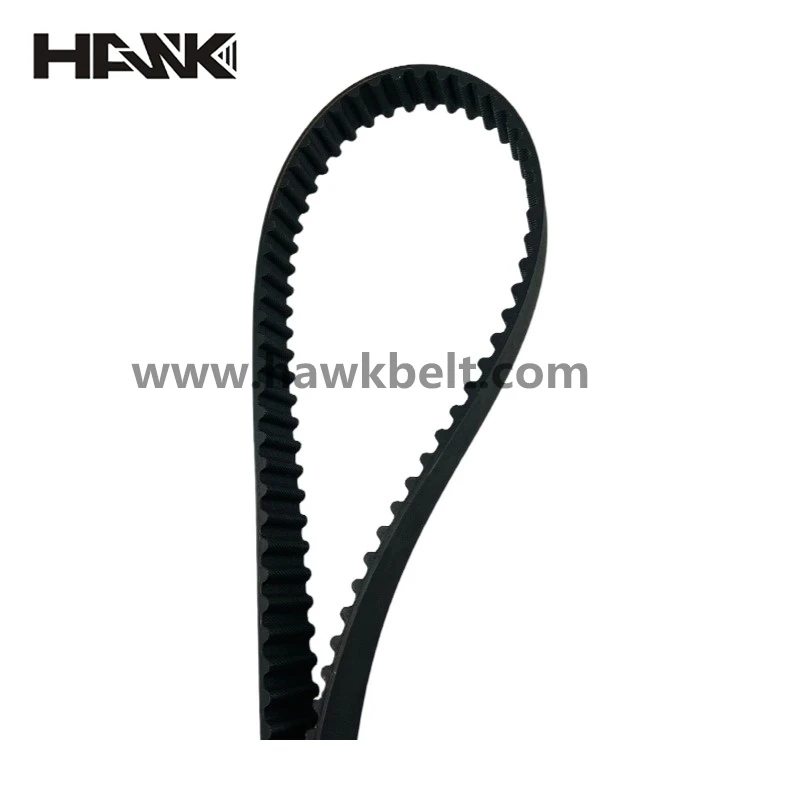
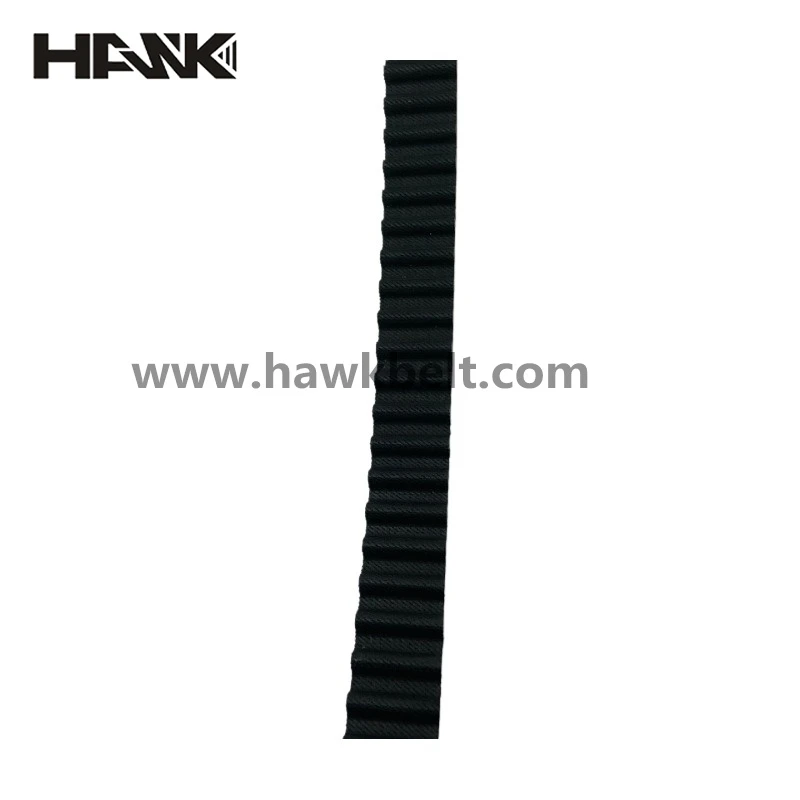
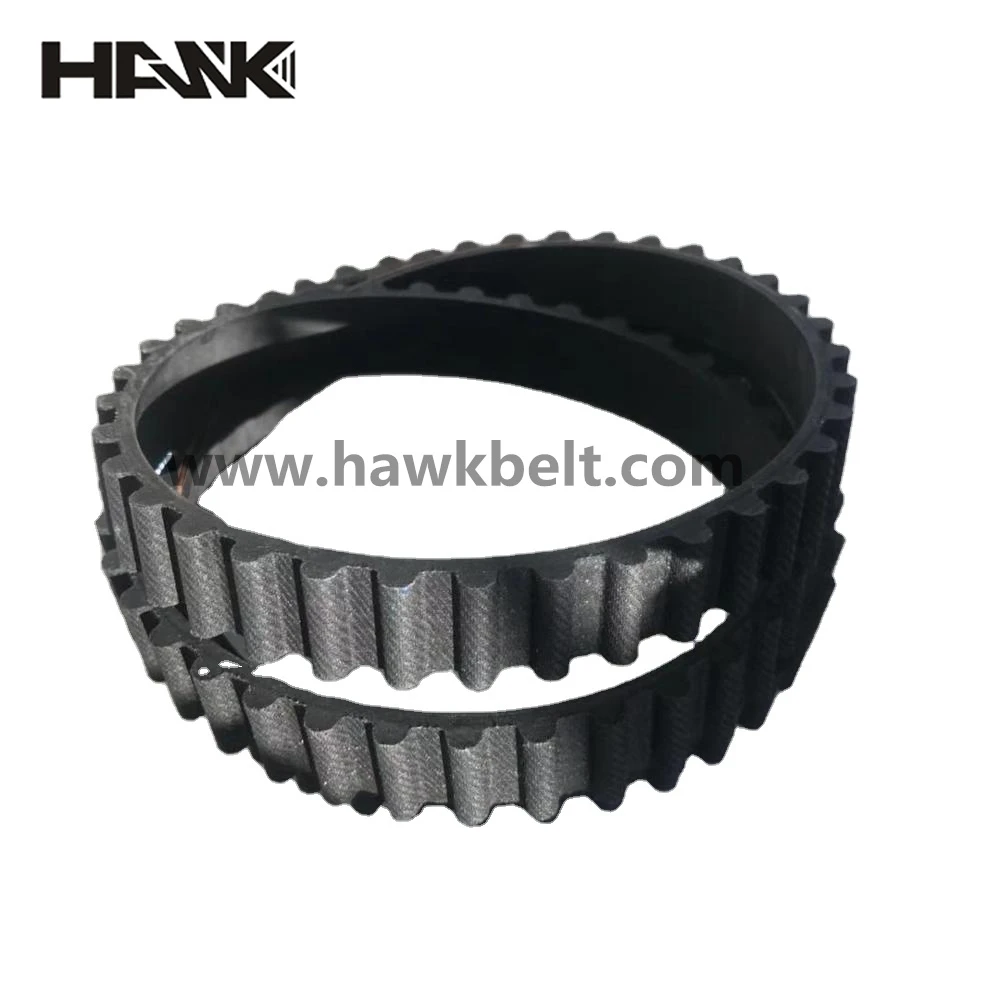
A htd timing belt is characterized by its High Torque Drive (HTD) tooth profile, which is curvilinear. This design provides a larger contact area between the belt teeth and the pulley grooves compared to trapezoidal or older GT profiles, resulting in higher torque capacity and superior resistance to tooth shear. The core components typically include a tension member, rubber or polyurethane body, and a facing fabric.
- Tension Member: Often made of fiberglass, steel, or aramid fibers, providing high tensile strength and dimensional stability to prevent elongation and ensure consistent pitch.
- Body Material: High-grade chloroprene rubber (Neoprene) or polyurethane (PU) offers excellent flexibility, abrasion resistance, and chemical stability. For specific applications like a 5a engine timing belt, heat resistance is paramount.
- Facing Fabric: Typically made of nylon, this fabric covers the teeth to protect them from wear and reduce friction, enhancing durability and efficiency.
Key Parameters for HTD Belts
| Parameter | HTD 3M | HTD 5M | HTD 8M | HTD 14M |
|---|---|---|---|---|
| Pitch (mm) | 3 | 5 | 8 | 14 |
| Min. Teeth in Mesh | 6 | 6 | 6 | 6 |
| Tensile Strength (N/mm belt width, typical) | 150-250 | 300-500 | 700-1200 | 2000-3500 |
| Operating Temp Range (°C) | -30 to +100 | -30 to +100 | -30 to +100 | -30 to +100 |
| Applications | Small robotics, 3D printers | CNC, packaging, general industrial | Heavy industrial, automotive, pumps | Mining, large machinery, power generation |
The Manufacturing Process of a High-Quality HTD Timing Belt
The production of a durable and reliable htd timing belt is a sophisticated process involving precise material selection and advanced manufacturing techniques. Adherence to strict quality control and international standards such as ISO 9001 and ANSI B29.2M is critical at every stage to ensure consistent performance and extended service life.
Schematic Manufacturing Steps:
- Material Preparation: High-grade chloroprene rubber or polyurethane compounds are precisely mixed with reinforcing fibers and chemical additives to achieve desired mechanical properties (e.g., flexibility, wear resistance, heat resistance). Tension members (fiberglass, steel, aramid) are pre-treated for adhesion.
- Extrusion/Casting: The prepared rubber or polyurethane compound is extruded or cast into a cylindrical sleeve. For rubber belts, a calendered sheet is often used. For polyurethane belts, a casting process is common.
- Tension Member Winding: The tension members are precisely wound helically around the cylindrical sleeve or embedded within the cast polyurethane, ensuring uniform tension and pitch line accuracy. This step is critical for preventing elongation and maintaining synchronous operation.
- Tooth Forming (Molding/Grinding): The curvilinear HTD tooth profile is formed. For rubber belts, this typically involves a molding process where the teeth are cured under heat and pressure. For polyurethane belts, teeth can be cast directly or precision-ground using CNC machining after curing.
- Fabric Application: A wear-resistant nylon fabric, pre-treated for adhesion, is applied to the tooth surface. This fabric protects the teeth from abrasion, reduces friction, and enhances quiet operation.
- Curing/Vulcanization: The belt material undergoes a controlled curing or vulcanization process, typically under specific temperature and pressure profiles, to achieve its final mechanical properties and dimensional stability. This step dictates the belt's service life and operational integrity.
- Slitting and Finishing: The cured cylindrical sleeve is precisely slit into individual belts of specified widths using automated cutting equipment. Edges are often finished to prevent fraying and ensure smooth running.
- Quality Control & Testing: Each batch of belts undergoes rigorous testing. This includes dimensional checks (pitch, width, thickness), tensile strength tests, flex fatigue tests, and dynamic running tests to verify service life and performance under simulated operating conditions. Compliance with ISO and ANSI standards is verified.
- Packaging: Finished belts are inspected one last time, labeled, and packaged according to customer specifications, ready for dispatch.
Target industries benefiting from this meticulous process include petrochemical, metallurgy, water supply & drainage, automotive, and general manufacturing. Advantages demonstrated in these scenarios often include energy saving through reduced friction, superior corrosion resistance in harsh environments, and predictable, extended service life.
Technical Advantages and Performance Benchmarks
The distinctive design of the htd timing belt offers several technical advantages over traditional V-belts and even other synchronous belt profiles like the gt2 timing belt or gt3 timing belt in certain high-torque applications.
- High Torque Transmission: The curvilinear tooth profile provides a larger tooth-to-pulley contact area, distributing stress more evenly and significantly increasing torque capacity, especially under high load conditions.
- Precise Synchronization: Unlike friction-dependent V-belts, HTD belts maintain exact speed ratios between shafts, critical for applications requiring precise positioning and indexing (e.g., a 3d printer timing belt).
- Reduced Noise and Vibration: The smooth engagement and disengagement of the HTD tooth profile minimize chordal action, leading to quieter operation and reduced vibration, enhancing machine longevity and operator comfort.
- Extended Service Life: With proper tensioning, HTD belts are highly resistant to wear, fatigue, and tooth shear, translating into longer operational periods and reduced maintenance requirements compared to other belt types.
- Efficiency: Synchronous belts generally offer higher mechanical efficiency (up to 98-99%) compared to V-belts (typically 90-95%), leading to energy savings and lower operating costs.
- Maintenance-Free Operation: HTD belts typically do not require lubrication, reducing maintenance tasks and associated costs.
Performance Comparison: HTD vs. GT2/GT3 Profiles
| Feature | HTD (High Torque Drive) | GT2 / GT3 (High Precision) |
|---|---|---|
| Tooth Profile | Curvilinear (Parabolic) | Modified Curvilinear (Deeper, wider) |
| Torque Capacity | Very High | High (Excellent for precision) |
| Backlash / Precision | Good (Low backlash) | Excellent (Minimal backlash, ideal for indexing) |
| Noise Level | Low | Very Low (Smoother engagement) |
| Typical Applications | Industrial machinery, automotive, heavy-duty drives | 3D printers, robotics, linear motion, small instrumentation |
Application Scenarios and Case Studies
The versatility and robustness of the htd timing belt make it indispensable across a multitude of industries and applications:
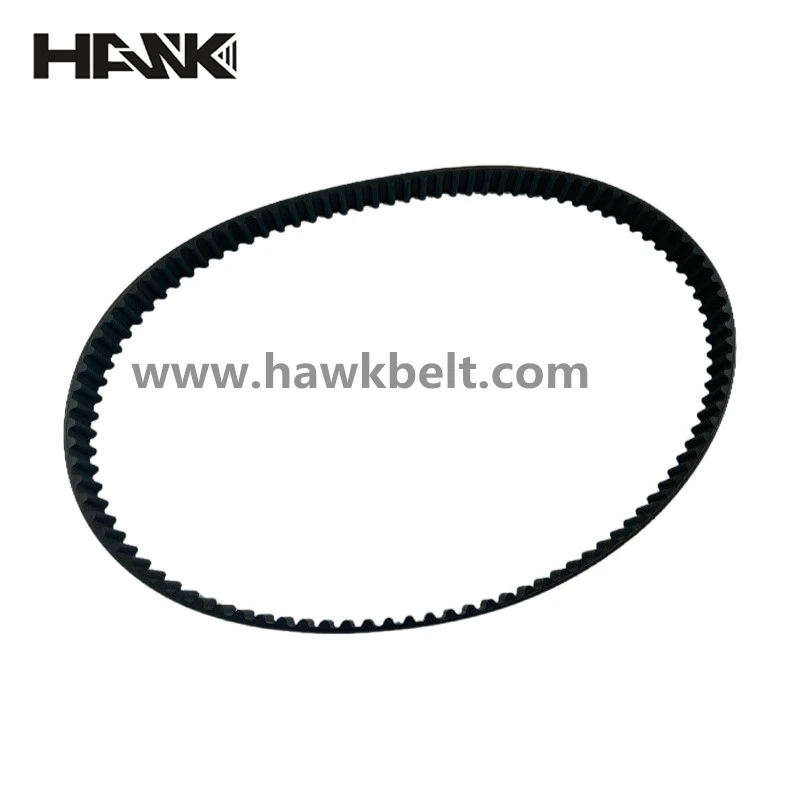
- Automotive Industry: Critical for camshaft timing, oil pump drives, and various auxiliary systems. Our High Quality Timing Belt 5040XS, specifically designed for Renault/Peugeot vehicles, exemplifies reliability in this demanding sector.
- Heavy Industrial Machinery: Used in textile machinery, printing presses, packaging equipment, and material handling systems where high torque and precise synchronization are essential.
- Robotics and Automation: Essential for precise movement and positioning in industrial robots, linear actuators, and automated assembly lines. For applications demanding extreme precision, a gt2 timing belt might be considered, but HTD often provides the necessary balance of torque and accuracy.
- Agricultural Equipment: Powering various components in tractors, harvesters, and other farm machinery.
- Power Tools and Appliances: From industrial drills to high-performance mixers, HTD belts ensure consistent power delivery.
Application Case Study: Automotive Engine Timing
A leading automotive manufacturer approached us with a challenge: to provide a timing belt for their new generation of high-efficiency engines that would offer extended service life and maintain precise valve timing under extreme conditions. Leveraging our expertise, we recommended and supplied our High Quality Timing Belt 5040XS, specifically engineered for Renault/Peugeot platforms. This belt features an advanced rubber compound for enhanced heat and oil resistance, coupled with high-strength fiberglass cords for minimal stretch. After rigorous testing over 100,000 km, the belts demonstrated exceptional durability and maintained valve timing within manufacturer specifications, significantly reducing warranty claims related to belt failure and extending routine service intervals for the 5a engine timing belt system. This partnership resulted in a 15% improvement in engine reliability and customer satisfaction.
Vendor Comparison and Customized Solutions
Selecting the right vendor for your htd timing belt requirements involves assessing more than just product specifications. Key factors include manufacturing capabilities, quality assurance processes, research and development commitment, and customer support. A reliable partner will possess comprehensive certifications (e.g., ISO 9001, IATF 16949 for automotive applications) and a proven track record.
At Hawkbelt, we specialize in providing tailored solutions. Our engineering team works closely with clients to understand specific operational parameters, environmental conditions, and load requirements. This collaborative approach allows us to develop customized HTD belts that precisely match application needs, whether it's adjusting materials for extreme temperatures, incorporating special coatings for chemical resistance, or optimizing tooth profiles for unique pulley designs. This level of customization ensures peak performance and maximizes the return on investment for our clients, distinguishing our offerings from off-the-shelf products.
Ensuring Trust and Reliability: FAQ, Lead Times, and Support
Frequently Asked Questions (FAQ)
Q: What is the typical service life of an HTD timing belt?
A: Service life varies significantly based on application, operating conditions (speed, load, temperature), and maintenance. High-quality HTD belts in well-maintained systems can last tens of thousands of operating hours or several years. Regular inspection and proper tensioning are crucial.
Q: Can HTD belts be used in oily or chemical environments?
A: Standard rubber HTD belts offer some resistance to oil and chemicals. For harsher environments, specialized materials like HNBR rubber or polyurethane with specific additives are recommended to ensure corrosion resistance and maintain performance. We offer tailored material compositions for such conditions.
Q: How do I select the correct HTD belt size and profile for my application?
A: Proper selection requires considering power requirements, speed ratio, center distance, operating environment, and desired service life. Our technical sales team and engineers are available to assist with detailed drive design calculations and recommend the optimal htd timing belt for your specific needs.
Lead Time and Fulfillment
Understanding the urgency of industrial supply chains, we prioritize efficient lead times. For standard HTD timing belts, typical lead times range from 2-4 weeks, depending on order volume and specific product availability. Customized solutions may require 6-10 weeks for design, prototyping, and production. We maintain robust inventory levels and flexible manufacturing schedules to meet demanding project timelines.
Warranty and Customer Support
All our htd timing belt products, including the High Quality Timing Belt 5040XS, come with a comprehensive warranty against manufacturing defects, typically spanning 12 to 24 months from the date of purchase. Our dedicated after-sales support team is available to assist with installation guidelines, troubleshooting, and any performance-related inquiries. We are committed to ensuring customer satisfaction and the long-term reliability of our products.
Conclusion
The htd timing belt remains a cornerstone of synchronous power transmission, offering unparalleled reliability, high torque capacity, and precision across a diverse range of industrial applications. As industries continue to evolve towards greater automation and efficiency, the demand for high-performance timing belts will only increase. Choosing a trusted partner with proven expertise, comprehensive quality control, and a commitment to customized solutions is essential for optimizing machinery performance and ensuring long-term operational success.
References
- Gates Corporation. (n.d.). Power Transmission Products Technical Manual. Retrieved from Gates.com
- ISO 9001:2015 Quality Management Systems – Requirements. International Organization for Standardization.
- American National Standard B29.2M-1982 (R1995) – Dimensioning of Synchronous Belts and Pulleys (Inch Series). American Society of Mechanical Engineers.
- Müller, R., & Delius, R. (2018). Drive Technology Handbook. Springer.
-
Comprehensive Guide to Selecting High Performance drive belts
NewsApr.16,2026
-
Guide to Choosing the Right Fan Belt for Car Performance
NewsApr.09,2026
-
Understanding and Maintaining Your Vehicle's Serpentine Belt for Optimal Performance
NewsApr.07,2026
-
Choosing the Right Steering Belt for Optimal Vehicle Performance and Safety
NewsApr.04,2026
-
Understanding the Serpentine Belt for Optimal Vehicle Performance
NewsMar.31,2026
-
Comprehensive Guide to Understanding Your Fan Belt Car and Maintenance
NewsMar.28,2026