

Mar . 26, 2026 02:05 Back to list
Comprehensive Guide to Choosing the Right Fan Belt for Your Truck
Choosing the Right Fan Belt for Your Truck: A Comprehensive Guide
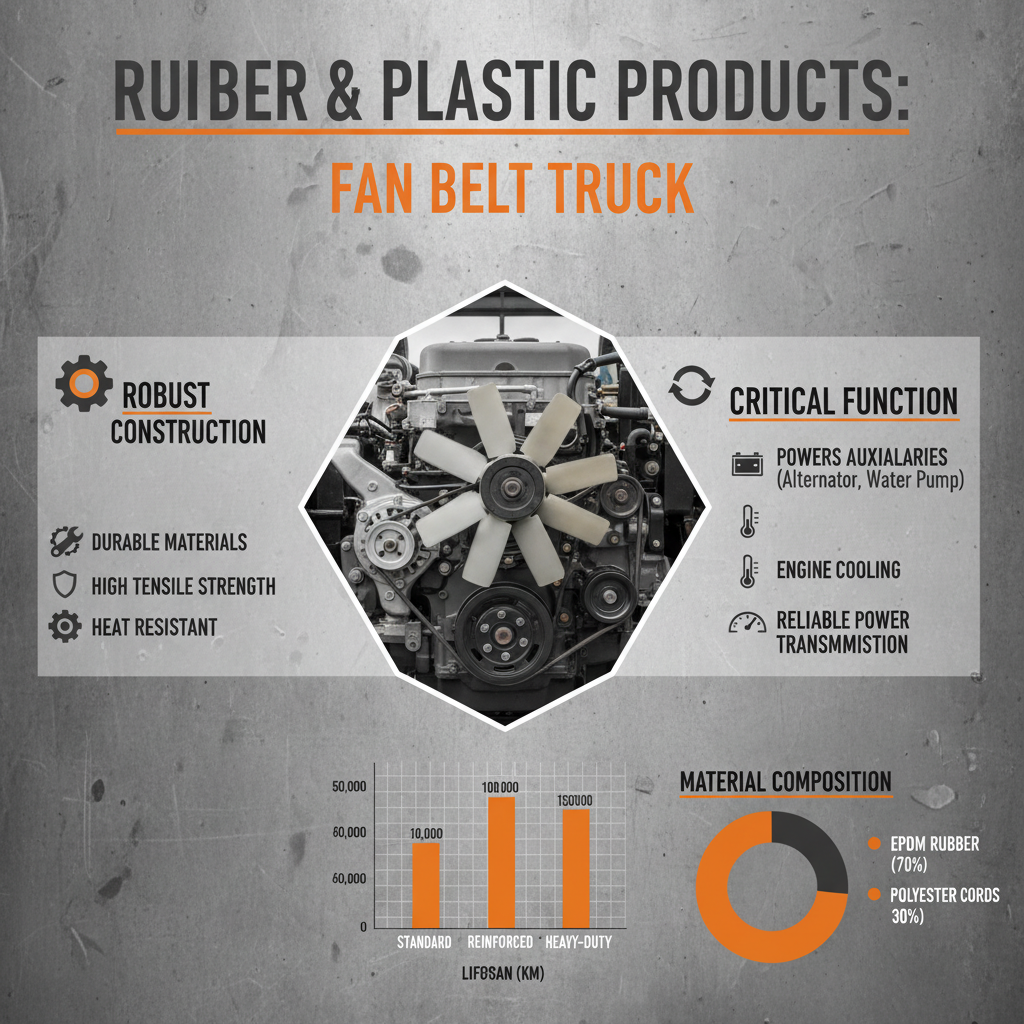
Maintaining your truck’s engine efficiency and preventing breakdowns hinges on using the right fan belt. A failing fan belt can lead to overheating and costly repairs. This guide will explore the critical aspects of selecting, installing, and maintaining fan belts for trucks, ensuring optimal performance and longevity. We’ll cover different types of belts, materials, and how to identify signs of wear and tear. Investing in a quality fan belt from a reputable supplier like HawkBelt is essential for reliable operation.
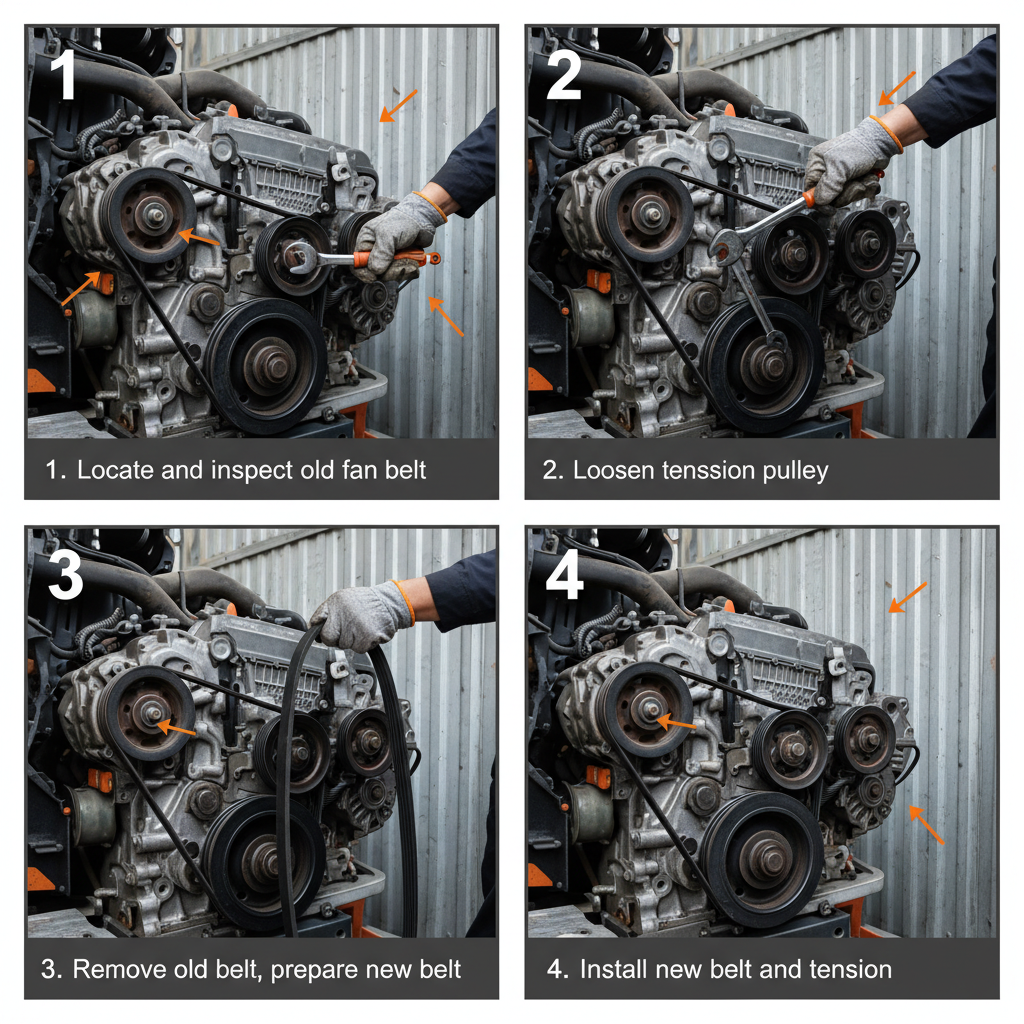
Understanding Different Types of Fan Belts
Truck fan belts come in various types, each suited for specific applications and engine designs. V-belts are the most common, recognized by their trapezoidal cross-section. They’re relatively inexpensive and effective for many trucks. Serpentine belts, or multi-rib belts, are increasingly popular for their ability to drive multiple accessories – including the alternator, power steering pump, and air conditioning compressor – with a single belt. Poly-V belts offer improved grip and reduced slippage compared to traditional V-belts. Selecting the correct type is crucial for maximizing efficiency and preventing premature wear.
Key Takeaway: The correct fan belt type depends on your truck’s engine design and the accessories it needs to power. Consider a serpentine belt for multiple accessory drives and a V-belt for simpler setups.
Material Matters: Comparing Fan Belt Materials
The material of your fan belt significantly affects its durability, resistance to wear, and performance in various conditions. Rubber belts are the most affordable but have a shorter lifespan and are susceptible to cracking and glazing. Ethylene Propylene Diene Monomer (EPDM) rubber belts offer superior heat and ozone resistance, making them ideal for demanding applications. Chloroprene belts provide good resistance to oil and chemicals, while reinforced polyester or aramid cords enhance tensile strength and prevent stretching. HawkBelt specializes in high-quality EPDM belts for long-lasting performance.
Material Comparison:
• Rubber: Economical, shorter lifespan.
• EPDM: Excellent heat and ozone resistance.
• Chloroprene: Good oil and chemical resistance.
• Reinforced Polyester/Aramid: High tensile strength.
Selecting the Correct Fan Belt Size and Specifications
Using the wrong size or specification of fan belt can lead to slippage, overheating, and premature failure. Always refer to your truck’s owner's manual or a reliable parts catalog to determine the correct belt size. Important specifications include the belt length, width, and cross-section (e.g., A, B, C, D for V-belts, or rib pitch for serpentine belts). Ensure the belt is compatible with your engine and accessory configuration. When in doubt, consult with a qualified mechanic or the experts at HawkBelt.
Recognizing Signs of a Worn Fan Belt
Regularly inspecting your fan belt is vital for preventing unexpected breakdowns. Look for signs of cracking, fraying, glazing (a shiny, hardened surface), or missing chunks of material. Also, check for proper tension – a loose belt will slip and generate squealing noises. If you notice any of these issues, replace the belt immediately. A visual inspection combined with a tension check can save you from costly engine damage.
Proper Installation and Maintenance of Your Fan Belt
Correct installation is crucial for maximizing the life of your fan belt. Ensure all pulleys are aligned and free of debris. Use the correct tensioning tool to achieve the recommended belt tension (refer to your truck's service manual). Avoid over-tightening, which can damage pulleys and bearings. Regularly inspect the belt for wear and tear, and replace it proactively. Keeping the pulleys clean and free of grease or oil will also prolong the belt’s lifespan.
Conclusion: Protecting Your Truck with a Reliable Fan Belt
Investing in a high-quality fan belt from HawkBelt is a smart decision for any truck owner. By understanding the different types, materials, and proper maintenance procedures, you can ensure reliable engine performance and avoid costly repairs. Don’t wait for a breakdown – proactively maintain your fan belt and keep your truck running smoothly.
Frequently Asked Questions (FAQs)
How often should I replace my truck's fan belt?
The recommended replacement interval for a fan belt varies depending on driving conditions and the type of belt. Generally, it's advisable to replace your fan belt every 30,000 to 50,000 miles or every 2-3 years, whichever comes first. However, regular inspections are crucial. If you notice any signs of wear and tear, such as cracking, fraying, or glazing, replace the belt immediately, regardless of mileage. Using a high-quality belt from HawkBelt can extend the lifespan, but preventative maintenance is still key.
What causes a fan belt to squeal?
A squealing fan belt typically indicates insufficient tension or a worn/glazed belt. A loose belt slips on the pulleys, creating the squealing sound. Glazing occurs when the belt becomes hardened and loses its grip. In some cases, a misaligned pulley can also cause squealing. Check the belt tension first. If the tension is correct, inspect the belt for wear and tear. If the belt is glazed or damaged, it should be replaced.
Can I use a belt tensioner tool, or is it okay to tighten by hand?
Using a belt tensioner tool is highly recommended. Tightening a fan belt by hand is inaccurate and can lead to either over-tightening (damaging pulleys and bearings) or under-tightening (causing slippage). A belt tensioner tool provides a precise and consistent tension, ensuring optimal performance and belt longevity. These tools are relatively inexpensive and readily available at auto parts stores.
What’s the difference between a V-belt and a serpentine belt?
A V-belt has a trapezoidal cross-section and is typically used to drive a single accessory. A serpentine belt, also known as a multi-rib belt, is wider and has multiple ribs. It can drive several accessories simultaneously, such as the alternator, power steering pump, and air conditioning compressor. Serpentine belts are more efficient and require less maintenance than multiple V-belts. They also take up less space in the engine compartment.
-
Comprehensive Guide to Selecting High Performance drive belts
NewsApr.16,2026
-
Guide to Choosing the Right Fan Belt for Car Performance
NewsApr.09,2026
-
Understanding and Maintaining Your Vehicle's Serpentine Belt for Optimal Performance
NewsApr.07,2026
-
Choosing the Right Steering Belt for Optimal Vehicle Performance and Safety
NewsApr.04,2026
-
Understanding the Serpentine Belt for Optimal Vehicle Performance
NewsMar.31,2026
-
Comprehensive Guide to Understanding Your Fan Belt Car and Maintenance
NewsMar.28,2026