

Oct . 17, 2025 09:25 Back to list
Alternator Fan Belt – Durable, Quiet, OEM-Grade Fit
EPDM PK Belts in 2025: What’s New, What Matters
If your engine squeals on cold starts, the alternator fan belt is often the unsung hero—and occasional villain. I’ve watched the market shift from older CR compounds to long-life EPDM ribs, and, honestly, it’s been a quiet revolution. Start–stop systems, higher under-hood temps, tighter packaging: belts work harder now, yet they last longer. That’s no accident.
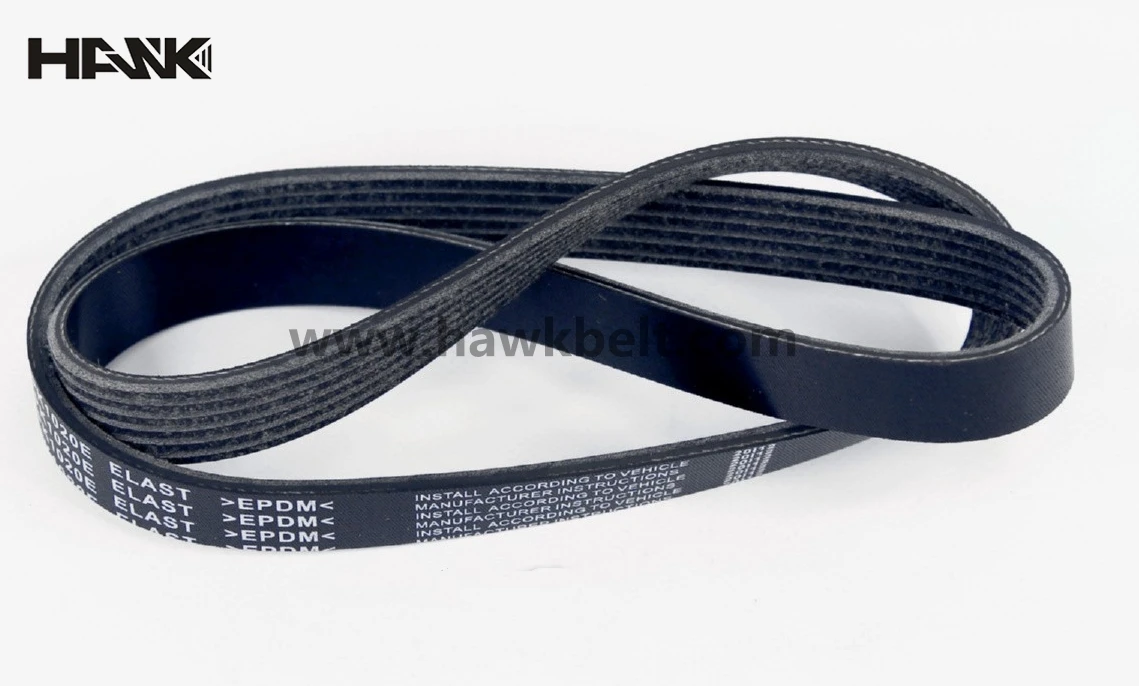
Spotlight Product: High Quality EPDM PK Belt 6PK Series
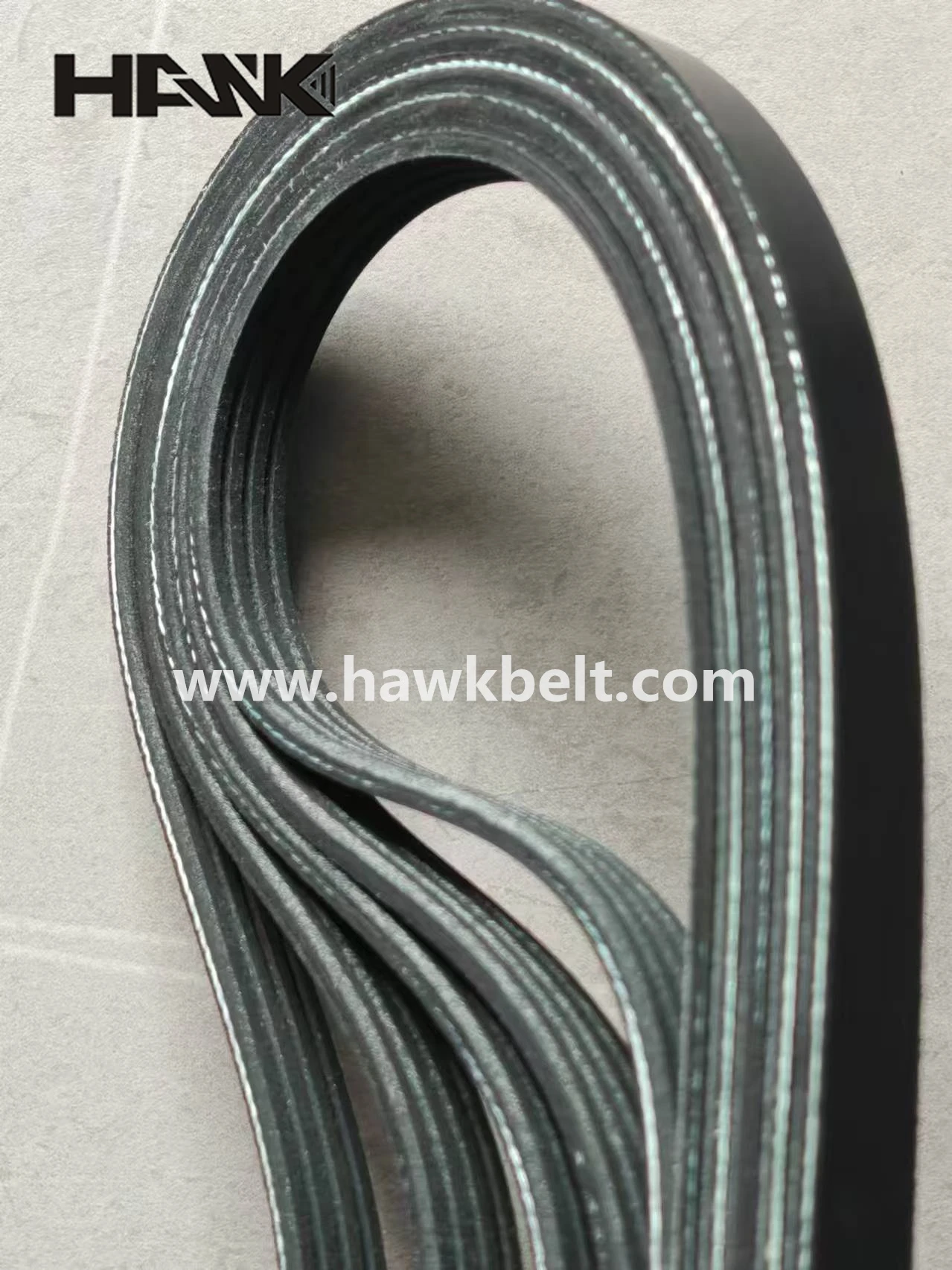
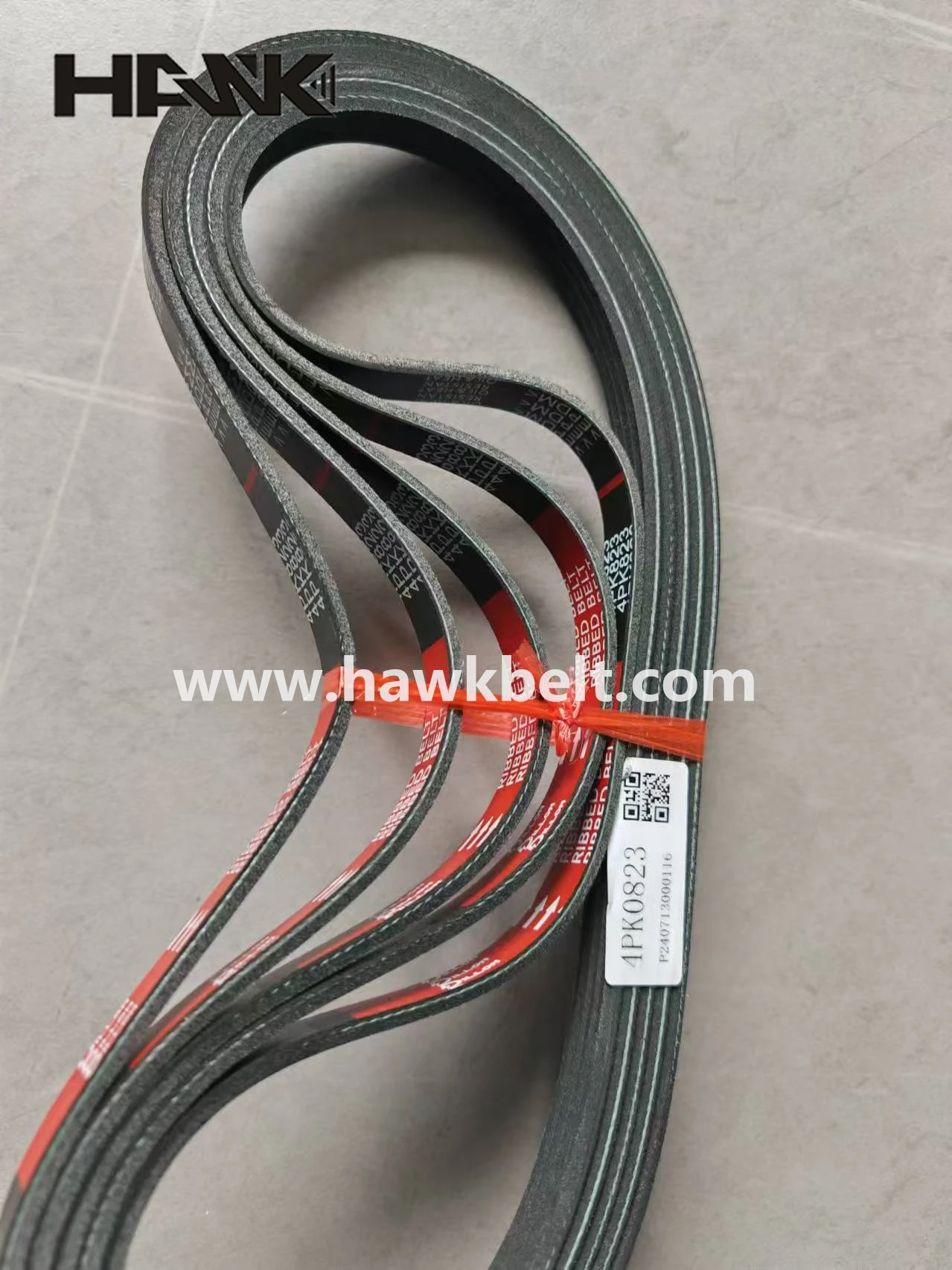
From Renze District, Xingtai City, Hebei (No. 386 Xuyang Avenue), this 6-rib PK series is aimed at Hyundai/Kia/Peugeot/Toyota/Citroën/Mitsubishi applications. Many customers say the EPDM recipe runs quiet after the first few heat cycles—my experience lines up with that.
| Product Name | High Quality EPDM PK Belt (6 ribs): 6PK2552, 6PK1875, 6PK2586, 6PK2056, 6PK2000 |
| OE Reference | 6PK2586 (≈ Length 2586 mm; weight ≈ 0.19 kg) |
| Materials | EPDM ribs, polyester/aramid tensile cord (application-dependent), fiber-reinforced backing |
| Profile | PK, 6 ribs, standard automotive rib pitch per ISO 9982 |
| Temp Range | ≈ −40°C to +120°C (real-world use may vary) |
| Service Life | Often 80,000–120,000 km under normal duty, if pulleys/tensioners are healthy |
| Industries | Passenger cars, light commercial vehicles, small generators, forklifts |
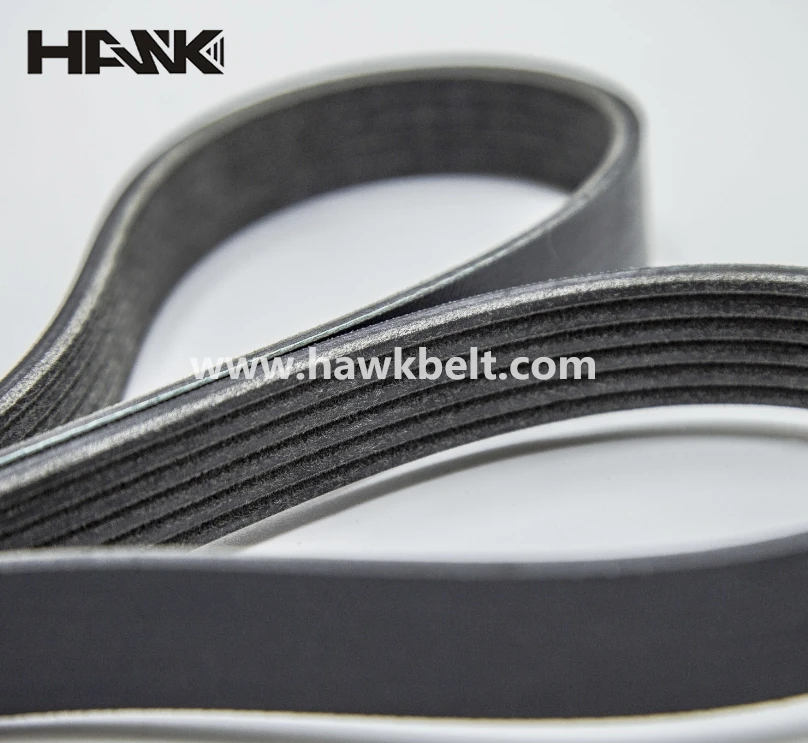
Process & Testing: How It’s Made to Last
Materials: EPDM for heat/ozone resistance, cords for tensile strength, adhesion layers for shear stability. Method: compound mixing → calendering → rib extrusion → wrapping and curing → precision grinding → laser marking. I’ve toured lines like this; the rib finish really matters for noise.
Testing standards typically reference SAE J2432 for accessory drive belts and ISO 9982 for geometry and marking. Typical in-house tests I’ve seen:
- Dynamic fatigue (dynamometer) ≥ 250–300 h at load; thermal cycling −40°C/+110°C.
- Elongation under load ≤ 1.0% after conditioning (≈ values vary by cord).
- NVH: rib slip noise
- Oil/coolant splash: visual cracking/delamination = none after set cycles.
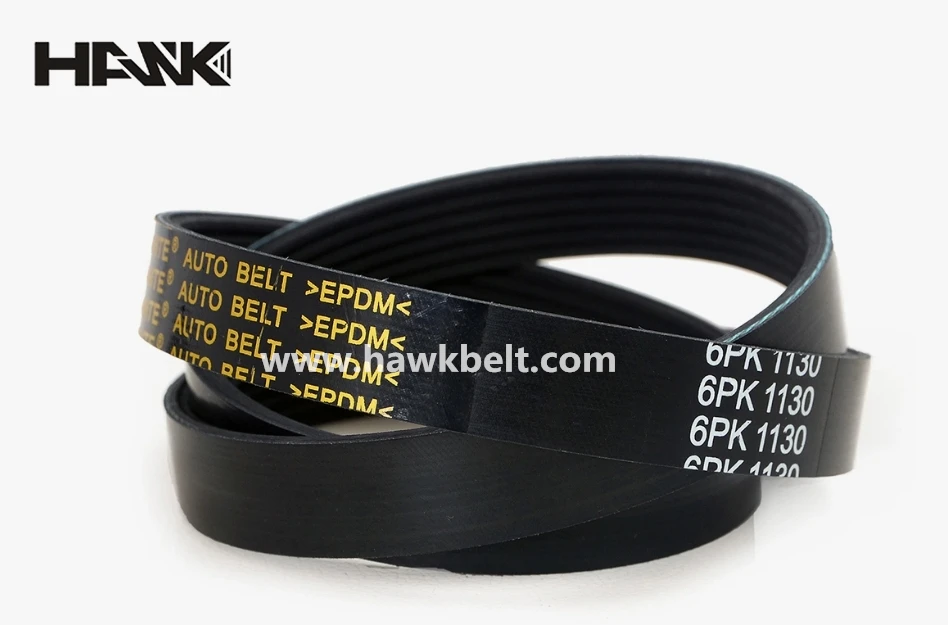
Where It Fits and Why It Helps
In an accessory drive, the alternator fan belt synchronizes alternator, water pump, A/C, and P/S. In stop–go commuting, EPDM’s heat resilience cuts glaze and chirp. Fleet mechanics tell me they prefer a belt that “sets” quickly on used pulleys—this EPDM does, provided tensioners aren’t tired.
Quick case: a taxi fleet (mixed Hyundai/Kia) switched to 6PK2586 where applicable; after 30k km checks, they reported fewer re-tension visits and less cold-start squeal. Not a lab study, but a useful signal.
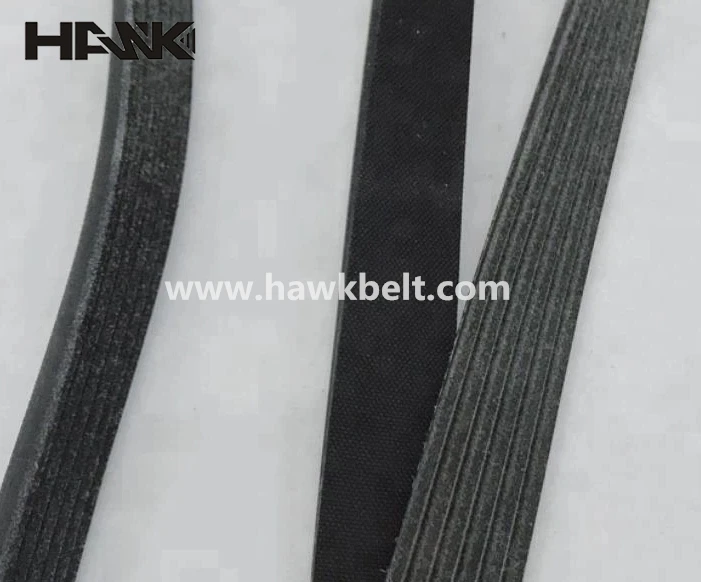
Vendor Snapshot: How This Stacks Up
| Vendor | Compound & Cord | Certs & Lead Time | Customization |
|---|---|---|---|
| Hawkbelt (Xingtai) | EPDM; polyester/aramid options | ISO 9001/IATF 16949 (typ.); 10–25 days ≈ | Length, ribs, print/pack, private label |
| Vendor A (global) | EPDM; aramid on HD lines | IATF 16949; 7–20 days ≈ | Broad, MOQ higher |
| Vendor B (regional) | EPDM baseline | ISO 9001; 15–30 days ≈ | Basic logo/pack only |
Customization & Support
- Lengths: 6PK1875–6PK2586 and beyond; ribs: 4–8 on request.
- Cords: polyester (cost-optimized) or aramid (high-load, high-temp).
- Branding: laser code, private label, carton/barcode sets.
- Docs: material data sheets, PPAP on request, RoHS/REACH statements.
Pro tip: when swapping a alternator fan belt, always inspect pulley grooves and automatic tensioner travel. A fresh belt on a seized idler is… well, short-lived.
Certifications, Standards, and References
Manufacturing typically aligns with ISO 9001 and IATF 16949; dimensional and performance checks benchmarked to ISO 9982 and SAE J2432. That’s the boring bit that quietly prevents warranty headaches.
- SAE J2432: Automotive V-Ribbed Belt (Serpentine) Test Procedure.
- ISO 9982: Rubber belts — V-ribbed belts — Lengths and marking.
- IATF 16949: Automotive Quality Management System Requirements.
- ISO 9001: Quality Management Systems — Requirements.
-
Guide to Choosing the Right Fan Belt for Car Performance
NewsApr.09,2026
-
Understanding and Maintaining Your Vehicle's Serpentine Belt for Optimal Performance
NewsApr.07,2026
-
Choosing the Right Steering Belt for Optimal Vehicle Performance and Safety
NewsApr.04,2026
-
Understanding the Serpentine Belt for Optimal Vehicle Performance
NewsMar.31,2026
-
Comprehensive Guide to Understanding Your Fan Belt Car and Maintenance
NewsMar.28,2026
-
Comprehensive Guide to Choosing the Right Fan Belt for Your Truck
NewsMar.26,2026