

Oct . 18, 2025 02:55 Back to list
Rubber Belt with Teeth – Quiet, Durable, Precise Power
rubber belt with teeth is a key solution in the automobile industry, specifically within Automotive parts manufacturing and Automobile transmission belt. This article explores how Xingtai Hake rubber and plastic products Co., LTD supports professionals with durable, high-performance products, and explains why this product is an ideal choice for businesses in these sectors.
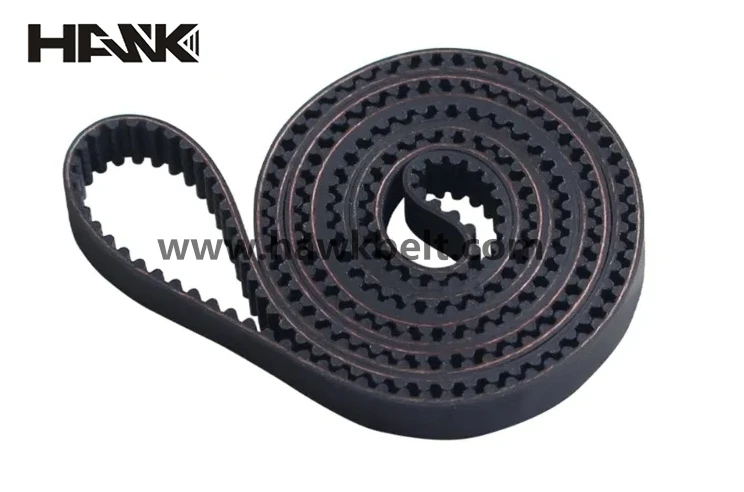
Table of Contents
- rubber belt with teeth Overview
- Benefits & Use Cases of rubber belt with teeth in Automobile transmission belt
- Cost, Maintenance & User Experience
- Sustainability & Market Trends in automobile industry
- Conclusion on rubber belt with teeth from Xingtai Hake rubber and plastic products Co., LTD
rubber belt with teeth Overview
A rubber belt with teeth—often called a synchronous or timing belt—delivers positive, slip-free power transmission by meshing precision-molded teeth with matching pulley grooves. In the automobile industry, especially across Automotive parts manufacturing and Automobile transmission belt programs, this architecture enables exact cam–crank synchronization, controlled torque delivery, and quieter operation compared with chain drives. Depending on performance targets, compounds range from traditional neoprene timing belt formulations to modern HNBR and EPDM. Tensile cords (fiberglass, aramid) ensure minimal elongation, while tooth geometries are optimized for load sharing and reduced wear.
Xingtai Hake rubber and plastic products Co., LTD engineers belts for OEM-equivalent fit and aftermarket reliability, including the 105MR22 specification featured on the product page. Typical operating characteristics include stable pitch retention, oil and heat resistance, and low noise across a broad temperature window. For adjacent applications, the company also supports variable-speed drives with multi speed belt solutions and metric variable speed belts that complement synchronous drives in auxiliary systems and industrial power transmission.
- Defines a positive, slip-free transmission component essential for engine timing and auxiliary drives.
- Materials and cords selected for durability, thermal stability, and precise pitch control.
- Manufactured by Xingtai Hake rubber and plastic products Co., LTD for consistent, dependable performance.
Benefits & Use Cases of rubber belt with teeth in Automobile transmission belt
In automotive powertrains, a rubber belt with teeth is deployed for camshaft timing, balancer shaft synchronization, and high-precision auxiliary drives such as oil and water pumps in select platforms. The positive-drive profile eliminates micro-slip, preserving valve timing accuracy and improving emissions stability. Compared to chain drives, belts typically reduce mass, noise, and lubrication complexity—valuable advantages for vehicle NVH targets and maintenance simplicity. For new timing belt replacements in fleet or aftermarket programs, drop-in compatibility and predictable tension behavior simplify service windows and reduce downtime.
Xingtai Hake rubber and plastic products Co., LTD differentiates with robust tooth geometry, wear-resistant compounds (from neoprene timing belt options to advanced elastomers), and high-tenacity cords for dimensional stability. The company’s process controls support consistent tooth pitch, ensuring clean engagement on MR, HTD, and other common profiles. Where speed variation is required, the portfolio extends to multi speed belt and metric variable speed belts, giving engineering teams a unified supplier for both synchronous and variable-speed transmissions. The result: predictable torque capacity, stable service life, and reduced belt-related warranty events.
- Applications: cam timing, balancer shafts, and auxiliary pump drives.
- Advantages: slip-free accuracy, lower NVH, lighter weight, and simplified maintenance.
- Expertise: engineered tooth profiles, material selection, and quality-controlled production.
Cost, Maintenance & User Experience
Total cost of ownership for a rubber belt with teeth hinges on service life, installation time, and unplanned downtime. By optimizing compound selection and cord reinforcement, Xingtai Hake rubber and plastic products Co., LTD targets extended belt life and stable tension retention—two drivers of ROI that reduce premature replacements. For B2B buyers, consistent pitch accuracy lowers setup waste, while repeatable quality reduces rework and supports lean maintenance schedules. In fleet and aftermarket environments, a well-matched new timing belt kit helps consolidate SKUs and streamline technician training.
Recommended practices to maximize value include replacing tensioners and idlers with the belt, confirming pulley wear, aligning shafts, and setting correct tension using the manufacturer’s method. Anecdotal feedback from automotive parts distributors and workshop networks indicates fewer callbacks when belts are paired with fresh drive components and when storage protocols (cool, dry, UV-protected) are observed. These fundamentals—combined with durable belt construction—contribute to fewer line stoppages and better lifecycle economics across the Automotive parts manufacturing supply chain.
- Lower TCO via long service life, reliable tension retention, and reduced NVH-related complaints.
- Positive user experience when paired with proper installation, component refresh, and storage practices.
Sustainability & Market Trends in automobile industry
Sustainability in automotive power transmission centers on longer component life, material stewardship, and energy-efficient manufacturing. Belts that last longer reduce waste and service emissions tied to parts logistics. Material choices—from neoprene timing belt compounds to advanced elastomers—can be specified to align with regulatory requirements in target markets and to withstand biofuel blends and under-hood chemistries. Electrification is reshaping demand: while pure EVs minimize traditional engine timing needs, hybrids and auxiliary systems still rely on precise belt drives, and variable-speed solutions are expanding in thermal management and accessory modules.
Xingtai Hake rubber and plastic products Co., LTD positions its belt portfolio to meet these shifts with durable compounds, efficient curing processes, and packaging that supports responsible handling. For global buyers, partnering with a supplier focused on quality, consistency, and lifecycle thinking helps future-proof programs as standards evolve. Whether you require a rubber belt with teeth for synchronized timing or complementary metric variable speed belts, consolidating with a capable manufacturer supports both performance and sustainability goals.
- Longer-life belts cut waste and service emissions; material choices align with regional compliance needs.
- Forward-looking portfolio supports ICE, hybrid, and auxiliary EV applications with synchronous and variable-speed options.
Conclusion on rubber belt with teeth from Xingtai Hake rubber and plastic products Co., LTD
A rubber belt with teeth is central to modern Automotive parts manufacturing programs, offering precise, quiet, and efficient power transmission for engine timing and key auxiliaries. By combining robust tooth profiles, stable cord systems, and application-matched compounds, Xingtai Hake rubber and plastic products Co., LTD delivers dependable performance and value. From new timing belt replacements to multi speed belt and metric variable speed belts, you can streamline sourcing with one experienced partner.
- Proven value across automobile industry / Automotive parts manufacturing / Automobile transmission belt programs.
- Trusted manufacturing quality and application support.
- Contact us: email: mike@hawkbelt.com — Visit our website: https://www.hawkbelt.com
-
Comprehensive Guide to Selecting High Performance drive belts
NewsApr.16,2026
-
Guide to Choosing the Right Fan Belt for Car Performance
NewsApr.09,2026
-
Understanding and Maintaining Your Vehicle's Serpentine Belt for Optimal Performance
NewsApr.07,2026
-
Choosing the Right Steering Belt for Optimal Vehicle Performance and Safety
NewsApr.04,2026
-
Understanding the Serpentine Belt for Optimal Vehicle Performance
NewsMar.31,2026
-
Comprehensive Guide to Understanding Your Fan Belt Car and Maintenance
NewsMar.28,2026