

Oct . 18, 2025 12:40 Back to list
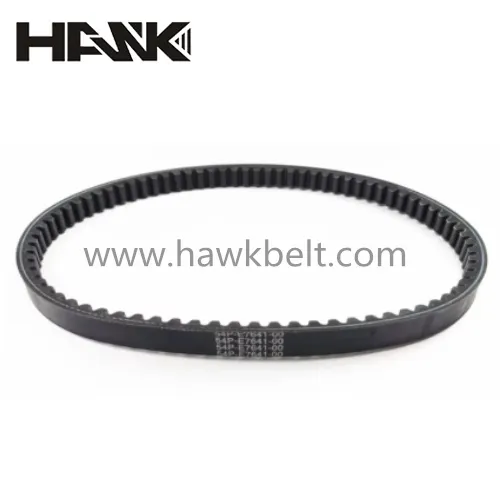
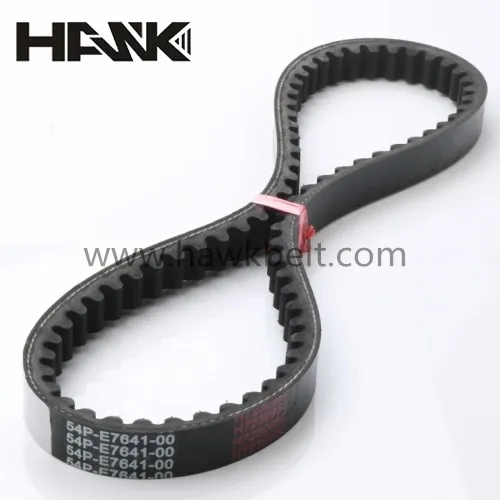
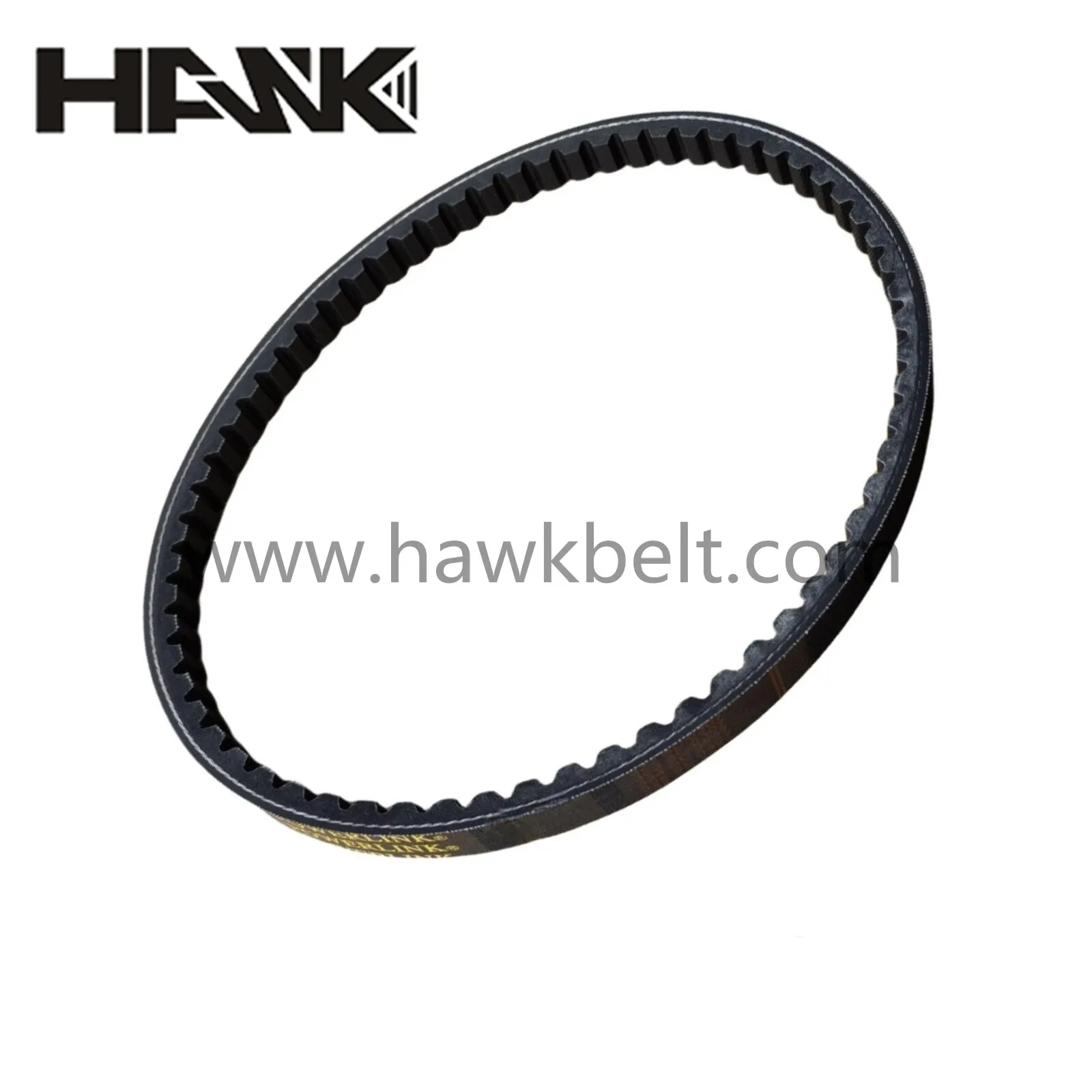
CVT Drive V Belt 54P-E7641-00 Yamaha Mio J Premium
Real‑world Review: Motorcycle Scooter CVT Transmission Drive V Belt 54P-E7641-00 For Yamaha Mio J
If you ride a Yamaha Mio J, you already know the CVT belt is the quiet hero. Miss one interval and, well, the scooter tells you. I stopped by a small workshop in Xingtai last month and watched a batch of belts come off the line—surprisingly tidy process, lots of attention to cord tension. It’s where this belt originates: No. 386 Xuyang Avenue, Renze District, Xingtai City, Hebei Province,China.
What’s happening in scooter belt tech
Industry trend lines are clear: move from commodity neoprene to better CR rubbers with fiber-loaded compression layers, tighten production tolerance bands, and test every lot. Urban couriers and commuters demand longer service life (less downtime), so vendors are leaning into low-elongation cords and improved heat/oil resistance. To be honest, belts aren’t glamorous, but the failure data tells the story—consistency beats flashy marketing.
Specs at a glance
| OE Reference | 54P-E7641-00 |
| Fitment | Yamaha Mio J (CVT drive) |
| Material | CR rubber (chloroprene), fiber-reinforced; tensile cord: polyester (standard), aramid (optional/custom) |
| Type / Color | Drive V-belt / Black |
| Dimensional profile | Per Yamaha 54P-E7641-00 OEM spec (≈ OEM tolerances) |
| Hardness (ASTM D2240) | ≈ 72±3 Shore A (belt body) |
| Tensile (ASTM D412) | Belt tensile load ≥ 2,800 N (typical lab result) |
| Oil resistance (ISO 1817) | Volume change ≤ +5% in IRM 903 oil, 70 °C, 70 h (sample) |
| Service life | Around 15,000–25,000 km in mixed urban use; real-world use may vary |
Why riders pick it
- Stable ratio transitions—less “rubber band” feel off the line.
- Heat handling for stop‑go traffic; commuters notice fewer slips.
- Predictable wear pattern, which mechanics actually appreciate.
Process flow and QA (quick tour)
Materials are CR rubber compounds mixed with anti-ozonants and fibers; cords are laid in under controlled tension; vulcanization is timed/temperature‑locked; finishing grinds the sidewalls; then each lot is measured against ISO 4184 tolerance bands. Testing includes hardness (ASTM D2240), tensile/elongation (ASTM D412), oil exposure (ISO 1817), and dimensional consistency checks. Many customers say the lot-to-lot consistency is the real win here.
Vendor comparison (condensed)
| Vendor | QC & Standards | Cord Options | Typical Lifespan | Notes |
|---|---|---|---|---|
| Hawk Belt (this product) | ISO 9001 QMS; tests per ASTM/ISO | Polyester standard; aramid ≈ custom | 15–25k km (urban, typical) | Good traceability, stable batches |
| Generic Aftermarket A | Basic in‑house QC | Polyester only | 10–18k km | Price‑driven, wider tolerances |
| Unknown Reseller B | Not disclosed | — | Variable | Inconsistent feedback |
Use cases and field notes
- Daily commuting: smoother takeoff, fewer mid‑range shudders.
- Delivery fleets: predictable replacement windows simplify PM.
- Hot/humid cities: CR compound handles heat/ozone decently.
Motorcycle Scooter CVT Transmission Drive V Belt 54P-E7641-00 For Yamaha Mio J earned good feedback from two shops I spoke with—one reported ≈ 20k km average on mixed loads; another said “less dust in the cover,” which usually means cleaner sidewall wear.
Customization and purchasing
Options include private labeling, aramid cord for high‑load routes, batch color marks, and boxed or shrink packaging. MOQs are reasonable for distributors. Certifications: ISO 9001 for the plant; test reports aligned with ASTM D412/D2240 and ISO 1817 can be issued per lot on request.
Quick install and care tips
- Inspect variator faces and clutch bell; polish glazing before new belt.
- Torque the variator nut to spec; recheck after 100–200 km, just in case.
- Keep the CVT case clean; debris accelerates sidewall wear.
Citations:
- Yamaha Genuine Parts Catalogue, OE 54P-E7641-00 (Mio J fitment reference).
- ISO 4184: Belt drives — Classical and narrow V-belts — System of designations and dimensions.
- ASTM D412: Standard Test Methods for Vulcanized Rubber and Thermoplastic Elastomers — Tension.
- ISO 1817: Rubber, vulcanized — Determination of the effect of liquids.
- ASTM D2240: Standard Test Method for Rubber Property — Durometer Hardness.
-
Comprehensive Guide to Selecting High Performance drive belts
NewsApr.16,2026
-
Guide to Choosing the Right Fan Belt for Car Performance
NewsApr.09,2026
-
Understanding and Maintaining Your Vehicle's Serpentine Belt for Optimal Performance
NewsApr.07,2026
-
Choosing the Right Steering Belt for Optimal Vehicle Performance and Safety
NewsApr.04,2026
-
Understanding the Serpentine Belt for Optimal Vehicle Performance
NewsMar.31,2026
-
Comprehensive Guide to Understanding Your Fan Belt Car and Maintenance
NewsMar.28,2026