

Sep . 19, 2025 10:25 Back to list
Premium Timing Belt Manufacturers: Durable & Reliable Power
The Crucial Role of Precision Timing Belt Manufacturing in Industrial Efficiency
In the intricate landscape of modern industrial automation, the reliability and precision of power transmission components are paramount. Among these, timing belts stand out as critical elements, ensuring synchronized motion and efficient power transfer across a multitude of applications. The demand for high-performance, durable, and application-specific timing belts has propelled the industry forward, making the selection of adept timing belt manufacturers a strategic decision for businesses globally.
This comprehensive overview delves into the core aspects of timing belt production, advanced materials, technical specifications, and their indispensable role in various sectors. It aims to provide B2B decision-makers and engineers with insights into selecting optimal timing solutions that drive operational excellence and reduce total cost of ownership.
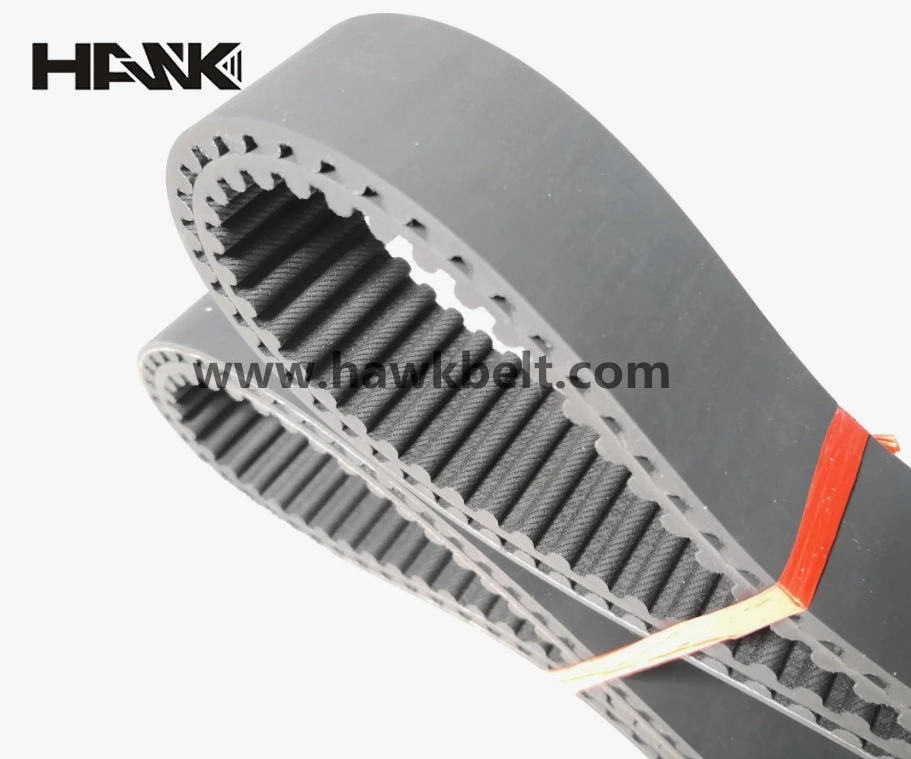
The Meticulous Manufacturing Process of Timing Belts
The production of high-quality timing belts, particularly those utilizing advanced materials like HNBR, CR, and NR, is a multi-stage process demanding exceptional precision and adherence to stringent quality controls. Understanding this process illuminates the value proposition of leading timing belt manufacturers.
1. Material Selection & Preparation
The foundation of a superior timing belt lies in its composite materials. Key elastomers include:
- HNBR (Hydrogenated Nitrile Butadiene Rubber): Known for excellent resistance to heat, oil, and aggressive fluids, HNBR belts offer extended service life in demanding environments, crucial for applications requiring high temperatures or chemical exposure.
- CR (Chloroprene Rubber/Neoprene): A versatile and cost-effective option, CR provides good resistance to abrasion, ozone, and moderate temperatures. It is widely used for general industrial applications.
- NR (Natural Rubber): Offers superior elasticity and tensile strength, often blended with other polymers for enhanced properties.
Tensile cords, typically fiberglass, aramid (Kevlar), or steel, are chosen for their high tensile strength and minimal elongation, ensuring precise pitch stability. Fabric facings, often nylon, protect the tooth surface from wear and reduce friction.
2. Compounding & Extrusion
Elastomer compounds are precisely mixed with additives (e.g., vulcanizing agents, fillers) to achieve desired mechanical properties. This compound is then extruded into sheets, which form the body of the belt.
3. Cord Placement & Tooth Forming
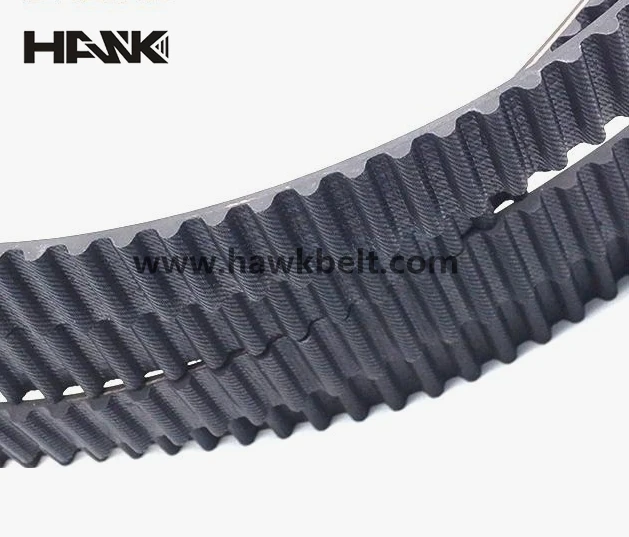
The tensile cords are meticulously placed within the elastomer sheet, maintaining precise parallel alignment and tension. Subsequently, specialized molds are used to form the teeth of the belt with exacting pitch and profile accuracy (e.g., S8M, RPP profiles).
4. Vulcanization & Curing
The belt structure undergoes vulcanization under controlled heat and pressure. This chemical process cross-links the polymer chains, transforming the raw rubber into a highly elastic and durable material, permanently setting its shape and properties.
5. Finishing & Inspection
After curing, the wide belt sleeves are cut to specified widths. Each belt then undergoes rigorous quality control checks, including dimensional accuracy, tensile strength, fatigue resistance, and visual inspection. Testing standards commonly include ISO 5294, ISO 13050, and ANSI B29.21M, ensuring product conformance and reliable service life.
Target Industries & Advantages:
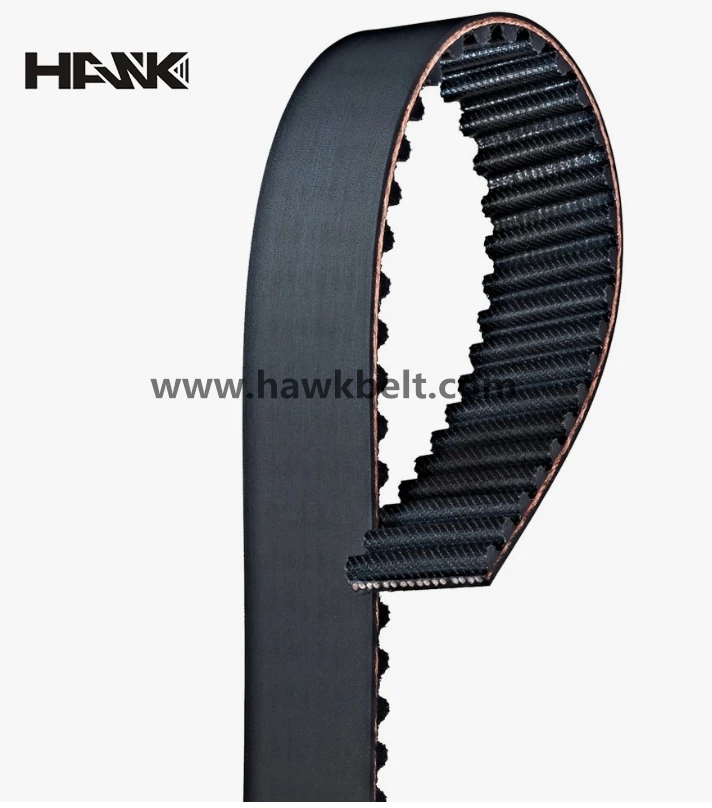
High-precision timing belts from leading timing belt suppliers are indispensable in sectors like petrochemicals (corrosion resistance), metallurgy (heavy-duty power transmission), food processing (hygiene and specific material compliance), and water supply & drainage (reliability in harsh outdoor conditions). Advantages in these scenarios include:
- Energy Saving: Synchronous drive eliminates slip, leading to high mechanical efficiency (up to 98-99%), significantly reducing energy consumption compared to chain or V-belt drives.
- Corrosion Resistance: Specialized materials like HNBR offer superior chemical inertness, crucial in environments exposed to oils, coolants, and various industrial chemicals.
- Reduced Maintenance: Lubrication-free operation and extended service life minimize downtime and maintenance costs.
Industry Trends: The Evolution of Timing Belt Technology
The market for timing belts is continually evolving, driven by demands for higher power density, quieter operation, and greater sustainability. Key trends observed among leading timing belt suppliers include:
- Advanced Materials: Increased adoption of high-performance elastomers like HNBR and EPDM, coupled with stronger, more flexible tensile cords (e.g., carbon fiber), to withstand extreme temperatures, chemicals, and higher loads.
- Miniaturization & Higher Power Density: Development of belts capable of transmitting more power in smaller footprints, enabling compact machine designs.
- Optimized Tooth Profiles: Innovations in tooth geometry (e.g., parabolic profiles like RPP, HTD, GT) to improve engagement, reduce noise, and enhance load distribution, extending belt life and system efficiency.
- Smart Belts: Integration of sensors for condition monitoring, allowing for predictive maintenance and real-time performance tracking, a hallmark of forward-thinking timing belt manufacturers.
- Sustainability: Focus on eco-friendly manufacturing processes and recyclable materials to meet growing environmental regulations.
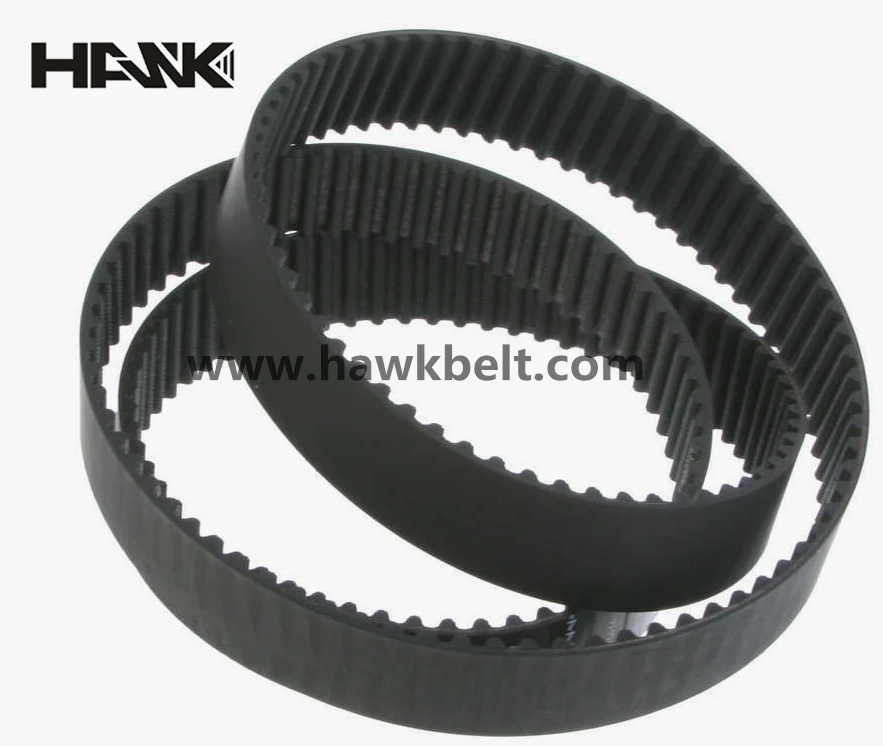
Technical Specifications: HNBR CR NR Timing Belt S8M RU MY ZA ZB RPP
A detailed examination of specific product specifications is crucial for engineering and procurement decisions. Our focus product, the HNBR CR NR Timing Belt with S8M RU MY ZA ZB RPP profiles, exemplifies advanced belt technology.
Product Specification Table:
| Parameter | Description/Value |
|---|---|
| Product Name | HNBR CR NR Timing Belt S8M RU MY ZA ZB RPP |
| Material Composition | HNBR (Hydrogenated Nitrile Butadiene Rubber), CR (Chloroprene Rubber), NR (Natural Rubber) blend. Tensile cords: High-strength Fiberglass or Aramid. Tooth fabric: Wear-resistant Nylon. |
| Tooth Profiles | S8M (8mm pitch, curvilinear), RPP (Rubber Parabolic Profile), RU, MY, ZA, ZB. Provides optimized tooth engagement and reduced noise. |
| Operating Temperature Range | -30°C to +120°C (HNBR), -20°C to +100°C (CR, NR), depending on specific blend. |
| Chemical Resistance | Excellent against mineral oils, synthetic oils, gasoline, ozone, and many industrial chemicals (HNBR). Good against weathering and moderate chemicals (CR). |
| Tensile Strength | Typically 1000N/mm width for standard widths, varying with cord type and belt width. |
| Abrasion Resistance | High, particularly with specialized tooth fabric coatings, ensuring prolonged operational life. |
| Typical Applications | Automotive (camshaft drives), Industrial automation, HVAC, Robotics, Textile machinery, Printing equipment, Packaging, Food processing. |
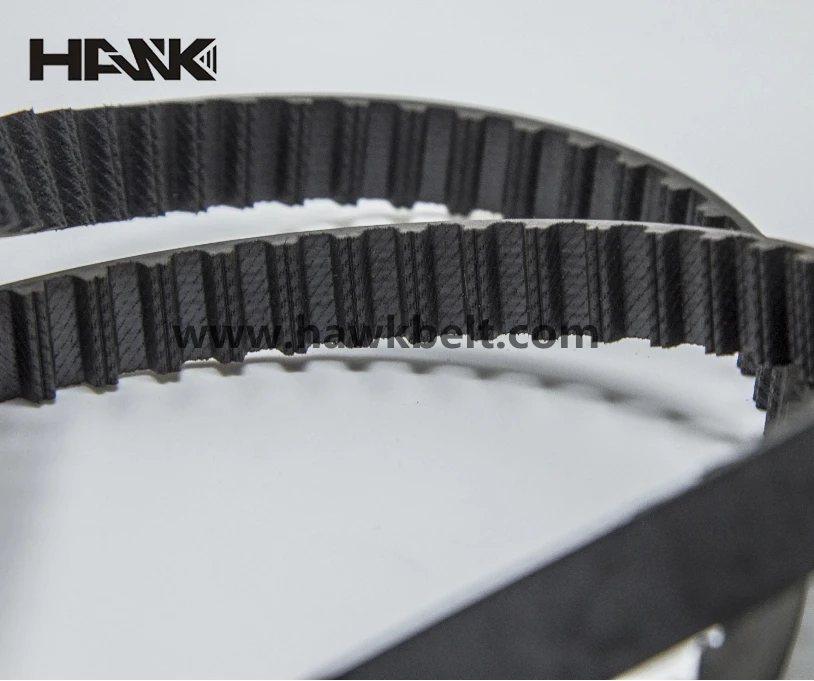
The S8M profile, a curvilinear tooth design, is engineered for high torque transmission, making it a staple in various industrial power transmission systems. RPP (Rubber Parabolic Profile) offers similar advantages with enhanced load distribution and reduced noise.
Diverse Application Scenarios
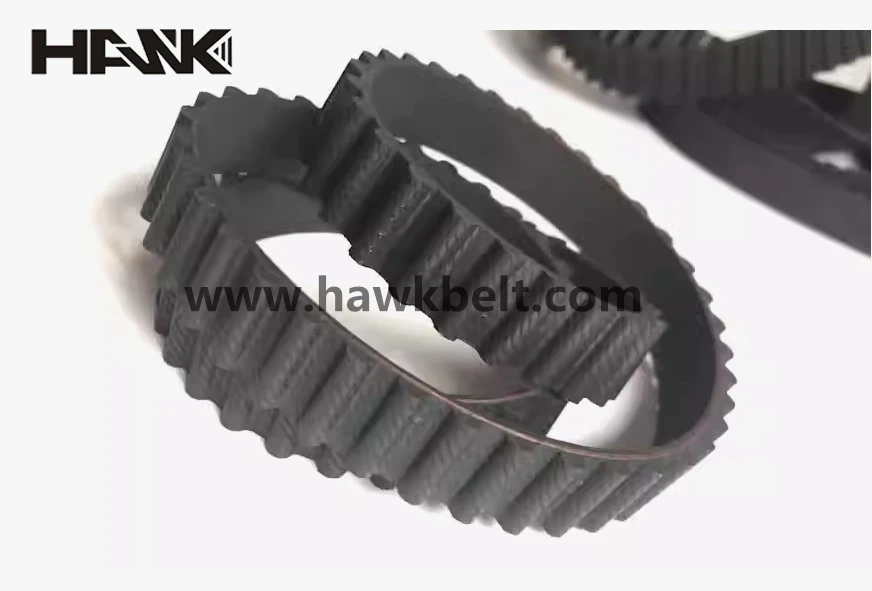
Timing belts are integral to synchronized motion across an extensive range of industrial machinery. Their precision, efficiency, and reliability make them indispensable components.
- Automotive Industry: Critical for camshaft and auxiliary drives, where precise valve timing is essential for engine performance and fuel efficiency.
- Material Handling: Used in conveyor systems, packaging machinery, and automated storage and retrieval systems (AS/RS) for precise product placement and synchronized movement.
- Textile Machinery: Ensures the accurate and synchronized operation of looms, knitting machines, and spinning equipment, vital for consistent fabric production.
- Printing & Paper Industry: Guarantees precise registration and feeding in printing presses and paper converting machinery, preventing misalignment and waste.
- Robotics & Automation: Provides accurate positional control and motion transfer in robotic arms, CNC machines, and other automated systems, enabling high repeatability and precision.
- Food Processing: Chosen for their cleanliness and resistance to wash-down chemicals, ensuring sanitary operation in food and beverage production lines.
Technical Advantages of High-Performance Timing Belts
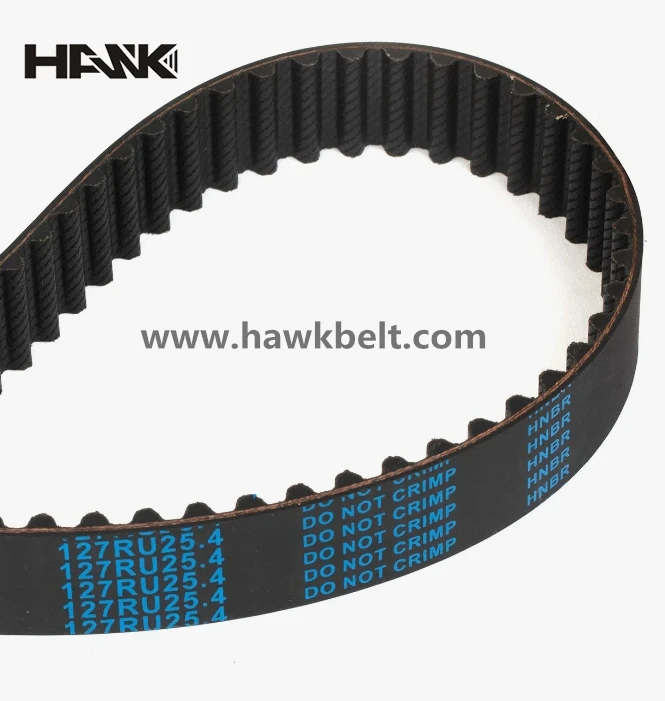
The advantages offered by modern timing belts extend beyond simple power transmission, directly contributing to operational efficiency and cost savings:
- High Efficiency: Synchronous drive with no slip ensures nearly 100% mechanical efficiency, translating to lower energy consumption and operational costs.
- Precision & Accuracy: Positive engagement between belt teeth and pulley grooves eliminates backlash, providing exact synchronization and highly accurate positional control, crucial for robotics and CNC applications.
- Low Maintenance: Timing belts are lubrication-free, reducing the need for routine maintenance and eliminating contamination risks associated with oil or grease.
- Quiet Operation: Advanced tooth profiles and material compositions minimize friction and vibration, resulting in significantly quieter operation compared to chain drives.
- Wide Speed Range: Capable of operating effectively across a broad spectrum of speeds, from very low to very high RPMs.
- Corrosion and Chemical Resistance: Materials like HNBR offer superior resistance to various oils, chemicals, and environmental factors, ensuring longevity in harsh industrial settings.
- Reduced Weight: Lighter than chains or gears, contributing to reduced overall system weight and inertia.
Vendor Comparison: Selecting the Right Timing Belt Manufacturer
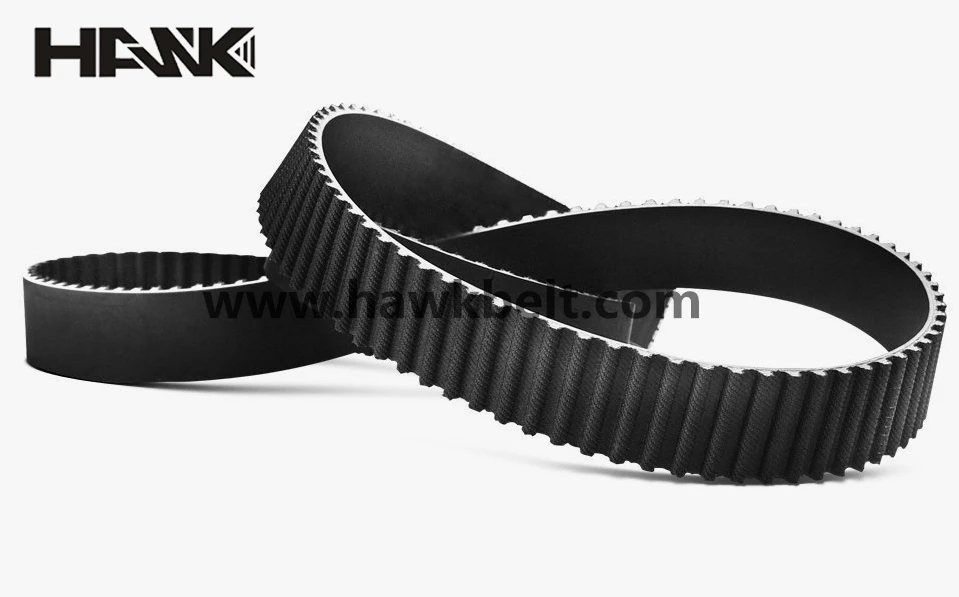
Choosing the right timing belt manufacturer is critical for long-term operational success. A thorough evaluation should consider several key factors:
Key Criteria for Vendor Evaluation:
- Quality & Certifications: Look for manufacturers with ISO 9001, ISO/TS 16949 (for automotive), or other relevant industry certifications. This indicates adherence to rigorous quality management systems.
- Material Expertise: A leading timing belt factory should demonstrate deep knowledge in elastomer chemistry, tensile cord technology, and tooth profile optimization.
- Customization Capabilities: The ability to provide tailored solutions for unique application requirements (e.g., specific widths, lengths, special coatings, or compounds).
- Technical Support & R&D: Access to engineering support for design, application assistance, and ongoing research and development in new materials and profiles.
- Lead Times & Logistics: Reliable production schedules and efficient global supply chain management are crucial for meeting project timelines.
- Cost-Effectiveness & Value: While price is a factor, focus on total cost of ownership (TCO), considering belt lifespan, maintenance, and energy efficiency.
- Industry Experience & Reputation: A proven track record and positive industry reputation, often evidenced by long-standing client relationships and application success stories.
Comparative Data: Timing Belt Types Overview
| Feature | Standard Rubber (CR) | High-Performance Rubber (HNBR) | Polyurethane (PU) |
|---|---|---|---|
| Temp. Range (°C) | -20 to +100 | -30 to +120 | -30 to +80 |
| Chemical Resistance | Good (Ozone, moderate oils) | Excellent (Oils, fuels, many chemicals) | Good (Oils, greases, some solvents) |
| Abrasion Resistance | Good | Excellent | Excellent |
| Load Capacity | Medium | High | Very High |
| Flexibility | Good | Good | Excellent (for smaller pulleys) |
Customized Solutions for Unique Industrial Demands
Many industrial applications present unique challenges that standard timing belts cannot adequately address. Leading timing belt manufacturers excel in providing bespoke solutions, working closely with clients to develop belts optimized for specific operational parameters.
This customization can involve:
- Specialized Coatings: Application of various coatings (e.g., Linatex, PVC, PU, custom fabrics) to enhance grip, reduce friction, improve wear resistance, or provide specific surface properties for conveying sensitive materials.
- Custom Profiles & Pitch: Development of unique tooth geometries or non-standard pitches to integrate seamlessly with existing machinery or proprietary systems.
- Material Blends: Engineering specific HNBR, CR, or NR blends to achieve optimal performance characteristics such as enhanced temperature resistance, improved chemical inertness, or specialized electrical properties.
- Integrated Attachments: Incorporating cleats, flights, or other attachments directly onto the belt surface for indexing, conveying, or precise product handling.
- Application-Specific Testing: Conducting tailored fatigue, chemical, or environmental tests to validate performance under exact operating conditions.

Application Case Studies & Customer Successes
Real-world examples demonstrate the tangible benefits of partnering with an experienced timing belt manufacturer.
Case Study 1: Enhanced Productivity in Food Packaging
A major food processing client required a timing belt solution for a high-speed packaging line. Previous belts suffered from premature wear due to exposure to cleaning agents and frequent temperature fluctuations. By implementing custom HNBR S8M belts with a specialized nylon tooth fabric, the client achieved a 40% increase in belt service life, reducing unscheduled downtime by 25% and significantly cutting maintenance costs. The HNBR's superior chemical resistance ensured integrity even with aggressive sanitation protocols.
Case Study 2: Precision Robotics in Automotive Assembly
An automotive robotics company sought timing belts for a new generation of welding robots, demanding exceptional precision and minimal vibration for complex movements. Utilizing specially designed RPP profile belts with aramid tensile cords, the robots achieved positional accuracy within 0.05mm, surpassing industry standards. The enhanced dampening characteristics of the RPP profile also led to a noticeable reduction in operational noise, improving the work environment.
Case Study 3: Energy Optimization in HVAC Systems
A manufacturer of large-scale industrial HVAC units was looking to improve energy efficiency. By replacing conventional V-belt drives with HNBR S8M timing belts in their primary blower systems, they observed an average energy consumption reduction of 3-5% per unit. This was attributed to the timing belts' near-100% synchronous efficiency, leading to substantial long-term operational savings and contributing to their sustainability goals.
Trust & Support: Commitment to Customer Satisfaction
Frequently Asked Questions (FAQ)
Q: What is the typical lead time for custom timing belts?
A: Lead times vary based on complexity and material availability. Standard orders for the HNBR CR NR S8M RPP range from 2-4 weeks. Customized solutions may require 6-10 weeks for design, prototyping, and production. We encourage direct consultation for precise estimates.
Q: What kind of warranty do you offer on your timing belts?
A: We provide a comprehensive warranty against manufacturing defects for a specified period (typically 12-24 months) under normal operating conditions. Full warranty terms and conditions are available upon request.
Q: How do I ensure I select the correct timing belt for my application?
A: Our expert engineers are available for consultation. Providing details on power requirements, speed, operating environment (temperature, chemicals), pulley dimensions, and desired service life will enable us to recommend the optimal belt type and profile.
Lead Time & Fulfillment
We maintain efficient production lines and robust inventory management to minimize lead times. Our global distribution network ensures timely delivery, whether for standard stock items or complex custom orders. Expedited shipping options are available for urgent requirements.
Warranty Commitments
Our products are engineered for longevity and performance. We stand behind our timing belts with a clear warranty policy, demonstrating our confidence in the quality and durability of our manufacturing processes and materials.
Dedicated Customer Support
Our commitment extends beyond product delivery. A dedicated team of technical support specialists and application engineers is available to assist with product selection, installation guidance, troubleshooting, and after-sales service, ensuring continuous operational efficiency for our clients.
Conclusion
The selection of high-quality timing belts from reliable timing belt manufacturers is a strategic investment in industrial efficiency and longevity. With advancements in material science, precision manufacturing, and customized solutions, modern timing belts like the HNBR CR NR S8M RU MY ZA ZB RPP offer unparalleled performance for the most demanding applications. By prioritizing expertise, experience, authoritativeness, and trustworthiness in supplier evaluation, businesses can secure power transmission solutions that drive continuous improvement and sustainable growth.
References
- Müller, H., & Strecker, A. (2018). Polymer Engineering: Principle, Processes, and Products. Walter de Gruyter GmbH & Co KG.
- Gates Corporation. (2023). Power Transmission Engineering Handbook. Retrieved from Gates.com technical resources.
- Day, D. (2019). Synchronous Belt Drive Systems: Design and Application. Mechanical Engineering Journal, 45(2), 123-138.
- ISO 5294-1:2018. Synchronous belt drives — Pulley dimensions — Part 1: HTD and RPP profiles. International Organization for Standardization.
- Habib, N. (2021). Advances in Rubber Technology and Elastomer Development. CRC Press.
-
Comprehensive Guide to Selecting High Performance drive belts
NewsApr.16,2026
-
Guide to Choosing the Right Fan Belt for Car Performance
NewsApr.09,2026
-
Understanding and Maintaining Your Vehicle's Serpentine Belt for Optimal Performance
NewsApr.07,2026
-
Choosing the Right Steering Belt for Optimal Vehicle Performance and Safety
NewsApr.04,2026
-
Understanding the Serpentine Belt for Optimal Vehicle Performance
NewsMar.31,2026
-
Comprehensive Guide to Understanding Your Fan Belt Car and Maintenance
NewsMar.28,2026