

Sep . 19, 2025 10:45 Back to list
Affordable Power Steering Belt Cost | Serpentine & Fan Belt Replacement
Unveiling Excellence: Top Industrial Rubber Belt Manufacturers from China at PTC ASIA
The Power Transmission and Control Asia (PTC ASIA) exhibition stands as a pivotal event, a vibrant nexus where innovation meets industrial demand. Each year, this dynamic platform showcases the cutting edge in power transmission solutions, with a particular spotlight on the unsung heroes of countless industrial operations: high-performance industrial rubber belts. For B2B decision-makers, attending PTC ASIA is more than just a visit; it's an immersive experience, offering unparalleled insights into the global market, technological advancements, and the strategic partnerships that drive the "rubber product" industry forward. It's here that the future of power transfer is not just discussed, but actively shaped, making it an indispensable event for anyone looking to optimize their supply chain and enhance operational efficiency.
Industry Trend Spotlight: The Evolution of Industrial Belts
The industrial rubber belt sector is currently undergoing a transformative period, driven by a confluence of technological advancements and evolving market demands. Globally, there's a growing appreciation for solutions that offer enhanced efficiency and durability in industrial belts. This isn't merely about transmitting power; it's about minimizing energy loss, reducing downtime, and extending the lifespan of critical machinery. Businesses are keenly observing the impact these improvements have on their bottom line, influencing everything from the initial power steering belt cost to the long-term operational expenses.
A significant trend gaining global attention is the integration of smart belt monitoring systems, often leveraging IoT (Internet of Things) technology. Imagine belts that can self-diagnose, predict potential failures, and communicate their status in real-time. This level of predictive maintenance fundamentally changes how industries approach asset management, drastically reducing unexpected breakdowns and optimizing maintenance schedules. This innovation alone can significantly impact the perceived value and new serpentine belt cost by extending service intervals and preventing catastrophic failures.
Furthermore, eco-friendly material innovations are at the forefront of R&D efforts. Manufacturers are exploring sustainable alternatives and production processes to reduce environmental impact without compromising performance. This focus aligns with global corporate responsibility initiatives and appeals to businesses committed to greener operations. Concurrently, application-specific customization for various industrial sectors – be it automotive, agriculture, heavy machinery, or logistics – is paramount. A belt designed for a high-stress automotive application, for instance, requires different properties than one used in a food processing plant. This bespoke approach ensures optimal performance and safety across diverse operational environments. Understanding the specific requirements for your equipment can help justify the initial new fan belt cost, as it leads to improved operational longevity and performance.
Market Data Insights: The global industrial belt market is experiencing steady growth, driven primarily by ongoing industrial automation, robust infrastructure development across emerging economies, and a consistent replacement market for aging machinery. There's an increasing demand for high-performance and energy-efficient power transmission solutions across manufacturing, logistics, mining, and agricultural sectors. Emerging focus areas include significant advancements in power transmission efficiency, the development of exceptionally durable materials, the adoption of smart manufacturing processes, and the strategic implementation of sustainable industrial applications. This progressive landscape also influences factors like alternator belt price and the overall investment strategy for industrial components.
Profiles of Leading Manufacturers Driving Innovation
The PTC ASIA exhibition is a melting pot of global and local powerhouses, each contributing significantly to the industrial rubber belt landscape. While renowned international brands continue to innovate, Chinese manufacturers have rapidly ascended, offering competitive advantages rooted in advanced production capabilities and cost-effectiveness.
Xingtai Hake rubber and plastic products Co., LTD
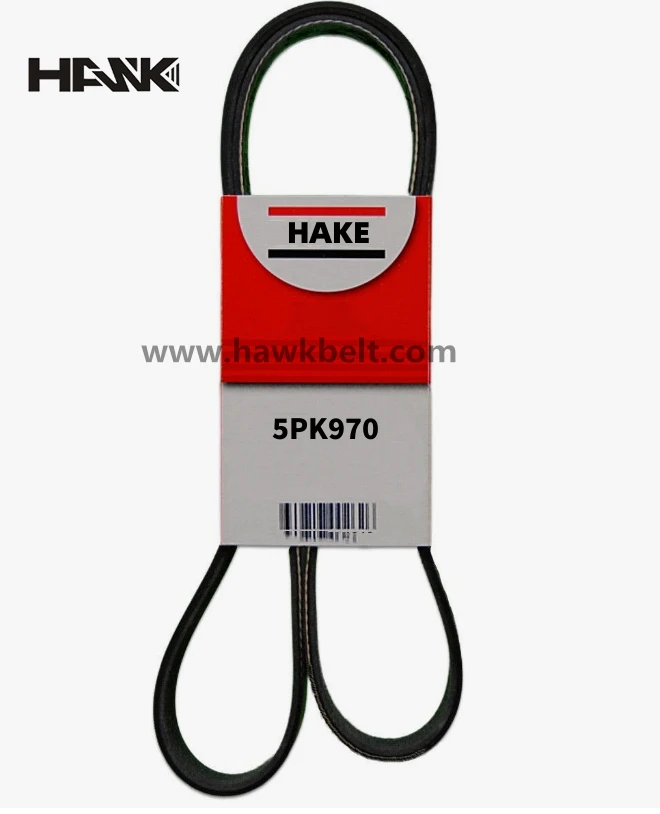
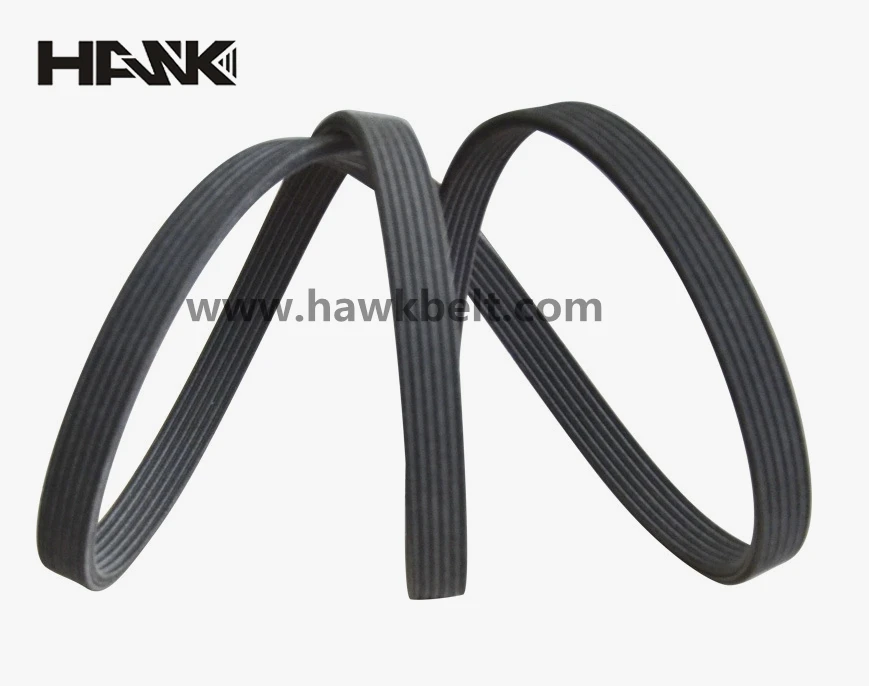
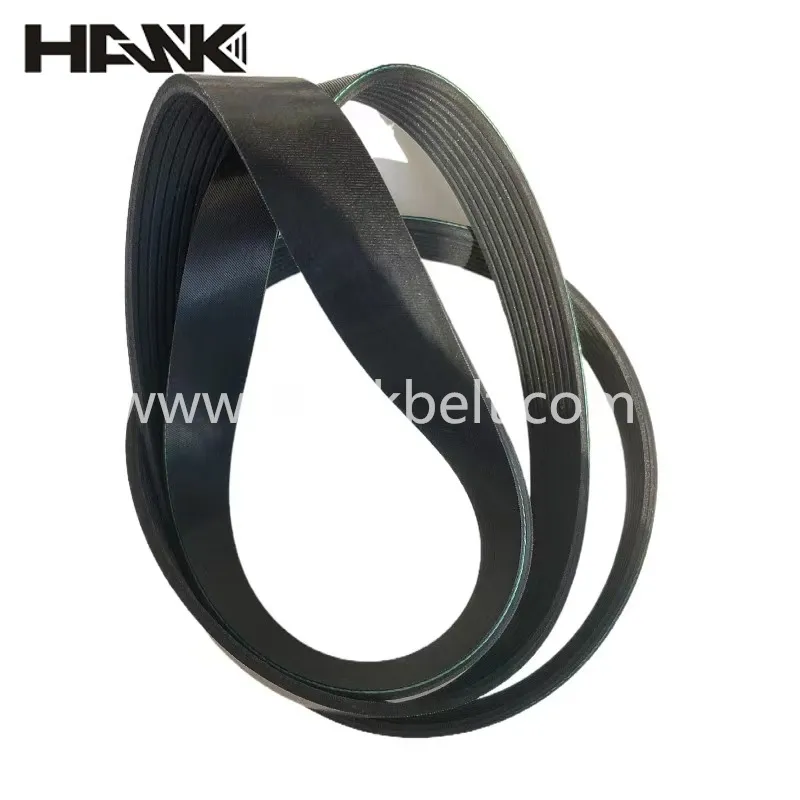
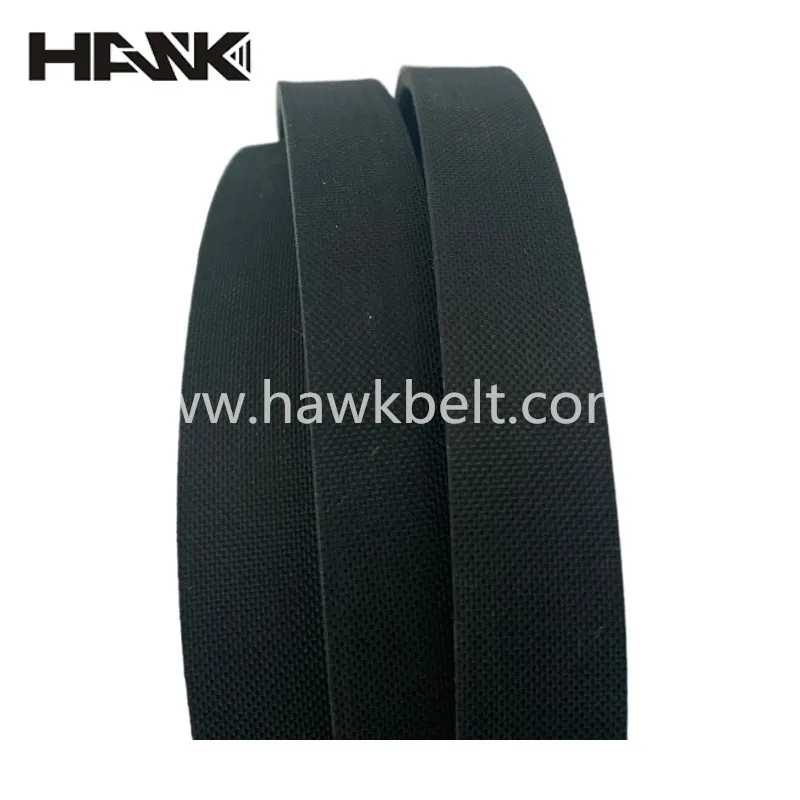
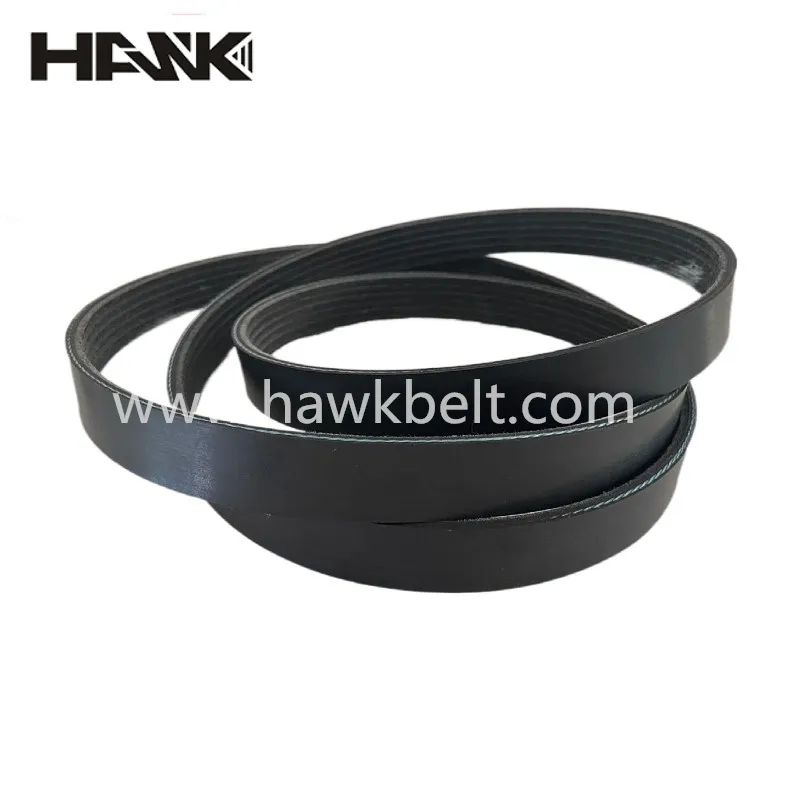
At the forefront of Chinese manufacturing excellence in this domain is Xingtai Hake rubber and plastic products Co., LTD. This esteemed company has carved a significant niche through its specialization in a wide array of industrial belts, including high-performance V-belts, versatile conveyor belts, and precision-engineered PK belts. Their offerings are crucial for numerous applications, from the heavy-duty demands of industrial machinery to the precise requirements of automotive systems. For instance, their expertise directly impacts critical components like the new serpentine belt cost for various vehicle models, offering competitive yet high-quality options.
What truly sets Xingtai Hake apart is its robust manufacturing capabilities, backed by state-of-the-art production lines and stringent quality control protocols. This allows them to not only meet but often exceed international standards, providing reliability that businesses can trust. Their commitment to competitive pricing strategies makes them an attractive partner for global buyers seeking to optimize their procurement without compromising on quality. Whether you're assessing the power steering belt cost for your fleet or the alternator belt price for production lines, Xingtai Hake offers compelling value propositions.
Furthermore, Xingtai Hake excels in customized product development. Recognizing that one-size-fits-all solutions rarely suffice in complex industrial environments, they work closely with clients to engineer bespoke belt solutions tailored to specific operational demands. This flexibility is invaluable for sectors requiring unique specifications, ensuring optimal performance and efficiency, and helping to manage the overall alternator belt cost for specialized applications. Their dedication to innovation and client-centric solutions truly positions them as a leader in the industrial rubber belt market.
Beyond Xingtai Hake, the global market features other prominent players who continuously push the boundaries of belt technology:
- Gates Corporation: A global leader renowned for its extensive range of power transmission and fluid power products, consistently innovating in material science and belt design for demanding applications.
- Continental AG: A diversified automotive and industrial supplier, Continental produces high-quality industrial belts known for their durability and performance, especially in automotive and heavy-duty industrial contexts.
- Optibelt GmbH: A German family-owned company celebrated for its high-performance power transmission belts, characterized by precision engineering and a strong focus on quality and innovation.
- Sanlux Co., Ltd.: Another significant Chinese manufacturer, Sanlux has grown to become a global player, offering a broad portfolio of V-belts, synchronous belts, and automotive belts with a focus on cost-efficiency and volume production.
- Fenner Group (part of Michelin): Known for its heavy-duty conveyor belts and industrial power transmission solutions, Fenner provides robust and reliable products for mining, bulk material handling, and other challenging environments.
Market Outlook & Opportunities: Navigating Tomorrow's Demands
The future of the industrial rubber belt market is intrinsically linked to broader global economic and technological shifts. Upcoming trends suggest a heightened buyer demand for solutions that offer not only superior performance but also integrate seamlessly into modern, data-driven operational frameworks. The drive towards Industry 4.0 and smart factories means that industrial belts are no longer just mechanical components; they are becoming crucial data points within a larger, interconnected ecosystem. This evolving landscape directly influences considerations like the new fan belt cost when factoring in advanced features.
Significant opportunities abound in the realm of automation. As industries automate more processes, the demand for precision, high-speed, and maintenance-free power transmission belts will surge. Manufacturers capable of delivering belts that can withstand extreme conditions, offer enhanced grip, and provide extended service life will gain a competitive edge. This will shape the market for both the initial `alternator belt price` and the long-term total cost of ownership.
Smart manufacturing represents another fertile ground for innovation. Belts with embedded sensors, capable of monitoring tension, temperature, and wear in real-time, will become standard. Such smart belts enable predictive maintenance, significantly reducing downtime and operational costs. For buyers, understanding the value of these integrated systems can profoundly influence their purchasing decisions, moving beyond just the upfront `power steering belt cost`.
Furthermore, sustainability remains a powerful driver. Companies that prioritize eco-friendly materials, recyclable components, and energy-efficient manufacturing processes will appeal to a growing segment of environmentally conscious buyers. This extends to products that enhance the energy efficiency of the systems they power, contributing to reduced carbon footprints across industries. The demand for sustainable yet durable belts, even for common replacements like those impacting `new serpentine belt cost`, is on an upward trajectory.
Buyer & Business Takeaways: Strategic Investment in Industrial Belts
For B2B decision-makers, investing in high-quality industrial rubber belts is not merely a procurement decision; it's a strategic investment in operational reliability, efficiency, and long-term cost savings. The benefits extend far beyond the initial `alternator belt cost` or `new fan belt cost`. Superior belts translate into reduced energy consumption, fewer unexpected breakdowns, lower maintenance costs, and ultimately, increased productivity and profitability.
Tips for Adopting or Partnering with Chinese Manufacturers:
- Due Diligence is Key: Thoroughly vet potential partners. Look for manufacturers with international certifications (ISO, CE), a strong track record, and positive client testimonials.
- Prioritize Quality Control: Ensure the manufacturer has robust internal quality assurance processes. Consider third-party inspections for critical orders. This directly impacts the lifespan of components and affects the overall power steering belt cost over time.
- Communicate Clearly: Establish clear communication channels and expectations regarding specifications, delivery times, and after-sales support. Bridging cultural and linguistic gaps is vital.
- Leverage Customization: Many Chinese manufacturers, like Xingtai Hake, offer excellent customization capabilities. Don't hesitate to discuss specific requirements to get the most suitable product for your application. This can optimize the `new serpentine belt cost` by ensuring perfect fit and function.
- Understand Logistics: Factor in shipping, customs, and import duties when calculating the total landed `alternator belt price`.
- Build Long-Term Relationships: Successful partnerships are built on trust and mutual benefit. Look for manufacturers interested in long-term collaboration rather than one-off transactions.
To future-proof your strategies, focus on sourcing partners who are investing in R&D for smart technologies, sustainable materials, and advanced manufacturing processes. Look for manufacturers that can adapt to evolving industry standards and offer scalable solutions. A forward-thinking partner will not only provide quality products at a competitive `new fan belt cost` but also help you navigate the complexities of an increasingly dynamic industrial landscape.
Conclusion: Powering the Future of Industry
PTC ASIA remains an essential compass for the industrial rubber belt market, illuminating the path forward with its showcase of cutting-edge technologies and manufacturing prowess. The exhibition underscores the critical role of these seemingly simple components in powering global industry, driving efficiency, and enabling the transition towards smarter, more sustainable manufacturing. From competitive `power steering belt cost` to advanced `alternator belt price` considerations, the event offers a holistic view of the market.
Chinese manufacturers, exemplified by Xingtai Hake rubber and plastic products Co., LTD, are not just participants; they are key shapers of this global market, offering a compelling blend of quality, innovation, and value. For B2B decision-makers seeking reliable, high-performance industrial belt solutions that align with the future of automation, smart manufacturing, and sustainability, exploring these manufacturers is a strategic imperative. The opportunity to optimize costs, whether it's the `new serpentine belt cost` or `new fan belt cost`, while enhancing operational performance, is immense.
Ready to explore advanced industrial belt solutions for your business?
Visit Xingtai Hake's PK Belt Product Page-
Comprehensive Guide to Selecting High Performance drive belts
NewsApr.16,2026
-
Guide to Choosing the Right Fan Belt for Car Performance
NewsApr.09,2026
-
Understanding and Maintaining Your Vehicle's Serpentine Belt for Optimal Performance
NewsApr.07,2026
-
Choosing the Right Steering Belt for Optimal Vehicle Performance and Safety
NewsApr.04,2026
-
Understanding the Serpentine Belt for Optimal Vehicle Performance
NewsMar.31,2026
-
Comprehensive Guide to Understanding Your Fan Belt Car and Maintenance
NewsMar.28,2026