

Sep . 15, 2025 08:40 Back to list
Precision Lathe Drive Belts: Durable & Reliable Power Transfer
In the realm of industrial machinery, precision and reliability are paramount. At the heart of many rotational power transmission systems, particularly in machine tools, are drive belts. Among these, lathe drive belts stand out as critical components, enabling the seamless and efficient operation of lathes used across a myriad of manufacturing processes. These belts are engineered to withstand demanding operational environments, transmitting power from the motor to the spindle with minimal loss and ensuring consistent performance, which is vital for achieving high-quality machining outcomes. Their design and material composition are specifically tailored to the unique requirements of lathe operations, distinguishing them from other power transmission belts like a fan belt truck or a fan belt car, and even the serpentine belt found in automotive applications.
Industry Trends and Market Dynamics for Drive Belts
The global industrial drive belts market is experiencing steady growth, driven by increasing automation in manufacturing, expansion of various industrial sectors, and a persistent focus on energy efficiency. Key trends include the development of advanced materials for extended service life and improved power transmission capabilities, as well as smart sensing technologies for predictive maintenance. The demand for highly durable and efficient drive belts, including lathe drive belts, is rising in parallel with the complexity and precision requirements of modern CNC machinery. Furthermore, the push towards "green manufacturing" is catalyzing innovation in eco-friendly belt materials and manufacturing processes, reducing environmental impact without compromising performance.
While automotive applications often utilize specialized belts such as the multi-ribbed the serpentine belt to drive multiple peripheral devices (alternator, power steering pump, AC compressor), and specific fan belt car and fan belt truck variants for cooling systems, industrial drive belts like the lathe belt are engineered for distinct loads, speeds, and environmental conditions. The industrial sector demands higher precision, greater power transmission, and superior resistance to oils, chemicals, and extreme temperatures, pushing manufacturers to innovate beyond conventional rubber compounds.
Technical Specifications and Design Principles
The performance of a lathe drive belt is intrinsically linked to its fundamental design and material composition. Typically, these belts are manufactured from advanced rubber or synthetic polymer compounds, often reinforced with high-strength cords made of polyester, aramid, or fiberglass. These reinforcement materials provide the necessary tensile strength and dimensional stability under dynamic loads, preventing stretch and ensuring consistent speed ratios.
Key technical parameters include:
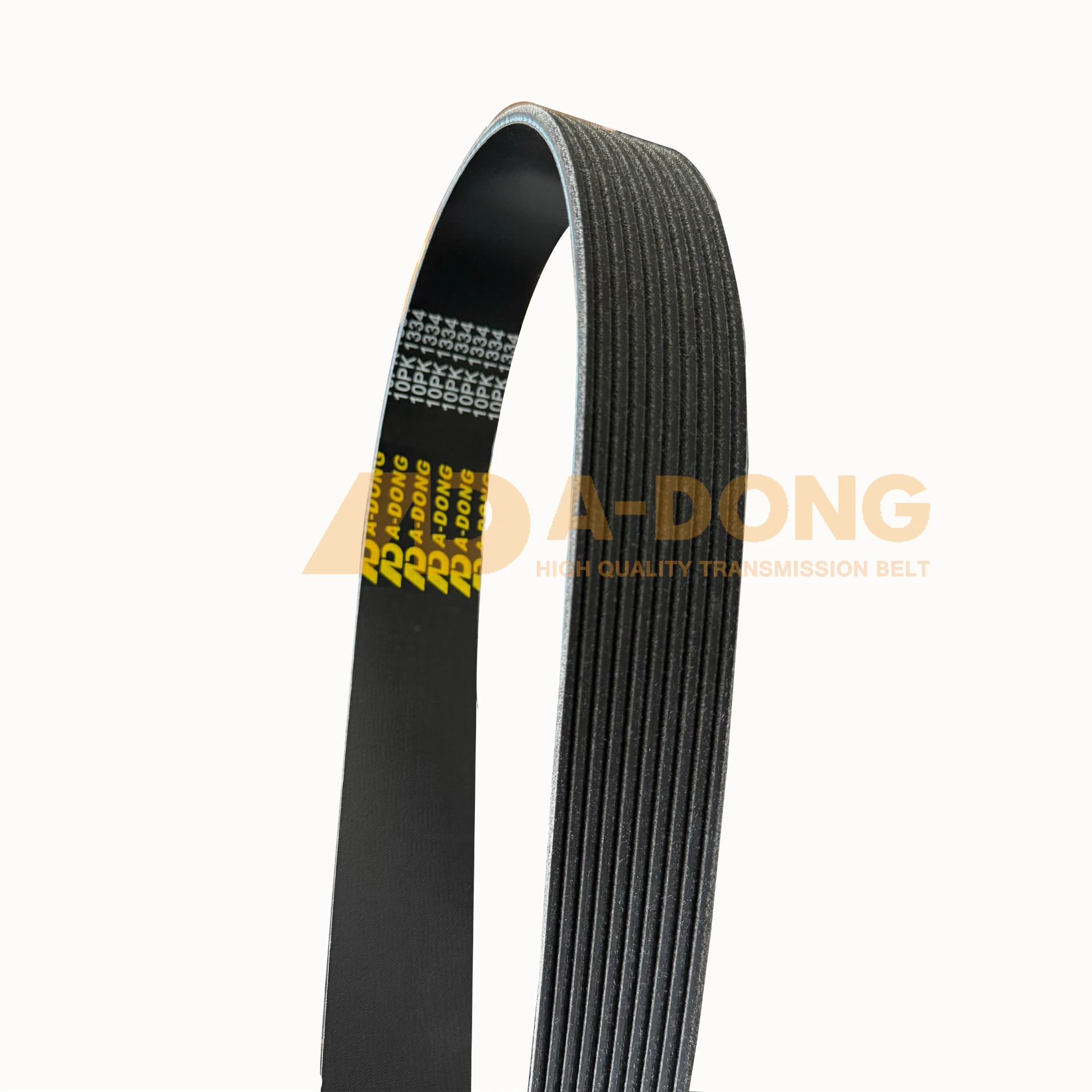
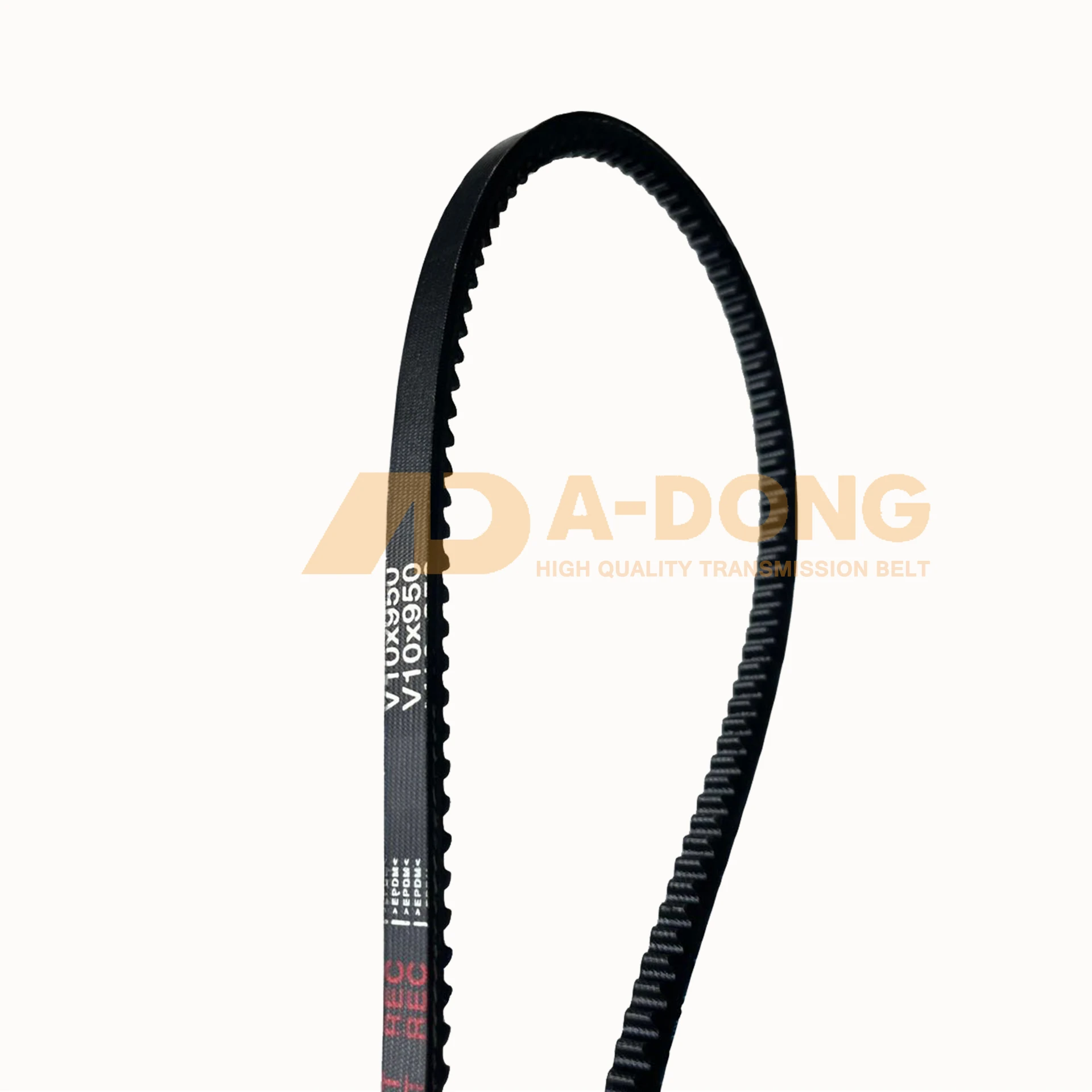
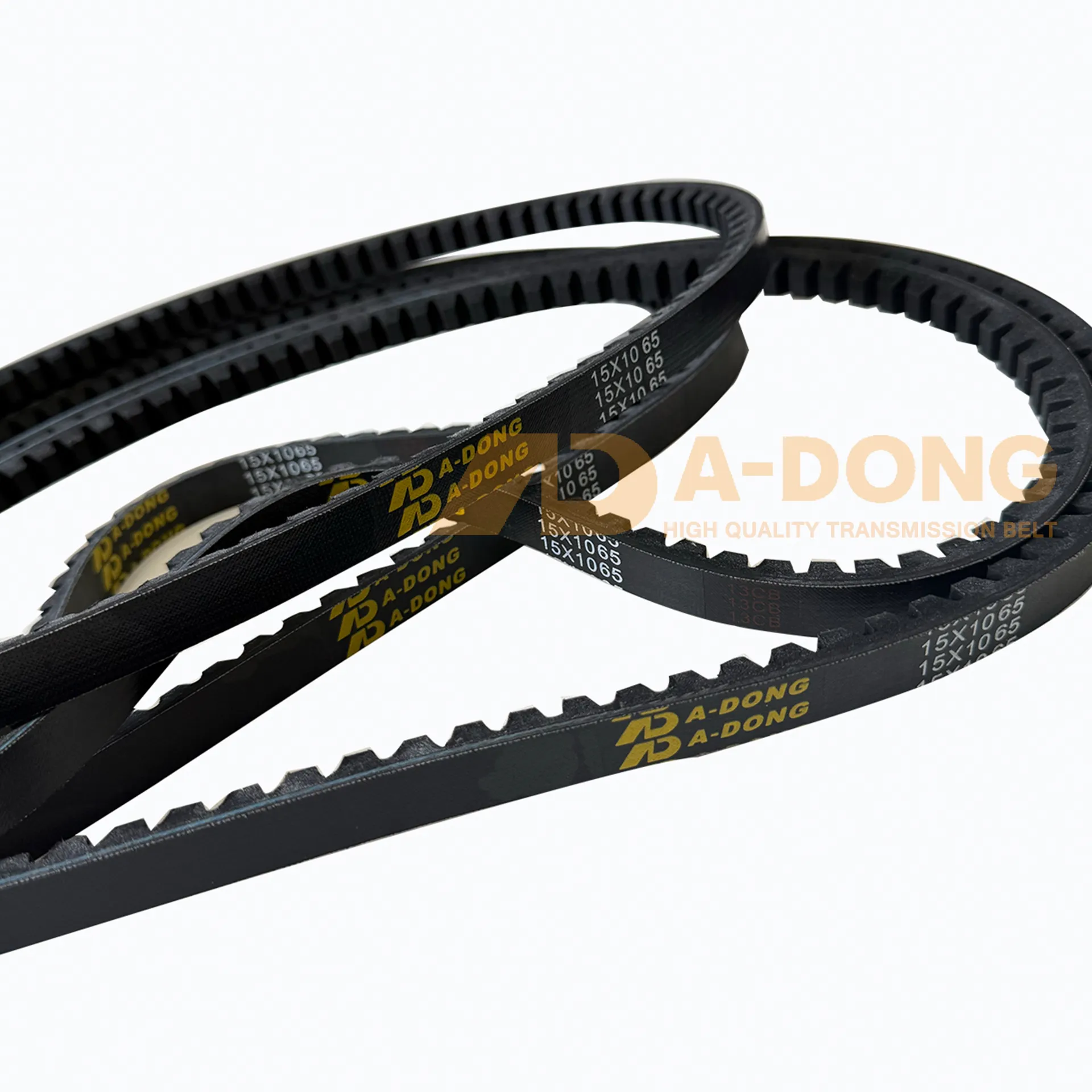
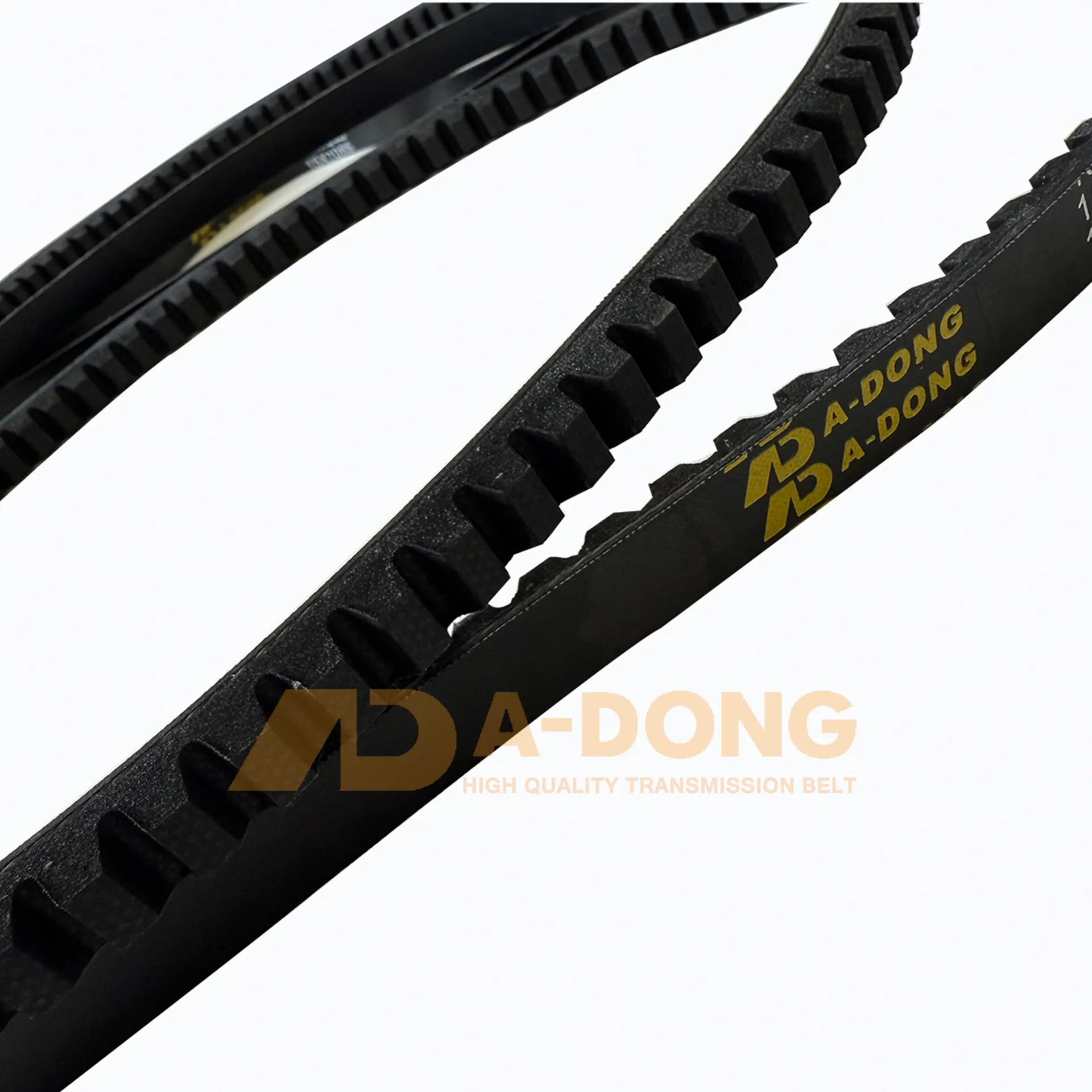
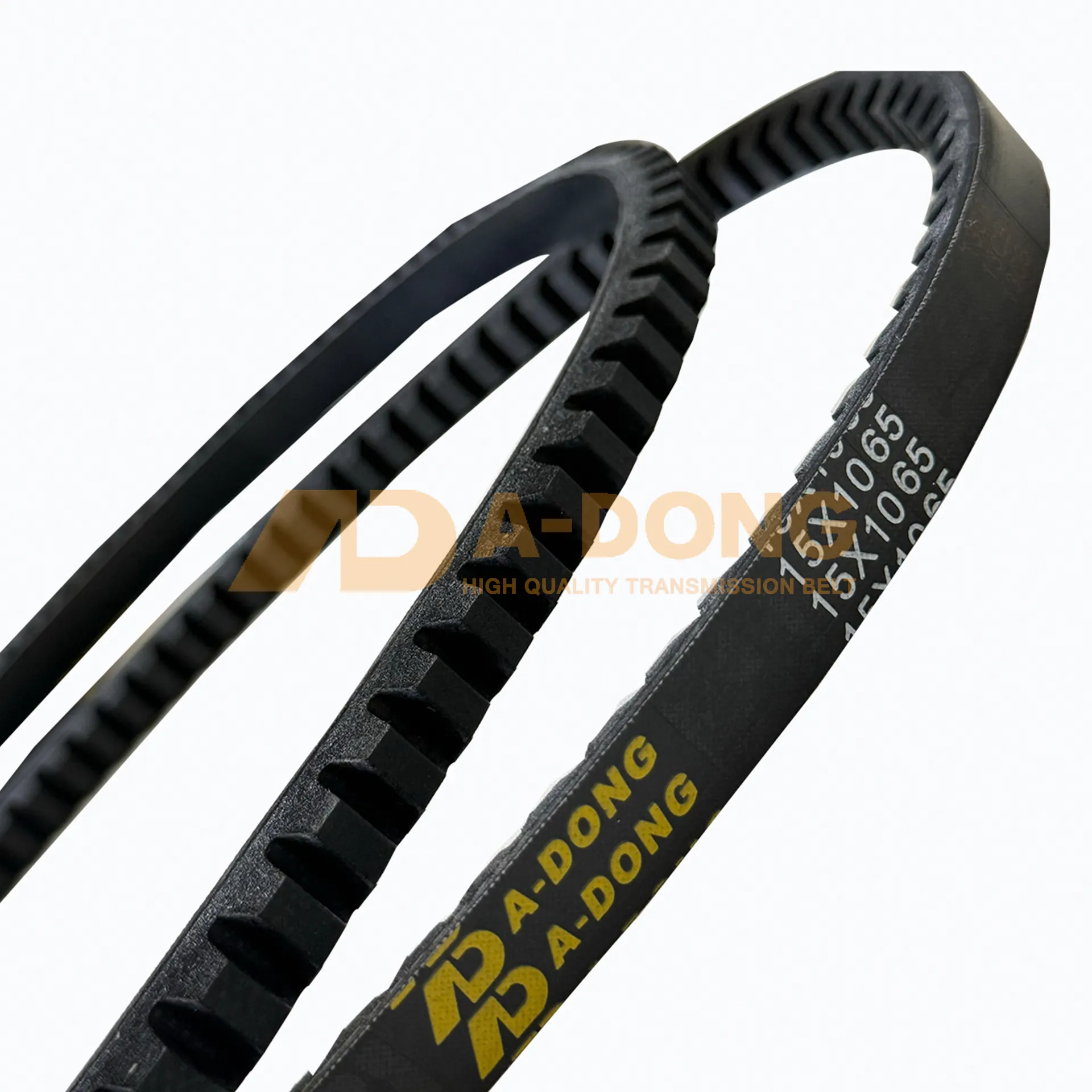
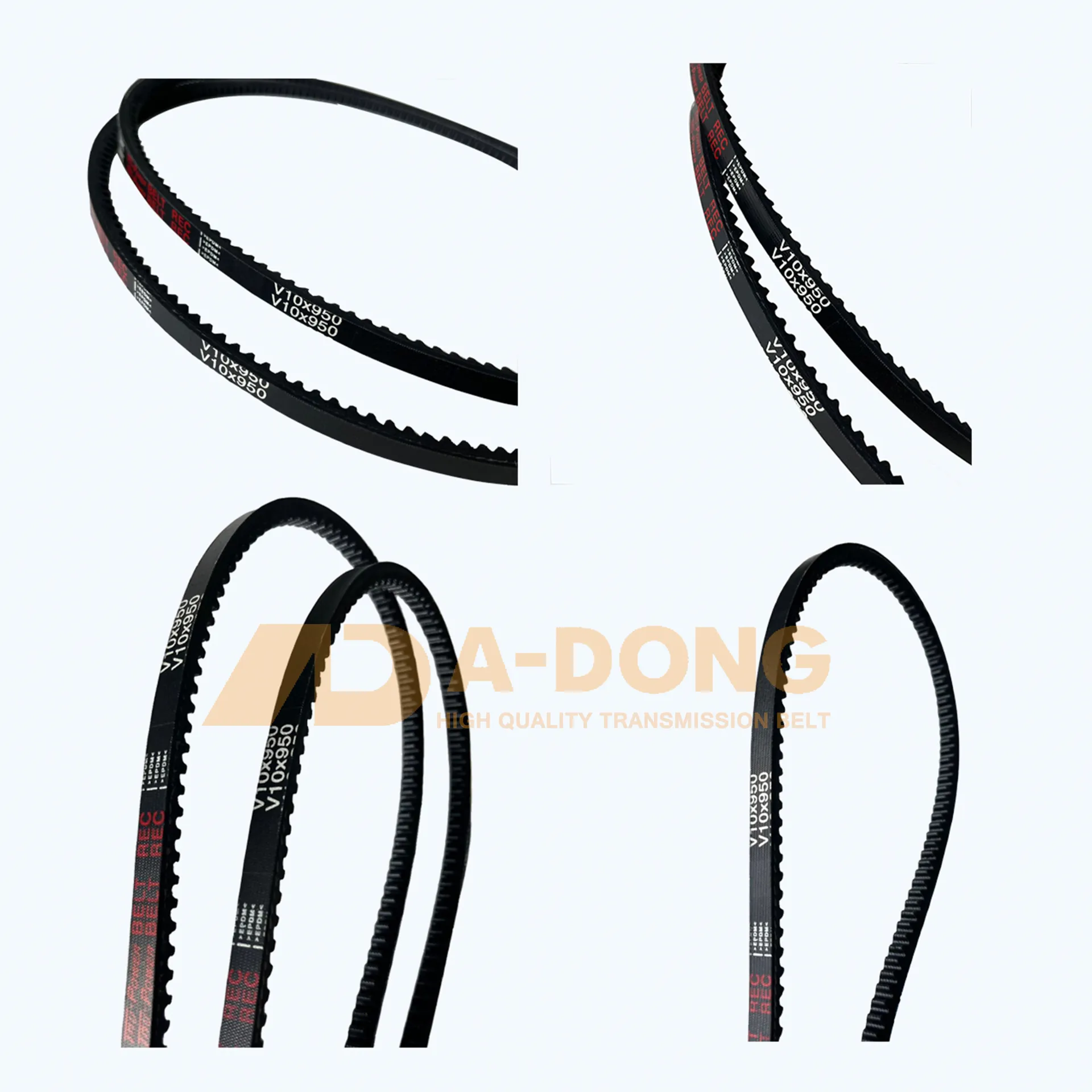
- Profile: V-belts (classical, narrow, banded), flat belts, and synchronous belts (timing belts) are common. V-belts offer high power transmission and excellent grip, while synchronous belts ensure precise timing without slippage, critical for threading operations.
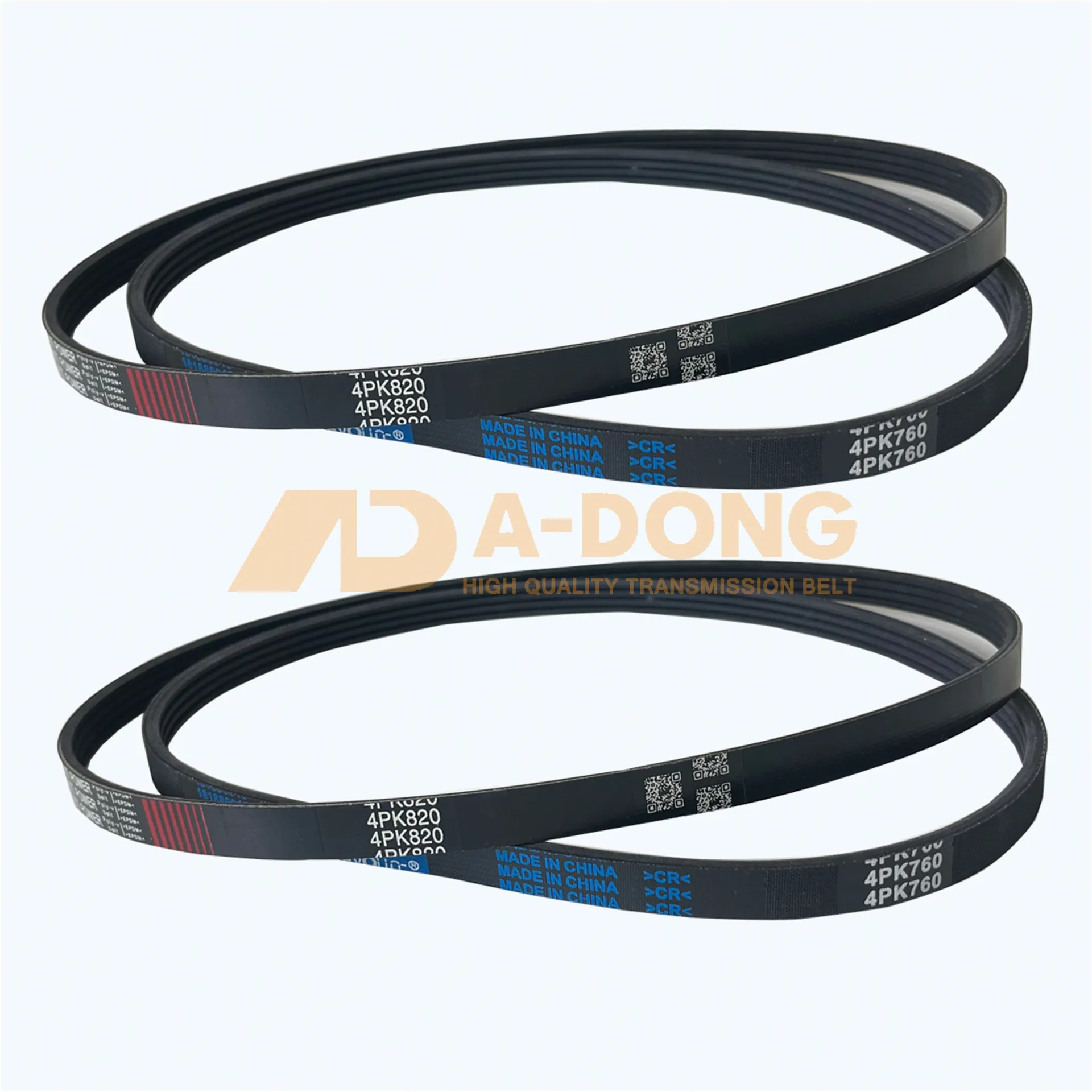
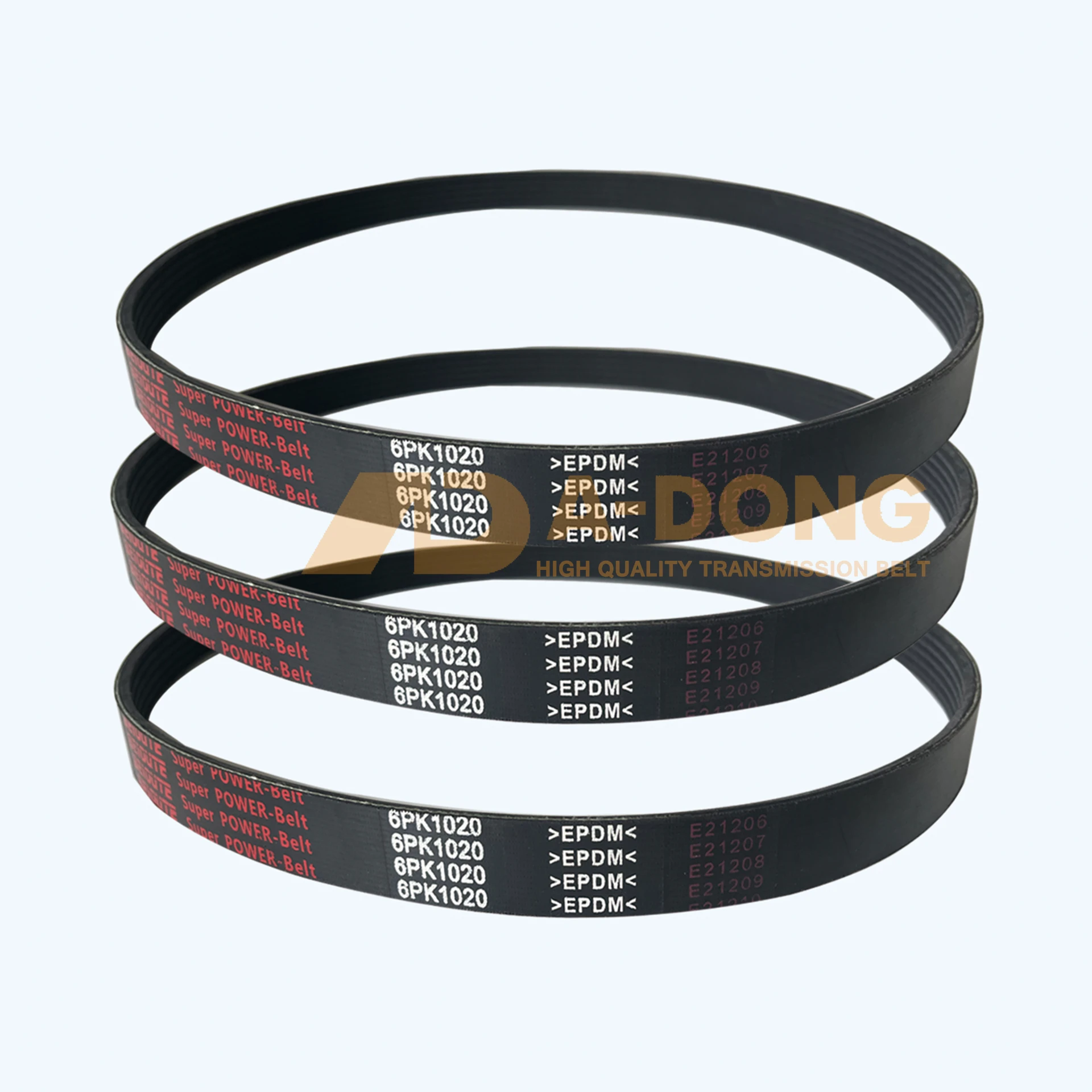
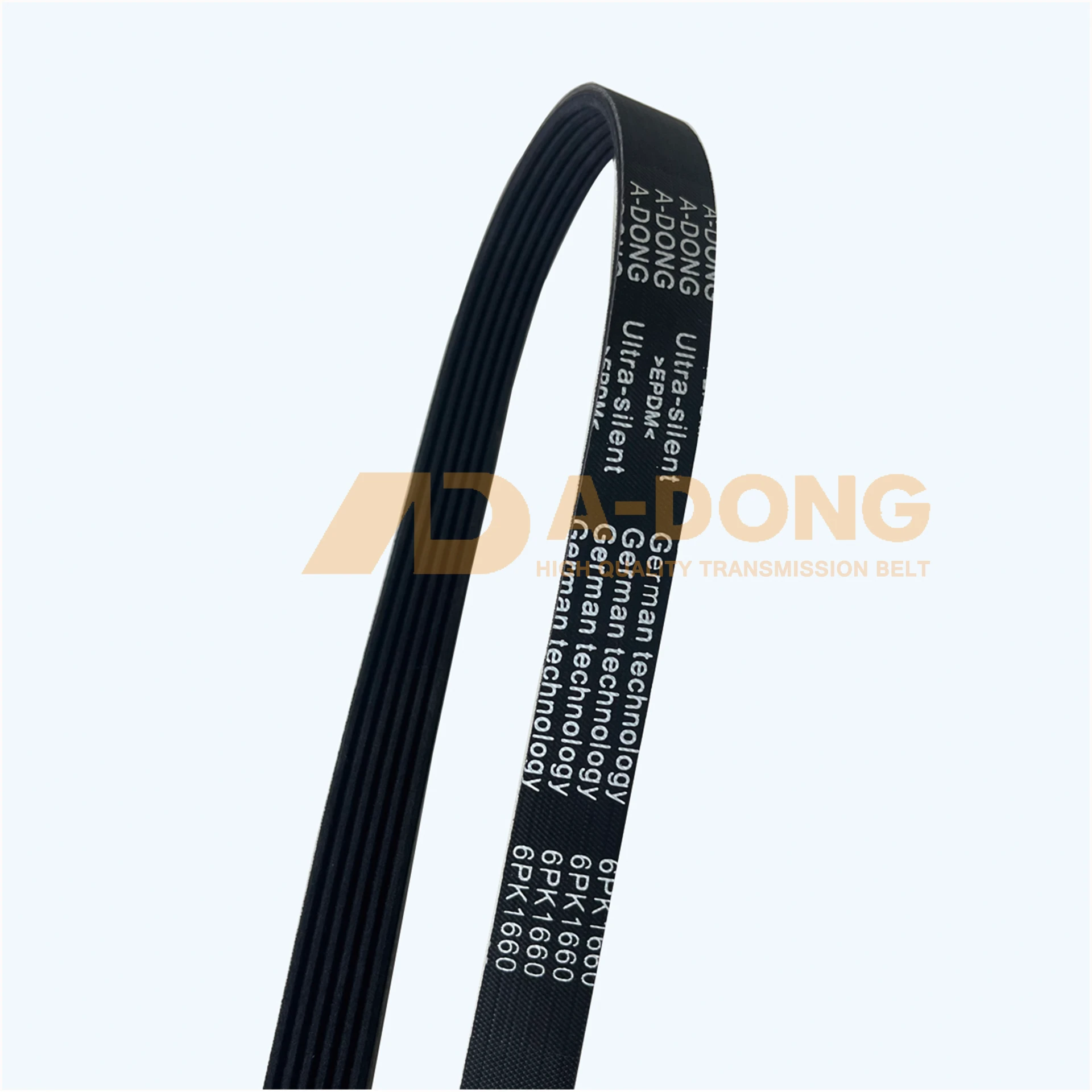
- Length and Width: Precisely specified to match pulley dimensions and center distances, often denoted by standard codes (e.g., 4PK for multi-ribbed V-belts).
- Material Composition: EPDM (Ethylene Propylene Diene Monomer) rubber for excellent heat and ozone resistance, Neoprene for oil and chemical resistance, or highly engineered polyurethane for demanding applications.
- Temperature Range: Operating capabilities typically range from -30°C to +100°C, with specialized belts handling wider extremes.
- Tensile Strength: The maximum stress the belt can withstand before breaking, crucial for high-load applications.
- Flex Fatigue Resistance: Ability to endure repeated bending around pulleys without degradation, directly impacting service life.
Example Product Specification: Doosan Parts Drive Rubber Belt 2106-1019D10 4PK
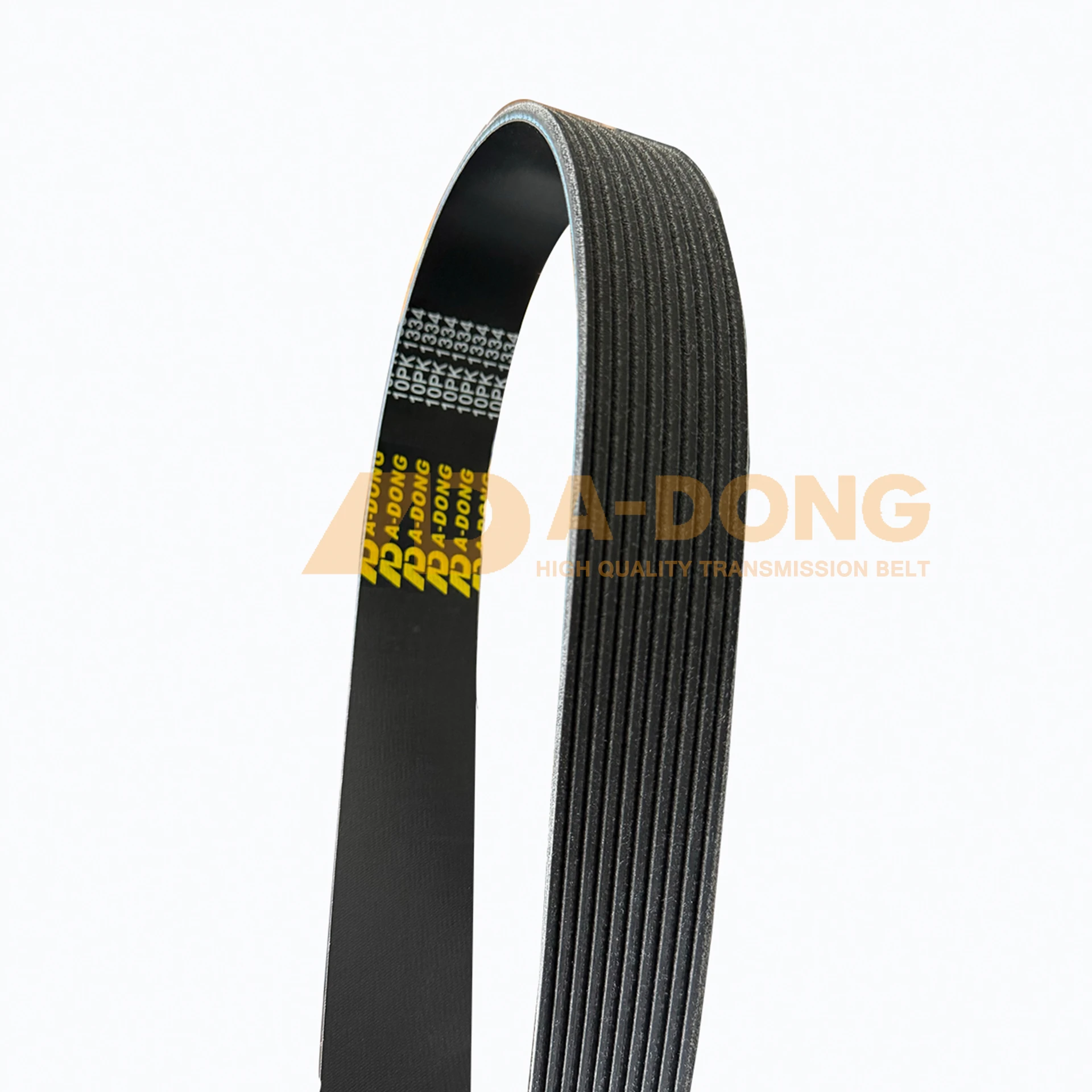
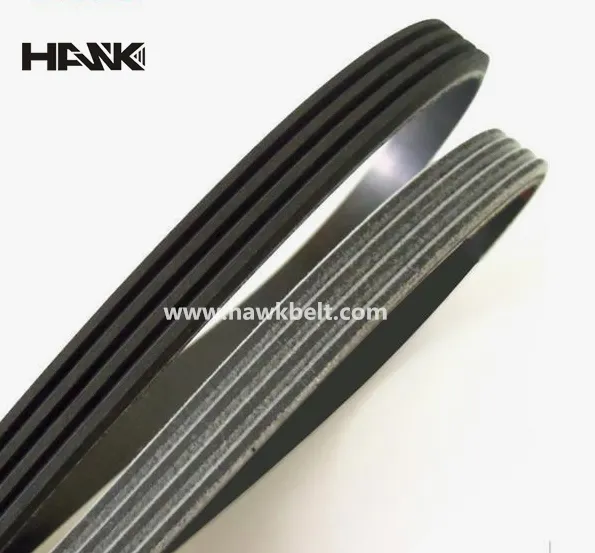
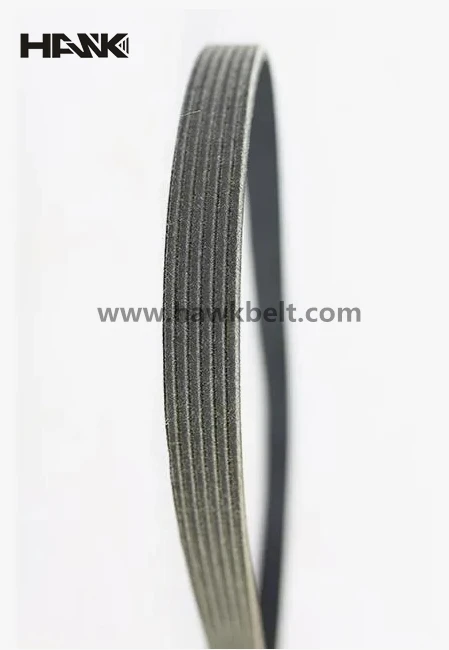
A prime example of a specialized industrial drive belt is the Doosan Parts Drive Rubber Belt 2106-1019D10 4PK. This multi-ribbed V-belt is designed for specific industrial machinery, including Doosan lathes and other heavy equipment. Its "4PK" designation indicates it is a 4-ribbed poly-V belt, optimized for high power transmission in a compact space, common in applications where a single belt drives multiple components or high-speed spindles.
| Parameter | Description/Value |
|---|---|
| Product Name | Doosan Parts Drive Rubber Belt 2106-1019D10 4PK |
| Belt Type | Poly-V (Multi-ribbed V-belt) |
| Profile | PK profile (4 ribs) |
| Material | High-grade EPDM Rubber with Polyester Cords |
| Length | Variable, specific to 1019D10 designation (e.g., 1019mm effective length) |
| Operating Temperature | -40°C to +120°C (typical for EPDM) |
| Key Advantage | High power transmission, flexibility, reduced vibration |
| Target Application | Doosan Lathes and Machining Centers, Industrial Power Transmission |
Manufacturing Process of Lathe Drive Belts
The production of high-performance lathe drive belts involves a sophisticated multi-stage process, ensuring durability, precision, and consistent quality. This process deviates significantly from metal component manufacturing like casting or forging, focusing instead on advanced polymer engineering and composite material integration.
Schematic Steps for Belt Manufacturing:
-
Raw Material Preparation: Selection of high-quality synthetic rubbers (e.g., EPDM, Neoprene), polyester or aramid tensile cords, and specialized fabric covers. Materials are chosen for specific properties like heat, oil, and abrasion resistance.
- Rubber Compounding: Raw rubber polymers are blended with various additives such as carbon black, curatives, antioxidants, and processing aids in internal mixers to achieve the desired physical properties (hardness, elasticity, durability).
-
Cord Treatment and Calendering/Extrusion: Reinforcing cords undergo a proprietary adhesive treatment (e.g., RFL dip) to ensure excellent bonding with the rubber. Rubber compounds are then calendered into thin sheets or extruded into specific profiles, often incorporating the treated cords.
-
Belt Building: Multiple layers – the compression rubber, tensile cords, and outer fabric covers (if applicable) – are precisely assembled onto a rotating drum or mandrel. This ensures uniform tension and alignment of the cords.
- Vulcanization (Curing): The assembled "green" belt is transferred to a vulcanizing press, where it undergoes controlled heat and pressure. This chemical process transforms the raw rubber into a highly elastic, durable, and stable material, setting its final dimensions and properties.
-
Finishing and Quality Control: Post-vulcanization, belts are typically ground to exact dimensions, trimmed, and subjected to rigorous testing. This includes dimensional checks, tensile strength tests, fatigue resistance tests, and dynamic performance testing. Belts must meet international standards such as ISO 5287 (V-belts) and ANSI/RMA IP-20 (Industrial V-belting) for service life and performance consistency. The typical service life for a quality industrial lathe belt can range from 10,000 to 25,000 operating hours, depending on application severity and maintenance.
Application Scenarios and Target Industries
Lathe drive belts are indispensable in a broad spectrum of industrial applications that rely on precise rotational power. Their primary role is in driving the spindles of various types of lathes, including engine lathes, turret lathes, CNC lathes, and automatic lathes. Beyond the machine tool sector, their robust design and reliable power transmission make them suitable for other heavy-duty machinery.
Target industries include:
- Petrochemical: Used in pumps, compressors, and agitators where reliability and resistance to corrosive agents are critical.
- Metallurgy: Essential for driving rolling mills, grinding machines, and material handling systems in harsh environments.
- Water Supply & Drainage: Employed in pumping stations and wastewater treatment facilities, often requiring resistance to moisture and chemicals.
- Automotive Manufacturing: In production lines for machine tools, stamping presses, and assembly equipment.
- Heavy Machinery: Powering various components in construction, mining, and agricultural equipment.
Advantages in Typical Application Scenarios:
- Energy Saving: Modern belts, particularly those with synchronous profiles or advanced V-belt designs, minimize power loss due to slippage and friction, leading to significant energy savings over their operational lifespan. Efficiency ratings often exceed 98%.
- Corrosion Resistance: Specialized rubber compounds offer superior resistance to oils, coolants, and chemicals commonly found in machining and industrial settings, extending the belt's integrity and performance.
- Reduced Vibration and Noise: The inherent damping properties of rubber, combined with precision manufacturing, contribute to smoother operation and a quieter working environment, improving machine longevity and operator comfort.
- Minimal Maintenance: High-quality lathe drive belts require less frequent tension adjustments and have longer replacement cycles compared to older generations, reducing downtime and maintenance costs.
Technical Advantages and Performance Metrics
The technical sophistication of contemporary lathe drive belts translates directly into measurable performance advantages. Beyond their fundamental role in power transmission, modern belts offer enhanced durability, superior efficiency, and improved operational stability.
- High Power Transmission Capability: Advanced composite materials and optimized profiles allow belts to transmit significant horsepower in a compact design, enabling smaller drive envelopes and higher spindle speeds.
- Exceptional Durability and Service Life: Reinforced cords and abrasion-resistant rubber compounds contribute to extended operational lifespans, typically ranging from 15,000 to 25,000 hours in well-maintained systems, reducing the total cost of ownership.
- Vibration Dampening: The elastic nature of rubber belts helps to absorb shock loads and dampen vibrations, protecting both the motor and the driven machinery from premature wear. This is particularly crucial for precision machining operations.
- Reduced Noise Levels: Precisely manufactured belts operate quietly, contributing to a more comfortable and compliant work environment, aligning with industrial noise reduction standards.
- Temperature Stability: High-quality materials like EPDM maintain their physical properties across a wide temperature range, ensuring consistent performance in varying industrial climates.
Vendor Comparison and Customized Solutions
Choosing the right supplier for industrial drive belts, including specialized lathe drive belts, is a strategic decision. Vendors vary widely in their material science expertise, manufacturing precision, and ability to provide tailored solutions. Key factors to consider include product range, quality certifications (e.g., ISO 9001, TS 16949), years of industry experience, and customer support infrastructure.
Comparative Analysis of Industrial Drive Belt Vendors
| Feature | Leading Global Manufacturer (e.g., Gates) | Specialized Niche Supplier (e.g., Hawkbelt) | General Industrial Supplier |
|---|---|---|---|
| Product Range | Extensive (V-belts, timing, flat, automotive) | Focused on specific industrial/OEM parts (e.g., Doosan) | Standard industrial V-belts, limited specialties |
| Material Technology | Proprietary advanced compounds (EPDM, HNBR) | High-grade OEM-equivalent materials | Standard rubber, polyester cords |
| Quality Certifications | ISO 9001, ISO/TS 16949 (now IATF 16949), environmental | ISO 9001 compliant, specific product certifications | Basic quality control, may not have all certifications |
| Customization Options | High-volume custom solutions, R&D partnership | Tailored dimensions, material variants for specific machines | Limited customization, primarily standard sizes |
| Technical Support | Global engineering support, extensive documentation | Specialized application engineering, responsive support | Basic product support |
For specialized applications, particularly in maintaining OEM equipment like Doosan lathes, partnering with suppliers who offer precise OEM-equivalent or superior parts is crucial. These suppliers can offer not only standard dimensions but also customized solutions in terms of material composition, length, width, and profile to meet specific operational demands. This includes belts engineered for high-temperature resistance, enhanced chemical resistance, or superior flexibility for complex drive geometries.
Application Case Studies and Customer Feedback
The tangible benefits of high-quality lathe drive belts are best illustrated through real-world applications and documented improvements.
Case Study 1: Enhanced Production in Automotive Component Manufacturing
A leading automotive component manufacturer experienced frequent belt failures and inconsistent machining precision on their older CNC lathes. After switching to advanced EPDM lathe belts with enhanced cord reinforcement, they observed a 30% reduction in unplanned downtime due to belt-related issues. The superior vibration dampening properties of the new belts also led to a measurable improvement in surface finish quality on machined parts, reducing post-processing requirements and overall production costs. Customer feedback highlighted the belts' resilience under high-speed operation and their contribution to extending spindle bearing life.
Case Study 2: Operational Stability in Petrochemical Facilities
In a petrochemical processing plant, drive belts for critical pump systems were continually exposed to a corrosive atmosphere and fluctuating temperatures. Standard belts showed premature degradation and required frequent replacement. By implementing custom-engineered Neoprene-based lathe belts, designed specifically for enhanced chemical resistance and a wider operating temperature range, the plant achieved a 50% increase in belt service life. This resulted in significant cost savings from reduced material replacement and minimized risk of process interruptions, directly contributing to operational safety and efficiency.
Frequently Asked Questions (FAQ)
Q1: How do I select the correct lathe drive belt for my machine?
A1: Accurate selection requires knowing the belt's profile (e.g., V-belt, poly-V, timing belt), its effective length, and width/rib count. Refer to your machine's OEM specifications or measure the existing belt accurately. Consult with a specialized supplier for guidance, especially for critical applications.
Q2: What causes premature belt failure, and how can it be prevented?
A2: Common causes include improper tension (too loose or too tight), misalignment of pulleys, contamination (oil, chemicals, excessive heat), and using worn pulleys. Prevention involves regular inspection, proper installation, maintaining correct tension, ensuring pulley alignment, and replacing worn pulleys.
Q3: What is the typical service life for a quality industrial drive belt?
A3: While automotive fan belts or serpentine belts might have specific mileage recommendations, industrial drive belts for lathes typically operate for 15,000 to 25,000 hours under optimal conditions. Factors like application severity, environmental conditions, and maintenance practices significantly influence this lifespan.
Lead Time, Warranty, and After-Sales Support
Reliable logistics and robust support mechanisms are essential for B2B clients. Our commitment to operational excellence extends beyond product quality to encompass comprehensive service delivery.
- Lead Time & Fulfillment: Standard orders for common industrial drive belts are typically processed and shipped within 3-5 business days from order confirmation, leveraging optimized inventory management. For specialized or customized lathe drive belts, lead times are communicated upfront based on manufacturing schedules, generally ranging from 2-4 weeks. Expedited shipping options are available upon request to meet urgent operational requirements.
- Warranty Commitments: All our industrial drive belts come with a standard 12-month warranty against manufacturing defects from the date of purchase. This warranty underscores our confidence in the quality and durability of our products, providing peace of mind for our clients. Specific extended warranties may be available for certain product lines or high-volume contracts.
- Customer Support: Our dedicated technical support team is available to assist with product selection, installation guidance, troubleshooting, and maintenance best practices. We provide multi-channel support via phone, email, and a dedicated online portal, ensuring prompt and expert assistance for all client inquiries. After-sales support includes comprehensive documentation, technical bulletins, and access to application engineers for complex scenarios.
Conclusion
In the intricate world of industrial manufacturing, the humble lathe belt plays a pivotal role in ensuring the precision, efficiency, and longevity of critical machine tools. From advanced material science to meticulous manufacturing processes, every aspect of modern drive belt production is geared towards meeting the rigorous demands of sectors like petrochemical, metallurgy, and water supply & drainage. By understanding the technical nuances, leveraging customized solutions, and partnering with reputable suppliers, businesses can optimize their operations, enhance productivity, and significantly reduce downtime, ultimately contributing to a more robust and sustainable industrial ecosystem.
References
- ISO 5287: Synchronous belt drives — Belt dimensions and pulley dimensions. International Organization for Standardization.
- ANSI/RMA IP-20: Specifications for Industrial V-Belting. Rubber Manufacturers Association (now U.S. Tire Manufacturers Association).
- Gates Corporation Technical Handbook: Power Transmission Belt Drive Systems.
- Poly-V Belt Design Manuals from major industrial belt manufacturers.
-
Guide to Choosing the Right Fan Belt for Car Performance
NewsApr.09,2026
-
Understanding and Maintaining Your Vehicle's Serpentine Belt for Optimal Performance
NewsApr.07,2026
-
Choosing the Right Steering Belt for Optimal Vehicle Performance and Safety
NewsApr.04,2026
-
Understanding the Serpentine Belt for Optimal Vehicle Performance
NewsMar.31,2026
-
Comprehensive Guide to Understanding Your Fan Belt Car and Maintenance
NewsMar.28,2026
-
Comprehensive Guide to Choosing the Right Fan Belt for Your Truck
NewsMar.26,2026