

Sep . 01, 2025 02:40 Back to list
Poly V Belt Types: Durable, Efficient Power Transmission Belts
Introduction to Advanced Poly V Belt Systems
In industrial power transmission, the efficiency and reliability of drive systems are paramount. Among the various solutions available, the poly v belt types stand out for their exceptional performance characteristics, offering a superior alternative to traditional V-belts and flat belts. These multi-ribbed belts combine the flexibility of flat belts with the enhanced grip and power transmission capabilities of V-belts, making them ideal for high-speed, high-ratio drives where space is often a constraint. Their unique design, featuring multiple longitudinal ribs, ensures uniform load distribution and reduced slippage, contributing significantly to energy efficiency and extended operational life in demanding applications.
This comprehensive overview delves into the intricate world of poly V belts, exploring their manufacturing processes, technical specifications, diverse application scenarios, and the profound advantages they offer. We aim to provide B2B decision-makers and engineers with the authoritative insights necessary to optimize their drive systems, ensuring robust performance and long-term cost-effectiveness. Understanding the material science, design principles, and rigorous testing standards behind these components is crucial for making informed procurement and design choices.
Poly V Belt Manufacturing Process: Precision and Durability
The production of modern poly v belt types is a sophisticated process involving advanced material science and precision engineering to ensure optimal performance and longevity. The choice of poly v belt material is critical, typically involving high-quality synthetic rubbers like EPDM (Ethylene Propylene Diene Monomer), HNBR (Hydrogenated Nitrile Butadiene Rubber), or Neoprene, reinforced with high-strength tension members such as polyester, aramid, or fiberglass cords. EPDM, for instance, is highly valued for its exceptional resistance to heat, ozone, and weathering, making it suitable for a wide range of industrial environments.
Detailed Manufacturing Steps:
- Material Preparation: This initial stage involves compounding the rubber materials with various additives (e.g., carbon black, anti-oxidants, vulcanizing agents) to achieve desired properties like flexibility, abrasion resistance, and temperature stability. The tension cords are also pre-treated (e.g., adhesion activated) to ensure strong bonding with the rubber.
- Layer Assembly: The prepared rubber compounds are calendered into sheets or extruded to form the base and top layers. The precisely measured and treated tension cords are then embedded between these rubber layers, forming the backbone of the belt's strength and dimensional stability. This step is crucial for distributing tensile loads evenly.
- Forming and Vulcanization (Curing): The multi-layered material is then wrapped around a large cylindrical drum or placed into molds. The characteristic multi-ribbed profile is precisely formed using specialized machinery, often involving a grinding process. Vulcanization, a chemical process typically using heat and pressure, transforms the soft rubber into a durable, elastic thermoset material, giving the belt its final mechanical properties. This process also ensures excellent bonding between all components.
- Cutting and Finishing: After vulcanization, the wide sleeve is accurately cut into individual belts of specified widths and lengths. Precision cutting ensures consistent belt dimensions, which is vital for optimal performance in multi-belt drive systems. Belts then undergo final inspection and sometimes surface treatments.
- Quality Control and Testing: Every batch of poly V belts undergoes rigorous testing to comply with international standards such as ISO (International Organization for Standardization) and ANSI (American National Standards Institute). Tests include dimensional accuracy, tensile strength, fatigue resistance, heat resistance, and flexibility. These tests ensure consistent quality, predicted service life, and reliable performance in target industries like petrochemical, metallurgy, and water supply & drainage, where energy saving and corrosion resistance are critical.
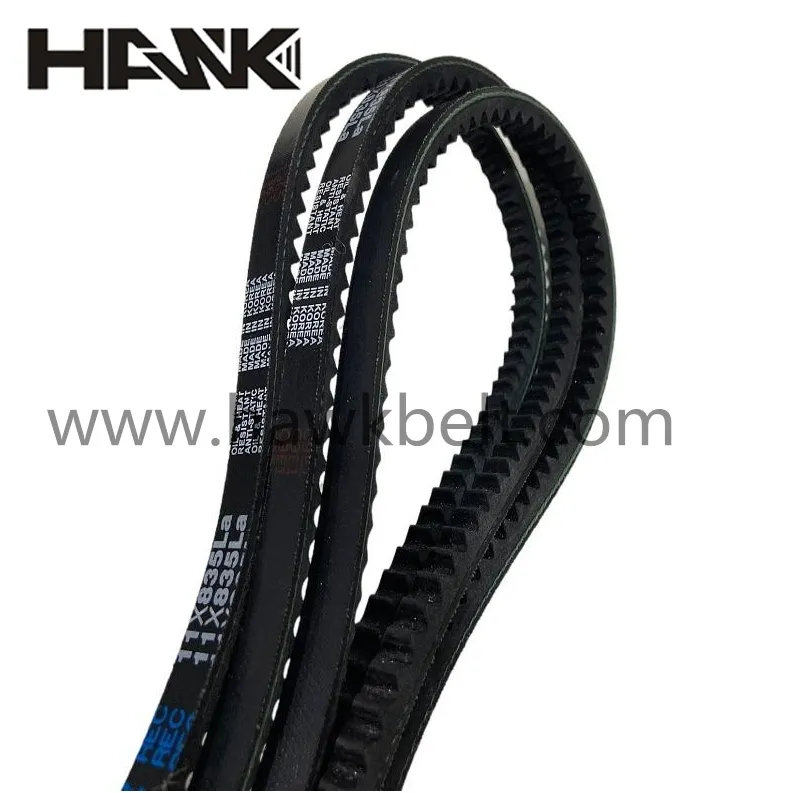
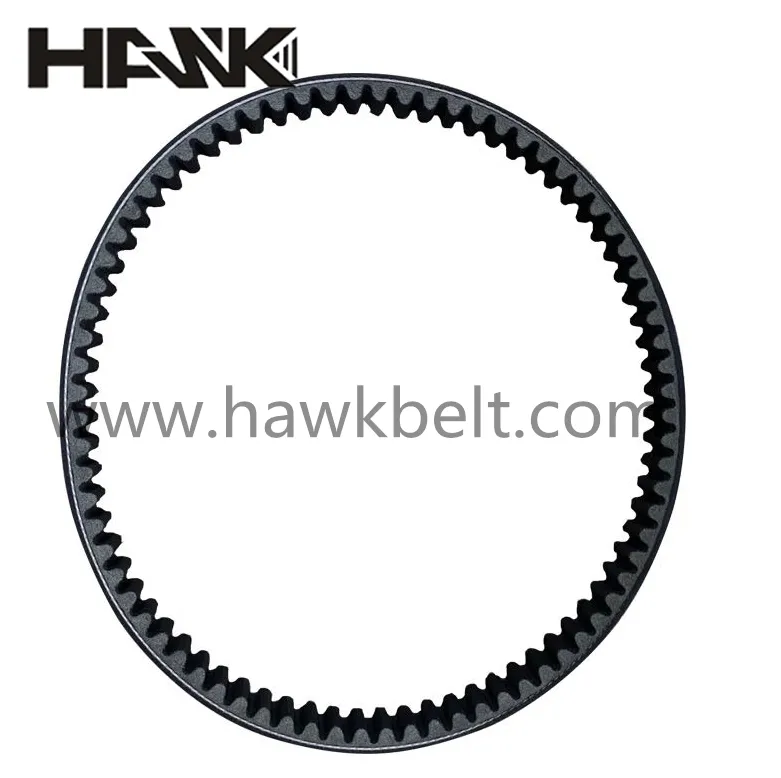
The emphasis on high-quality EPDM rubber for the RECMF8435 Teeth Belt High Quality EPDM Rubber product highlights the commitment to superior operational characteristics. EPDM's inherent resistance to temperature extremes (-40°C to +120°C), ozone degradation, and many industrial chemicals ensures a significantly longer service life and reduced maintenance in harsh environments, directly contributing to energy savings by maintaining consistent power transmission efficiency over time.
Key Technical Specifications and Material Considerations
Selecting the appropriate poly v belt types requires a thorough understanding of their technical specifications and the materials used in their construction. The performance of a poly V belt is largely dictated by its profile, length, and the chemical composition of its poly v belt material.
Poly V Belt Profiles:
- PH: Very fine profile, used for extremely compact drives, often in domestic appliances.
- PJ: Fine profile, common in power tools, small machines, and automotive accessories. Rib width approximately 2.34 mm.
- PK: Standard profile for automotive accessory drives (serpentine belts), widely used in industrial applications for compact drives. Rib width approximately 3.56 mm.
- PL: Medium profile, suitable for heavier industrial machinery, pumps, and larger compressors. Rib width approximately 4.70 mm.
- PM: Heavy-duty profile for very high power transmission, used in crushers, mills, and large industrial installations. Rib width approximately 9.40 mm.
In contrast to the single-plane contact of a flat rubber belt material or the side-wall friction of traditional V-belts, poly V belts achieve power transmission through multiple ribs engaging with corresponding grooves on the pulley. This design allows for higher speed ratios, reduced vibration, and quieter operation. The material composition of the belt, particularly the elastomeric compound, dictates its resistance to environmental factors and its friction coefficient. EPDM, for example, offers superior ozone and heat resistance compared to neoprene, prolonging service life significantly.
Product Specification Table: RECMF8435 Teeth Belt High Quality EPDM Rubber
| Parameter | Specification |
|---|---|
| Product Name | RECMF8435 Teeth Belt High Quality EPDM Rubber |
| Material | High Quality EPDM Rubber |
| Belt Type | Poly V Belt (Specific Profile/Rib Count based on RECMF8435 standard, typically PK) |
| Temperature Range | -40°C to +120°C (-40°F to +248°F) |
| Ozone Resistance | Excellent |
| Oil Resistance | Good |
| Tensile Member | High-strength Polyester Cords |
| Flexibility | High, suitable for small pulley diameters |
| Applications | Industrial machinery, HVAC, automotive accessory drives, pumps, generators |
| Key Advantage | Enhanced power transmission, extended service life, reduced noise and vibration |
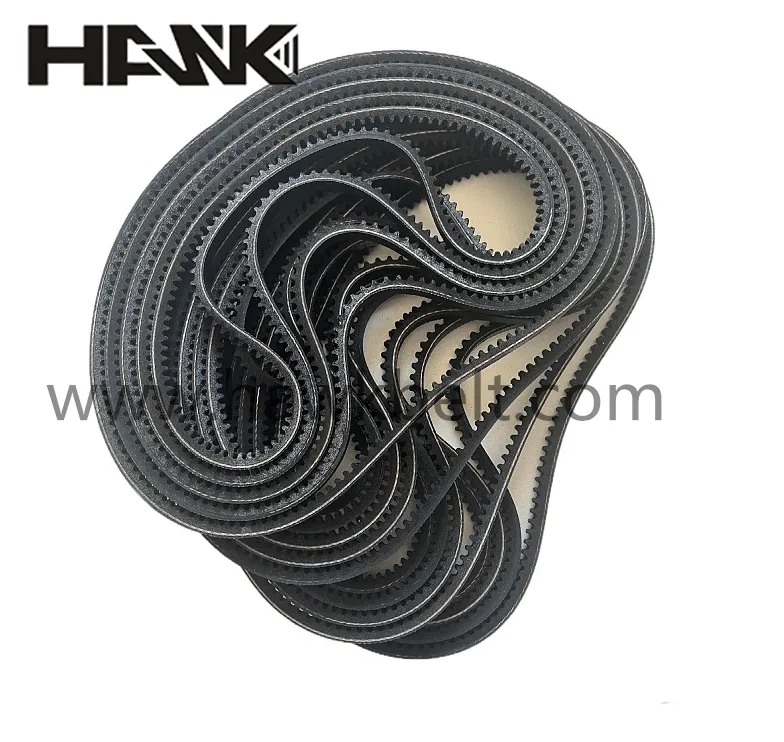
This table illustrates the robust design and material superiority of products like the RECMF8435. The high-quality EPDM rubber ensures excellent resistance to environmental degradation, a common failure point for belts made from inferior flat belt material.
Industry Trends and Innovation in Belt Technology
The industrial belt market is continually evolving, driven by demands for increased efficiency, durability, and reduced environmental impact. Key trends influencing the development of poly v belt types include:
- Enhanced Energy Efficiency: Modern belt designs, including precision-molded ribs and advanced tension members, are engineered to minimize frictional losses and maximize power transfer. This directly translates to reduced energy consumption and operational costs for end-users, a critical factor in today's competitive landscape.
- Higher Power Density: With equipment becoming more compact, there's a constant push for belts that can transmit more power within smaller envelopes. Poly V belts, with their superior contact area and load distribution, are at the forefront of this trend, often allowing for fewer ribs or narrower belts to achieve the same or greater power output than older stationary engine flat belts or traditional V-belts.
- Extended Service Life and Maintenance Reduction: Innovations in poly v belt material science, particularly in EPDM and HNBR compounds, have led to belts with significantly improved resistance to heat, ozone, oil, and abrasion. This translates to longer replacement intervals, less downtime, and lower overall maintenance costs.
- Smart Belt Technologies: The integration of sensors for condition monitoring (e.g., tension, temperature, vibration) is an emerging trend. These "smart belts" provide real-time data, enabling predictive maintenance and preventing catastrophic failures, further enhancing reliability and operational efficiency.
- Environmental Sustainability: Manufacturers are increasingly focusing on eco-friendly production processes and materials, including the reduction of hazardous substances and improved recyclability, aligning with global sustainability initiatives.
These advancements are critical for industries that rely on continuous operation, such as petrochemical plants, metallurgical facilities, and water treatment systems, where equipment failure can lead to significant economic losses and safety hazards.
Application Scenarios Across Diverse Industries
The versatility and high performance of poly v belt types make them indispensable across a vast array of industrial and commercial applications. Their ability to handle high speeds, transmit significant power, and operate quietly positions them as a preferred choice for modern machinery.
- HVAC Systems: In heating, ventilation, and air conditioning units, poly V belts drive large fans, blowers, and compressors. Their smooth operation reduces vibration and noise, crucial for occupant comfort, while their efficiency contributes to lower energy consumption in commercial and industrial buildings.
- Automotive Industry: Widely known as serpentine belts, PK profile poly V belts drive multiple accessories in vehicle engines, including alternators, power steering pumps, water pumps, and air conditioning compressors. Their compact design allows for a single belt to manage several components, simplifying engine layouts and reducing space requirements.
- Industrial Machinery: From textile machinery to woodworking equipment, and from food processing lines to material handling systems, poly V belts provide reliable power transmission for pumps, conveyors, grinders, and mixers. Their consistent performance is vital for maintaining production continuity and product quality.
- Agricultural Equipment: Used in various farm machinery such as harvesters, tractors, and irrigation pumps, these belts are subjected to harsh conditions including dust, moisture, and fluctuating temperatures. The robust poly v belt material, often EPDM, ensures longevity and resistance to these environmental challenges.
- Fitness Equipment: Treadmills, ellipticals, and other exercise machines benefit from the quiet and smooth operation of poly V belts, enhancing user experience and equipment durability.
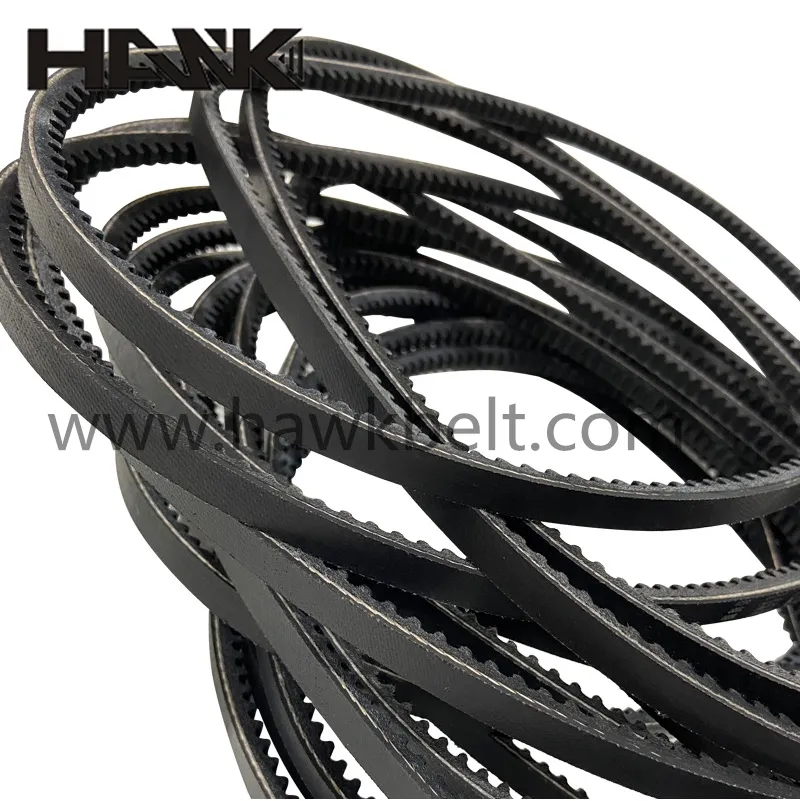
Compared to older systems that might use several individual V-belts or wider flat belt material, poly V belts offer a streamlined, more efficient, and often more compact solution. Their uniform load distribution across multiple ribs mitigates belt "flipping" and ensures stable operation even under varying load conditions.
Technical Advantages of Poly V Belts
The engineering design of poly V belts confers several distinct technical advantages over other belt drive systems, making them a preferred choice for demanding industrial and commercial applications.
- High Power Transmission in Compact Spaces: The multi-ribbed design of poly V belts significantly increases the contact area between the belt and the pulley compared to single V-belts or flat belts. This allows for higher power transmission capacity within a smaller width, enabling more compact and lightweight drive designs.
- Excellent Flexibility and Reduced Heat Buildup: The thin, flexible construction allows for operation over smaller pulley diameters and reverse bends, which can lead to more versatile drive layouts. This flexibility, coupled with efficient heat dissipation due to larger surface area relative to thickness, reduces operational temperatures, extending belt life.
- Low Vibration and Noise: The uniform load distribution across multiple ribs, combined with advanced rubber compounds, results in smoother operation with minimal vibration and noise. This is particularly advantageous in environments requiring quiet operation or where vibration can affect sensitive equipment.
- High Speed Capabilities: Poly V belts are engineered to perform efficiently at very high speeds, often exceeding the capabilities of traditional V-belts, making them ideal for high-speed machinery and drives.
- Long Service Life and Reduced Maintenance: With high-quality EPDM or HNBR poly v belt material and robust construction, these belts offer excellent resistance to factors like heat, ozone, oil, and abrasion. This translates to significantly extended service intervals, reduced downtime, and lower overall maintenance costs compared to less resilient flat rubber belt material.
- Slip Resistance: The multiple points of contact provided by the ribs reduce the likelihood of slippage, ensuring more consistent power delivery and efficiency, even under dynamic load conditions.
These advantages collectively contribute to higher operational reliability and total cost of ownership benefits for industrial operators, reinforcing the value proposition of modern poly v belt types.
Vendor Comparison and Customized Solutions
Choosing the right supplier for poly v belt types is as crucial as selecting the right belt itself. B2B decision-makers must evaluate vendors based on a comprehensive set of criteria, including product quality, technical support, customization capabilities, and adherence to industry standards.
Key Factors for Vendor Selection:
- Certifications and Quality Assurance: Look for ISO 9001 certified manufacturers that demonstrate robust quality management systems. Certifications like IATF 16949 (for automotive) or adherence to specific ANSI/RMA standards indicate a commitment to superior product quality and reliability. HawkBelt, for instance, emphasizes high-quality EPDM rubber and adherence to industry-standard testing protocols.
- R&D and Innovation: Leading vendors invest in research and development to bring advanced materials and designs to market, offering belts with enhanced performance characteristics (e.g., higher temperature resistance, greater power density, smart features).
- Technical Support and Expertise: A knowledgeable technical team that can assist with belt selection, drive design calculations, and troubleshooting is invaluable. This expertise ensures optimal system performance and longevity.
- Customization Capabilities: For unique applications, standard off-the-shelf belts may not suffice. Vendors offering customized solutions in terms of length, width (rib count), poly v belt material, and special coatings can provide significant value. This might include specific blends for extreme chemical exposure or anti-static properties.
- Supply Chain and Logistics: Reliable lead times, efficient fulfillment, and a strong global distribution network are essential for maintaining production schedules and minimizing downtime.
Generic Vendor Comparison (Illustrative):
| Feature/Criterion | Vendor A (Standard) | Vendor B (Budget) | HawkBelt (Premium/Specialized) |
|---|---|---|---|
| Product Range | Standard profiles (PJ, PK, PL) | Limited standard profiles | Extensive, including specialized and custom sizes |
| Primary Material | Neoprene/EPDM | Basic Rubber Compounds | High-Quality EPDM, HNBR for specific applications |
| Certifications | ISO 9001 | Basic QC | ISO 9001, stringent internal quality standards, product-specific testing |
| Customization | Limited (length) | Minimal | Extensive (profile, material, length, special features) |
| Technical Support | Standard support | Email only | Dedicated engineering support, application guidance |
| Warranty/Lead Time | Standard 1 year / 4-6 weeks | Varies / Longer | Competitive warranty / Flexible, efficient lead times |
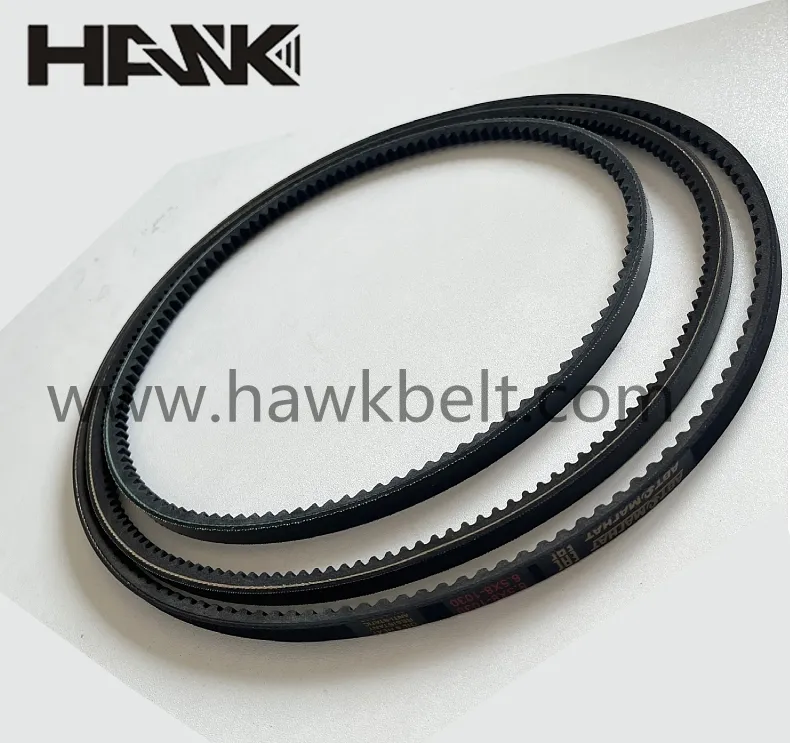
HawkBelt aims to position itself in the premium/specialized category, offering high-quality EPDM poly v belt types like the RECMF8435, backed by robust support and customization options.
Real-World Application Case Studies
The practical benefits of advanced poly v belt types are best demonstrated through real-world applications where they have significantly improved operational efficiency and reliability.
Case Study 1: Petrochemical Plant Pump Drive Optimization
A major petrochemical facility was experiencing frequent failures and high maintenance costs with their conventional V-belt drives on critical process pumps, operating in environments with elevated temperatures and chemical exposure. Downtime for belt replacement was impacting production schedules significantly.
- Challenge: High heat, chemical exposure, frequent belt failures, extensive maintenance.
- Solution: Replaced existing V-belts with EPDM poly v belt types (similar to RECMF8435 specifications) known for superior heat and chemical resistance.
- Results: Belt service life extended by 150%, reducing unscheduled downtime by 70%. The enhanced grip and stability of the poly V belts also led to a measurable 3% improvement in pump efficiency due to reduced slippage, contributing to energy savings. Annual maintenance costs for belt drives were reduced by 40%.
Case Study 2: HVAC System Upgrade for Energy Efficiency
A large commercial building sought to improve the energy efficiency of its HVAC system, which utilized older flat rubber belt material to drive large air handling units. The flat belts were prone to slippage and required frequent tension adjustments.
- Challenge: Energy inefficiency due to belt slippage, high maintenance for tensioning, noise.
- Solution: Upgraded to modern poly V belts (PK profile) with optimized rib design for higher efficiency. This allowed for a more compact drive, freeing up space.
- Results: Reduced energy consumption for the HVAC system by an estimated 5-7% annually. Noise levels from the air handling units dropped by 8 dB, significantly improving the building's acoustic environment. Belt replacement frequency was halved, reducing labor costs.
Case Study 3: Replacing Stationary Engine Flat Belts in Rural Generators
In remote agricultural settings, reliance on older stationary engine flat belts for generator drives often led to inconsistent power output and frequent belt failures due to environmental factors like dust and temperature fluctuations.
- Challenge: Unreliable power transmission, high wear, and short life span of flat belts in harsh rural environments.
- Solution: Retrofitted generator drives with robust EPDM poly V belts, specifically chosen for their durability and resistance to environmental contaminants.
- Results: Significantly improved power stability and reliability of the generators, crucial for uninterrupted operations. Belt life increased by over 200%, drastically reducing the need for emergency field repairs and part replacements in remote locations.
Frequently Asked Questions (FAQ)
Q1: What are the primary advantages of poly V belts over traditional V-belts?
A1: Poly V belt types offer several advantages, including higher power transmission capacity in a more compact space, superior flexibility for smaller pulley diameters, smoother and quieter operation with less vibration, and extended service life due to better heat dissipation and material properties like EPDM. They also ensure more consistent power delivery by minimizing slippage.
Q2: How do I select the correct poly V belt for my application?
A2: Proper selection involves considering several factors: the required power transmission, operating speed, pulley diameters, center distance, environmental conditions (temperature, oil, chemicals), and the specific profile (e.g., PJ, PK, PL). Consulting a manufacturer's technical catalog or contacting their engineering support team for drive design calculations is highly recommended to ensure optimal performance and longevity.
Q3: What are the benefits of EPDM as a poly v belt material?
A3: EPDM (Ethylene Propylene Diene Monomer) rubber is a premium material known for its excellent resistance to high temperatures (-40°C to +120°C), ozone, UV radiation, and weathering. This makes EPDM poly V belts exceptionally durable in harsh outdoor or industrial environments, significantly extending their service life and reducing the frequency of replacements compared to belts made from standard rubber compounds.
Q4: What maintenance is required for poly V belts?
A4: While poly V belts are low-maintenance, regular inspection is recommended. This includes checking for proper tension (using tension meters), signs of wear (cracking, fraying, material loss), and any foreign material accumulation in the grooves. Ensure pulley alignment is accurate to prevent premature wear. Belts generally do not require lubrication.
Q5: What is the typical service life of a high-quality poly V belt?
A5: The service life can vary significantly based on application, operating conditions, and maintenance practices. However, high-quality EPDM poly v belt types, when properly installed and maintained in suitable conditions, can often provide 3 to 5 years of reliable service, and in some less demanding applications, even longer. Adherence to manufacturer guidelines is crucial for maximizing lifespan.
Logistics, Warranty, and Customer Support
At HawkBelt, we understand that product quality must be matched by robust logistics and exceptional customer service to deliver comprehensive value to our B2B clients.
Lead Time and Fulfillment:
We maintain efficient production schedules and strategic inventory management to ensure timely delivery. Standard poly v belt types orders typically have a lead time of 2-4 weeks, depending on volume and specific product configuration. For customized solutions or large-volume orders, lead times will be communicated clearly during the quotation process. We work with established logistics partners to ensure secure and prompt global delivery. Expedited shipping options are available upon request to meet urgent operational needs.
Warranty Commitments:
HawkBelt stands behind the quality and craftsmanship of all our products, including the RECMF8435 Teeth Belt High Quality EPDM Rubber. We offer a standard warranty of 1-2 years from the date of purchase against manufacturing defects under normal operating conditions. This warranty reflects our confidence in our materials and production processes, providing our clients with peace of mind. Specific warranty terms and conditions are detailed in our sales agreements and can be provided upon request.
Customer Support and After-Sales Service:
Our commitment extends beyond product delivery. HawkBelt provides comprehensive after-sales support to ensure the optimal performance of your drive systems. Our dedicated technical support team comprises experienced engineers ready to assist with:
- Technical Advice: Expert guidance on belt selection, drive design optimization, and application-specific challenges.
- Troubleshooting: Assistance in diagnosing and resolving performance issues.
- Installation and Maintenance Best Practices: Recommendations to maximize belt life and operational efficiency.
- Replacement Parts: Efficient processing of orders for replacement belts and associated components.
We believe that strong partnerships are built on trust and reliable support. Our goal is to be a long-term partner in your operational success, offering not just products, but complete solutions.
References
- ISO 9982:2018. Belt drives - Grooved pulleys for V-ribbed belts - PK profile. International Organization for Standardization.
- RMA IP-26: V-Ribbed Belt Drives. Rubber Manufacturers Association (now U.S. Tire Manufacturers Association).
- Day, A. J. (2007). Drive belt materials: Rubber compounds for optimal performance. Journal of Rubber Chemistry and Technology, 80(3), 425-442.
- Kulkarni, S. V., & Sharma, V. K. (2012). Design and analysis of a Poly-V belt drive system. International Journal of Engineering Science and Technology, 4(7), 3326-3330.
- Gates Corporation Technical Handbook: Industrial Belt Drives.
-
Comprehensive Guide to Selecting High Performance drive belts
NewsApr.16,2026
-
Guide to Choosing the Right Fan Belt for Car Performance
NewsApr.09,2026
-
Understanding and Maintaining Your Vehicle's Serpentine Belt for Optimal Performance
NewsApr.07,2026
-
Choosing the Right Steering Belt for Optimal Vehicle Performance and Safety
NewsApr.04,2026
-
Understanding the Serpentine Belt for Optimal Vehicle Performance
NewsMar.31,2026
-
Comprehensive Guide to Understanding Your Fan Belt Car and Maintenance
NewsMar.28,2026