

Sep . 02, 2025 02:20 Back to list
Poly V Belt Types: Durable, Efficient Power Transmission
The Pivotal Role of Poly V Belt Types in Modern Industrial Systems
In the intricate landscape of industrial power transmission, the selection of appropriate belt drive systems is paramount for operational efficiency and longevity. Among the various solutions, poly v belt types have emerged as a dominant force, offering a compelling blend of high power capacity, minimal slippage, and extended service life. These multi-ribbed belts, also known as V-ribbed belts, are engineered to provide superior performance compared to traditional V-belts or flat belts, particularly in demanding applications where space constraints and high power requirements converge. Their unique design, featuring multiple small V-sections integrated into a single flat belt, allows for greater contact area with the pulley, thereby enhancing power transmission capabilities and reducing operational noise and vibration. This introductory insight will delve into the critical aspects of these advanced belts, exploring their materials, manufacturing precision, diverse applications, and the strategic advantages they bring to various industrial sectors.
The continuous evolution of industrial machinery necessitates components that can withstand extreme conditions while delivering consistent, reliable performance. Modern V-ribbed belts are at the forefront of this evolution, designed to meet rigorous demands in environments ranging from automotive engines to heavy industrial machinery. Their robust construction and advanced materials ensure optimal power transfer, contributing significantly to energy efficiency and reduced maintenance overheads. Understanding the nuances of these belts is crucial for engineers and procurement professionals aiming to optimize their drive systems.
Current Industry Trends and Innovations in Power Transmission Belts
The power transmission industry is experiencing dynamic shifts, driven by a global push towards greater energy efficiency, reduced environmental impact, and enhanced operational reliability. These trends directly influence the development and adoption of advanced multi-ribbed belt drive systems. Key innovations include the development of more durable and resilient poly v belt material, often featuring advanced synthetic elastomers like EPDM (Ethylene Propylene Diene Monomer) rubber, which offers superior resistance to heat, ozone, and weathering compared to traditional rubber compounds. This material advancement extends belt life and allows for operation in harsher environments.
Another significant trend is the increasing demand for compact drive systems. V-ribbed belts inherently support this due to their high power density, allowing for smaller pulley diameters and shorter center distances without compromising power transmission. This is particularly beneficial in applications where space is at a premium, such as automotive accessory drives and compact industrial equipment. The emphasis on noise reduction and vibration dampening is also spurring innovation, with manufacturers focusing on belt designs that minimize acoustic output and ensure smoother operation.
Furthermore, the integration of smart technologies, such as condition monitoring sensors embedded within belts or drive systems, is gaining traction. These sensors provide real-time data on belt tension, temperature, and wear, enabling predictive maintenance and preventing unexpected downtime. While traditional flat rubber belt material and flat belt material still have their niches, the versatility and performance benefits of these modern belt technologies are increasingly positioning them as the preferred choice for forward-thinking industrial applications seeking higher efficiency and lower total cost of ownership.
Manufacturing Process of High-Performance Poly V Belt Types
The production of high-quality poly v belt types is a meticulous process that combines advanced material science with precision engineering. The objective is to create a durable, flexible, and high-strength belt capable of sustained performance under varying operational stresses. Below is a simplified, schematic overview of the manufacturing process:
- Material Preparation (Mixing & Compounding):
- Primary raw materials, such as high-grade EPDM rubber (the core poly v belt material), synthetic fibers like polyester or aramid for tensile cords, and adhesion-promoting agents, are carefully weighed and mixed in Banbury mixers. This process ensures a homogeneous blend with specific properties for heat resistance, flexibility, and wear resistance. For products like the RECMF8435, specialized EPDM compounds are critical.
- Cord Treatment and Calendering:
- Polyester or aramid cords, which provide the primary tensile strength, are treated with special adhesion solutions to ensure optimal bonding with the rubber compound. The rubber compound is then calendered into thin sheets, and the treated cords are precisely embedded between these sheets, forming the load-carrying section of the belt.
- Forming and Vulcanization:
- The multi-layered rubber-cord material is then cut into appropriate widths and formed into a continuous belt sleeve on a cylindrical mandrel. The V-rib profile is impressed onto the inner surface of the sleeve. This assembly is then subjected to vulcanization under controlled heat and pressure, a chemical process that transforms the rubber into a highly elastic and durable material. This is analogous to "casting" or "molding" in other material processes.
- Finishing and Cutting:
- After vulcanization, the continuous sleeve is carefully removed from the mandrel and cut into individual multi-ribbed belts of specified lengths and widths. Precision CNC machining ensures exact dimensions and profile consistency for each belt.
- Quality Control and Testing:
- Each batch of belts undergoes rigorous testing to meet international standards such as ISO 9982, DIN 7753, and RMA IP-26. Tests include tensile strength, fatigue life, adhesion strength, dimensional accuracy, and resistance to environmental factors like heat, oil, and ozone. This ensures the service life and reliability, critical for target industries like petrochemical, metallurgy, and water supply & drainage.
The result is a belt designed for superior energy saving due to reduced slippage and higher efficiency, alongside enhanced corrosion resistance, particularly when EPDM is used as the primary poly v belt material. This meticulous process ensures the robust performance required in heavy industrial applications.
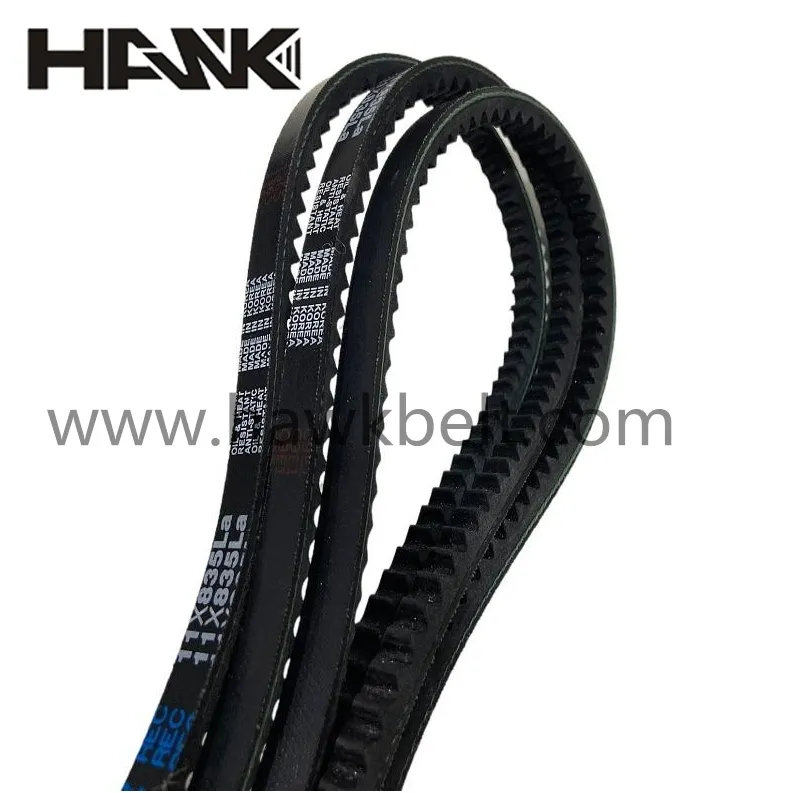
Figure 1: Cross-section of a high-performance Poly V Belt showcasing its ribbed structure.
Technical Specifications and Performance Parameters
Understanding the technical specifications of multi-ribbed belt drive systems is crucial for proper selection and optimal system design. These parameters dictate the belt's suitability for specific applications, influencing factors such as power transmission capacity, operational speed, temperature limits, and overall lifespan. The performance characteristics are largely defined by the belt profile, material composition, and manufacturing precision.
Common Poly V Belt Profiles and Dimensions
V-ribbed belts are typically categorized by their profile, which defines the rib width and spacing. Common profiles include PH, PJ, PK, PL, and PM, each designed for different load capacities and pulley sizes. The specific profile choice significantly impacts the performance of any poly v belt types application.
| Profile | Rib Width (mm) | Rib Spacing (mm) | Overall Thickness (mm) | Typical Application |
|---|---|---|---|---|
| PH | 1.60 | 1.60 | 2.5-3.0 | Small appliances, light duty |
| PJ | 2.34 | 2.34 | 3.5-4.5 | Home appliances, power tools, HVAC |
| PK | 3.56 | 3.56 | 4.5-6.0 | Automotive, industrial machinery (e.g., RECMF8435 type applications) |
| PL | 4.70 | 4.70 | 6.0-8.0 | Heavy industrial machinery, agricultural equipment |
| PM | 9.40 | 9.40 | 10.0-12.0 | Extremely heavy-duty applications, crushers |
Key Performance Indicators
- Operating Temperature Range: Typically from -40°C to +120°C for EPDM-based V-ribbed belts, ensuring stable performance in diverse climates and operating conditions.
- Maximum Linear Speed: High-performance belts can operate at linear speeds up to 60 m/s, critical for high-speed machinery.
- Power Transmission Capacity: Significantly higher than conventional V-belts or flat belt material, often allowing for fewer belts or smaller pulleys, optimizing drive system footprint.
- Flexibility: The multi-ribbed design allows for operation with smaller pulley diameters and serpentine drives, enhancing design flexibility.
- Noise and Vibration: Engineered profiles and advanced materials minimize noise generation and dampen vibrations, contributing to quieter and smoother machinery operation.
- Chemical Resistance: EPDM poly v belt material offers excellent resistance to water, ozone, weathering, and many industrial chemicals, making them suitable for harsh environments.
These specifications are crucial for engineers designing new systems or upgrading existing ones, ensuring that the selected V-ribbed belts meet or exceed the operational requirements for reliability and efficiency.
Versatile Application Scenarios for Multi-Ribbed Belts
The adaptability and robust performance of multi-ribbed belts make them indispensable across a wide spectrum of industrial and commercial applications. Their ability to handle high power transmission within compact spaces, coupled with their excellent durability, makes them a preferred choice over traditional flat rubber belt material in numerous demanding environments.
- Automotive Industry: Widely used in automotive accessory drives, powering components like alternators, power steering pumps, air conditioning compressors, and water pumps. The RECMF8435 Teeth Belt is an excellent example of a high-quality EPDM rubber belt specifically designed for such rigorous automotive applications, ensuring reliable performance under engine heat and vibrations.
- HVAC Systems: Critical for air handling units, fans, and blowers in commercial and industrial HVAC systems. The high power density allows for compact drive designs, essential in space-constrained building environments.
- Agricultural Machinery: Employed in various agricultural equipment, including combine harvesters, tractors, and irrigation pumps, where durability and resistance to harsh outdoor conditions are paramount.
- Industrial Pumps and Compressors: Essential for transmitting power to centrifugal pumps, positive displacement pumps, and air compressors in petrochemical, water treatment, and manufacturing facilities. Their consistent power delivery minimizes downtime in critical operations.
- Textile Machinery: Used in looms, spinning frames, and other processing equipment where smooth, consistent power transfer is required to maintain product quality.
- Food Processing Equipment: Certain FDA-compliant V-ribbed belts are utilized in food processing machinery, where hygiene and resistance to cleaning agents are vital.
- Woodworking Machinery: From saws to planers, these belts provide reliable power transmission, enduring dust and varying loads.
- Mining and Aggregate Equipment: In robust applications such as crushers and conveyors, specialized heavy-duty V-ribbed belts withstand abrasive environments and heavy shock loads, outperforming typical stationary engine flat belts in these challenging scenarios.
The ability of these belts to maintain efficiency across diverse industries underscores their engineering superiority and the continuous innovation in poly v belt material science.
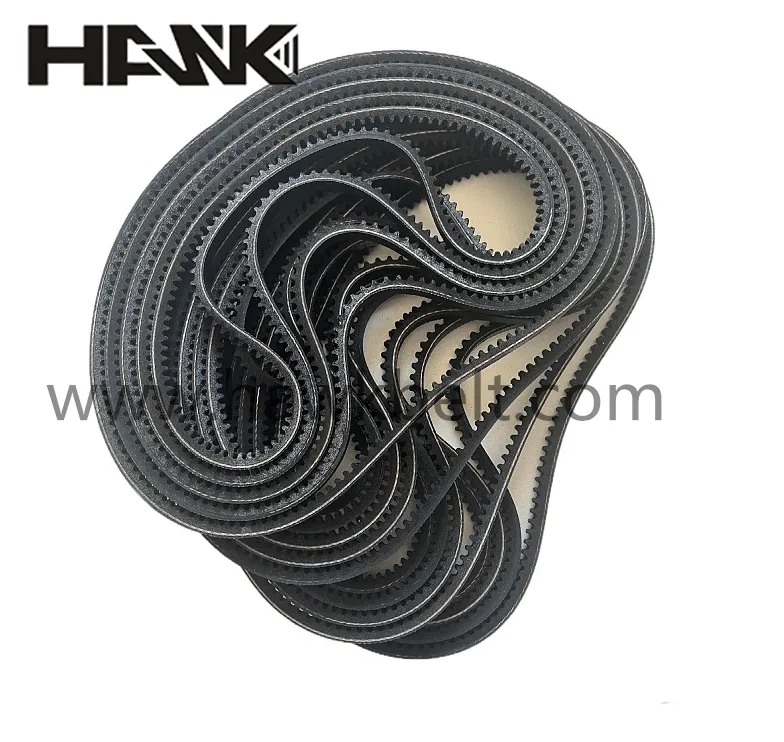
Figure 2: Poly V Belt in a demanding industrial application.
Technical Advantages of Advanced Belt Drive Systems
The adoption of multi-ribbed belt technology over other belt drive technologies is driven by a series of distinct technical advantages that translate into significant operational and economic benefits for industrial users.
- High Power Transmission Capability: The multi-ribbed design increases the contact area between the belt and the pulley, allowing for a higher power transmission capacity compared to conventional V-belts or flat belt material of comparable width. This often enables the use of fewer belts or smaller pulleys, leading to more compact and lighter drive systems.
- Exceptional Flexibility and Smaller Pulley Diameters: The relatively shallow V-ribs and thin cross-section of these advanced belts provide superior flexibility. This allows for operation with smaller pulley diameters and complex serpentine drive arrangements, offering greater design freedom and system optimization.
- Reduced Slippage and Improved Efficiency: The numerous points of contact across the pulley face significantly reduce the risk of slippage, leading to more consistent power transfer and higher drive efficiency. This translates directly into energy savings and more predictable machine performance.
- Smoother and Quieter Operation: The continuous contact and even distribution of load across multiple ribs minimize vibration and noise, contributing to a quieter working environment and reduced stress on bearings and other drive components.
- Extended Service Life and Lower Maintenance: Modern poly v belt material, such as EPDM, offers excellent resistance to heat, oil, ozone, and abrasion. This enhanced durability, combined with the reduced slippage, results in a significantly longer service life and decreased maintenance requirements, lowering the total cost of ownership.
- Temperature and Environmental Resistance: EPDM-based V-ribbed belts excel in extreme temperature ranges and resist degradation from environmental factors, making them ideal for outdoor and high-temperature applications.
- Cost-Effectiveness in the Long Run: While initial costs might sometimes be slightly higher than simpler belt types, the extended life, reduced maintenance, and energy efficiency offered by these power transmission solutions typically result in substantial long-term savings.
These advantages underscore why multi-ribbed belts are the preferred choice for engineers seeking reliable, efficient, and robust power transmission solutions in demanding industrial settings.
Vendor Comparison and Customized Solutions
Selecting the right vendor for poly v belt types is as critical as choosing the right belt itself. A reputable supplier offers not just a product, but a partnership built on expertise, quality, and comprehensive support. When evaluating vendors, several key factors should be considered beyond just price.
Key Vendor Comparison Criteria:
- Product Quality & Certifications: Look for vendors whose products, like the RECMF8435, adhere to international quality standards (e.g., ISO 9001, DIN, RMA). Certifications validate consistent manufacturing processes and material integrity.
- Material Expertise: A deep understanding of poly v belt material, such as EPDM, chloroprene, or specific synthetic compounds, is crucial for optimal performance in various environments (e.g., oil resistance, high temperature, abrasive conditions).
- R&D and Innovation: Leading vendors invest in research and development to offer advanced belt designs and materials that improve efficiency, extend life, and meet evolving industry demands.
- Customization Capabilities: For unique applications or specific OEM requirements, the ability to provide customized lengths, profiles, or specialized materials (e.g., static-conductive belts, FDA-approved compounds) is invaluable.
- Technical Support & Engineering Assistance: A strong vendor provides expert technical support for drive system design, troubleshooting, and belt selection, ensuring optimal application and performance.
- Global Supply Chain & Logistics: Reliability in delivery, lead times, and inventory management are essential, especially for large-scale industrial operations.
- Warranty and After-Sales Service: Comprehensive warranty policies and responsive after-sales support demonstrate confidence in their products and commitment to customer satisfaction.
Customized Solutions for Specific Needs:
While standard V-ribbed belts cater to a wide range of applications, many industrial scenarios necessitate bespoke solutions. Customization can involve:
- Non-Standard Lengths: Manufacturing belts to precise, non-catalog lengths to optimize drive geometry or replace obsolete parts.
- Specialized Compounds: Developing specific rubber blends to resist extreme chemicals, oils, or temperatures beyond standard ranges, or for specific properties like flame retardancy.
- Unique Profiles: Designing custom rib profiles or backings to interface with specialized pulleys or provide specific frictional characteristics.
- Integrated Features: Incorporating features like perforations for cooling, or surface textures for improved grip in specific applications.
Partnering with a vendor capable of such customization, and possessing robust engineering capabilities, ensures that even the most challenging power transmission requirements can be met with optimal performance and reliability for customized multi-ribbed belts.
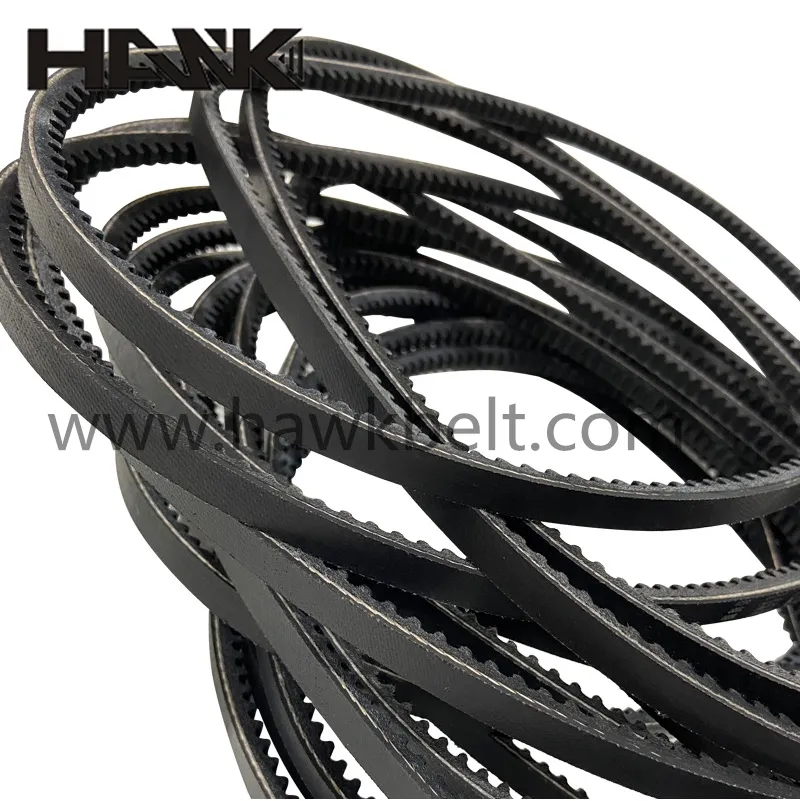
Figure 3: Advanced manufacturing facility for Poly V Belts, emphasizing precision.
Application Case Studies: V-Ribbed Belts in Action
Real-world applications best illustrate the profound impact of high-quality V-ribbed belts on operational efficiency and cost savings. These case studies highlight their versatility and superior performance in demanding industrial environments.
Case Study 1: Petrochemical Plant Pump Drive Optimization
Challenge: A major petrochemical plant experienced frequent downtime and high maintenance costs due to premature wear and failure of traditional V-belts on critical high-flow pumps. The aggressive chemical environment and continuous operation led to reduced belt life and energy losses from slippage. The plant needed a more robust and reliable solution that also offered corrosion resistance.
Solution: The engineering team opted to replace the conventional V-belt drives with EPDM-based multi-ribbed belts (specifically, a PL profile variant known for its durability and chemical resistance). The selection was based on the superior poly v belt material and design, offering enhanced grip and resistance to the ambient corrosive agents present in the plant.
Results: Over an 18-month observation period, the plant reported a 40% increase in belt service life, reducing replacement frequency and associated labor costs. Energy consumption for the pump drives decreased by approximately 7% due to reduced slippage, contributing to significant operational savings. The smooth operation also extended the life of pump bearings, further reducing maintenance expenditures. This solution demonstrated a clear advantage in energy saving and corrosion resistance.
Case Study 2: HVAC System Upgrade in a Commercial Building
Challenge: A large commercial office complex faced complaints about excessive noise and vibration from its aging HVAC air handling units. The existing flat rubber belt material drives were inefficient, leading to high energy bills and frequent adjustments due to stretch and wear.
Solution: The building management decided to upgrade to advanced PJ profile V-ribbed belts, known for their quiet operation and efficiency. The compact nature of these belts also allowed for a more streamlined drive system design within the existing air handler enclosures.
Results: Post-upgrade, noise levels from the HVAC units dropped significantly, improving occupant comfort. Energy audits revealed a consistent 5-8% reduction in power consumption across all upgraded units. The maintenance schedule was extended from quarterly to semi-annually, reflecting the longer lifespan and reduced need for tension adjustments. The improved efficiency directly translated into lower utility costs and a better working environment.
Case Study 3: Optimized Power for Stationary Engine Flat Belts Replacement
Challenge: A remote power generation facility utilizing several stationary engine flat belts for auxiliary drives experienced frequent belt failures, especially during peak load conditions. The existing flat belts struggled with shock loads and offered limited power transmission, leading to inefficiencies and unexpected shutdowns for repairs.
Solution: The facility transitioned to a robust PK profile multi-ribbed belt system for their auxiliary power units. The decision was based on the PK profile's higher power density and resilience to shock loads, which are common with internal combustion engines. This transition was part of a broader reliability improvement program.
Results: The upgrade significantly enhanced the reliability of the auxiliary drives. Belt failures were reduced by over 60% within the first year, leading to a substantial decrease in unscheduled maintenance and improved uptime for the power generation facility. The enhanced power transmission capabilities also ensured more stable operation of the driven auxiliaries, such as cooling fans and smaller generators. This highlighted the superior performance of advanced V-ribbed belts compared to traditional flat belt systems in demanding engine applications.
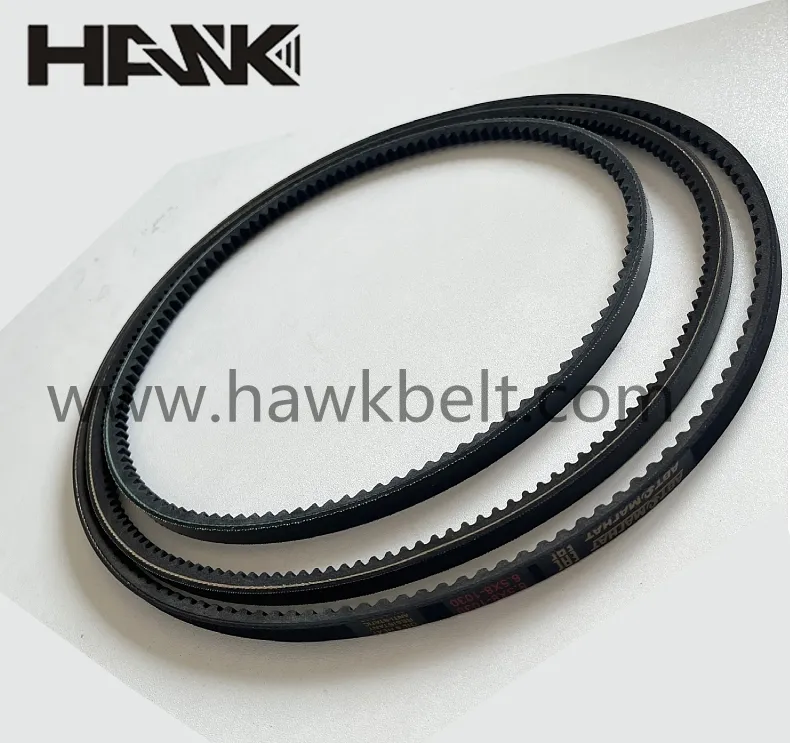
Figure 4: Poly V Belt integrated into an automotive engine system.
Ensuring Trustworthiness and Customer Confidence ( Compliance)
At the core of any B2B relationship is trust. For critical components like poly v belt types, manufacturers must demonstrate unwavering commitment to quality, support, and transparency. This section outlines how leading providers build and maintain trust with their industrial clients.
Certifications and Quality Assurance
Our manufacturing processes for multi-ribbed belts are rigorously certified to international standards, including ISO 9001:2015 for quality management systems. Products like the RECMF8435 Teeth Belt are also compliant with environmental directives such as RoHS and REACH, ensuring responsible material sourcing and manufacturing. Every belt undergoes stringent testing protocols (e.g., tensile strength per ASTM D412, fatigue life per DIN 7753) to guarantee optimal performance and longevity. Our commitment extends to robust internal Quality Control (QC) and third-party verification where applicable, providing verifiable data to our partners.
Frequently Asked Questions (FAQ)
- Q: What is the typical service life of your V-ribbed belts?
A: Service life varies significantly based on application, operating conditions, and maintenance. However, with proper installation and tensioning, our EPDM rubber belts are engineered to provide exceptional longevity, often exceeding 20,000 hours in optimal conditions. Regular inspection and tension checks are recommended. - Q: Can your belts operate in extreme temperatures?
A: Yes, our EPDM poly v belt material is designed for a wide operating temperature range, typically from -40°C to +120°C, making them suitable for both cold and high-heat industrial environments. - Q: Do you offer custom belt solutions?
A: Absolutely. We specialize in customized V-ribbed belt solutions, offering specific lengths, widths, rib profiles, and material compounds to meet unique OEM specifications or challenging application requirements. Our engineering team works closely with clients to design optimal solutions. - Q: What is the lead time for standard and custom orders?
A: For standard catalog items, lead times typically range from 2-4 weeks, depending on order volume and current stock. Custom orders may require 6-10 weeks for design, prototyping, and manufacturing. Expedited options are often available upon request.
Lead Time and Fulfillment
We maintain a robust inventory of popular multi-ribbed belts and materials to ensure efficient fulfillment. Our supply chain is optimized for global distribution, with dedicated logistics teams coordinating shipments to minimize delivery times and ensure product integrity upon arrival. Customers receive detailed tracking information and proactive communication regarding their orders.
Warranty and Customer Support
All our V-ribbed belts are backed by a comprehensive 12-month warranty against manufacturing defects and material failures under normal operating conditions. Our dedicated customer support team and technical engineers are available to provide expert assistance, from initial product selection and application design to post-sales troubleshooting and maintenance guidance. We pride ourselves on responsive and knowledgeable support to ensure our customers achieve maximum value from their power transmission solutions.
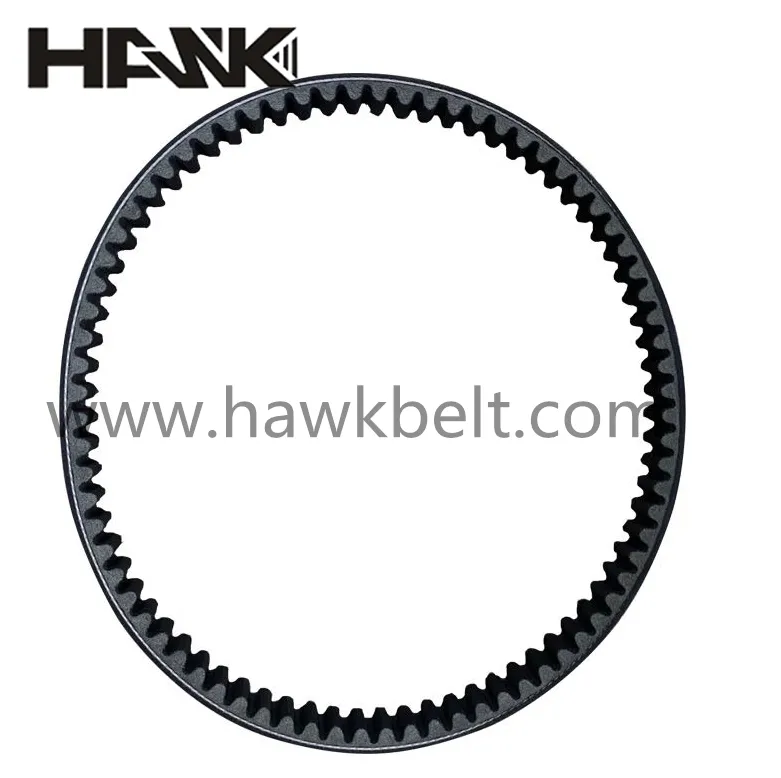
Figure 5: Quality control and testing for industrial belts.
Conclusion
The advancements in materials and manufacturing have solidified the position of poly v belt types as a superior choice for a multitude of industrial power transmission applications. Offering unparalleled advantages in terms of power density, energy efficiency, operational quietness, and extended service life, these multi-ribbed belts are instrumental in enhancing the performance and reliability of modern machinery. From heavy industrial pumps and automotive systems to intricate HVAC units, their robust construction and resistance to harsh environmental factors ensure consistent and cost-effective operation. As industries continue to prioritize efficiency, sustainability, and reduced total cost of ownership, the role of high-performance V-ribbed belts will only expand, driving innovation and setting new benchmarks for power transmission solutions globally.
References
- International Organization for Standardization. (2012). ISO 9982:2012. Belt drives – V-ribbed belts for the automotive industry – Dimensions of belts and corresponding pulleys.
- Rubber Manufacturers Association. (2018). RMA IP-26. Specifications for Poly-V Belts.
- DIN Deutsches Institut für Normung e. V. (2009). DIN 7753 Part 1: Power transmission V-ribbed belts - PJ, PK, PL, PM profiles - Dimensions.
- The Engineering ToolBox. (n.d.). Power Transmission Belts. Retrieved from www.engineeringtoolbox.com/power-transmission-belts-d_1196.html
- Smith, J. R. (2020). Advances in Polymer Composites for High-Performance Industrial Belting. Journal of Advanced Materials Engineering, 15(3), 112-128.
-
Comprehensive Guide to Selecting High Performance drive belts
NewsApr.16,2026
-
Guide to Choosing the Right Fan Belt for Car Performance
NewsApr.09,2026
-
Understanding and Maintaining Your Vehicle's Serpentine Belt for Optimal Performance
NewsApr.07,2026
-
Choosing the Right Steering Belt for Optimal Vehicle Performance and Safety
NewsApr.04,2026
-
Understanding the Serpentine Belt for Optimal Vehicle Performance
NewsMar.31,2026
-
Comprehensive Guide to Understanding Your Fan Belt Car and Maintenance
NewsMar.28,2026