

Sep . 10, 2025 09:20 Back to list
High-Precision CNC Timing Belt: Quiet, Durable, Efficient
Understanding High-Performance cnc timing belt Solutions in Industrial Automation
In the realm of industrial automation, the precision and reliability of power transmission components are paramount. A cnc timing belt is a critical element, engineered to ensure synchronous motion and precise positioning in a vast array of machinery. These specialized belts, distinct from traditional V-belts or flat belts, feature teeth that engage with corresponding grooves in pulleys, preventing slippage and maintaining exact speed ratios. This foundational principle is vital for applications demanding high accuracy, such as CNC machine tools, robotics, and advanced manufacturing systems. The evolution of materials science and manufacturing techniques has propelled the performance of these belts, offering superior durability, minimal maintenance, and energy efficiency across diverse operational environments.
Our focus delves into the technical intricacies, manufacturing excellence, and strategic advantages that modern cnc timing belt solutions bring to B2B operations, exploring how they drive efficiency, reduce downtime, and contribute to the precision engineering required in today's demanding industrial landscapes.
The Advanced Manufacturing Process of cnc timing belt
The production of a high-quality cnc timing belt is a meticulous process, combining advanced material science with precision engineering. This multi-stage manufacturing journey ensures that each belt meets stringent performance criteria for synchronous power transmission.
Key Materials and Their Properties:
- Elastomeric Body: Typically crafted from high-performance synthetic rubbers like Neoprene (chloroprene rubber) or Hydrogenated Nitrile Butadiene Rubber (HNBR). HNBR offers superior resistance to oil, chemicals, and extreme temperatures, making it ideal for harsh industrial settings. Polyurethane (PU) is also widely used for its excellent abrasion resistance and mechanical strength, particularly in open-ended or truly endless belt designs.
- Tensile Cords: The backbone of the belt's strength, these cords are embedded within the elastomeric body. Common materials include fiberglass (for high dimensional stability and low elongation), aramid fibers (for exceptional tensile strength and flexibility), and steel (for very high load applications and minimal stretch). These cords are carefully wound to ensure uniform tension distribution.
- Facing Fabric (Tooth Surface): A low-friction, high-wear-resistance nylon fabric often covers the teeth. This fabric reduces the coefficient of friction, protects the teeth from wear, and improves overall operational efficiency and quietness, contributing to the silentsync belt characteristic.
Manufacturing Process Flow:
The process can be visualized through these critical steps:
- Material Preparation: Raw materials (polymers, curing agents, reinforcing fibers, additives) are precisely measured and mixed to achieve the desired compound properties. This step is critical for ensuring the belt's final physical and chemical characteristics.
- Cord Winding: The tensile cords are meticulously wound onto a mandrel. This step is crucial for maintaining uniform tension and ensuring the structural integrity and minimal elongation of the finished belt.
- Laying Up & Forming: The mixed elastomeric compound is applied over the wound cords, followed by the integration of the nylon facing fabric (if applicable). This composite structure is then shaped into the desired belt profile, often involving complex molds that define the precise tooth geometry.
- Vulcanization (Curing): The formed belt is subjected to heat and pressure in a curing press. This process chemically cross-links the polymer chains, transforming the raw material into a durable, elastic, and heat-resistant finished product. Precise temperature and pressure control are vital.
- Precision Tooth Forming & Grinding: For certain types, especially high-precision polyurethane belts, CNC machining or grinding processes are employed to achieve exact tooth profiles and dimensions after initial molding. This ensures optimal meshing with pulleys and minimizes backlash, which is critical for stepper motor belt applications.
- Finishing & Cutting: After curing, the belts are cut to specific widths and lengths. Edges are often trimmed or ground to ensure clean, consistent finishes and prevent premature wear.
- Quality Control & Testing: Each batch undergoes rigorous testing to verify adherence to design specifications and industry standards.
Testing Standards and Quality Assurance:
Adherence to international standards is paramount. Key testing parameters include tensile strength, elongation under load, tooth shear strength, flex fatigue resistance, and dimensional accuracy. Reputable manufacturers comply with:
- ISO 9001: For quality management systems.
- ISO 14001: For environmental management.
- ANSI/RMA IP-24: Specifications for synchronous belts, covering dimensions, testing, and labeling.
- DIN Standards: German industrial standards for various belt types and testing methods.
Service Life and Target Industries:
A well-engineered cnc timing belt can offer tens of thousands of hours of maintenance-free operation under proper conditions. Their robustness makes them indispensable in:
- Automotive: Engine timing, accessory drives.
- Automation & Robotics: Linear motion systems, robotic arms, pick-and-place machines.
- Printing & Packaging: Precise paper feeding, conveyor systems.
- Food Processing: Conveying, processing lines (often requiring FDA-compliant materials).
- Textile Machinery: Spindles, looms.
- Medical Devices: Precision movement in diagnostic and laboratory equipment.
- Machine Tools: CNC machining centers, lathes, milling machines, where precise tool positioning is critical.

In typical application scenarios, these belts demonstrate significant advantages such as energy saving through minimal friction losses, and corrosion resistance in environments exposed to moisture or chemicals, depending on material selection (e.g., specific polyurethane or HNBR variants).
Industry Trends and Future Outlook for Synchronous Belts
The landscape of power transmission is continually evolving, driven by demands for greater efficiency, higher precision, and reduced environmental impact. For cnc timing belt technology, several key trends are shaping its future:
- Electrification and E-mobility: With the global shift towards electric vehicles and industrial electrification, there's increasing demand for lightweight, high-performance synchronous belts capable of handling high torque and specific power requirements, often at higher speeds and temperatures than traditional applications.
- Miniaturization and High Precision: The rise of compact machinery, intricate robotics, and advanced medical devices necessitates smaller, lighter belts that can still transmit significant power with extreme precision. This drives innovation in tooth profiles and material composites.
- Sustainable Materials and Manufacturing: Growing environmental consciousness is pushing manufacturers to develop more sustainable belt materials, including bio-based polymers and enhanced recycling programs. Energy-efficient manufacturing processes are also a growing focus.
- Smart Sensing and Predictive Maintenance: Integration of sensors directly into belts or pulleys for monitoring tension, temperature, and wear patterns is emerging. This "smart belt" technology enables predictive maintenance, significantly reducing unexpected downtime and extending service life.
- Customization and Application-Specific Solutions: As industrial applications become more specialized, the demand for custom-engineered cnc timing belt solutions (e.g., specific coatings, unique tooth geometries, or highly resistant materials) is increasing. This is particularly true for niche markets like semiconductor manufacturing or specialized packaging.
- Noise Reduction and Efficiency: Ongoing research focuses on developing quieter belts with optimized tooth engagement to minimize noise and vibration, crucial for environments where acoustic comfort is a priority or where precision is affected by micro-vibrations (e.g., the silentsync belt advancements).

These trends collectively underscore a future where synchronous belts are not just power transmission components but integrated, intelligent elements of complex mechanical systems, continually adapting to new industrial challenges.
Technical Specifications and Performance Parameters
Understanding the precise technical specifications of a cnc timing belt is fundamental for optimal system design and performance. These parameters dictate the belt's suitability for specific applications, influencing factors like load capacity, speed, and lifespan.
Key Parameters for cnc timing belt:
- Pitch (P): The distance between the centers of two adjacent teeth, measured on the pitch line. Common pitches include MXL, XL, L, H, XH, XXH (trapezoidal profiles) and HTD, STD, RPP, MR (curvilinear profiles).
- Tooth Profile: Dictates the engagement with the pulley. Trapezoidal profiles offer robust engagement, while curvilinear profiles (e.g., HTD, STD) provide higher torque capacity and better stress distribution, reducing tooth shear.
- Width (W): The lateral dimension of the belt. Wider belts generally offer higher power transmission capacity.
- Length (L): The total length of the belt, determined by the number of teeth and the pitch.
- Tensile Strength: The maximum stress the belt can withstand before breaking, largely determined by the tensile cord material and construction.
- Operating Temperature Range: The range of temperatures within which the belt can operate efficiently without significant degradation of properties (e.g., -30°C to +100°C for Neoprene, wider for HNBR/Polyurethane).
- Chemical Resistance: The belt's ability to resist degradation from oils, solvents, acids, and alkalis, crucial in industries like petrochemical or food processing.
- Flex Fatigue Resistance: The belt's ability to withstand repeated bending cycles without cracking or breaking, critical for long service life.
Typical cnc timing belt Product Specifications:
| Parameter | Description | Typical Range/Value |
|---|---|---|
| Material (Body) | Elastomeric compound for the belt body | HNBR, Neoprene, Polyurethane (PU) |
| Tensile Cord | Reinforcement for strength and stability | Fiberglass, Aramid, Steel |
| Tooth Profile | Shape of the belt teeth | HTD, STD, MXL, L, T, AT (e.g., T5, T10, AT5, AT10) |
| Pitch | Distance between tooth centers | 2mm to 20mm (e.g., T5=5mm, HTD5M=5mm) |
| Width | Standard belt width | 6mm to 100mm (custom widths available) |
| Operating Temp. | Recommended operating temperature range | -30°C to +130°C (material dependent) |
| Tensile Load Cap. | Maximum allowable tension | 500N to 15,000N (per 10mm width, material/pitch dependent) |
| Speed Rating | Maximum recommended linear belt speed | Up to 80 m/s |
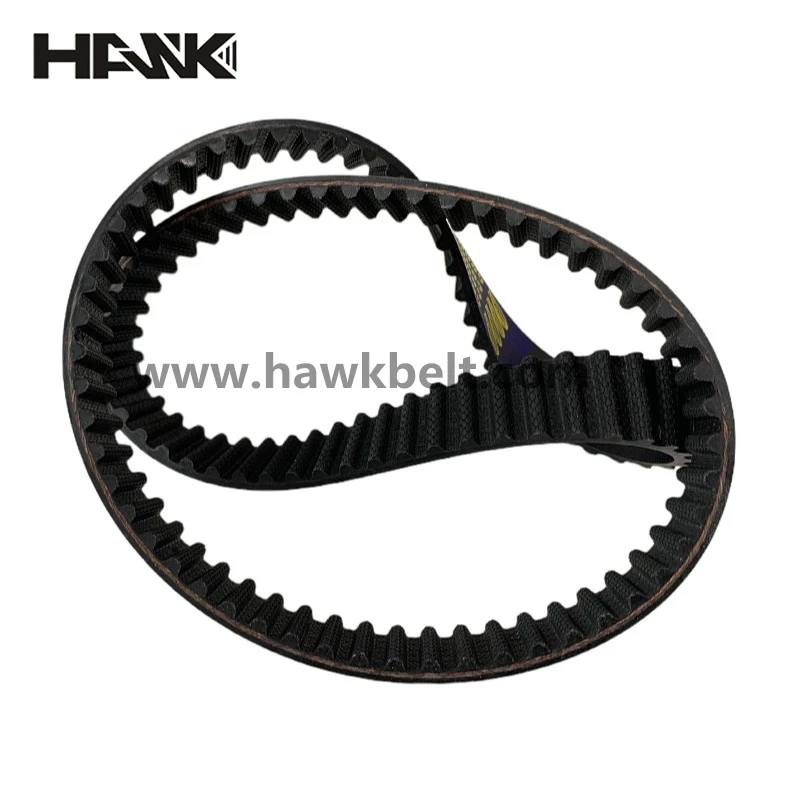
These detailed specifications are crucial for engineers to correctly dimension and select the appropriate cnc timing belt for their mechanical drive systems, ensuring longevity and peak performance.
Application Scenarios and Technical Advantages
The versatility and precision of cnc timing belt drives make them indispensable across a broad spectrum of industrial applications. Their technical advantages translate directly into operational benefits for businesses.
Key Application Scenarios:
- CNC Machine Tools: Essential for precise axis positioning in milling, turning, and grinding machines, often specified as a stepper motor belt, ensuring exact tool path execution.
- Robotics: Used in articulated robot arms and linear actuators where accurate, repeatable motion is critical for assembly, welding, or pick-and-place operations.
- 3D Printing: Drives the print head and build plate, requiring high precision and minimal backlash for layer accuracy.
- Conveyor Systems: In packaging, food processing, and logistics, synchronous belts provide reliable, non-slip movement of goods, often handling heavy loads.
- Textile & Printing Machinery: Ensures synchronous movement of fabric or paper, critical for pattern accuracy and print registration.
- Medical & Laboratory Equipment: Precision drives in diagnostic machines, automated pipetting systems, and imaging equipment where exact positioning is vital for results.
Technical Advantages:
- Synchronous Power Transmission: Unlike V-belts, timing belts prevent slip, ensuring a constant angular velocity ratio between driving and driven shafts. This is paramount for precision applications where indexing and positioning accuracy are required.
- High Efficiency: With efficiency ratings often exceeding 98%, cnc timing belt drives minimize energy loss, leading to significant energy saving in continuous operation compared to friction-based drives or chain timing belt systems.
- Low Noise and Vibration: Optimized tooth profiles, like those found in silentsync belt designs, significantly reduce meshing noise and vibration, creating a quieter working environment and potentially extending the life of adjacent components.
- Minimal Maintenance: Timing belts typically do not require lubrication, tension adjustments, or frequent replacements when properly installed and maintained. This reduces operational costs and downtime.
- Compact Design: They allow for smaller center distances and can transmit high power in a more compact envelope compared to other drive types, saving valuable space in machinery.
- Clean Operation: Without the need for lubrication, timing belts offer a cleaner operation, making them suitable for sensitive environments such as food processing, medical, or semiconductor manufacturing, where contamination must be avoided.
- Corrosion Resistance: Depending on the material (e.g., polyurethane belts with stainless steel cords), these belts can offer excellent corrosion resistance, making them ideal for washdown environments or those exposed to harsh chemicals.
- Wide Speed Range: Capable of operating effectively across a broad range of speeds, from very low indexing motions to high-speed power transmission.
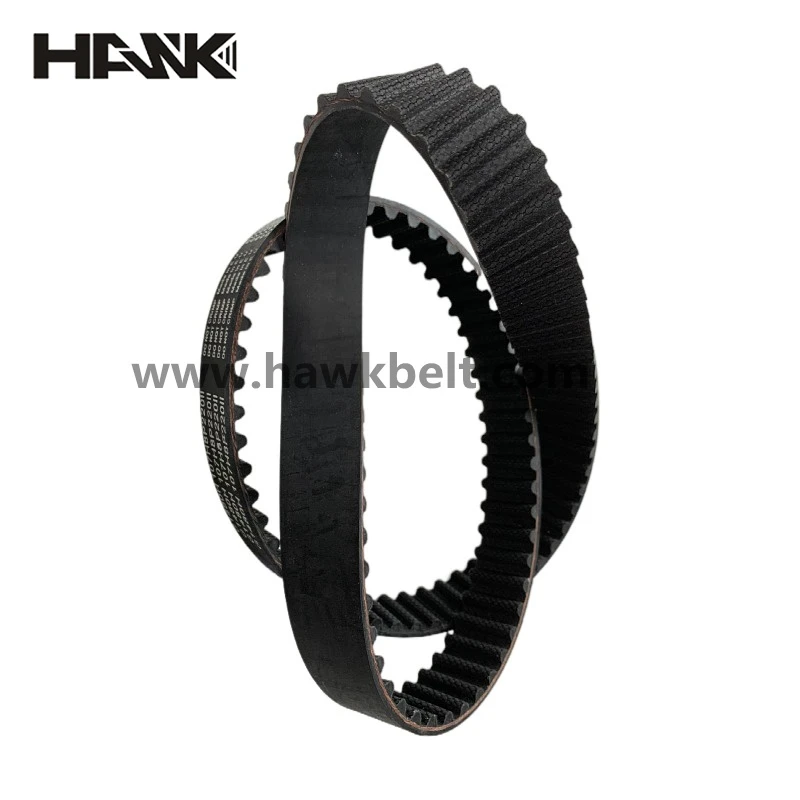
These advantages collectively underscore why cnc timing belt systems are often the preferred choice for applications demanding precision, efficiency, and reliability.
Vendor Comparison and Customized Solutions
Selecting the right vendor for cnc timing belt solutions is a critical business decision, directly impacting equipment performance, operational costs, and supply chain reliability. A thorough vendor comparison goes beyond initial price, encompassing quality, technical support, and the ability to provide tailored solutions.
Key Factors in Vendor Comparison:
- Product Quality & Durability: Look for vendors with robust quality control processes and a proven track record of delivering belts that meet or exceed ISO and industry standards. Examine material specifications and expected service life.
- Technical Expertise & Support: A strong vendor offers comprehensive technical data, application engineering support, and readily available experts to assist with belt selection, design integration, and troubleshooting.
- Range of Products: A diverse catalog that includes various pitches, materials (HNBR, PU), tooth profiles (HTD, STD, T, AT), and specialty belts (e.g., silentsync belt, stepper motor belt) indicates broad capabilities.
- Customization Capabilities: The ability to provide bespoke solutions for unique applications, including custom widths, lengths, special coatings, or perforations.
- Certifications & Compliance: Verify adherence to industry certifications (e.g., ISO 9001, FDA compliance for food-grade belts), demonstrating commitment to quality and safety.
- Lead Time & Logistics: Assess their ability to meet delivery schedules and their global distribution network for reliable supply.
- Warranty & After-Sales Service: Understand the warranty terms and the level of support provided post-purchase, including spare parts availability and technical assistance.
The Value of Customized cnc timing belt Solutions:
While standard belts serve many applications, bespoke solutions offer distinct advantages for optimizing performance and cost in specialized machinery. Customization can involve:
- Specific Materials: For extreme temperatures, chemical exposure (e.g., oil & gas), or food-grade requirements, custom material compounds can be engineered.
- Unique Tooth Profiles: Tailored tooth geometries can optimize engagement, reduce backlash, or increase torque capacity for specific drive configurations.
- Special Coatings: Applied to the belt surface or teeth to enhance grip, reduce friction, improve wear resistance, or provide anti-static properties.
- Perforations and Grinding: For vacuum applications or specific handling needs, belts can be perforated or ground to precise dimensions.
- Integrated Attachments: Custom flights, cleats, or profiles can be molded or welded onto the belt for conveying specific products or indexing.
Partnering with a vendor capable of comprehensive customization ensures that the cnc timing belt is perfectly matched to the application's unique demands, leading to enhanced performance and extended operational life.
Comparative Analysis: cnc timing belt vs. chain timing belt
While both timing belts and timing chains serve the purpose of synchronous power transmission, their underlying principles, performance characteristics, and ideal applications differ significantly. Understanding these distinctions is crucial for optimal drive system design.
Key Differences:
| Feature | Timing Belt (e.g., cnc timing belt) | Timing Chain (e.g., chain timing belt) |
|---|---|---|
| Material | Synthetic rubber (Neoprene, HNBR) or Polyurethane with fiberglass, aramid, or steel cords. | Steel alloy. |
| Lubrication | Not required (dry operation). | Requires lubrication (oil bath or drip system). |
| Noise Level | Very low (especially silentsync belt designs). | Moderate to high. |
| Weight | Lighter. | Heavier. |
| Operating Speed | Suitable for high speeds. | Typically limited to moderate speeds, especially with lubrication. |
| Precision | Excellent, no chordal action, minimal backlash with proper tension. | Good, but subject to wear elongation and chordal action affecting precision. |
| Load Capacity | High, for continuous power transmission. | Very high, excels in shock load applications. |
| Maintenance | Low, no lubrication, minimal re-tensioning. | Higher, requires lubrication and periodic tension adjustment due to elongation. |
| Environment | Clean operation, good for sensitive environments. | Requires sealed environment due to lubrication. |
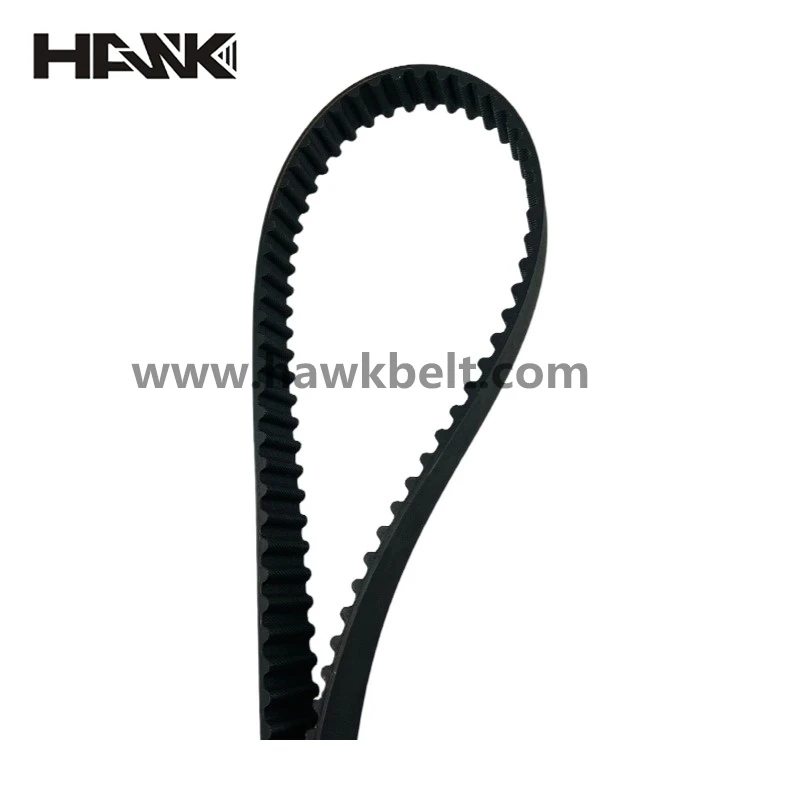
For applications prioritizing precision, low noise, high efficiency, and minimal maintenance, such as those involving stepper motor belt systems or sensitive industrial processes, the cnc timing belt is generally the superior choice. Conversely, chain timing belt drives are often favored for very high shock loads, extremely harsh environments, or where space constraints dictate an all-metal drive.
Application Case Studies & Client Success
Real-world application demonstrates the transformative impact of high-quality cnc timing belt solutions. These case studies highlight how precision engineering and reliable components contribute to significant operational improvements for our clients.
Case Study 1: Enhanced Throughput in High-Speed Packaging
A leading packaging machinery manufacturer faced challenges with traditional drive systems, experiencing frequent slippage and wear in their high-speed carton erecting lines, leading to inconsistent product alignment and reduced throughput. By transitioning to custom-designed HNBR cnc timing belt with a specific curvilinear tooth profile, they achieved:
- 30% Increase in Line Speed: The non-slip nature and high-speed capability of the timing belts allowed for faster, more consistent indexing of cartons.
- 95% Reduction in Product Misalignment: The precise synchronous motion eliminated slippage, ensuring perfect carton registration.
- Extended Service Intervals: Belt life increased by over 200%, significantly reducing maintenance downtime and associated costs.
Client Feedback: "The switch to high-performance timing belts was a game-changer for our packaging lines. The precision and durability far exceeded our expectations, directly impacting our efficiency and overall client satisfaction."
Case Study 2: Precision Robotics in Pharmaceutical Manufacturing
A pharmaceutical company developing automated laboratory robotics required extremely precise, low-noise power transmission for delicate sample handling. Their initial attempts with generic belts resulted in micro-vibrations and audible noise, compromising accuracy. Implementing specialized silentsync belt made from high-grade polyurethane with aramid tensile cords provided an optimal solution:
- Sub-micron Positioning Accuracy: The low backlash and consistent pitch of the stepper motor belt ensured robotic arm repeatability within required tolerances.
- Virtually Silent Operation: The silentsync belt design drastically reduced operational noise, critical for a laboratory environment.
- Enhanced Sterility: The non-shedding, clean-running nature of the polyurethane belt minimized contamination risks.
Client Feedback: "The silent and precise operation of these timing belts was crucial for our new line of laboratory robots. We now achieve unparalleled accuracy and a much-improved working environment."
These examples illustrate how tailored cnc timing belt solutions are not merely components but strategic investments that drive innovation and deliver measurable competitive advantages.
Trustworthiness & Support: Your Partner in Precision
Frequently Asked Questions (FAQ)
Q1: How do I select the correct cnc timing belt for my application?
A1: Selection involves evaluating several factors: required power transmission, operating speed, center distance, pulley diameters, environmental conditions (temperature, chemicals), and desired service life. Consult our technical experts or design guides, providing details on your machinery's specifications. For critical applications, custom engineering support is available.
Q2: What is the typical lead time for custom cnc timing belt solutions?
A2: Lead times for customized solutions vary based on complexity and material availability. Standard products typically ship within 1-2 weeks. Custom orders, involving unique molds or specialized materials, may range from 4-8 weeks from design approval. We maintain transparent communication regarding production schedules.
Q3: What warranty is provided for your cnc timing belt products?
A3: All our products are backed by a comprehensive warranty against manufacturing defects. The specific terms and duration are detailed in our product documentation, typically covering a period of 12-24 months from the date of purchase, contingent on proper installation and operating conditions. Our commitment extends to ensuring product quality and customer satisfaction.
Q4: Do you offer after-sales support and technical assistance?
A4: Yes, our dedication to client success extends beyond the sale. We provide extensive after-sales support, including installation guidelines, troubleshooting assistance, and expert technical consultations. Our team is available via phone, email, and online support portals to ensure your systems operate efficiently.
Lead Time & Fulfillment
We understand the critical nature of timely delivery in industrial operations. Our advanced manufacturing facilities and robust supply chain management enable efficient order processing. For standard stock items, dispatch typically occurs within 3-5 business days. For bulk orders or specific configurations, estimated fulfillment times will be provided upon quotation, with options for expedited shipping available to meet urgent demands.
Warranty Commitments
We stand by the quality and performance of our cnc timing belt products. Our warranty covers material and manufacturing defects, ensuring that products perform as specified under normal operating conditions. Detailed warranty statements are provided with each order, outlining coverage specifics and claim procedures. We are committed to resolving any product-related issues swiftly and effectively.
Customer Support & Technical Assistance
Our dedicated customer support and technical engineering teams are ready to assist you. From initial product selection and system design consultation to post-installation support and troubleshooting, we provide comprehensive guidance. Our objective is to ensure that your industrial applications achieve maximum uptime and optimal performance with our reliable cnc timing belt solutions. Contact us for expert advice and assistance.
Citations
- ISO 9001:2015 - Quality management systems — Requirements. International Organization for Standardization.
- ANSI/RMA IP-24: Specifications for Synchronous Belts. Rubber Manufacturers Association (now U.S. Tire Manufacturers Association).
- "Design and Application of Timing Belt Drives." Gates Corporation Technical Handbook.
- "Polyurethane Belts for Motion Control." Habasit Technical Documentation.
- "Industrial Drives: The Selection and Application of Drive Components." N.K. Singh, McGraw Hill Education.
-
Guide to Choosing the Right Fan Belt for Car Performance
NewsApr.09,2026
-
Understanding and Maintaining Your Vehicle's Serpentine Belt for Optimal Performance
NewsApr.07,2026
-
Choosing the Right Steering Belt for Optimal Vehicle Performance and Safety
NewsApr.04,2026
-
Understanding the Serpentine Belt for Optimal Vehicle Performance
NewsMar.31,2026
-
Comprehensive Guide to Understanding Your Fan Belt Car and Maintenance
NewsMar.28,2026
-
Comprehensive Guide to Choosing the Right Fan Belt for Your Truck
NewsMar.26,2026