

Nov . 07, 2025 02:50 Back to list
Flat Segregation Conveyor Belt – Durable, Precise, Custom
Flat Segregation Conveyor Belt is a key solution in the manufacturing industry, specifically within Manufacturing of mechanical components and drive belt. This article explores how Xingtai Hake rubber and plastic products Co., LTD supports professionals with durable, high-performance products, and explains why this product is an ideal choice for businesses in these sectors.
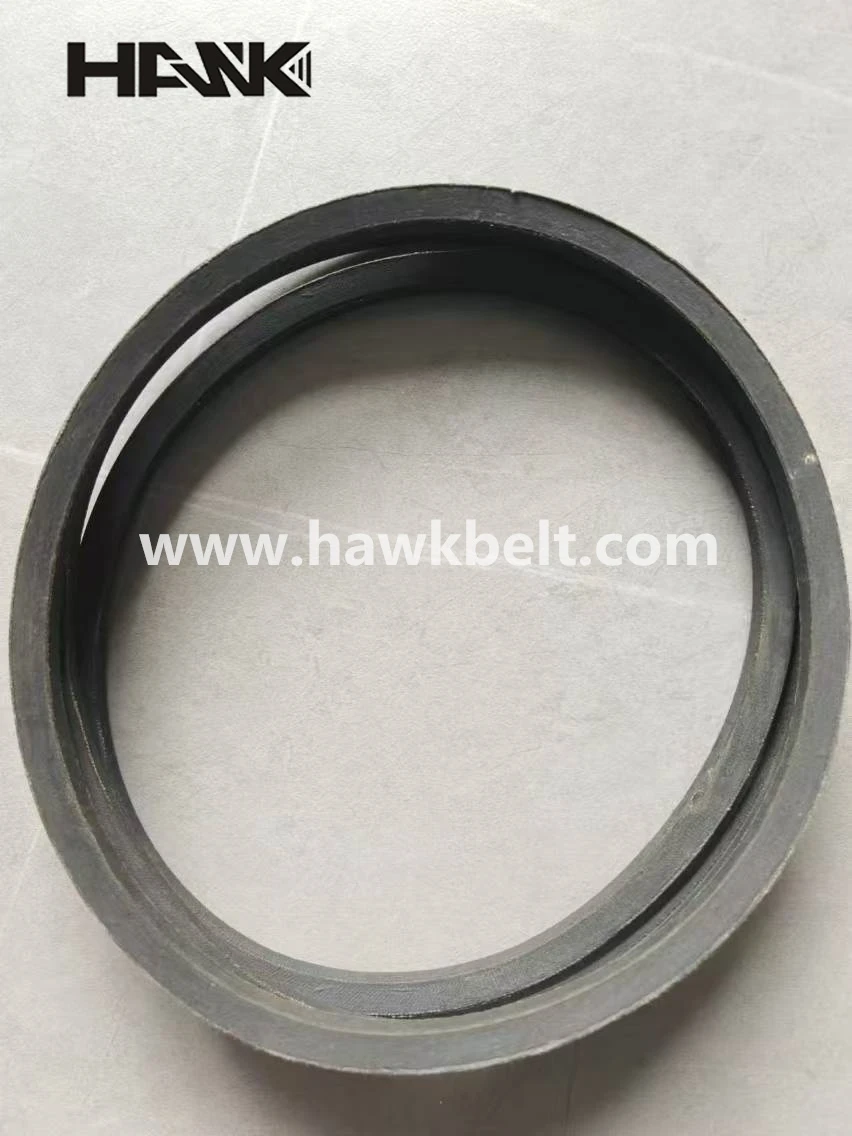
Table of Contents
- Flat Segregation Conveyor Belt Overview
- Benefits & Use Cases of Flat Segregation Conveyor Belt in drive belt
- Cost, Maintenance & User Experience
- Sustainability & Market Trends in manufacturing
- Conclusion on Flat Segregation Conveyor Belt from Xingtai Hake rubber and plastic products Co., LTD
Flat Segregation Conveyor Belt Overview
A Flat Segregation Conveyor Belt is a precision-engineered flat belt used to separate, index, or divert mixed product flows as they move along a conveyor line. In the Manufacturing of mechanical components segment, these belts link seamlessly with power transmission systems—often driven by flat rubber drive belts or V-belts—to deliver controlled motion, consistent tracking, and gentle handling. Typical constructions include abrasion-resistant rubber covers, anti-static compounds, and high-modulus tensile members (polyester, aramid, or steel cord) to ensure stability under variable loads and speeds. Available in custom widths, thicknesses, durometer ratings, and splice options (finger or mechanical), the belt can be tuned for temperature, oil, and chemical resistance to match your environment.
Xingtai Hake rubber and plastic products Co., LTD combines materials expertise with tight-process manufacturing to deliver repeatable quality at scale. Whether you need flat rubber belts for high-tension drives, a flat lifting belt for ergonomic hoisting, or legacy-compatible flat leather machine belts, Hake engineers can specify the right carcass and cover to optimize life and throughput. Their wrapped V-rubber belt series (B50–B56) complements segregation conveyors as the primary drive, ensuring low slip, low noise, and stable torque transmission that keeps your line moving without costly stoppages.
Benefits & Use Cases of Flat Segregation Conveyor Belt in drive belt
In drive belt applications, segregation belts work in concert with the powertrain—typically V-belts or flat rubber drive belts—to meter product spacing and direct flow to downstream processes. Use cases include automotive components sorting, die-casting binning, precision hardware kitting, e-commerce parcel singulation, recycling line material classification, and packaging lane balancing. A well-designed Flat Segregation Conveyor Belt maintains consistent coefficient of friction, edge integrity, and belt tracking, allowing accurate sensor reads and actuator timing at higher line speeds.
Key advantages valued by B2B decision makers include long service life under abrasive loads, energy-efficient drive compatibility, and easy maintenance. Hake’s rubber formulations and wrapped V-belt drives reduce slip and heat buildup, while high-modulus cords resist elongation to maintain center-to-center distances. Compared with generic flat rubber belts, Hake’s solutions can be specified for antistatic performance, oil resistance, or low-temperature flexibility, and they integrate with flat lifting belt stations or legacy flat leather machine belts where required. This breadth of application knowledge makes Xingtai Hake rubber and plastic products Co., LTD a reliable supplier for both retrofit and greenfield projects.
Cost, Maintenance & User Experience
Total cost of ownership for a Flat Segregation Conveyor Belt is driven by uptime, energy, and maintenance intervals. By pairing a properly specified segregation belt with Hake’s wrapped V-rubber drive belts, plants typically reduce slip-related losses and belt changeovers—cutting downtime and preserving bearings and pulleys. The result is a favorable ROI through higher throughput, fewer unplanned stops, and reduced spare parts consumption. For many users, quick finger-splice changeouts and standardized belt widths shorten planned maintenance windows and simplify inventory.
Customers in the Manufacturing of mechanical components sector report improved tracking stability and quieter operation after switching to matched drive-and-conveyor solutions from Xingtai Hake rubber and plastic products Co., LTD. Recommended practices include: verify pulley diameters and wrap angles; maintain proper tension (avoid over-tensioning that accelerates wear); align frames and rollers; and implement a cleaning schedule to remove fines that can alter friction. With these measures, the belt’s service life extends predictably, enabling better budgeting and leaner MRO programs.
Sustainability & Market Trends in manufacturing
Manufacturers face twin pressures: decarbonize operations and increase automation. Conveyor systems are central to both goals. Energy-efficient drives, longer-life flat rubber belts, and material choices that reduce VOCs and scrap are now standard sourcing criteria. Regulations such as REACH and RoHS influence rubber compounding choices, while customers prioritize quiet, low-emission facilities. At the same time, smarter segregation—integrated with sensors and controls—supports traceability, OEE improvement, and labor optimization across lines and shifts.
Xingtai Hake rubber and plastic products Co., LTD approaches sustainability pragmatically: robust belts that last longer reduce material waste and transport emissions over the equipment life. Material options can be aligned with compliance needs, and packaging and process efficiencies help minimize environmental footprint. By offering a full portfolio—from flat rubber drive belts to flat lifting belt variants and legacy-compatible flat leather machine belts—Hake helps plants standardize on fewer SKUs, streamlining audits and simplifying sustainable procurement strategies as the market continues its shift toward electrification and smart factories.
Conclusion on Flat Segregation Conveyor Belt from Xingtai Hake rubber and plastic products Co., LTD
A properly engineered Flat Segregation Conveyor Belt delivers stable sorting, higher throughput, and lower lifecycle costs for Manufacturing of mechanical components and drive belt applications. Backed by Xingtai Hake rubber and plastic products Co., LTD’s materials expertise and complementary drive solutions, manufacturers can standardize on durable, efficient belts that reduce downtime and maintenance complexity. Whether you need flat rubber belts, flat lifting belt options, or compatibility with flat leather machine belts, Hake provides a dependable path to performance and compliance.
- Contact us: email: mike@hawkbelt.com
- Visit our website: https://www.hawkbelt.com | Product page: B50–B56 Wrapped V-Rubber Belt
-
Comprehensive Guide to Selecting High Performance drive belts
NewsApr.16,2026
-
Guide to Choosing the Right Fan Belt for Car Performance
NewsApr.09,2026
-
Understanding and Maintaining Your Vehicle's Serpentine Belt for Optimal Performance
NewsApr.07,2026
-
Choosing the Right Steering Belt for Optimal Vehicle Performance and Safety
NewsApr.04,2026
-
Understanding the Serpentine Belt for Optimal Vehicle Performance
NewsMar.31,2026
-
Comprehensive Guide to Understanding Your Fan Belt Car and Maintenance
NewsMar.28,2026