

Nov . 07, 2025 12:45 Back to list
Heat Joining Drive Belt: Durable, Adjustable, Fast Splicing
Practical Notes from the Line: Heat-Joining in Modern Ribbed Belts
If you’ve ever spent a Friday night in a plant room arguing over belt slip and NVH, you’ll appreciate how far multi-rib technology has come. Today, even automotive serpentine belts benefit from controlled thermal processes. The Heat Joining Drive Belt conversation keeps popping up in my email—usually from maintenance leads who want reliable torque transmission without constant retensioning.
Industry trend check
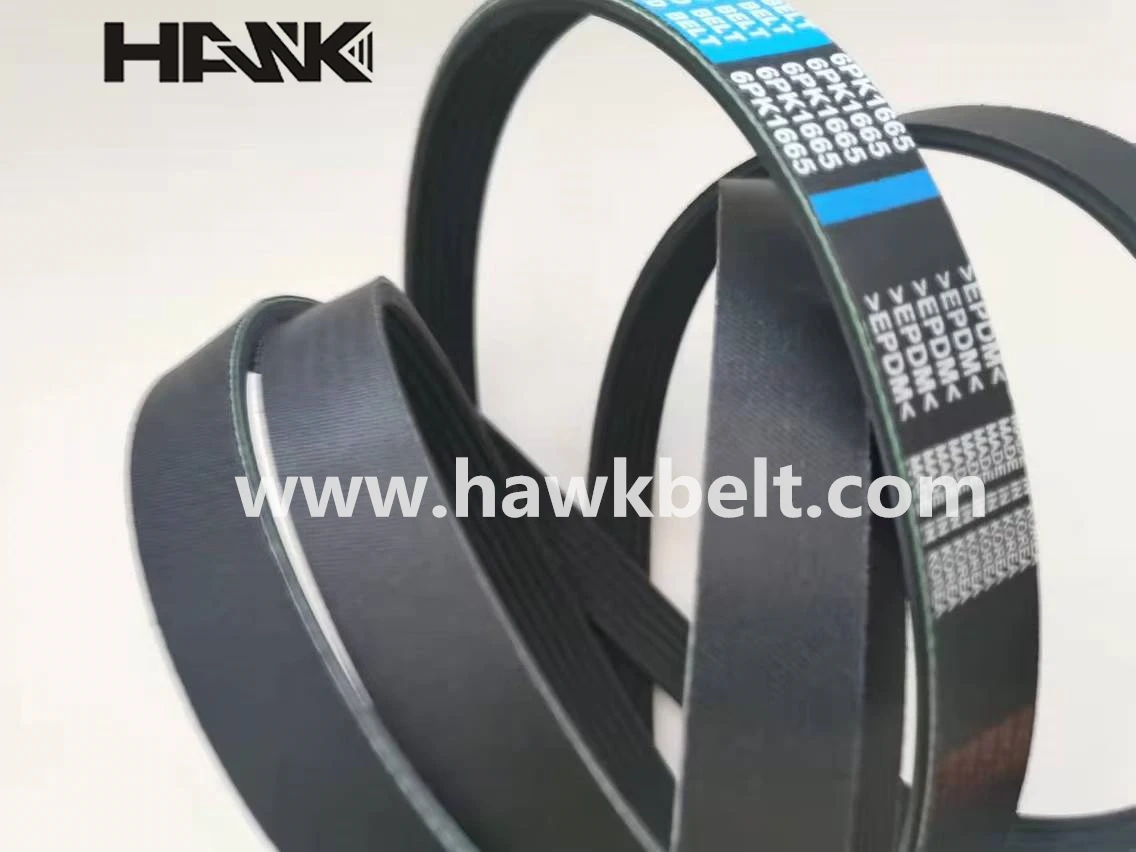
Two things dominate: EPDM compounds for heat/ozone resistance, and quieter PK rib profiles with better wrap efficiency. To be honest, the quieter part matters more than many admit—fleet managers hate squeal. We also see selective use of heat-vulcanized joining for custom-length industrial variants, while automotive belts stay largely endless-molded for durability.
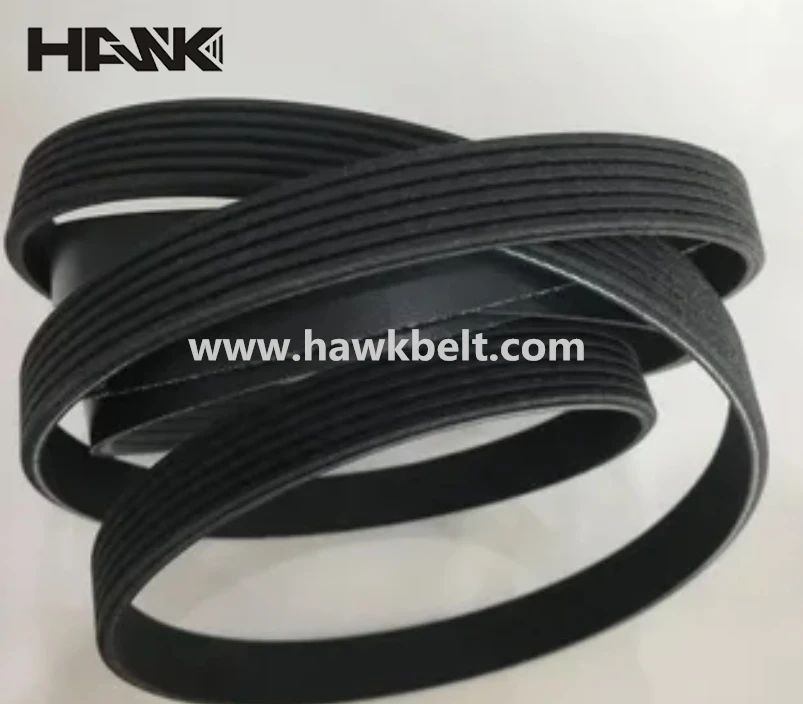
Product snapshot: 6PK1665 EPDM Ribbed PK Belt
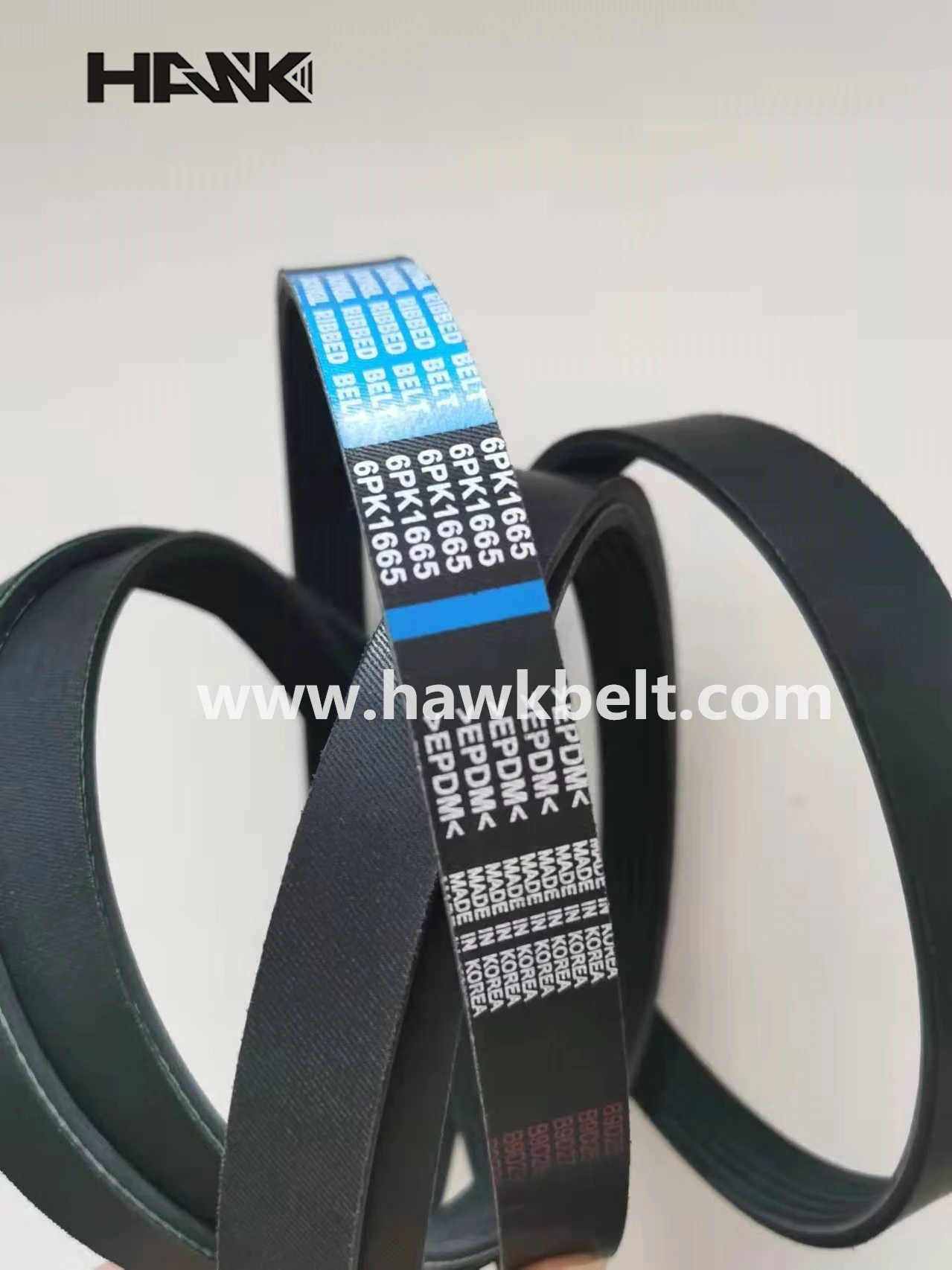
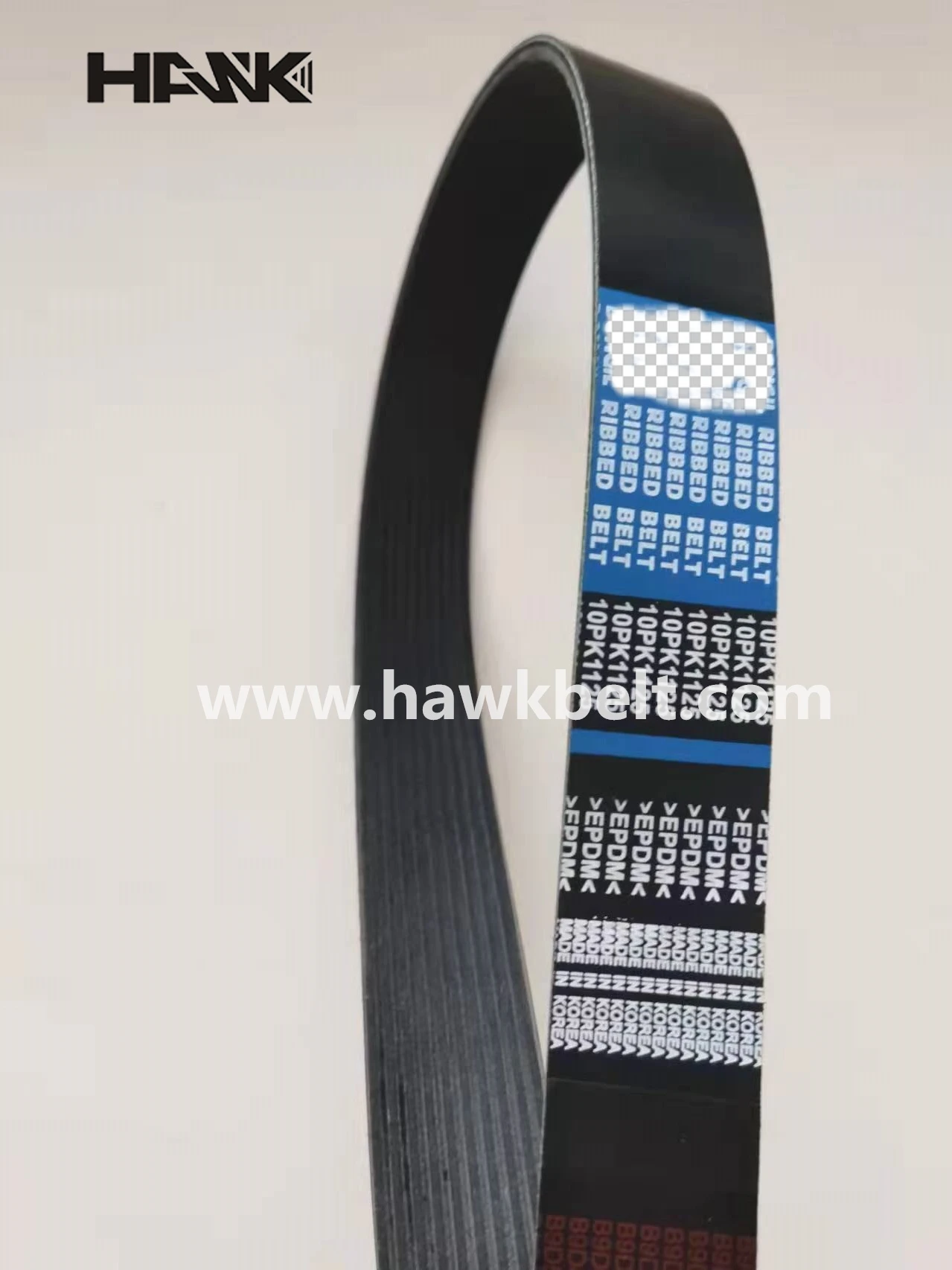
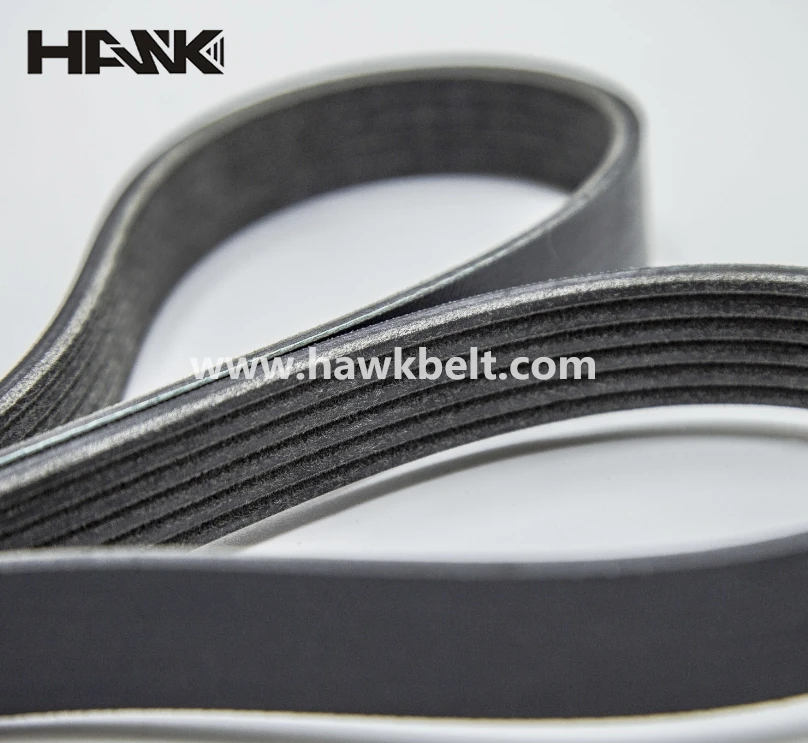
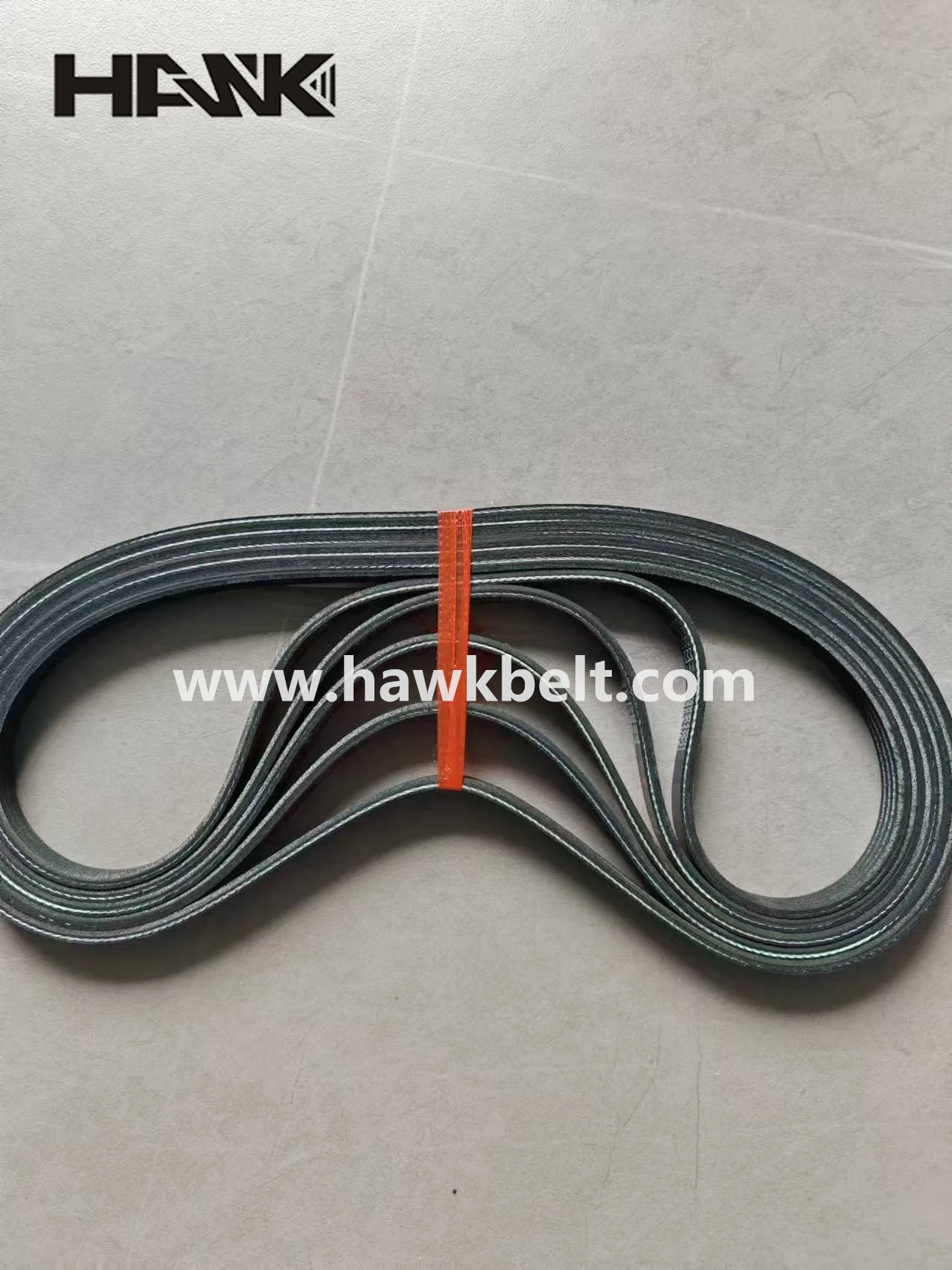
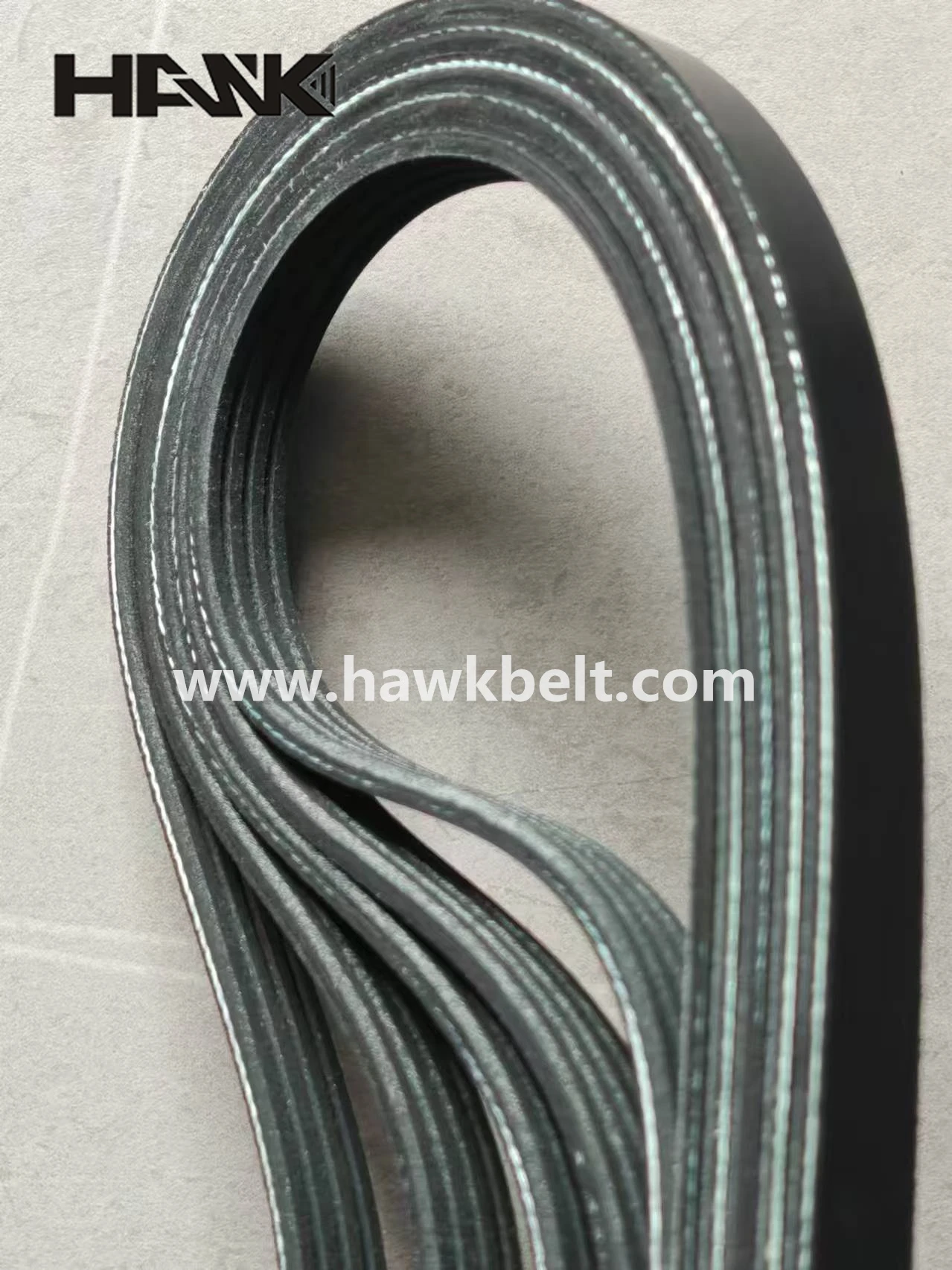
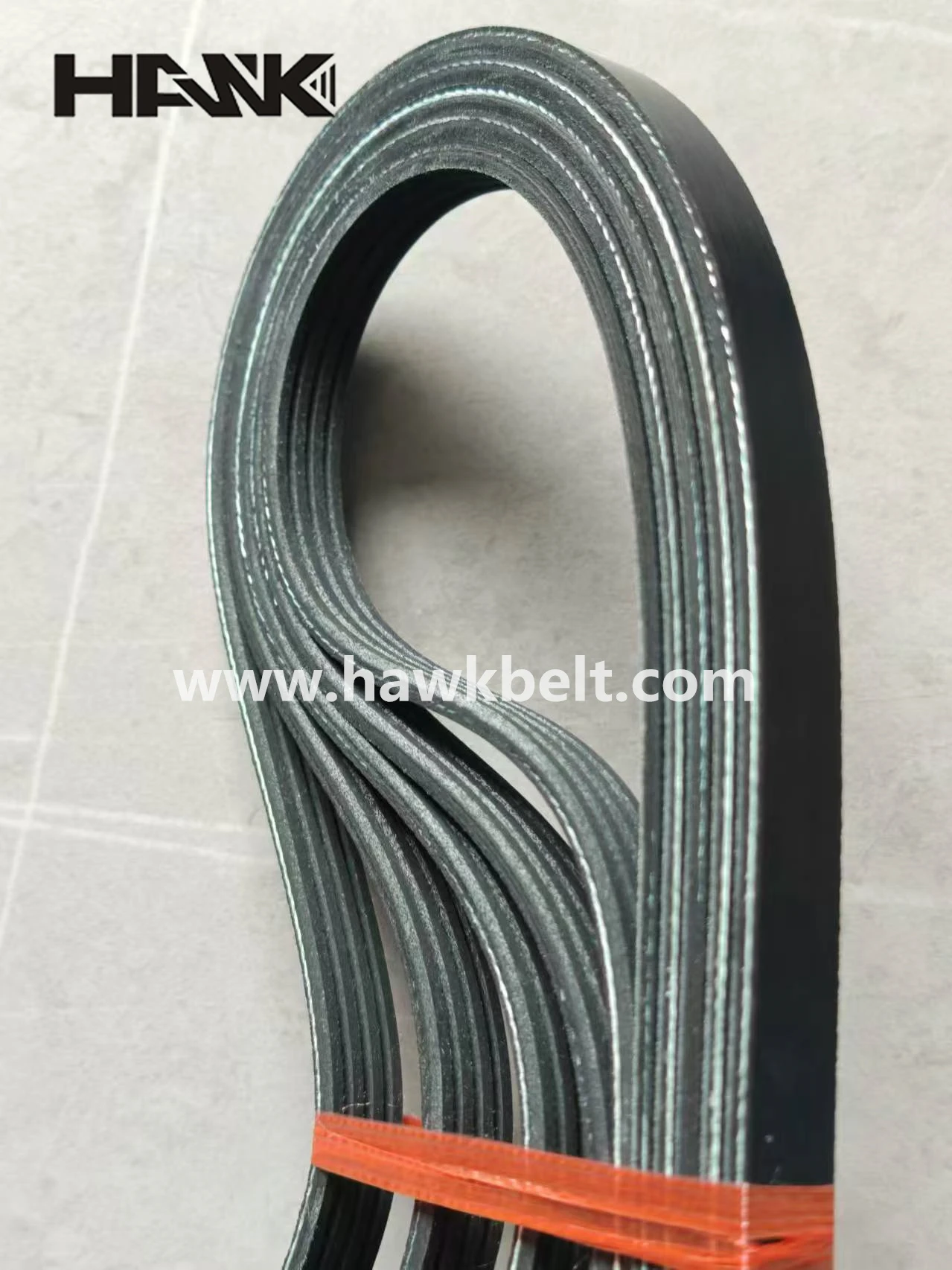
Model: 6PK1665 EPDM Ribbed PK Belt (fits Hyundai, Kia, Peugeot, Toyota, Benz, BMW, Mazda, Ford, Chrysler, Daewoo, Cadillac, Land Rover, Granta, Chevrolet, Gazel). Weight ≈ 0.19 kg; effective length 1665 mm. Label notes “Made in Korea”; company address: No. 386 Xuyang Avenue, Renze District, Xingtai City, Hebei Province, China.
| Spec | Detail |
|---|---|
| Rib profile | PK, 6 ribs, OE: 6PK1665 |
| Compound | EPDM (ASTM D2000 classification) |
| Temp range | ≈ −40°C to +120°C (real-world use may vary) |
| Tensile member | Polyester/aramid options, low stretch |
| Noise | ≤ 70 dB(A) in SAE J2432 rig, typical |
| Service life | ≈ 80,000–120,000 km with proper alignment |
How it’s made (short version)
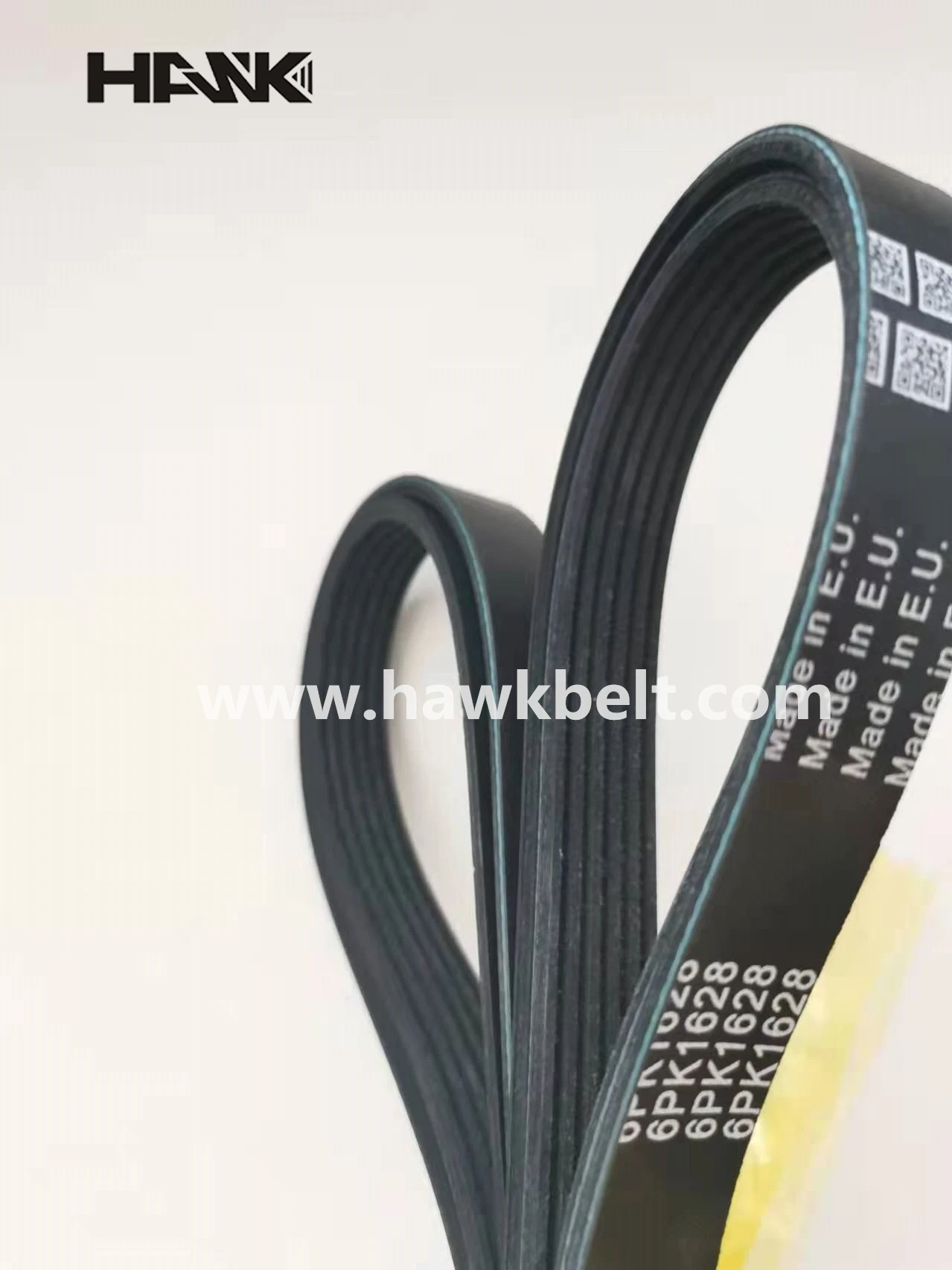
Materials: peroxide-cured EPDM, fiber-loaded rubber for rib wear, and stable tensile cords. Methods: compound mixing, calendering, rib-forming, wrap/spiral build, and endless curing. For custom industrial runs, a heat-vulcanized splice can be specified—think controlled pressure/temperature to fuse the joint. Testing: SAE J2432 for durability/slip; hardness and rebound per ISO/ASTM lab methods; antistatic checks per ISO 1813 when requested.
Applications
- Automotive accessory drives (alternator, A/C, water pump, PS).
- Light industrial drives where a Heat Joining Drive Belt custom length helps field retrofit.
- Fleet maintenance—quick swaps on mixed-brand vehicles.
Why EPDM PK here?
Heat, ozone, and micro-cracking resistance. Better cold-start flexibility. And—surprisingly—less chirp on marginal wrap pulleys. Many customers say it “just runs quieter” after swap.
Vendor snapshot (quick compare)
| Vendor | Material | Heat-Joined Option | Certs | Lead Time |
|---|---|---|---|---|
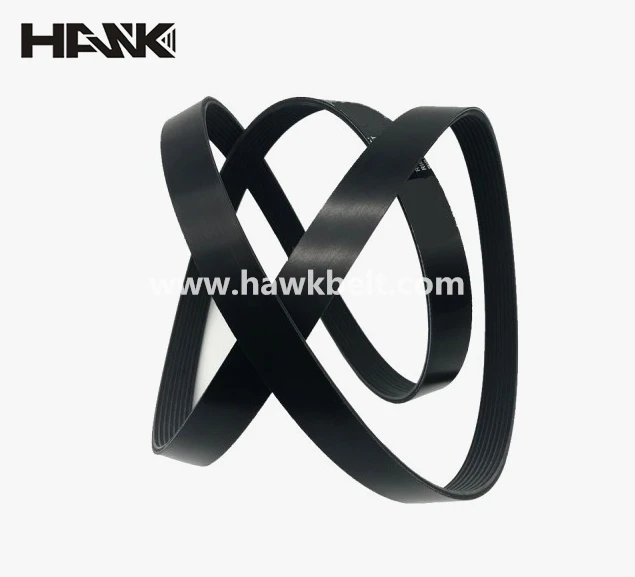
| Hawkbelt 6PK1665 | EPDM | Industrial custom runs ≈ yes | ISO 9001, IATF 16949 (supplier chain) | ≈ 2–4 weeks |
| Generic Import (A) | CR/EPDM mix | No | ISO 9001 | 1–6 weeks |
| Aftermarket Brand (B) | EPDM premium | Special order | IATF 16949 | Stock-dependent |
Customization
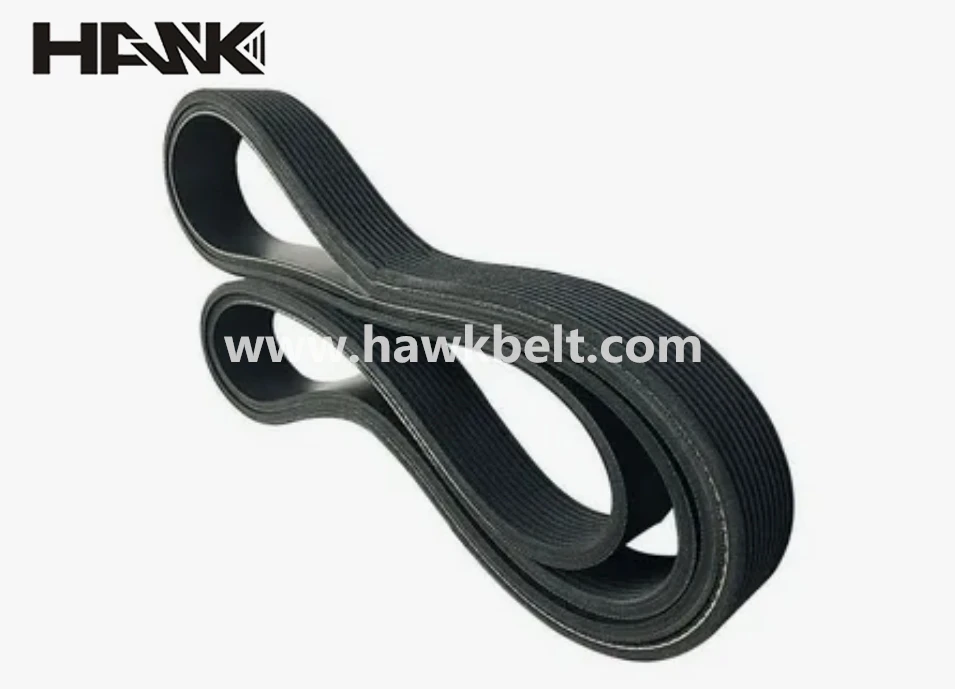
Rib count, cord type (polyester/aramid), private logo, anti-static spec, and, for non-automotive lines, a Heat Joining Drive Belt splice to match legacy center distances.
Field notes (mini case studies)
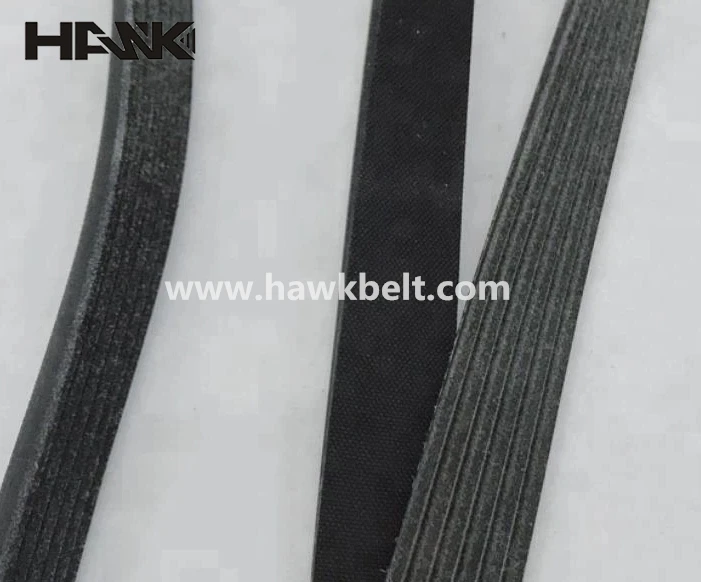
- Taxi fleet, Riyadh: swap to 6PK1665 reduced cold-start squeal; interval moved from 60k to ≈95k km.
- Packaging plant, Gdańsk: custom Heat Joining Drive Belt allowed retrofit without pulley relocation; downtime cut by ≈30%.
Compliance and testing
Belts are validated on SAE J2432 rigs for slip, endurance, and NVH. Rubber classification aligns with ASTM D2000. Supplier quality systems typically reference IATF 16949; antistatic on request per ISO 1813. Real-world life depends on alignment and pulley health—no belt wins against a bent tensioner.
Maintenance quick tips
- Check rib wear patterns; feathering = misalignment.
- Measure tension per OEM spec; over-tension kills bearings.
- Replace idlers with the belt—cheap insurance.
For sourcing or tech sheets, it seems fastest to contact the team via their product page. Origin address: No. 386 Xuyang Avenue, Renze District, Xingtai City, Hebei Province, China.
Authoritative citations
-
Comprehensive Guide to Selecting High Performance drive belts
NewsApr.16,2026
-
Guide to Choosing the Right Fan Belt for Car Performance
NewsApr.09,2026
-
Understanding and Maintaining Your Vehicle's Serpentine Belt for Optimal Performance
NewsApr.07,2026
-
Choosing the Right Steering Belt for Optimal Vehicle Performance and Safety
NewsApr.04,2026
-
Understanding the Serpentine Belt for Optimal Vehicle Performance
NewsMar.31,2026
-
Comprehensive Guide to Understanding Your Fan Belt Car and Maintenance
NewsMar.28,2026