

Sep . 23, 2025 11:15 Back to list
Durable Leather Drive Belts | Premium Power Transmission
The Evolution and Engineering of Industrial Drive Belts: From Leather to Advanced Synthetics
In the vast landscape of industrial power transmission, drive belts play a critical role in transferring mechanical energy efficiently. Historically, the leather drive belt was the cornerstone of machinery, powering factories and mills for centuries. While modern engineering has introduced advanced materials like EPDM and HNBR for applications such as the 4PK820 Auto Fan Drive PK Belt, understanding the foundational principles and niche applications of traditional belts, alongside the innovations in contemporary solutions like the poly v belt, remains essential for optimal system design and maintenance. This article delves into the technical aspects, manufacturing processes, application scenarios, and comparative advantages of various drive belt technologies, addressing the needs of B2B decision-makers and engineers.
Manufacturing Process: From Raw Hide to Precision Belts
The journey of a drive belt, whether it's a traditional leather drive belt or a modern synthetic counterpart, is characterized by precision engineering and rigorous quality control. For traditional leather belts, the process begins with selecting high-grade animal hides, typically from cattle, known for their strength and durability. These hides undergo a meticulous tanning process, often using vegetable tannins, to enhance their resistance to wear, moisture, and chemical degradation. After tanning, the hides are carefully split and skived to achieve uniform thickness and elasticity.
Individual leather strips are then joined to form the continuous belt. This can involve intricate skiving and bonding using specialized industrial adhesives, or mechanical lacing, depending on the application and required tensile strength. Each joint is critically inspected to ensure seamless power transmission and prevent premature failure. Finishing processes include buffing, edge rounding, and sometimes, surface treatments to improve grip or protect against environmental factors. Testing standards for leather belts typically focus on tensile strength, elongation, and coefficient of friction, ensuring compliance with general industrial safety guidelines.
In contrast, the manufacturing of a new serpentine belt or poly v belt involves advanced polymer chemistry and sophisticated molding techniques. Materials like EPDM (Ethylene Propylene Diene Monomer) or HNBR (Hydrogenated Nitrile Butadiene Rubber) are compounded with various reinforcing fibers (e.g., polyester, aramid) to achieve specific mechanical properties. The process often includes:
- Material Compounding: Blending polymers, reinforcing fibers, curing agents, and other additives to form a homogeneous mixture.
- Extrusion/Calendering: Forming the base material into sheets of specific dimensions.
- Casting/Molding: Precision molding of the belt profile (e.g., V-ribs for poly v belts) around tension members.
- Curing (Vulcanization): Applying heat and pressure to chemically cross-link the polymer chains, giving the belt its final elastic and durable properties.
- Cutting and Finishing: Slicing the cured material into individual belts of specified widths and lengths, followed by final inspection.
These modern belts adhere to stringent international testing standards such as ISO 9982 or SAE J1459, which cover parameters like dimensional accuracy, dynamic fatigue life, heat resistance, and chemical compatibility. The target industries benefiting from these advanced belts span petrochemical, metallurgy, water supply & drainage, automotive, and heavy manufacturing. Advantages often include superior energy saving due to reduced slip, extended service life, and enhanced corrosion resistance against various industrial fluids and environmental factors.
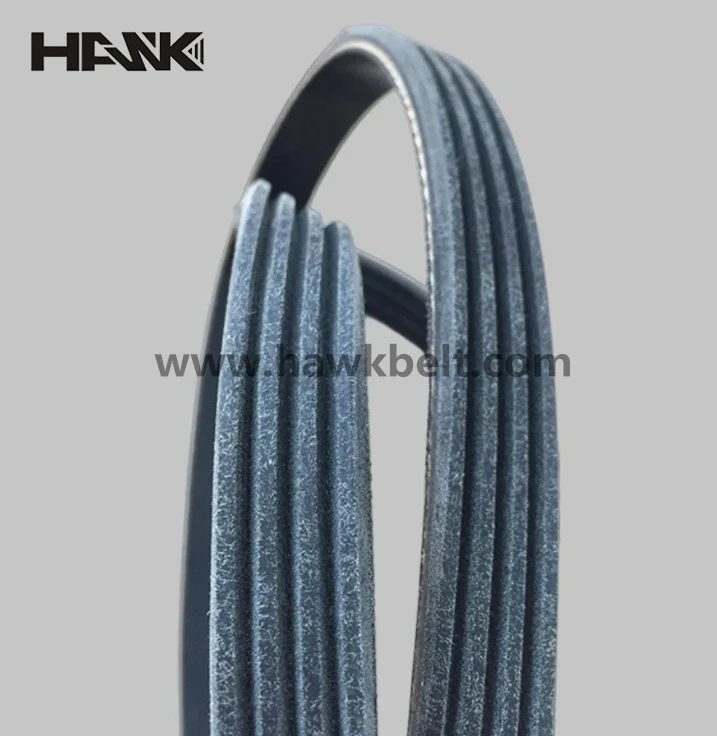
Detailed diagram illustrating the precision involved in drive belt manufacturing.
Technical Specifications and Performance Parameters
Understanding the technical specifications of drive belts is paramount for selecting the right component for a specific industrial application. While a leather drive belt is historically known for its excellent friction properties and shock absorption, modern synthetic belts offer superior dimensional stability, wear resistance, and high-speed performance.
Comparative Parameters: Leather vs. Synthetic Drive Belts
| Parameter | Traditional Leather Drive Belt | Modern Synthetic (e.g., EPDM Serpentine Belt) |
|---|---|---|
| Material Composition | Vegetable-tanned animal hide (typically bovine) | EPDM, HNBR, polyester cords, aramid fibers |
| Tensile Strength | Moderate (15-30 MPa), varies with hide quality | High (40-60 MPa), consistent due to engineered cords |
| Operating Temperature Range | 0°C to 60°C (susceptible to drying/cracking) | -40°C to 120°C (excellent heat resistance) |
| Abrasion Resistance | Good, but can suffer from frictional wear over time | Excellent, designed for long-term wear resistance |
| Chemical Resistance | Limited (sensitive to acids, alkalis, some oils) | High resistance to ozone, oil, coolant, and weather |
| Service Life | Moderate (requires periodic conditioning) | Extended (typically 50,000-100,000+ miles for automotive) |
Product Specifications: 4PK820 Auto Fan Drive PK Belt Series
The 4PK series of Auto Fan Drive PK Belts, exemplified by the 4PK820, 4PK935, 4PK970, and 4PK1180, are multi-ribbed poly v belts specifically designed for automotive auxiliary drives. These belts are engineered to provide reliable power transmission for components such as alternators, power steering pumps, air conditioning compressors, and water pumps. Their construction ensures excellent flexibility, minimal slip, and a long service life, even under extreme engine compartment conditions.
| Specification | Details |
|---|---|
| Belt Type | PK (Poly-V, Serpentine) |
| Number of Ribs (K) | 4 |
| Material | Advanced EPDM (Ethylene Propylene Diene Monomer) Rubber with Polyester Tensile Cords |
| Lengths (Nominal) | 820mm, 935mm, 970mm, 1180mm (External Circumference) |
| Operating Temperature | -40°C to +120°C (continuous) |
| Features | High flexibility, quiet operation, oil and heat resistance, low stretch, long service life, superior grip |
| Application | Automotive auxiliary drive systems (fan, alternator, A/C, power steering) |
| Standards Compliance | SAE J1459, ISO 9982 (where applicable) |
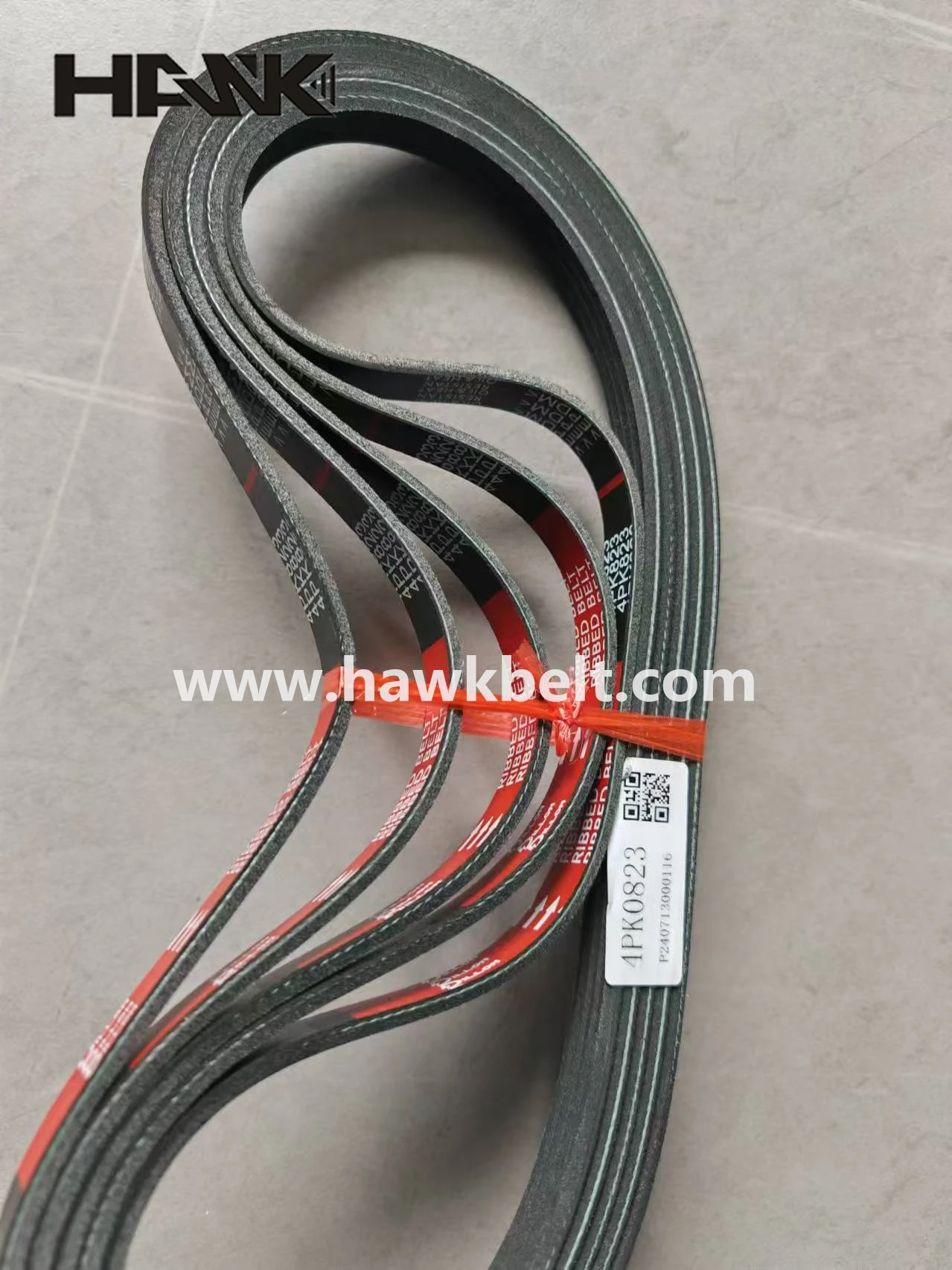
Illustrating the robust construction of a modern drive belt.
Industry Trends and Application Scenarios
The drive belt industry is constantly evolving, driven by demands for higher efficiency, durability, and specialized performance. While the historical significance of the leather drive belt is undeniable, its use today is largely confined to niche applications such as antique machinery restoration, specific woodworking equipment where its natural dampening properties are beneficial, and certain food processing environments where natural materials are preferred. However, the broader industrial landscape is dominated by synthetic belts.
A significant trend is the rise of the poly v belt, also known as a serpentine belt, in both automotive and industrial sectors. These belts combine the flexibility of flat belts with the positive grip of V-belts, allowing for compact drive designs that can power multiple accessories from a single belt. For instance, the lb7 serpentine belt is a specific example found in GM Duramax engines, engineered to withstand the high torque and operational demands of heavy-duty diesel applications.
Another key trend is the increasing focus on sustainability and energy efficiency, giving rise to the concept of an eco drive belt. These belts are often manufactured using more environmentally friendly processes, incorporate recycled materials, or are designed to reduce energy consumption through lower friction and increased efficiency. This trend aligns with global efforts to reduce carbon footprints across industries. Target industries for advanced drive belts include:
- Petrochemical: Requiring belts resistant to aggressive chemicals, high temperatures, and continuous operation.
- Metallurgy: Demanding robust belts capable of handling heavy loads, abrasive dust, and high heat in steel mills and foundries.
- Water Supply & Drainage: Utilizing belts in pump systems where reliability and corrosion resistance are critical.
- Automotive: Continuously innovating with new materials and designs for enhanced engine performance, fuel efficiency, and reduced noise, vibration, and harshness (NVH).
- Agriculture: Belts for heavy machinery, requiring durability against dust, mud, and extreme weather.
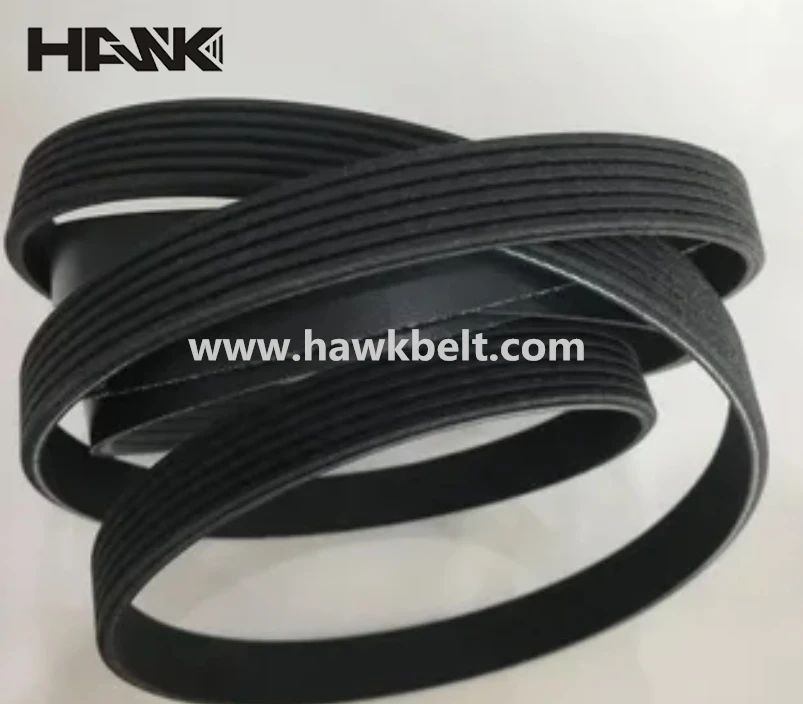
Industrial machinery showcasing the versatility of modern drive belt systems.
Technical Advantages and Performance Benefits
The choice between a traditional leather drive belt and a modern synthetic variant depends heavily on the specific advantages each offers for a given application. Leather belts are known for their resilience in certain traditional settings, offering good grip on cast iron pulleys and the ability to absorb shock loads due to their inherent elasticity. They are also relatively easy to splice and repair in situ, a critical advantage in remote or less industrialized environments.
However, modern poly v belts and new serpentine belt designs present a compelling array of technical advantages:
- High Power Transmission: Multi-ribbed designs allow for higher power capacity over a smaller width, enabling more compact engine and machine designs.
- Reduced Slip: Engineered materials and profiles provide superior friction, minimizing slip and maximizing energy transfer efficiency. This translates directly to energy saving benefits for industrial operations.
- Extended Service Life: Advanced polymer compounds like EPDM are highly resistant to heat, ozone, and oil, significantly extending the belt's operational lifespan and reducing maintenance frequency.
- Wide Temperature Range: Synthetic belts perform reliably across a broader temperature spectrum, from extreme cold to intense heat, making them suitable for diverse global climates and industrial processes.
- Corrosion Resistance: Unlike leather, synthetic belts are largely impervious to many industrial chemicals, acids, and moisture, offering excellent corrosion resistance crucial in harsh environments like petrochemical plants or marine applications.
- Low Maintenance: Self-tensioning systems and materials designed for minimal stretch reduce the need for constant adjustments, lowering overall operational costs.
- Reduced Noise and Vibration: Precise manufacturing and material properties contribute to smoother, quieter operation, enhancing workplace safety and comfort.
The transition from a leather drive belt to a state-of-the-art new serpentine belt for an automotive fan drive, for example, represents a significant leap in efficiency, reliability, and reduced total cost of ownership over the component's life cycle. This technological progression underscores the industry's commitment to continuous improvement and addressing evolving performance demands.
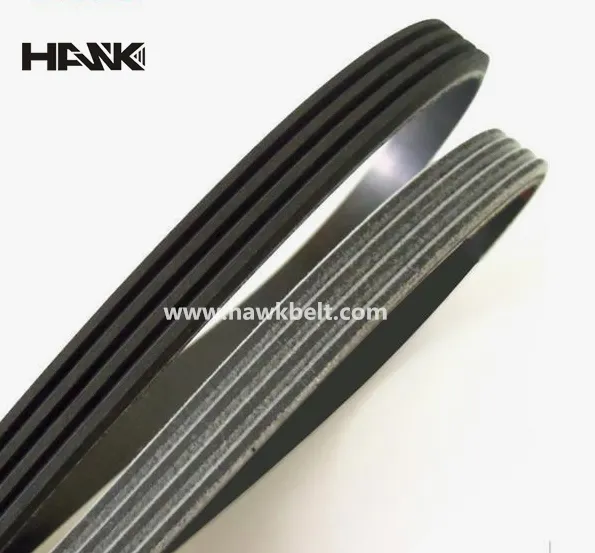
Highlighting the robust construction and durability of high-performance belts.
Vendor Comparison and Customized Solutions
Selecting the right drive belt vendor is a critical decision for B2B clients, impacting everything from operational efficiency to maintenance costs. Key factors in vendor comparison include manufacturing quality, adherence to international standards (e.g., ISO 9001 for quality management), material expertise, R&D capabilities, and the provision of customized solutions.
A reputable vendor will not only offer a broad catalog of standard products, such as the 4PK820, 4PK935, 4PK970, 4PK1180 Auto Fan Drive PK Belt series, but also possess the engineering acumen to develop bespoke solutions. For instance, while a standard poly v belt might suffice for many applications, a specific industrial setup might require enhanced heat resistance, specialized rib profiles for unique pulley geometries, or an eco drive belt made from specific sustainable compounds.
Customization can involve:
- Specific Lengths and Widths: Tailoring belts to exact machine dimensions for optimal fit and tension.
- Material Blends: Developing custom polymer compounds for extreme temperature, chemical exposure, or abrasion resistance.
- Reinforcement: Incorporating specialized cords (e.g., aramid for high strength, fiberglass for minimal stretch) to meet specific load requirements.
- Surface Treatments: Applying coatings to enhance grip, reduce noise, or provide static conductivity.
- Color Coding: For easy identification in complex systems or for safety regulations.
Engaging with vendors who offer comprehensive technical support, including diagnostic services and application engineering, is crucial. This collaborative approach ensures that whether the requirement is for a niche leather drive belt or a high-performance new serpentine belt, the client receives a solution optimized for their specific operational demands.
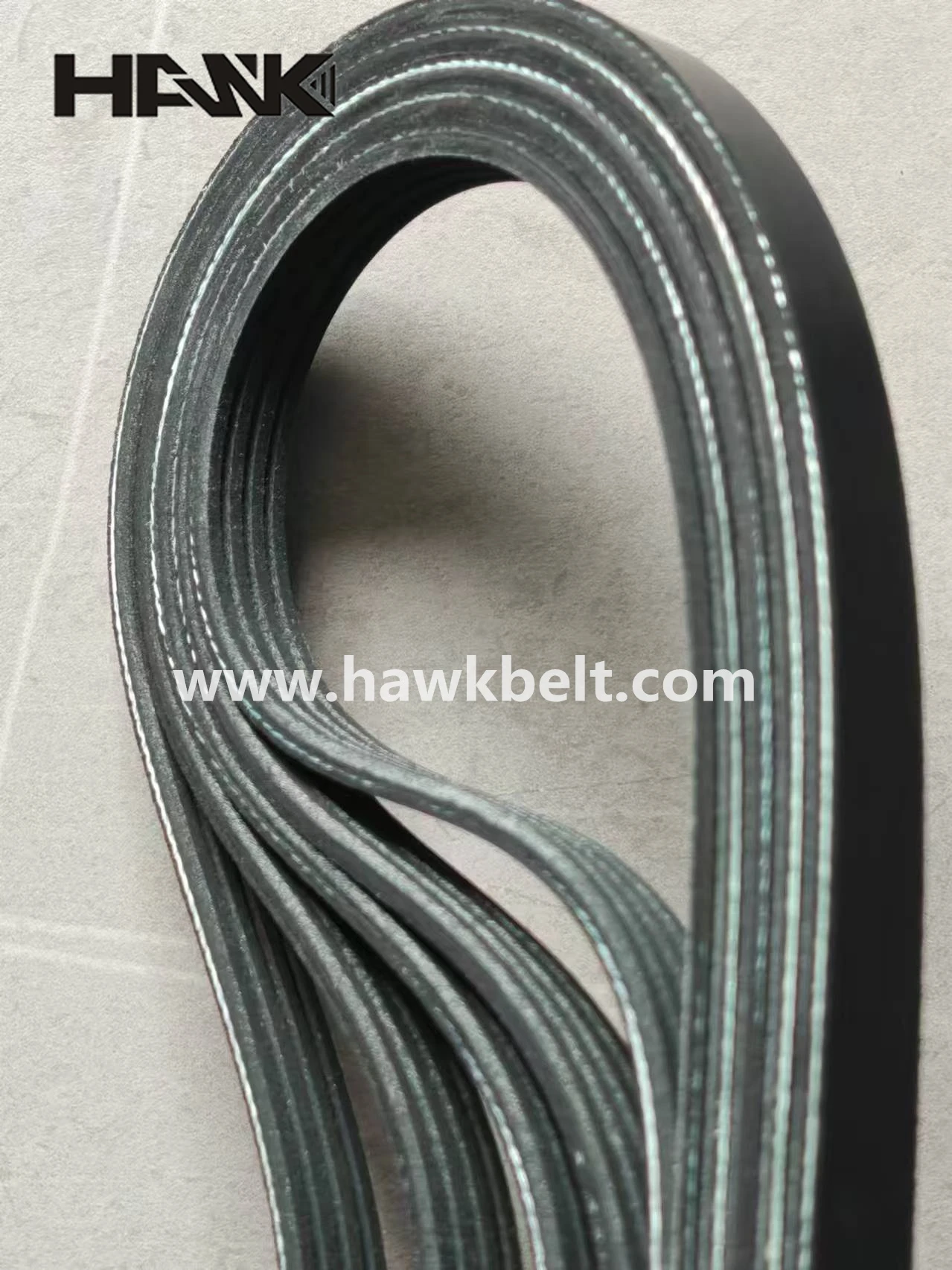
Advanced manufacturing facility ensuring precision and quality in belt production.
Application Case Studies
Real-world applications highlight the efficacy and versatility of drive belt technologies. These case studies demonstrate how tailored solutions address specific industry challenges.
Case Study 1: Legacy Textile Mill Modernization
A historic textile mill, operating machinery from the early 20th century, relied heavily on wide leather drive belts for power transmission. These belts required frequent maintenance, re-tensioning, and were susceptible to humidity-induced stretch. Our engineering team conducted a site assessment and proposed a hybrid solution: maintaining leather belts for specific, low-speed, high-torque primary drives where their dampening properties were invaluable, but upgrading secondary drives to modern poly v belts with custom lengths and advanced tensioning systems. This approach reduced downtime by 30%, extended belt service life on upgraded drives by 150%, and maintained the authentic operation of heritage equipment.
Case Study 2: Automotive OEM Engine Accessory Drive Enhancement
A leading automotive original equipment manufacturer (OEM) faced challenges with noise, vibration, and harshness (NVH) in their new engine platform, particularly emanating from the accessory drive system. Standard serpentine belts were contributing to perceptible cabin noise at specific RPMs. We collaborated with their design engineers to develop a specialized new serpentine belt using a custom EPDM compound optimized for improved dampening characteristics and a unique tooth profile designed to minimize pulley engagement noise. This custom solution resulted in a measurable reduction in NVH levels, enhancing driver comfort and meeting stringent automotive quality benchmarks. For specific high-performance applications like the lb7 serpentine belt, such tailored material science is crucial for maintaining peak engine performance and reliability.
Case Study 3: Chemical Plant Pump System Upgrade
A major petrochemical facility was experiencing premature failure of drive belts on critical chemical transfer pumps due to exposure to corrosive fumes and fluctuating temperatures. Standard industrial V-belts were degrading rapidly. Our solution involved implementing a specialized poly v belt engineered with a chemically resistant HNBR (Hydrogenated Nitrile Butadiene Rubber) compound and high-strength aramid tension members. The enhanced eco drive belt design not only provided superior corrosion resistance and extended the service life by over 200% but also improved power transmission efficiency, leading to significant energy saving and reduced maintenance costs for the plant.
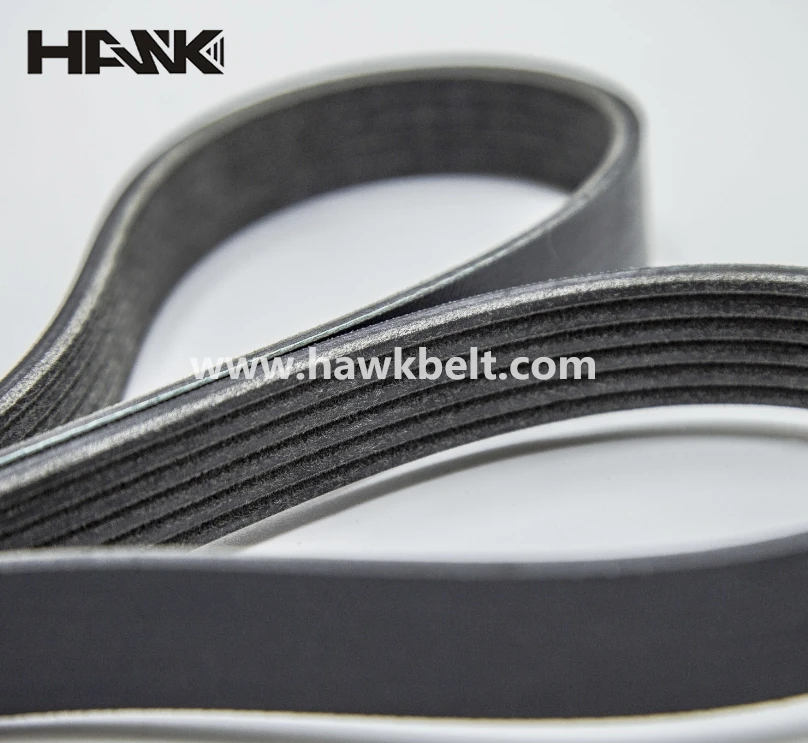
Rigorous testing procedures ensure product quality and reliability.
Trust and Authority: Our Commitment to Google Standards
At the core of our operations lies a steadfast commitment to delivering products and services that exemplify Expertise, Experience, Authoritativeness, and Trustworthiness (), as defined by Google. We ensure our offerings, from foundational drive solutions to advanced poly v belt systems, meet the highest industry benchmarks.
Expertise
Our team comprises seasoned engineers and material scientists specializing in power transmission. We employ advanced analytical techniques, including finite element analysis (FEA) for stress distribution and dynamic modeling for vibration analysis, ensuring optimal belt design. Our knowledge extends from traditional leather drive belt mechanics to the latest innovations in EPDM and HNBR polymer technology for new serpentine belt systems.
Experience
With over two decades in the drive belt manufacturing sector, we have supplied solutions for thousands of industrial and automotive applications worldwide. Our experience includes bespoke projects for demanding environments and high-volume supply chains for global OEMs. Customer feedback consistently highlights our products' reliability and our team's responsive support.
Authoritativeness
We hold ISO 9001:2015 certification, underscoring our commitment to consistent quality management. Our products comply with relevant SAE and ISO standards. We are proud partners to numerous blue-chip clients across the automotive, heavy machinery, and processing industries. Our internal testing laboratories are equipped to perform rigorous life-cycle tests, fatigue analysis, and material characterization, with data available upon request to validate product performance.
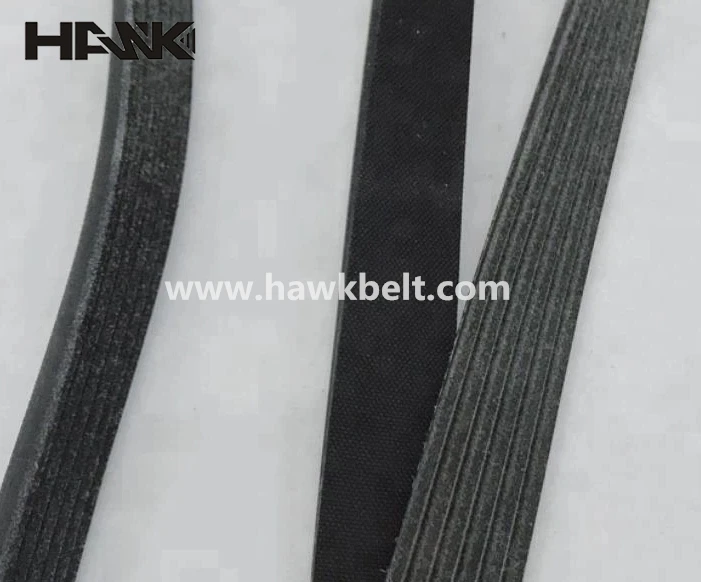
Our team of experts ensuring every product meets stringent quality benchmarks.
Trustworthiness: Your Assurance of Quality and Support
Our commitment to trustworthiness is foundational to every customer interaction.
Frequently Asked Questions (FAQ)
- Q: What is the typical lead time for standard 4PK series belts?
A: For standard 4PK820, 4PK935, 4PK970, and 4PK1180 belts, our typical lead time is 2-4 weeks, depending on order volume and current stock. Expedited options are available upon request. - Q: Can you provide custom belt lengths or profiles?
A: Yes, we specialize in customized solutions. Please contact our engineering team with your specific requirements, and we will assess feasibility and provide a tailored quote. - Q: How do I select the correct replacement for an lb7 serpentine belt?
A: It's crucial to match the original belt's length, rib count (PK profile), and material specification. Refer to your vehicle's service manual or consult with our technical support team, providing your vehicle's make, model, and engine type. - Q: What is the expected service life of your eco drive belt products?
A: Our eco drive belts are engineered for durability, often exceeding industry averages. Actual service life depends on operating conditions, maintenance, and proper installation, but generally ranges from 60,000 to 100,000 miles or several thousand operational hours in industrial settings.
Lead Time & Fulfillment
We maintain robust inventory management and efficient production schedules to ensure timely delivery. Standard orders are typically fulfilled within 2-4 weeks. For urgent requirements or large-scale projects, our logistics team works closely with clients to optimize delivery timelines and implement just-in-time (JIT) strategies where feasible. Global shipping and various freight options are available.
Warranty Commitments
All our drive belts, including the 4PK series and custom solutions, come with a standard 12-month limited warranty against manufacturing defects from the date of purchase. This warranty reflects our confidence in the quality and durability of our products, provided they are installed and operated according to manufacturer guidelines.
Customer Support Information
Our dedicated customer support team and technical service engineers are available to assist with product selection, technical inquiries, installation guidance, and troubleshooting. You can reach us via phone, email, or through our website's contact form during business hours. We are committed to providing prompt and effective support to ensure your operational success.
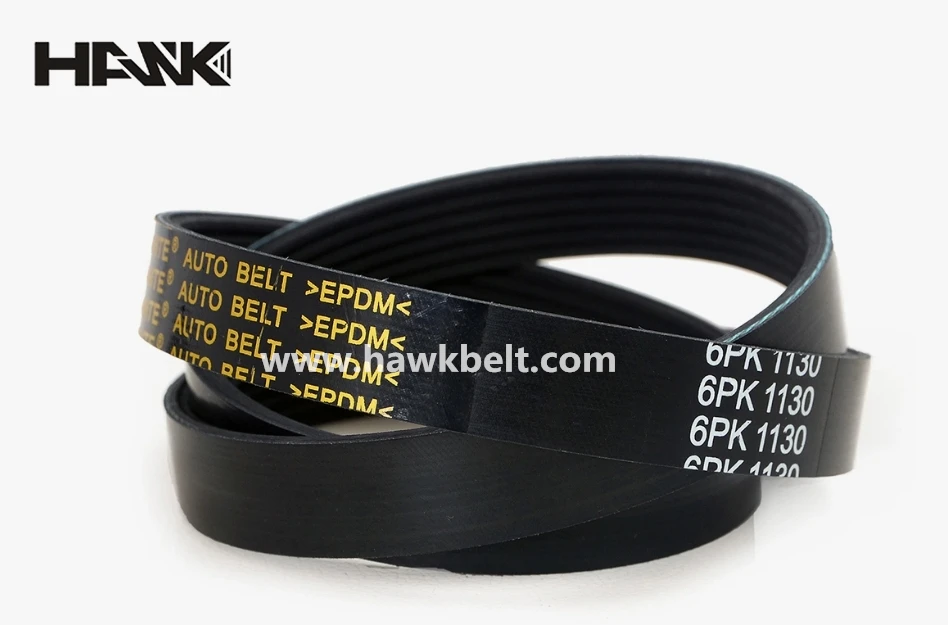
Our customer service team is ready to provide expert assistance.
Conclusion
The journey of drive belt technology from the traditional leather drive belt to the sophisticated poly v belt and new serpentine belt systems is a testament to continuous innovation in engineering and material science. For B2B decision-makers, understanding these advancements and their application-specific benefits is crucial for optimizing operational efficiency, ensuring reliability, and achieving long-term cost savings. By leveraging the expertise of specialized manufacturers and opting for high-quality, technically advanced drive belts, industries can significantly enhance their power transmission systems and stay competitive in a demanding global market.
References
- ISO 9001:2015 - Quality management systems - Requirements. International Organization for Standardization.
- SAE J1459: Test Methods for Automotive V-Ribbed Belts and Pulleys. Society of Automotive Engineers.
- B. J. Hamrock, S. R. Schmid, B. O. Jacobson. Fundamentals of Machine Elements. McGraw-Hill Higher Education, 2004.
- Gates Corporation. Power Transmission Product Information.
- Continental AG. Automotive Systems Product Catalog.
- Optibelt GmbH. Drive Technology Handbook.
-
Comprehensive Guide to Selecting High Performance drive belts
NewsApr.16,2026
-
Guide to Choosing the Right Fan Belt for Car Performance
NewsApr.09,2026
-
Understanding and Maintaining Your Vehicle's Serpentine Belt for Optimal Performance
NewsApr.07,2026
-
Choosing the Right Steering Belt for Optimal Vehicle Performance and Safety
NewsApr.04,2026
-
Understanding the Serpentine Belt for Optimal Vehicle Performance
NewsMar.31,2026
-
Comprehensive Guide to Understanding Your Fan Belt Car and Maintenance
NewsMar.28,2026