

Sep . 24, 2025 09:20 Back to list
Precision Industrial Flat Belts: Durable & Efficient
Navigating the Future of Power Transmission: Top Industrial Flat Belt Manufacturers from China at PTC ASIA
The Power Transmission and Control Asia (PTC ASIA) exhibition stands as a beacon for innovation and collaboration in the industrial sector, consistently drawing the attention of B2B decision-makers worldwide. For anyone involved in manufacturing, logistics, or industrial automation, PTC ASIA is more than just an event; it's a critical nexus where groundbreaking technologies and market-leading products are unveiled. This year, the spotlight shines brightly on the burgeoning capabilities of Chinese manufacturers in the realm of industrial flat belts – a fundamental component driving countless industrial machines. From flat transmission belts that ensure seamless operation to specialized flat timing belts critical for precise synchronization, Chinese suppliers are demonstrating an unparalleled commitment to quality, efficiency, and advanced engineering.
The value of PTC ASIA to the industrial flat belt industry cannot be overstated. It provides a unique platform for showcasing the latest advancements, fostering vital partnerships, and setting the pace for global power transmission solutions. As industries worldwide pivot towards higher efficiency and greater sustainability, the role of reliable, high-performance power transmission components becomes ever more crucial.
Industry Trend Spotlight: The Evolution of Industrial Belts
The industrial landscape is constantly evolving, and with it, the demands placed on power transmission systems. Today, B2B decision-makers are keenly focused on several key trends that are reshaping the industrial flat belt sector globally. Enhanced efficiency and durability are paramount. Manufacturers are investing heavily in research and development to create belts that can withstand extreme conditions, reduce energy consumption, and minimize downtime, directly impacting operational costs and productivity.
Another significant innovation gaining global attention is the integration of smart belt monitoring systems through IoT (Internet of Things). These systems provide real-time data on belt performance, temperature, tension, and wear, enabling predictive maintenance and preventing costly failures before they occur. This shift from reactive to proactive maintenance is a game-changer for industries relying on continuous operation, such as flat top belts in logistics or flat segregation conveyor belts in sorting facilities.
Eco-friendly material innovations are also at the forefront. As sustainability becomes a core tenet of corporate responsibility, there's a growing demand for industrial belts made from recyclable, biodegradable, or less environmentally impactful materials, without compromising performance. Furthermore, application-specific customization for various industrial sectors is no longer a luxury but a necessity. Whether it's a specialized flat timing belt for precision machinery or a robust flat transmission belt for heavy-duty applications, manufacturers are now offering tailored solutions to meet unique operational challenges.
The market for industrial belts is experiencing steady growth, driven by an accelerating pace of industrial automation, widespread infrastructure development, and a robust replacement market. This upward trajectory is creating increasing demand for high-performance and energy-efficient power transmission solutions across diverse sectors, from manufacturing and textiles to agriculture and logistics. Emerging focus areas include significant advancements in power transmission efficiency, the development of increasingly durable materials capable of enduring harsher environments, the adoption of smart manufacturing processes for improved quality control, and a broader embrace of sustainable industrial applications. These trends collectively underscore a dynamic and innovative future for the industrial flat belt market.
Profiles of Leading Industrial Belt Manufacturers
At PTC ASIA, a host of global and local manufacturers showcase their expertise, but some stand out for their innovation and market influence.
Xingtai Hake Rubber and Plastic Products Co., LTD
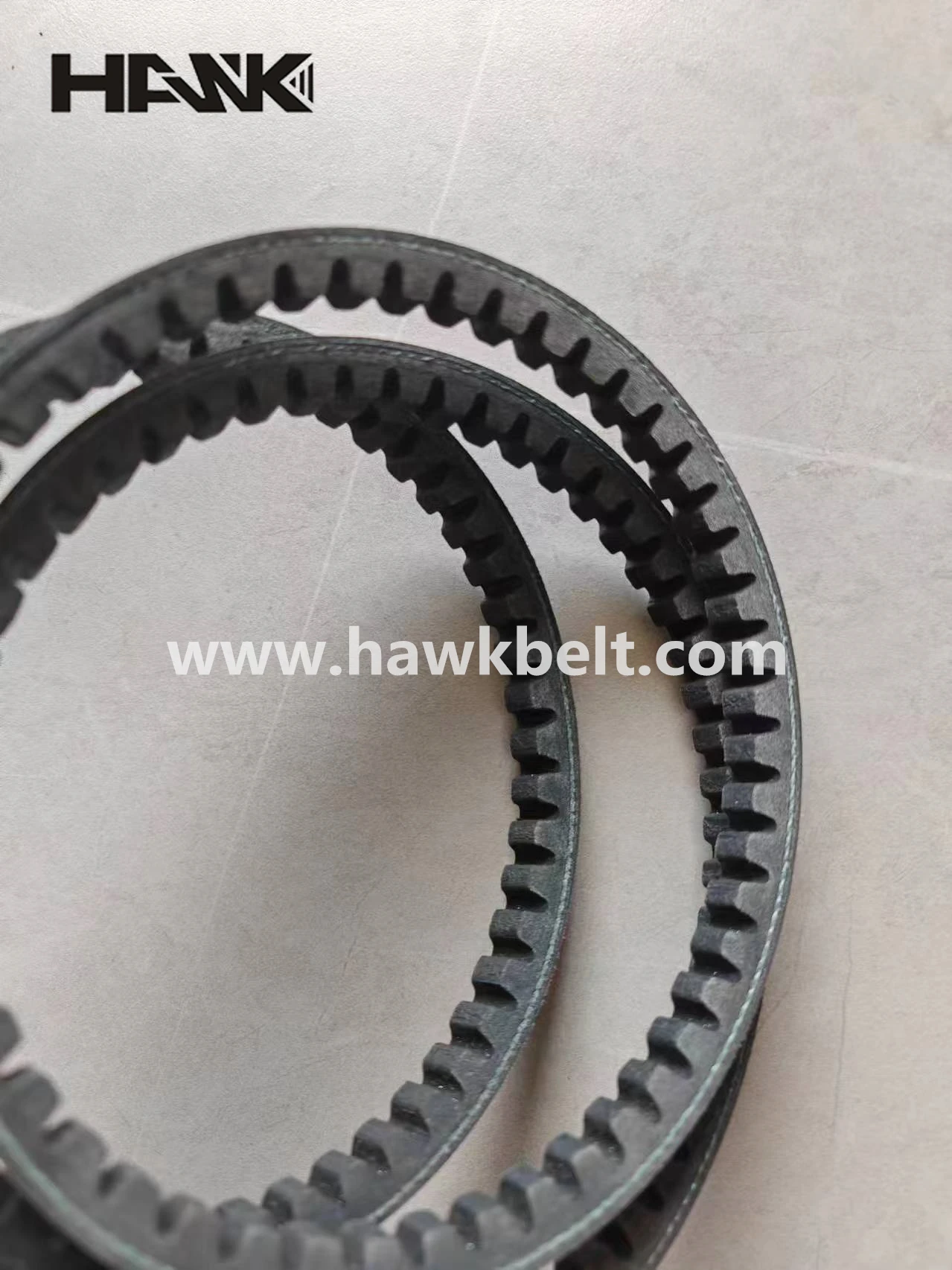
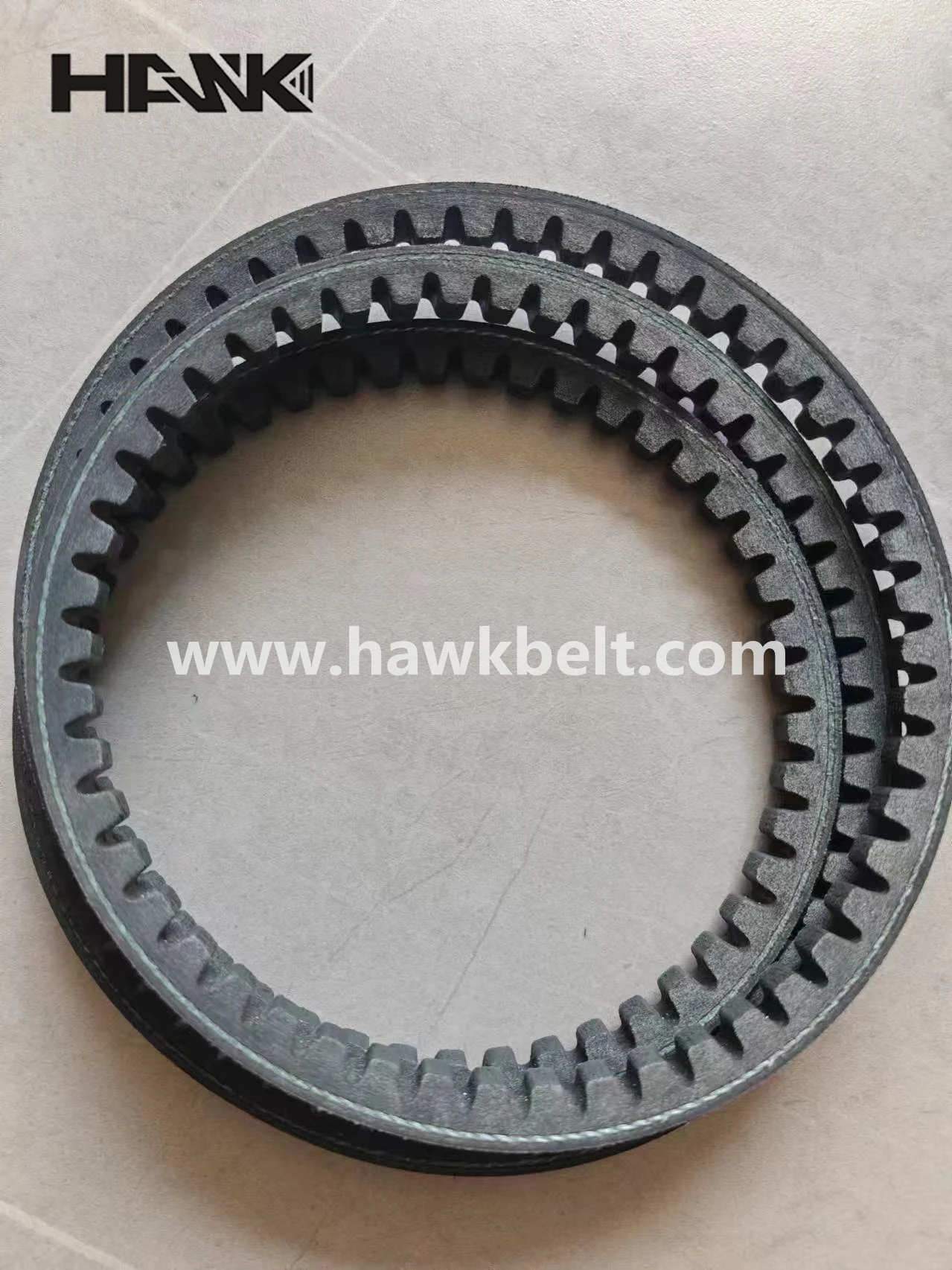
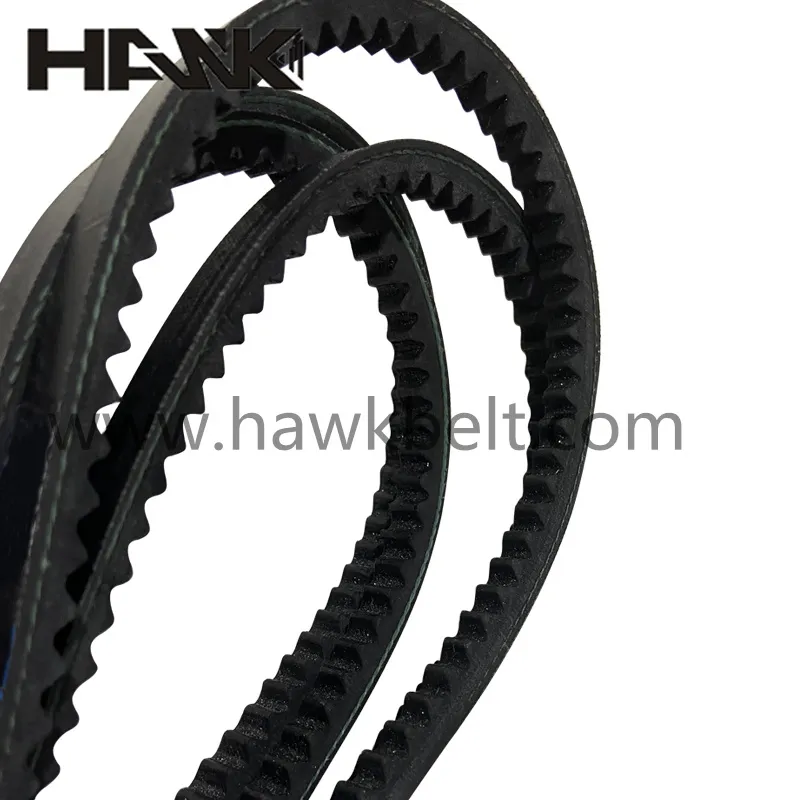
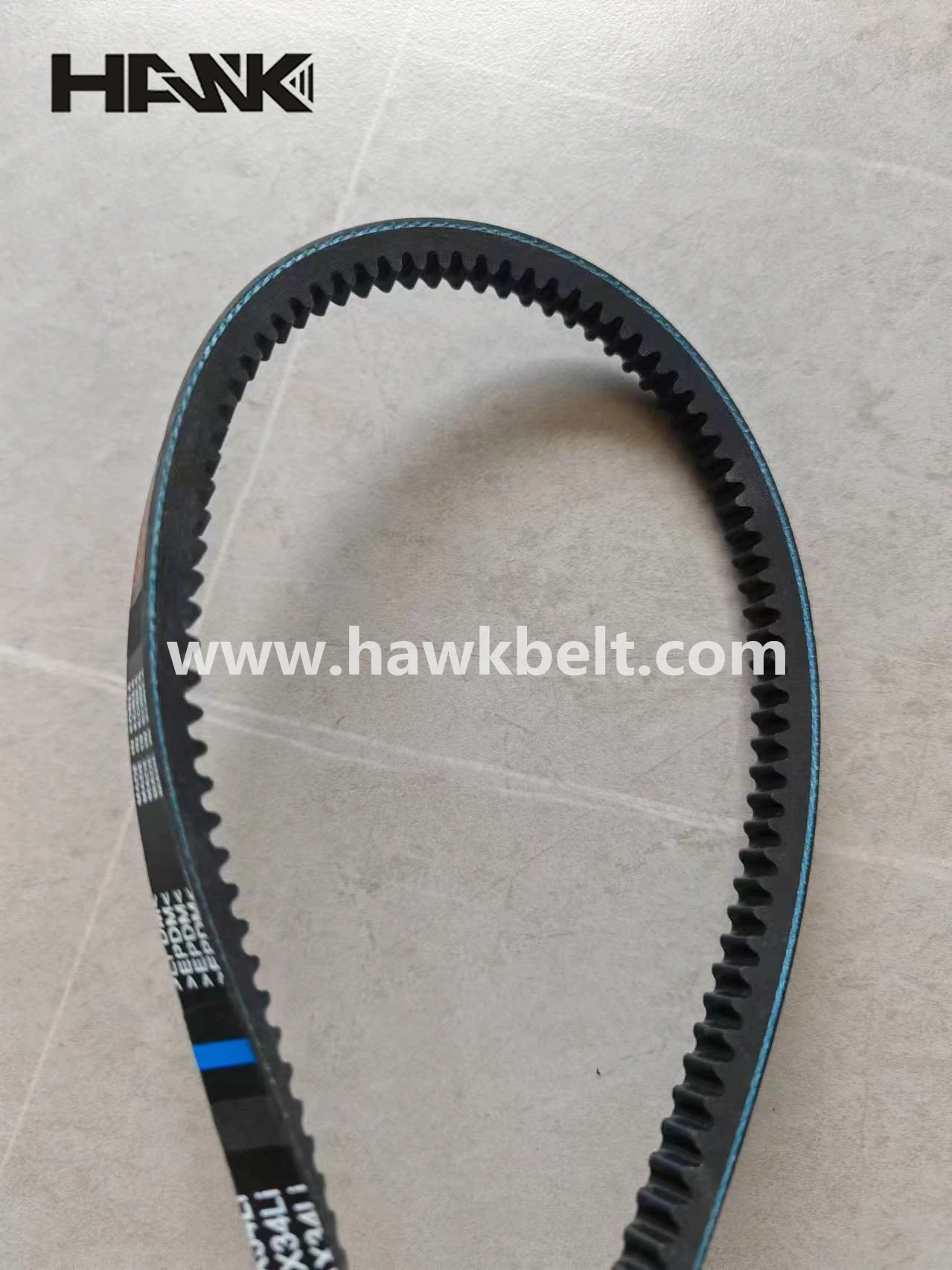
A prominent name among Chinese manufacturers, Xingtai Hake rubber and plastic products Co., LTD has carved a niche for itself through its dedication to quality and versatility. The company specializes in a comprehensive range of industrial belts, including high-performance V-belts, precision timing belts, and robust conveyor belts. Crucially for the focus of this article, their expertise extends significantly to various types of industrial flat belts, including flat transmission belts, flat top belts, and specialized flat segregation conveyor belts.
Xingtai Hake boasts strong manufacturing capabilities, leveraging advanced production lines and stringent quality control processes to ensure every product meets international standards. Their competitive pricing, combined with a commitment to durability and performance, makes them an attractive partner for global buyers seeking value without compromise. Furthermore, a key strength of Xingtai Hake lies in its potential for customized product development. They work closely with clients to engineer bespoke solutions, adapting belt specifications, materials, and designs to precisely meet diverse operational requirements and application-specific needs. This customer-centric approach positions them as a flexible and reliable supplier in the competitive industrial belt market.
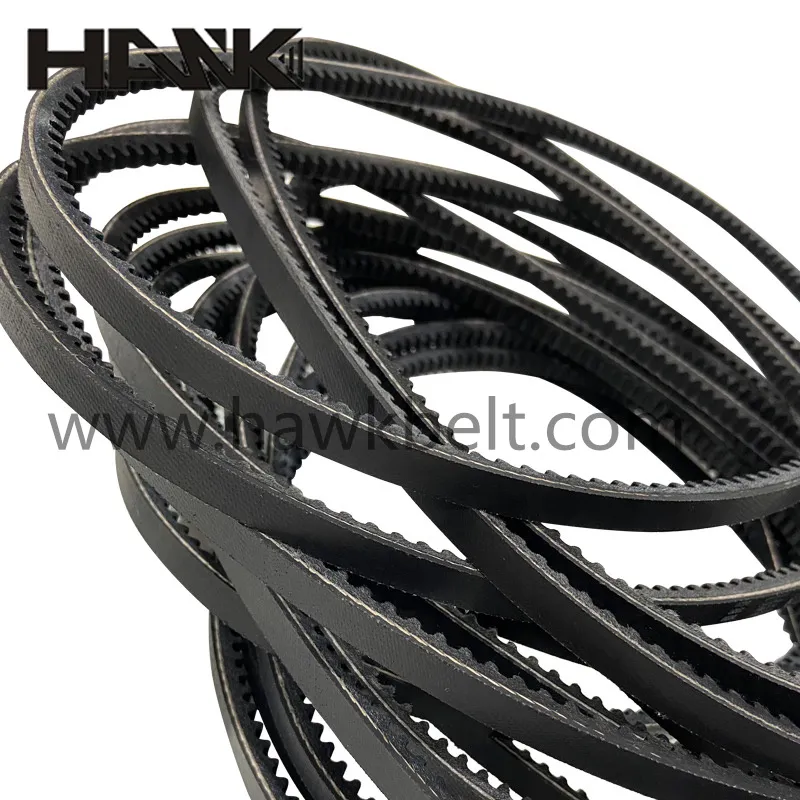
Other Global Leaders in Industrial Belts:
- Gates Corporation: A global leader in power transmission and fluid power products, Gates is renowned for its high-performance industrial belts, including a wide array of flat transmission belts, V-belts, and synchronous belts. Their focus on material science and engineering ensures superior durability and efficiency.
- Continental AG: While primarily known for tires, Continental's industrial arm produces a comprehensive portfolio of power transmission belts, including specialized industrial flat belts. Their German engineering expertise translates into products known for their reliability and long service life.
- Optibelt GmbH: Another German powerhouse, Optibelt specializes exclusively in industrial belt drives. They offer a vast selection of high-quality belts, including robust flat top belts and flat timing belts, catering to diverse industrial applications with precision and efficiency.
- Sanlux Co., Ltd.: As a major Chinese manufacturer, Sanlux is a significant player in the global belt market, offering a broad spectrum of industrial V-belts, raw edge belts, and flat belts. They emphasize large-scale production and continuous innovation to meet the demands of various industries.
- Fenner Group (Michelin): A part of the Michelin Group, Fenner is a world leader in reinforced polymer technology. Their engineered conveyor solutions and power transmission belts, including various flat segregation conveyor belts, are critical components in heavy industries, known for their resilience and performance.
Market Outlook & Opportunities for Industrial Flat Belts
The future for industrial flat belts is bright, driven by several upcoming trends and evolving buyer demands. Automation continues to be a dominant force, requiring belts that can handle higher speeds, greater loads, and more precise movements within automated systems. This pushes demand for advanced flat timing belts and durable flat transmission belts. Smart manufacturing, characterized by interconnected systems and data-driven decision-making, will further integrate IoT-enabled belts, making real-time monitoring and predictive maintenance standard practice.
Sustainability is another key opportunity. Buyers are increasingly prioritizing suppliers who can demonstrate eco-friendly manufacturing processes and offer products made from sustainable or recyclable materials. Manufacturers who can innovate in this space, developing high-performance green industrial flat belts, will gain a significant competitive edge. The shift towards circular economy principles means that the entire lifecycle of a belt, from raw material sourcing to end-of-life disposal, is under scrutiny.
Buyer/Business Takeaways: Partnering for Success
For B2B decision-makers, investing in high-quality industrial flat belts from reputable manufacturers is not just about procurement; it's about future-proofing operations and enhancing overall competitiveness. Here’s why it makes sense and how to navigate partnerships:
- Optimize Performance and Reduce Costs: Superior quality flat transmission belts, flat top belts, and flat timing belts lead to fewer breakdowns, lower maintenance costs, and improved energy efficiency. This directly impacts your bottom line.
- Embrace Innovation: Chinese manufacturers, like Xingtai Hake, are at the forefront of adopting smart technologies and sustainable materials. Partnering with them allows you to integrate cutting-edge solutions into your systems, such as IoT-enabled monitoring for flat segregation conveyor belts.
- Leverage Customization: Don't settle for off-the-shelf if your needs are unique. Many Chinese manufacturers offer robust customization services, ensuring the belt perfectly fits your specific application, maximizing efficiency and lifespan.
- Strategic Sourcing from China: To adopt or partner effectively, prioritize manufacturers with verifiable quality certifications (ISO, CE), strong R&D capabilities, and excellent communication channels. Look for transparency in their supply chain and a proven track record of timely delivery and post-sales support. Attending events like PTC ASIA is invaluable for direct engagement and vetting potential partners.
- Future-Proof Your Operations: By focusing on durable, efficient, smart, and sustainable industrial belts, businesses can build resilience against future market shifts, regulatory changes, and competitive pressures.
Conclusion: The Enduring Impact of PTC ASIA
PTC ASIA continues to be an indispensable platform for understanding and shaping the global industrial flat belt market. It brings together the brightest minds and the most innovative products, offering B2B decision-makers a comprehensive view of current trends and future directions. The strong presence and capabilities of Chinese manufacturers, epitomized by companies like Xingtai Hake rubber and plastic products Co., LTD, underscore China's pivotal role in supplying the world with advanced, cost-effective, and highly customized power transmission solutions.
As industries worldwide push the boundaries of automation, efficiency, and sustainability, the demand for cutting-edge flat transmission belts, flat timing belts, and flat segregation conveyor belts will only intensify. Engaging with leading manufacturers at events like PTC ASIA and exploring their diverse offerings is crucial for any business looking to maintain a competitive edge.
To learn more about high-quality industrial belts and explore customization options, visit Xingtai Hake rubber and plastic products Co., LTD.
-
Comprehensive Guide to Selecting High Performance drive belts
NewsApr.16,2026
-
Guide to Choosing the Right Fan Belt for Car Performance
NewsApr.09,2026
-
Understanding and Maintaining Your Vehicle's Serpentine Belt for Optimal Performance
NewsApr.07,2026
-
Choosing the Right Steering Belt for Optimal Vehicle Performance and Safety
NewsApr.04,2026
-
Understanding the Serpentine Belt for Optimal Vehicle Performance
NewsMar.31,2026
-
Comprehensive Guide to Understanding Your Fan Belt Car and Maintenance
NewsMar.28,2026