

Feb . 26, 2026 02:05 Back to list
Comprehensive Guide to Selecting the Right Truck Engine Belt for Optimal Performance
Choosing the Right Truck Engine Belt: A Comprehensive Guide
Maintaining the optimal performance of your truck engine relies heavily on several key components, and the truck engine belt is undeniably one of the most crucial. This essential part ensures the smooth operation of vital systems like the alternator, power steering, and air conditioning. Selecting the right belt can significantly extend your engine’s life and prevent costly breakdowns. This article will provide a deep dive into understanding truck engine belts, covering types, materials, maintenance, and how to choose the best option for your specific needs. Properly maintaining and replacing your truck engine belt is a small investment that yields significant returns in reliability and performance.
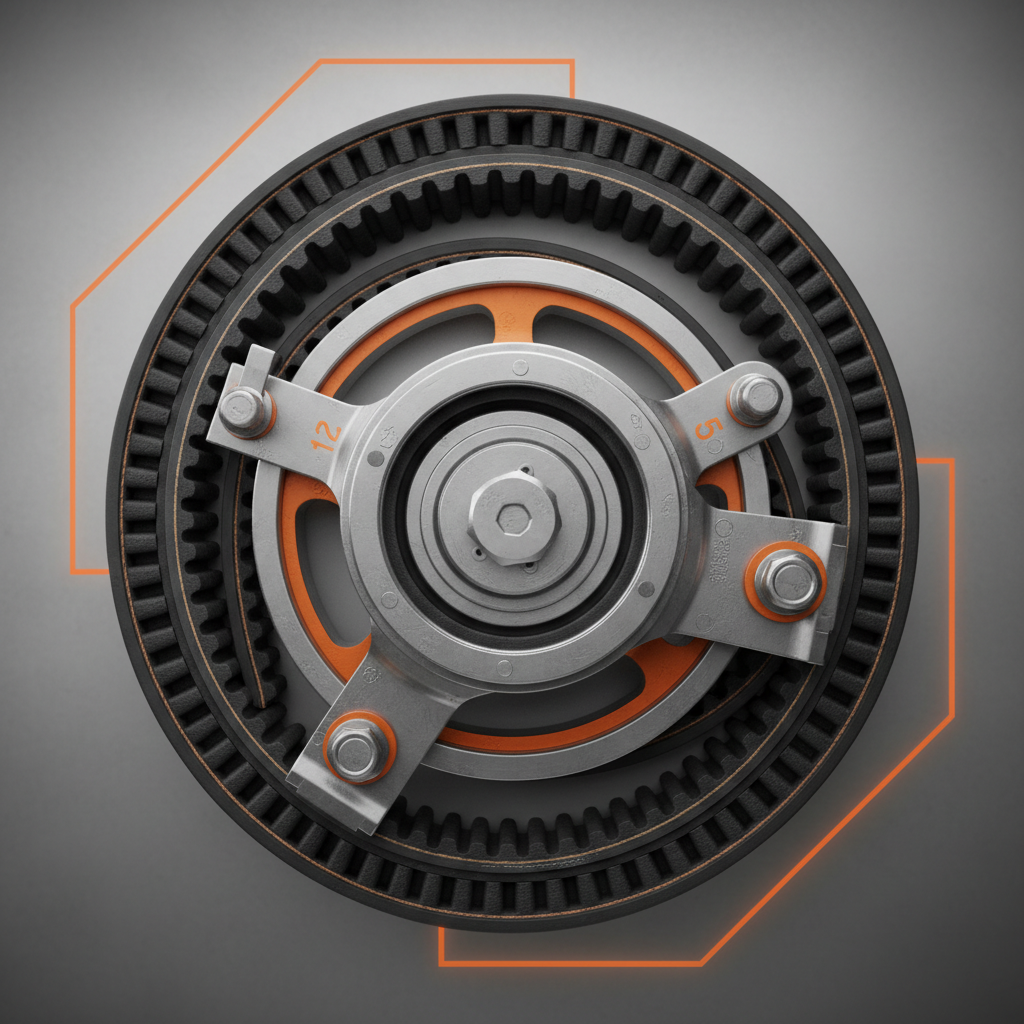
Understanding Different Types of Truck Engine Belts
Truck engine belts aren’t one-size-fits-all. They come in various types, each designed for specific applications and engine configurations. The most common types include V-belts, Poly-V belts (also known as serpentine belts), and timing belts. V-belts are older technology but still found in some trucks, utilizing a V-shaped cross-section to grip pulleys. Poly-V belts offer increased flexibility and efficiency, capable of driving multiple accessories with a single belt. Timing belts, however, are a different beast entirely – they synchronize the crankshaft and camshaft, critical for proper engine timing. Choosing the wrong belt can lead to severe engine damage, highlighting the importance of proper identification and selection. HawkBelt offers a wide range of belts for various truck makes and models.
Key Takeaway: Understanding the type of belt your truck requires is the first step toward ensuring optimal engine performance and preventing costly repairs.
Materials Matter: Belt Construction and Durability
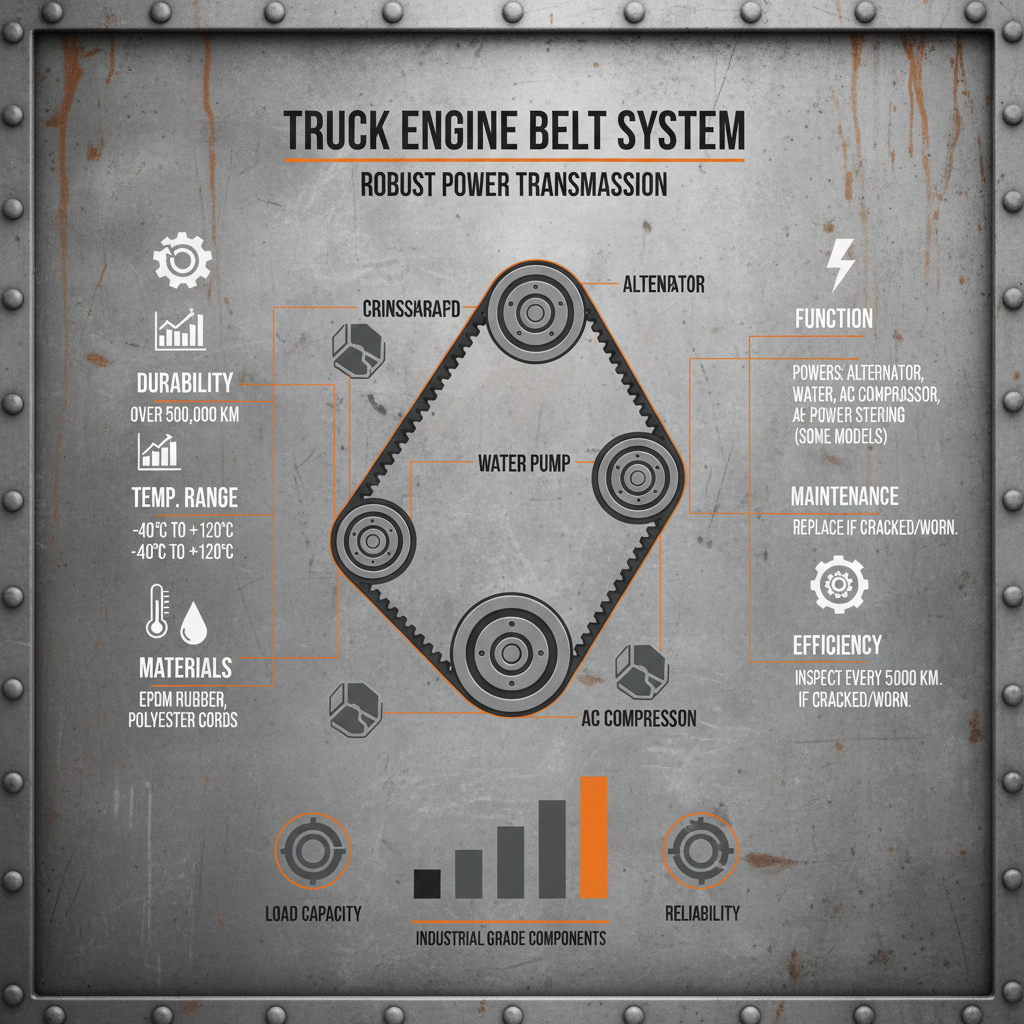
The materials used in a truck engine belt significantly impact its durability and lifespan. Traditionally, belts were made from rubber, but modern belts often incorporate materials like EPDM (ethylene propylene diene monomer) rubber, reinforced with aramid or polyester cords for added strength and resistance to cracking and wear. EPDM offers superior resistance to heat, oil, and ozone, making it ideal for demanding truck engine environments. The number and quality of the cords also play a crucial role – more cords generally indicate a stronger, more durable belt. Investing in a belt made from high-quality materials can save you money in the long run by reducing the frequency of replacements.
Material Benefits:
• EPDM rubber: Superior heat, oil, and ozone resistance.
• Aramid/Polyester Cords: Enhanced strength and durability.
• Increased Lifespan: Reduces replacement frequency.
Choosing the Correct Truck Engine Belt for Your Vehicle
Selecting the right belt requires careful consideration of your truck’s make, model, and engine type. Consult your vehicle’s owner’s manual for the correct belt specification. Pay close attention to the belt’s length, width, and number of ribs (for Poly-V belts). Using an incorrect belt can lead to slippage, overheating, and ultimately, engine damage. It's also vital to consider the operating conditions of your truck. If you frequently operate in harsh environments, such as extreme temperatures or dusty conditions, opt for a heavy-duty belt designed to withstand these challenges. HawkBelt's website offers a convenient belt finder tool to help you identify the perfect belt for your truck.
Regular Inspection and Maintenance of Your Truck Engine Belt
Preventive maintenance is key to maximizing the life of your truck engine belt and avoiding unexpected breakdowns. Regularly inspect the belt for signs of wear and tear, such as cracks, fraying, or glazing. Check the belt tension to ensure it’s within the manufacturer’s specifications. A loose belt can slip, reducing efficiency and causing premature wear. Additionally, inspect the pulleys for damage or misalignment, as these can contribute to belt failure. Consider using a belt dressing specifically designed for truck engine belts to help maintain flexibility and prevent cracking.
Conclusion: Prioritizing Belt Health for Truck Reliability
The truck engine belt is a small but vital component that plays a significant role in your vehicle’s overall performance and reliability. By understanding the different types of belts, selecting the correct option for your truck, and implementing a regular inspection and maintenance routine, you can extend its lifespan, prevent costly repairs, and ensure a smooth and safe driving experience. Don't underestimate the importance of this often-overlooked part – invest in a quality belt from a reputable supplier like HawkBelt and prioritize its ongoing maintenance.
Frequently Asked Questions (FAQs)
How often should I replace my truck engine belt?
The recommended replacement interval for a truck engine belt varies depending on the type of belt, operating conditions, and manufacturer’s recommendations. However, a general guideline is to replace V-belts every 50,000-75,000 miles, Poly-V belts every 60,000-100,000 miles, and timing belts every 60,000-90,000 miles. It's crucial to visually inspect the belt regularly and replace it sooner if signs of wear are detected. Always consult your vehicle’s owner’s manual for specific recommendations.
What are the signs that my truck engine belt needs replacing?
Several signs indicate your truck engine belt may need replacing. These include visible cracks, fraying, or glazing on the belt's surface. Squealing or chirping noises, especially when starting the engine or accelerating, can also indicate a worn or loose belt. If you notice the belt is excessively worn, stretched, or exhibiting signs of damage, it’s best to replace it promptly to avoid potential breakdowns. A slipping belt can cause reduced performance and overheating.
Can I replace a truck engine belt myself?
Replacing a truck engine belt can be a DIY project for mechanically inclined individuals, but it requires some experience and the right tools. The process involves releasing tension on the belt, removing the old belt, and installing the new belt, ensuring correct tension and alignment. If you’re not comfortable performing this task, it’s best to consult a qualified mechanic to avoid potential damage to your engine. Improper installation can lead to belt slippage or engine damage.
-
Comprehensive Guide to Selecting High Performance drive belts
NewsApr.16,2026
-
Guide to Choosing the Right Fan Belt for Car Performance
NewsApr.09,2026
-
Understanding and Maintaining Your Vehicle's Serpentine Belt for Optimal Performance
NewsApr.07,2026
-
Choosing the Right Steering Belt for Optimal Vehicle Performance and Safety
NewsApr.04,2026
-
Understanding the Serpentine Belt for Optimal Vehicle Performance
NewsMar.31,2026
-
Comprehensive Guide to Understanding Your Fan Belt Car and Maintenance
NewsMar.28,2026