

Feb . 27, 2026 02:05 Back to list
Understanding Toothed Drive Belts for Optimal Power Transmission Systems
Understanding Toothed Drive Belts: A Comprehensive Guide
Toothed drive belts, also known as timing belts, are a crucial component in power transmission systems across numerous industries. These belts offer a precise and efficient method for transferring power between rotating shafts, particularly where synchronous motion is critical. From automotive engines to industrial machinery, toothed drive belts provide reliable performance and durability. This article will explore the various aspects of these belts, including their construction, types, applications, and key considerations for selection. Understanding these details will help you optimize your power transmission systems and ensure smooth, efficient operation.
How Toothed Drive Belts Work: The Principles of Power Transmission
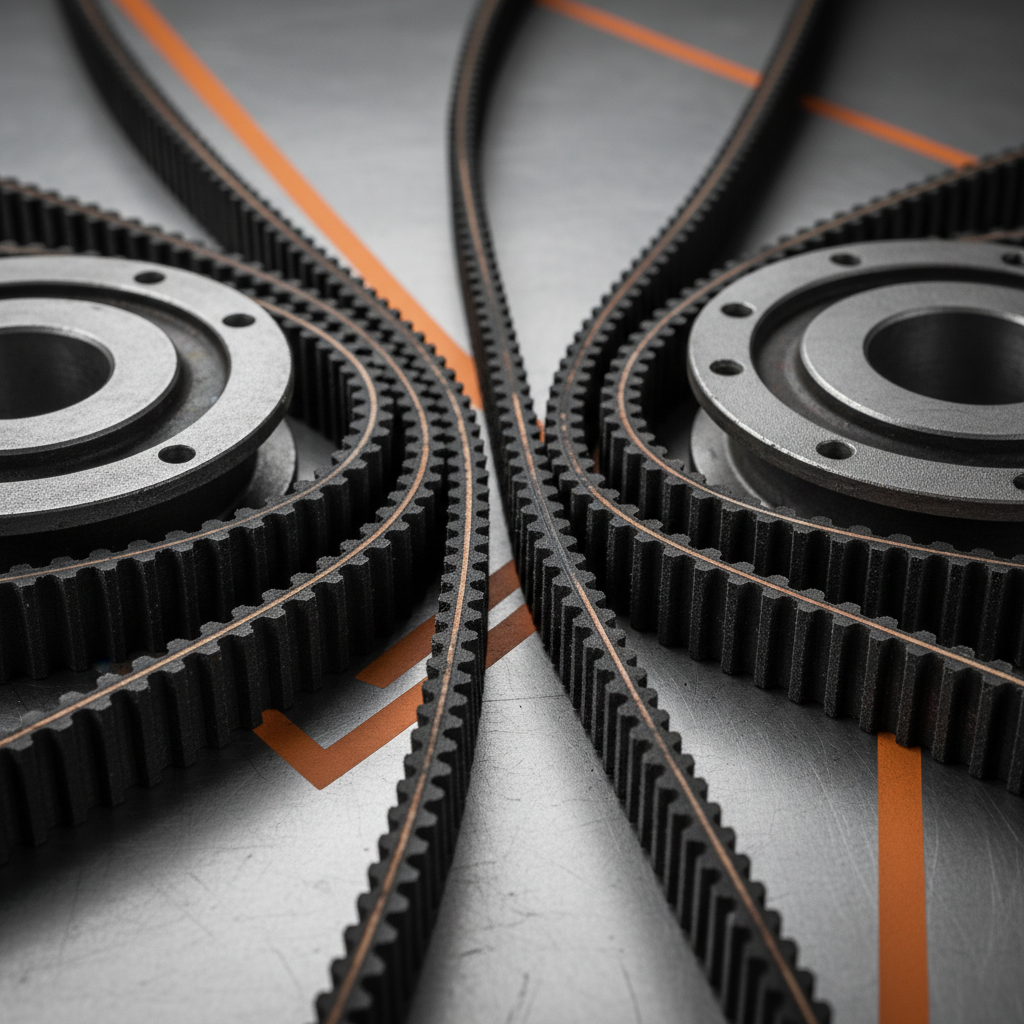
Toothed drive belts operate on the principle of positive engagement. Unlike V-belts which rely on friction, toothed belts feature precisely molded teeth that mesh with corresponding grooves on pulleys. This positive engagement ensures a consistent and non-slip power transfer, maintaining a fixed speed ratio between the driving and driven shafts. The belt's teeth are designed to withstand tension and shear forces, providing reliable performance even under heavy loads. This precision is essential in applications requiring accurate timing and synchronization, like internal combustion engines. A properly installed toothed drive belt guarantees smooth and efficient operation, minimizing energy loss and reducing maintenance requirements.
Key Advantages: Precise power transmission, reduced slippage, minimal maintenance, and high efficiency.
Types of Toothed Drive Belts: Matching the Belt to the Application
There are several types of toothed drive belts available, each suited to specific applications. Common types include: Classical belts, featuring a traditional trapezoidal tooth profile; Narrow belts, offering a more compact design; Polyurethane belts, known for their high strength and resistance to abrasion; and Ribbed belts, providing increased flexibility and reduced noise. The choice of belt depends on factors like the power to be transmitted, the speed ratio, operating temperature, and environmental conditions. Hawkbelt offers a comprehensive range of toothed drive belts to meet diverse industrial needs, ensuring optimal performance and longevity.
Belt Type Comparison:
• Classical Belts: Robust, versatile, good for general applications.
• Narrow Belts: Space-saving design, suitable for compact machinery.
• Polyurethane Belts: High strength, abrasion resistance, ideal for demanding environments.
• Ribbed Belts: Flexible, low noise, excellent for precision applications.
Applications of Toothed Drive Belts: A Wide Range of Industries
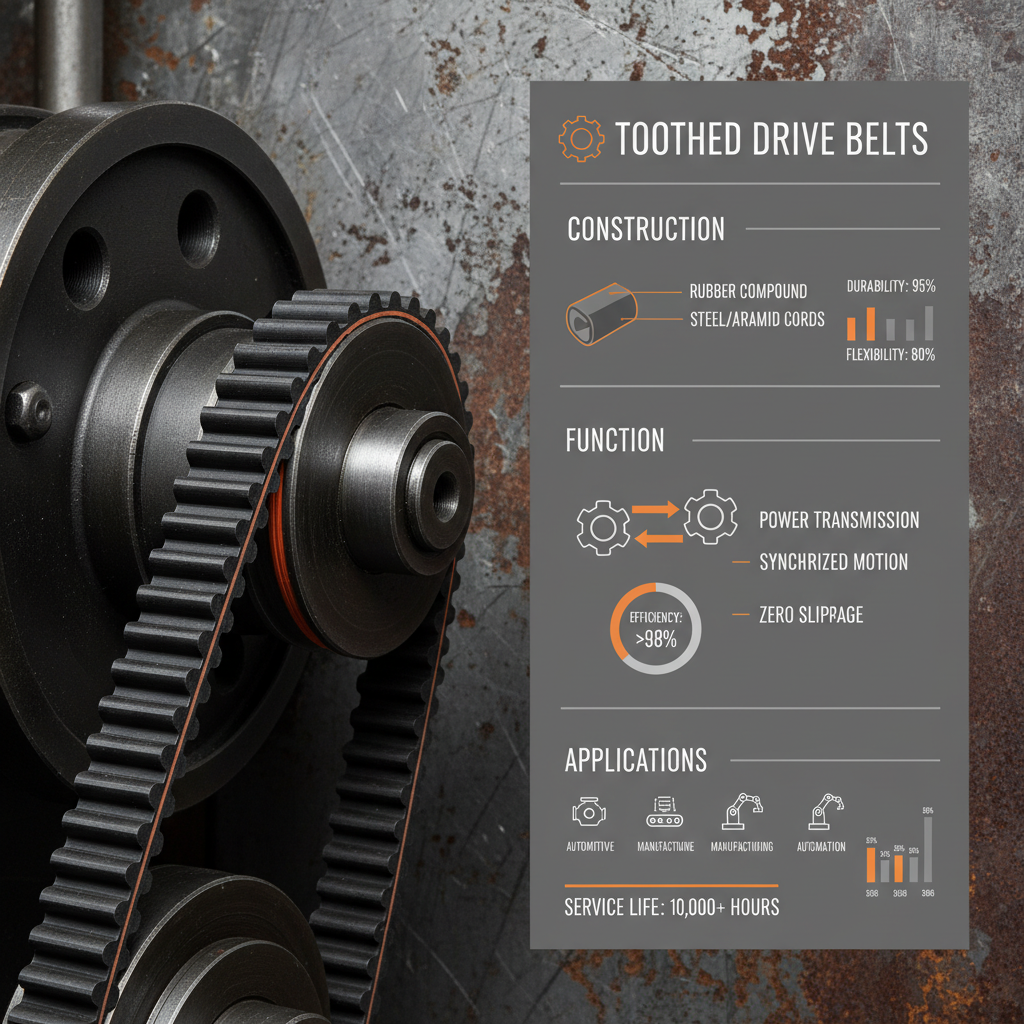
Toothed drive belts are integral to a vast array of applications. In the automotive industry, they synchronize the crankshaft and camshaft in internal combustion engines. Industrial machinery, such as conveyor systems, textile manufacturing equipment, and printing presses, rely on these belts for precise power transmission. They are also commonly found in robotics, CNC machines, and packaging equipment. The versatility and reliability of high-quality toothed belts make them a preferred choice for engineers and manufacturers across diverse sectors.
Selecting the Right Toothed Drive Belt: Key Considerations
Choosing the optimal toothed drive belt requires careful consideration of several factors. First, determine the power transmission requirements and calculate the necessary belt tension. Next, assess the operating environment, considering temperature, humidity, and potential exposure to chemicals. Select a belt material that can withstand these conditions. Proper pulley alignment is critical for preventing premature wear and ensuring efficient operation. Finally, consult with a reputable supplier like Hawkbelt to ensure you select the right belt for your specific needs.
Maintenance and Longevity: Extending the Life of Your Belts
Regular maintenance is crucial for maximizing the lifespan of toothed drive belts. Periodically inspect belts for wear, cracks, and missing teeth. Ensure proper tension and alignment. Clean belts to remove dirt and debris. Avoid overloads and shock loads. Proper lubrication can also reduce friction and extend belt life. By following these simple maintenance guidelines, you can significantly reduce downtime and ensure reliable performance. Hawkbelt provides resources and expert advice to help you maintain your belt systems effectively.
Conclusion: Optimizing Performance with Quality Toothed Drive Belts
Investing in high-quality toothed drive belts from a trusted supplier like Hawkbelt is a strategic decision that can significantly improve the efficiency and reliability of your power transmission systems. By understanding the different types of belts, their applications, and proper maintenance practices, you can ensure optimal performance and minimize downtime. Choose Hawkbelt for superior quality, expert advice, and dependable service.
Frequently Asked Questions (FAQs)
What are the benefits of using toothed drive belts over chain drives?
Toothed drive belts offer several advantages over chain drives. They operate more quietly, require less lubrication, and are generally lighter in weight. Belts also exhibit less wear on the pulleys compared to the sprockets used with chains, extending the life of the system. While chains are often stronger for very high power transmission, belts are often preferred for applications where noise reduction and maintenance minimization are critical. They are also less likely to stretch over time compared to chains, maintaining consistent tension and timing.
How do I determine the correct belt pitch for my application?
Belt pitch refers to the distance between adjacent teeth. Choosing the correct pitch is crucial for ensuring proper meshing and efficient power transmission. The selection depends on the center distance between pulleys, the desired speed ratio, and the power to be transmitted. Smaller pitches are suitable for smaller pulleys and higher speeds, while larger pitches are better for larger pulleys and higher torque applications. Consulting with a belt specialist or referring to manufacturer's catalogs (like those available at Hawkbelt) is highly recommended.
What are some common causes of toothed drive belt failure?
Common causes of failure include improper tension, misalignment of pulleys, contamination (dirt, oil, chemicals), overloading, and fatigue due to repeated stress. Over tensioning can lead to premature wear, while under tensioning can cause slippage. Misalignment creates uneven wear patterns. Regular inspection and maintenance can help prevent these failures. Using the correct belt type and operating within its specified limits are also essential for maximizing belt life.
Can toothed drive belts be used in high-temperature environments?
Yes, certain toothed drive belts are specifically designed for high-temperature applications. These belts typically utilize materials like HNBR (Hydrogenated Nitrile Butadiene Rubber) or polyurethane, which offer excellent heat resistance. The maximum operating temperature depends on the belt material and construction. It’s crucial to select a belt that can withstand the specific temperature range of the application to prevent degradation and premature failure. Hawkbelt offers a range of high-temperature belts for demanding industrial environments.
-
Comprehensive Guide to Selecting High Performance drive belts
NewsApr.16,2026
-
Guide to Choosing the Right Fan Belt for Car Performance
NewsApr.09,2026
-
Understanding and Maintaining Your Vehicle's Serpentine Belt for Optimal Performance
NewsApr.07,2026
-
Choosing the Right Steering Belt for Optimal Vehicle Performance and Safety
NewsApr.04,2026
-
Understanding the Serpentine Belt for Optimal Vehicle Performance
NewsMar.31,2026
-
Comprehensive Guide to Understanding Your Fan Belt Car and Maintenance
NewsMar.28,2026