

Apr . 09, 2026 02:05 Back to list
Guide to Choosing the Right Fan Belt for Car Performance
The Ultimate Guide to Choosing the Right Fan Belt for Car Performance
Maintaining your vehicle's engine efficiency starts with the smallest components, and the fan belt for car is one of the most critical. Often referred to as a serpentine belt, this component is responsible for powering essential accessories like the alternator, water pump, and air conditioning compressor. A worn-out belt can lead to overheating or a complete engine breakdown, leaving you stranded. Understanding how to identify, select, and maintain these belts is essential for every car owner and automotive professional. In this comprehensive guide, we will explore the technical nuances of high-quality belts to ensure your engine runs smoothly and reliably.
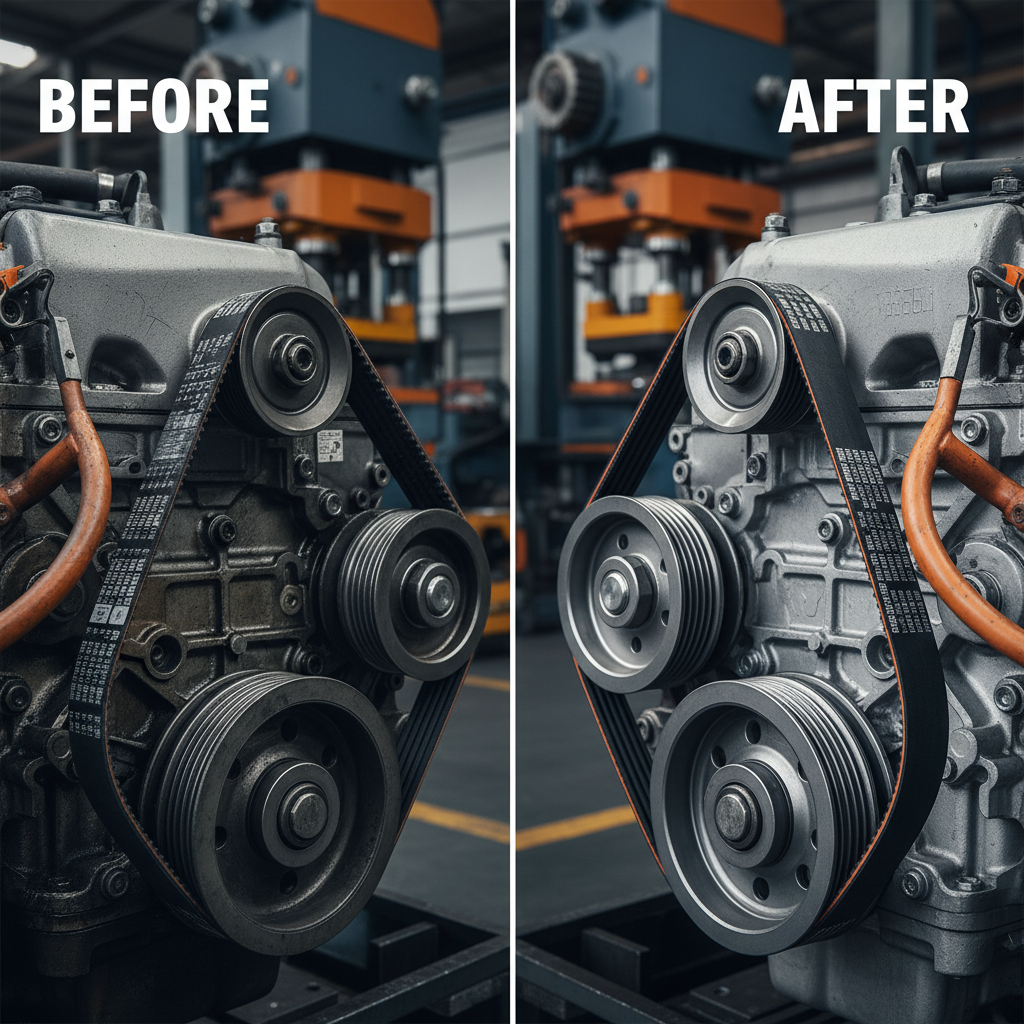
How Your Fan Belt for Car Operates
The fan belt for car operates on a simple yet effective principle of friction and tension. As the crankshaft rotates, it drives the belt, which in turn spins the pulleys of various engine peripherals. Modern vehicles typically use a single serpentine belt to simplify the engine bay and increase efficiency. If the belt slips due to low tension or wears down, the friction decreases, leading to a characteristic squealing noise. This is a primary warning sign that the belt is losing its grip and needs immediate attention to prevent catastrophic failure of the cooling system.
Pro Tip: Always check the belt tensioner. A faulty tensioner can cause even a brand new belt to wear out prematurely or slip under high loads.
Common Signs of Fan Belt Wear and Tear
Identifying a failing fan belt for car early can save you hundreds of dollars in repair costs. The most obvious sign is a high-pitched screeching sound upon starting the engine or accelerating. Visually, you should look for "glazing"—where the sides of the belt look shiny or smooth—which indicates overheating and loss of traction. Additionally, small cracks (checking) across the ribs of the belt suggest that the rubber has dried out and is prone to snapping. If you notice your battery light flickering or the engine temperature rising, it is a clear indicator that the belt is no longer driving the alternator or water pump effectively.
Comparing Material Quality for Your Fan Belt for Car
Not all belts are created equal. Depending on the driving conditions—whether it's extreme heat or freezing winters—the material of your fan belt for car makes a significant difference in longevity. Standard rubber belts are cost-effective but degrade faster under high thermal stress. EPDM (Ethylene Propylene Diene Monomer) has become the industry standard because it resists heat, ozone, and cracking far better than neoprene. Below is a detailed comparison to help you choose the right material for your vehicle's needs.
Installation and Maintenance Tips
Replacing a fan belt for car is a task that requires precision. First, always ensure the engine is completely cool to avoid burns. Using a belt routing diagram is critical, as installing the belt in the wrong sequence can cause immediate failure or damage to the pulleys. Once installed, check the tension; a belt that is too tight can put excessive pressure on the bearings of the alternator and water pump, while one that is too loose will slip. We recommend a professional inspection every 30,000 to 60,000 miles to ensure the rubber remains pliable and the ribs are intact.
Technical Specifications for Industrial-Grade Belts
For those seeking the highest level of performance, choosing a belt with specific technical standards is key. A high-quality fan belt for car should feature reinforced tensile cords to prevent stretching. The rib profile must be precise to ensure maximum surface contact with the pulley grooves. Below are the general specifications for our premium automotive belt series designed for maximum endurance.
Conclusion: Ensuring Long-Term Reliability with Hawkbelt
Selecting the right fan belt for car is more than just a routine maintenance task; it is an investment in your vehicle's reliability and safety. By choosing high-quality EPDM materials and following a strict inspection schedule, you can prevent unexpected breakdowns and optimize engine performance. Whether you are a DIY enthusiast or a fleet manager, prioritizing belt quality ensures that your engine's vital systems are always powered. For the best in automotive transmission solutions, trust in professional-grade belts that are engineered to last.
Frequently Asked Questions (FAQs)
How often should I replace my fan belt for car?
Generally, a fan belt should be inspected every 30,000 miles and replaced every 60,000 to 100,000 miles, depending on the material and driving conditions. However, if you operate your vehicle in extreme temperatures or heavy stop-and-go traffic, the rubber may degrade faster. We recommend a visual check every time you change your oil to look for cracks or glazing. Replacing the belt preventatively is always cheaper than dealing with a snapped belt on the highway.
Why is my fan belt making a squealing noise?
A squealing noise usually occurs when the belt slips on the pulley. This is often caused by low belt tension, worn-out ribs that no longer grip the pulley, or contamination from oil and coolant. In some cases, a worn-out belt tensioner may be the culprit. While some people use "belt dressing" sprays, these are only temporary fixes. The only permanent solution for a squealing fan belt for car is to replace the belt and check the alignment of the pulleys.
Can I use a generic belt instead of an OEM belt?
You can use aftermarket belts as long as they meet or exceed the Original Equipment Manufacturer (OEM) specifications. High-quality aftermarket brands, such as those found at Hawkbelt, often use superior materials like EPDM which can actually outlast the original factory belt. The most important factor is ensuring the belt length and rib count are an exact match for your specific engine model to avoid slipping or premature wear.
What happens if the fan belt snaps while driving?
If the belt snaps, your engine will lose power to the alternator, water pump, and power steering pump. This means your battery will stop charging, your steering will become very heavy (and difficult to turn), and most critically, your engine will overheat rapidly because the coolant is no longer being circulated. If this happens, you should pull over immediately and turn off the engine to prevent permanent cylinder head damage or complete engine seizure.
-
Comprehensive Guide to Selecting High Performance drive belts
NewsApr.16,2026
-
Guide to Choosing the Right Fan Belt for Car Performance
NewsApr.09,2026
-
Understanding and Maintaining Your Vehicle's Serpentine Belt for Optimal Performance
NewsApr.07,2026
-
Choosing the Right Steering Belt for Optimal Vehicle Performance and Safety
NewsApr.04,2026
-
Understanding the Serpentine Belt for Optimal Vehicle Performance
NewsMar.31,2026
-
Comprehensive Guide to Understanding Your Fan Belt Car and Maintenance
NewsMar.28,2026