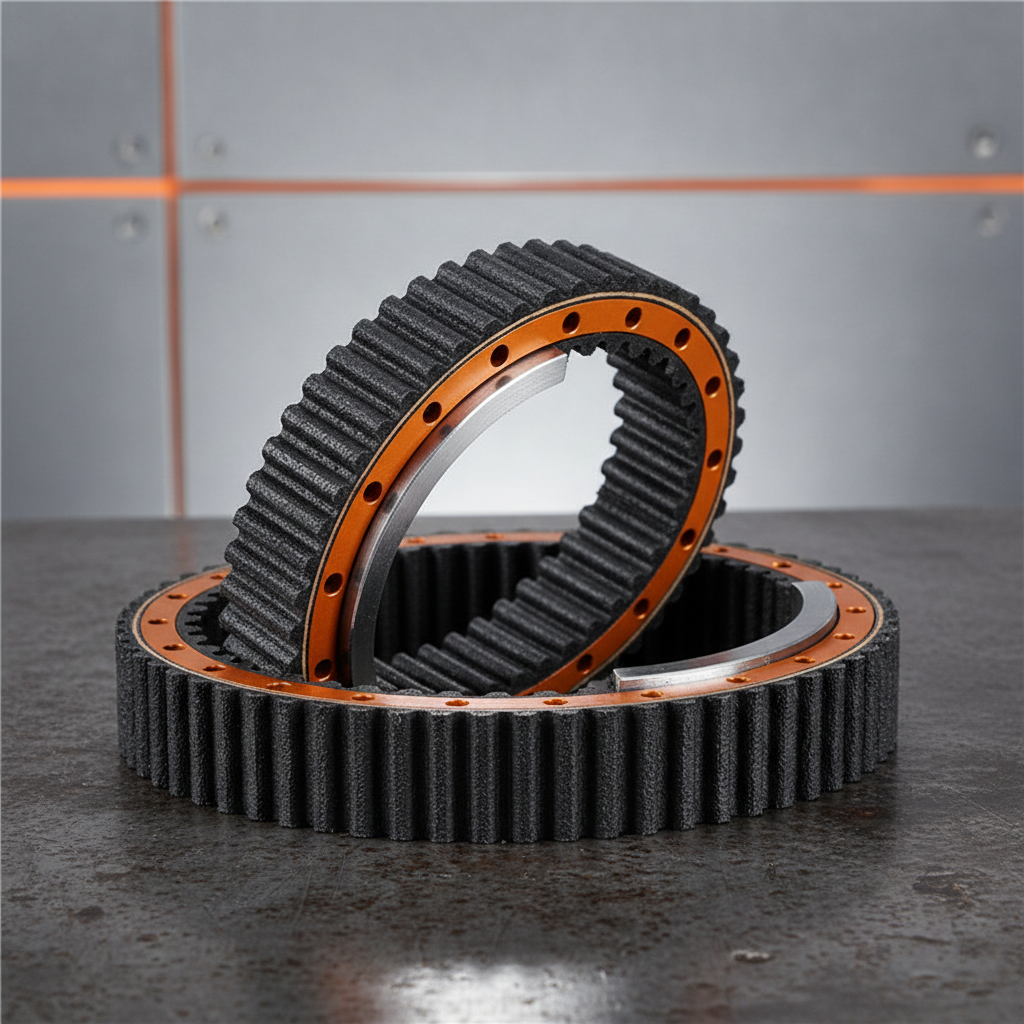
Understanding the dynamo belt in car price involves analyzing the balance between material quality, such as EPDM rubber, and the operational demands of the vehicle's alternator system. A dynamo belt, also known as an alternator belt, is critical for transmitting engine power to the alternator to ensure the battery remains charged and electrical systems function.
For vehicle owners and procurement managers, the cost of these belts is influenced by the material composition—typically EPDM or Chloroprene Rubber—and the specific engineering requirements of the engine, such as pulley diameter and temperature resistance. Selecting a low-quality belt to save on initial costs often leads to premature failure and expensive downtime.
This technical guide provides a comprehensive analysis of pricing factors, material specifications, and selection criteria for drive belts. By exploring the intersection of durability and cost, readers will learn how to identify high-value components that reduce long-term maintenance expenses.

1Fundamentals of Dynamo Belt Pricing

The dynamo belt in car price is not a fixed value but a variable based on the technical specifications of the belt. Primary factors include the belt's width, the number of ribs (such as 4PK), and the material used for the tension member. High-performance belts utilize specially treated polyester cords to handle shock resistance, which increases the cost compared to standard rubber belts.
Another critical factor is the manufacturing process. Belts that undergo advanced vulcanization and precision cutting to ensure consistent rib height offer better grip and less slip, translating to higher efficiency and a slightly higher price point.
Ultimately, the "price" should be viewed as a Total Cost of Ownership (TCO). A cheaper belt that requires replacement every 20,000 miles is significantly more expensive than a premium EPDM belt that lasts 60,000 miles when factoring in labor and vehicle downtime.
2Material Specifications and Durability
Modern dynamo belts primarily utilize EPDM (Ethylene Propylene Diene Monomer) due to its superior heat and ozone resistance. Unlike standard rubber, EPDM does not crack easily under extreme temperature fluctuations, which is essential for belts located near the engine block. This material ensures that the belt maintains its tension and shape over long periods.
The construction of a high-quality belt consists of four layers: the top fabric for wear and oil resistance, the tension member for strength, the adhesion rubber for stability, and the rubber ribs for power transmission. The interaction between these layers determines the belt's fatigue resistance.
For specific industrial applications, such as excavator belts or motorcycle belts, the rubber compounds are adjusted to handle higher torque or higher rotational speeds. This customization ensures that the belt can withstand reverse bending and high-tension driving without separating from the cord.
3Application Scenarios and Wear Factors
The environment in which a dynamo belt operates directly impacts its lifespan. In passenger cars, the main stress is constant cycling and heat. In construction equipment, such as excavators, the belts face additional challenges like dust infiltration, oil splashes, and extreme load spikes during heavy lifting operations.
Common wear factors include pulley misalignment and improper tensioning. If a belt is too tight, it puts excessive pressure on the alternator bearings; if too loose, it slips, causing noise and reducing charging efficiency. Both scenarios lead to premature wear and an increase in the effective cost of replacement.
Temperature is the silent killer of rubber belts. Heat causes the rubber to harden and lose elasticity, leading to "glazing," where the surface becomes smooth and loses traction. This is why high-heat resistant materials are specified for high-performance engines.
4Performance Metrics Analysis
When evaluating the dynamo belt in car price, it is essential to look at the performance delta between standard rubber and advanced EPDM composites. Metrics such as bending fatigue resistance and thermal stability are the primary indicators of a belt's quality and long-term value.
High-efficiency belts are designed to minimize heat generation during the bending process as they wrap around small pulleys. This reduction in internal friction not only extends the life of the rubber but also improves the overall power transmission efficiency of the engine.
dynamo belt in car price Performance Metrics
As shown in the performance data, belts utilizing advanced rubber compounds show a marked improvement in noise reduction and wear resistance. This makes them ideal for luxury vehicles and heavy industrial machinery where operational stability is paramount.
5Procurement and Selection Criteria
Selecting the correct belt requires more than just matching the part number. Buyers should verify the material (EPDM vs CR), the rib count, and the manufacturer's quality control standards. For bulk procurement, checking for OEM compatibility with brands like Volvo, Hyundai, or Caterpillar is crucial.
When evaluating suppliers, look for those who provide customized branding and OEM capabilities. The ability to customize rubber material and rope material according to specific environmental needs is a sign of a professional manufacturer with strong technical depth.
Finally, consider the logistics and delivery speed. In industrial settings, a snapped belt can stop a whole production line. Sourcing from manufacturers with a proven track record of stable quality and efficient delivery reduces the risk of costly operational halts.
6Future Trends in Rubber Belt Technology
The industry is moving toward "smart belts" and materials with even lower coefficients of friction. Research is focused on integrating synthetic fabrics into the top layer to further enhance oil and crack resistance, extending the service interval for high-mileage vehicles.
Environmental regulations are also pushing manufacturers to find more sustainable rubber alternatives without sacrificing the heat resistance required for alternator systems. The shift toward more precise automated cutting and molding is reducing waste and increasing the consistency of belt dimensions.
As electric and hybrid vehicles become more common, the role of the dynamo belt is evolving. While traditional alternators are less common in full EVs, auxiliary belts for water pumps and AC compressors still require the same high-durability standards found in traditional car belts.
7Comparison of Belt Types and Costs
Choosing between different belt types involves a trade-off between initial cost and operational longevity. While a standard V-belt may be cheaper, the Poly Ribbed (PK) belt offers significantly better power transmission and a smaller footprint, which is why it is the standard for most modern cars.
The following table compares the most common belt types used in automotive and industrial applications, highlighting their strengths and typical cost implications.
| Belt Type | Primary Material | Main Strength | Cost Level |
|---|---|---|---|
| Poly Ribbed (PK) | EPDM | High Efficiency/Low Slip | Medium-High |
| Standard V-Belt | Chloroprene | Simple Installation | Low-Medium |
| Timing Belt | Hytrel/Rubber | Precise Synchronization | High |
| Industrial Drive Belt | Reinforced EPDM | Extreme Load Capacity | High |
| Motorcycle Belt | Synthetic Rubber | Compact/High Speed | Medium |
| Fan Belt | Neoprene/EPDM | Heat Resistance | Medium |
For those seeking the best value, the EPDM Poly Ribbed belt remains the gold standard. It offers the best balance of price, durability, and performance for the vast majority of automotive alternator applications.
Frequently Asked Questions
Conclusion
Selecting a dynamo belt based solely on the lowest initial price is often a costly mistake. By prioritizing materials like EPDM and ensuring a precise match to OEM specifications, vehicle owners and fleet managers can significantly reduce maintenance costs and improve engine reliability.
For those requiring high-performance drive solutions, exploring professional manufacturing options is the best way to ensure durability. Readers evaluating suitable solutions can review the available product information at www.hawkbelt.com.