When procurement managers and fleet operators analyze the fan belt price, they often find a stark contrast between the initial acquisition cost and the long-term operational expense. The price of a drive belt is rarely just about the rubber; it is a reflection of the material grade, tensile strength, and the anticipated lifespan under extreme thermal stress.
In the automotive and industrial machinery sectors, the drive belt is a critical failure point. Whether it is a V-belt for a standard engine or a heavy-duty timing belt for an excavator, the cost of downtime far outweighs the marginal difference in the price of a premium belt versus a budget alternative.
Understanding the drivers behind these costs—ranging from EPDM polymer quality to the precision of the tooth profile—allows buyers to optimize their maintenance schedules and reduce the total cost of ownership (TCO) for their vehicle fleets.

Decoding the Cost Drivers of Automotive Drive Belts

The variation in fan belt price is primarily driven by the composition of the belt's carcass and the quality of the outer rubber compound. A basic belt may use simple neoprene, while high-performance variants utilize EPDM (Ethylene Propylene Diene Monomer), which offers significantly better resistance to heat, ozone, and weathering.
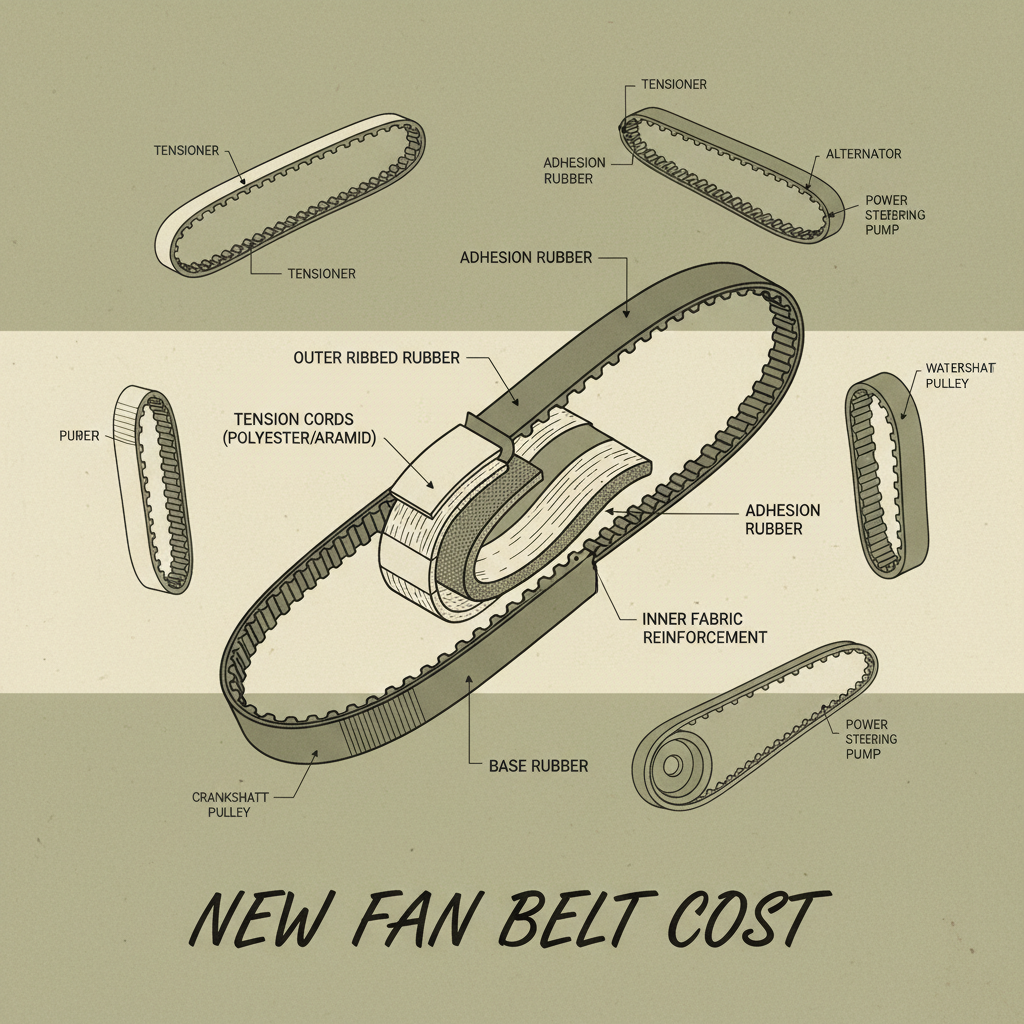
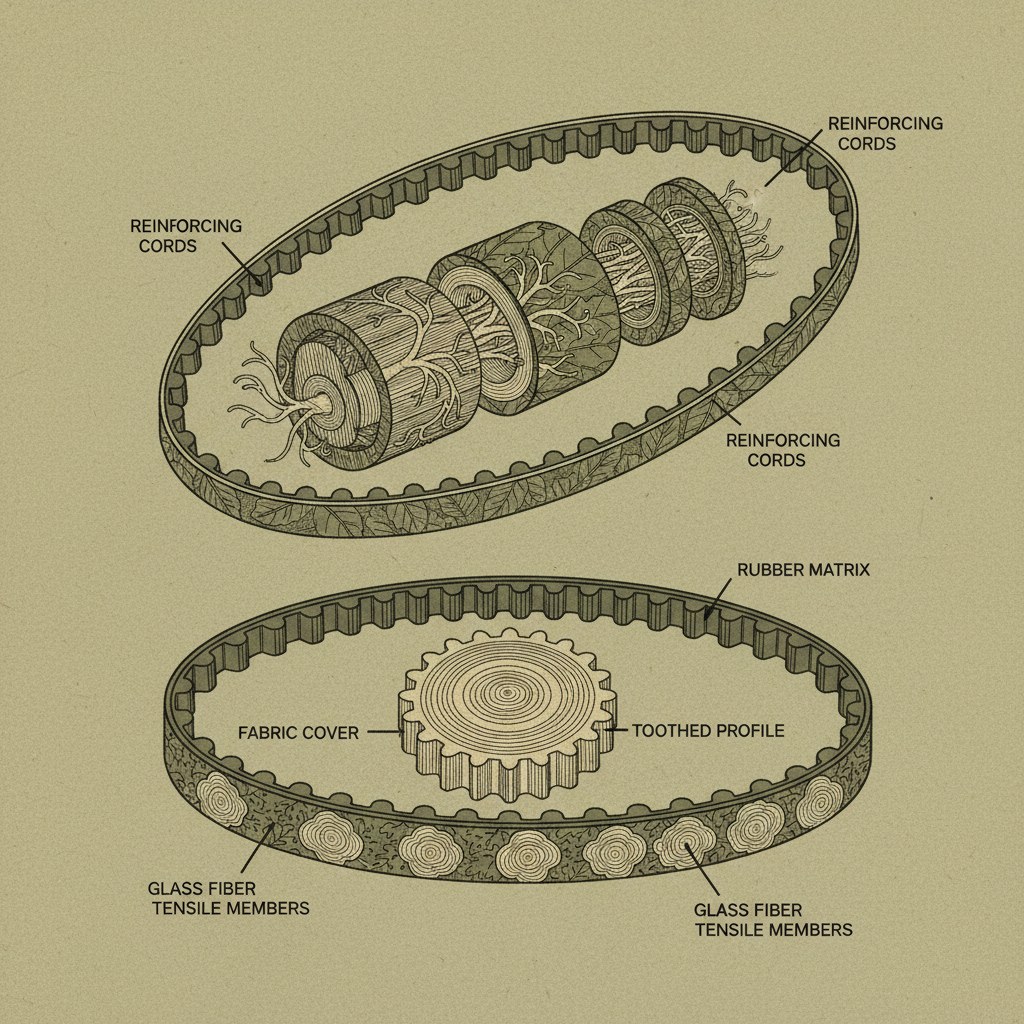
Furthermore, the internal tension members play a decisive role. Low-cost belts typically use standard polyester cords, whereas belts designed for heavy-duty applications, such as those found in excavators, may incorporate Aramid fibers to prevent elongation and ensure consistent timing and power transmission.
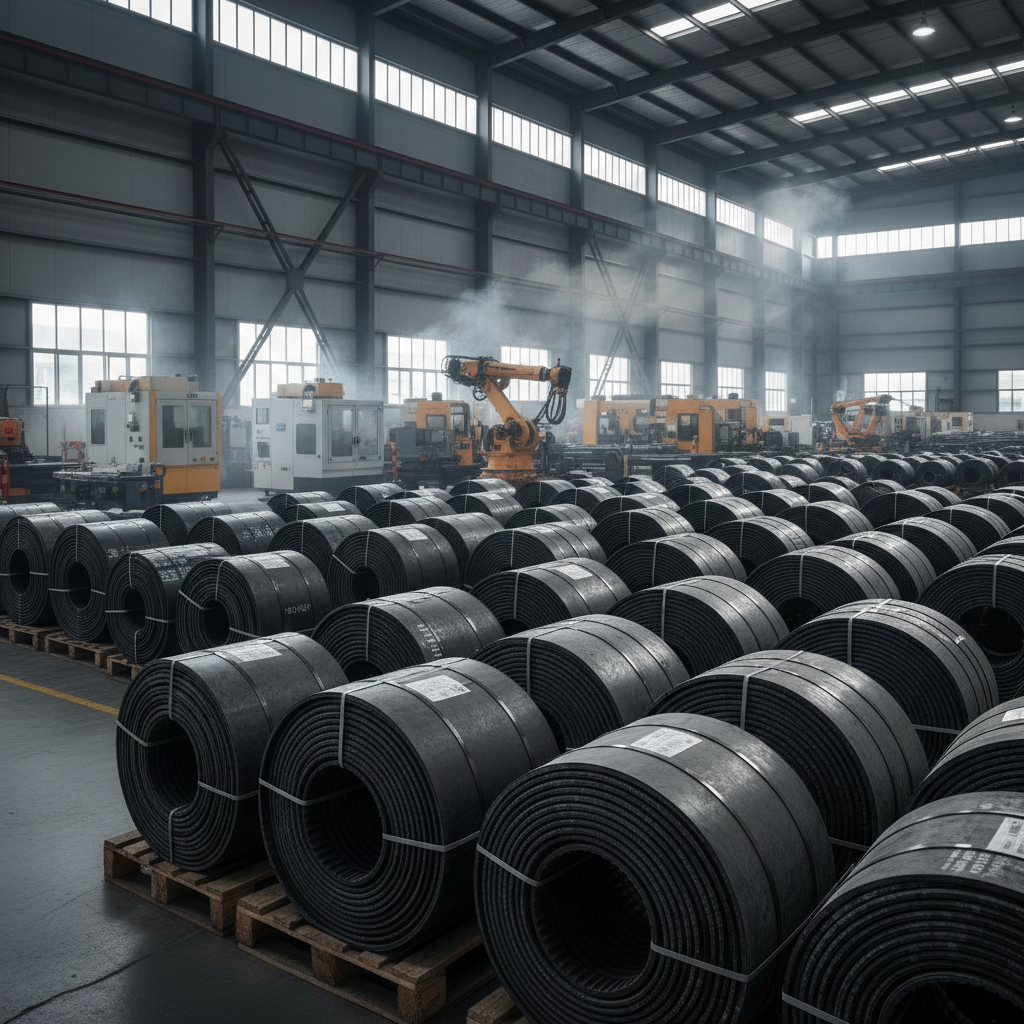
From a manufacturing perspective, the precision of the molding process also adds to the cost. Toothed belts (Timing Belts) require tighter tolerances than standard V-belts to prevent slipping and tooth shear, necessitating more advanced production equipment and stricter quality control measures.
Material Science and its Impact on Belt Longevity
The choice of material is not merely a technical detail but a financial decision. EPDM has become the industry standard for high-end fan belts because it maintains flexibility even at small pulley diameters and resists the degradation caused by engine oil and high operating temperatures.
The construction of a professional-grade belt involves four distinct layers: a top fabric for heat and abrasion resistance, a high-stability tension member, a compression rubber core for durability, and a bottom rubber layer designed for shock absorption and crack prevention.
When these components are optimized, the belt exhibits lower elongation over time, which reduces the need for frequent manual adjustments and decreases the likelihood of catastrophic failure during peak engine loads.
Critical Application Scenarios for Specialized Rubber Belts
Different machinery demands different belt profiles. For example, excavator belts must withstand high torque and harsh environmental debris, requiring reinforced rubber that can resist tearing and sudden impacts.
In contrast, motorcycle belts focus on a balance between weight and responsiveness. The high-RPM nature of motorcycle engines demands belts that can handle rapid acceleration without slipping, often requiring a more aggressive tooth profile or specialized PK (Poly-V) ribs for maximum grip.
For general automotive use—such as in Toyota, Honda, or Hyundai vehicles—the demand is for versatility. These belts must operate reliably across a wide range of temperatures and pulley speeds, making the versatility of EPDM and synthetic fabrics essential for maintaining engine cooling and alternator efficiency.
Analyzing Performance Ratios Against Acquisition Costs
Analyzing the relationship between belt quality and performance reveals that while premium belts may have a higher upfront cost, their operational efficiency is significantly superior. This is most evident when measuring heat resistance and wear rates.
By comparing standard rubber belts with high-grade EPDM components, we can see a clear trend: premium materials maintain their tensile strength longer, reducing the risk of unplanned downtime in commercial fleets.
fan belt price Performance Metrics
The data indicates that high-grade belts offer a better "Performance-to-Cost" ratio over a 24-month cycle. While the initial investment is higher, the reduction in replacement frequency and labor costs results in a lower total expenditure.
Procurement Strategies for Industrial Belt Replacement
For B2B buyers, the focus should shift from the lowest price per unit to the reliability of the supply chain and the ability of the manufacturer to provide customized OEM solutions. Customization in rubber material and rope strength can extend the life of a belt in specific harsh environments.
A critical part of the procurement process is evaluating the manufacturer's OEM capabilities. Companies that can handle customized logos, specific rubber colors, and tailored material compositions allow fleet managers to standardize their inventory and ensure consistent performance across different vehicle models.
Furthermore, establishing long-term cooperative relationships with factories—such as those specializing in EPDM and CR rubber—ensures a stable supply and the ability to iterate on product design based on real-world field data.
Future Trends in Polymer Engineering for Drive Systems
The industry is likely to see a shift toward smarter material blends that can adapt to varying temperature ranges. New synthetic fabrics are being developed to further reduce the friction coefficient, which may lead to higher fuel efficiency by reducing parasitic power loss.
Automation in the production process is also expected to reduce the margin of error in tooth belt alignment. As manufacturing precision increases, the industry may move toward belts that require zero manual tensioning, relying instead on integrated self-adjusting polymer properties.
Sustainability is another emerging factor; the development of recyclable EPDM compounds could potentially lower the environmental impact of belt disposal without compromising the technical integrity of the drive system.
Comparing Belt Specifications for Informed Decision Making
When choosing between different belt types, it is essential to compare them across multiple technical dimensions. The following table illustrates the trade-offs between common rubber belt configurations based on application needs.
Buyers should prioritize the "Operating Condition" and "Primary Material" columns to determine which belt offers the best ROI for their specific machinery.
| Belt Type | Primary Material | Operating Condition | Key Benefit |
|---|---|---|---|
| Standard V-Belt | Neoprene/CR | Low-Mid Temp | Low Initial Cost |
| EPDM Fan Belt | EPDM Rubber | High Thermal Stress | Extended Service Life |
| Heavy-Duty Timing | Aramid/EPDM | High Torque/Load | Zero-Slip Precision |
| PK Poly-V Belt | Synthetic EPDM | Multi-Pulley Systems | High Power Density |
| Motorcycle Drive | Reinforced Rubber | High RPM/Rapid Cycle | High Responsiveness |
| Excavator Belt | Fiber-Reinforced CR | Abrasive/Harsh Env | Maximum Tear Resistance |
Ultimately, the most cost-effective choice is the one that aligns with the specific duty cycle of the engine. For those seeking reliable OEM manufacturing and high-performance drive solutions, visiting www.hawkbelt.com can provide further technical specifications and procurement options.
Frequently Asked Questions
Conclusion
Evaluating the fan belt price requires a shift in perspective from unit cost to lifecycle value. By prioritizing high-performance materials like EPDM and ensuring precise engineering, operators can significantly reduce the risk of mechanical failure and lower their long-term maintenance expenditures.
Whether managing a commercial fleet or procuring parts for heavy machinery, the integration of quality materials and a reliable OEM partner is the only way to ensure operational stability. For detailed product catalogs and customized belt solutions, professional procurement officers can explore the offerings at www.hawkbelt.com.