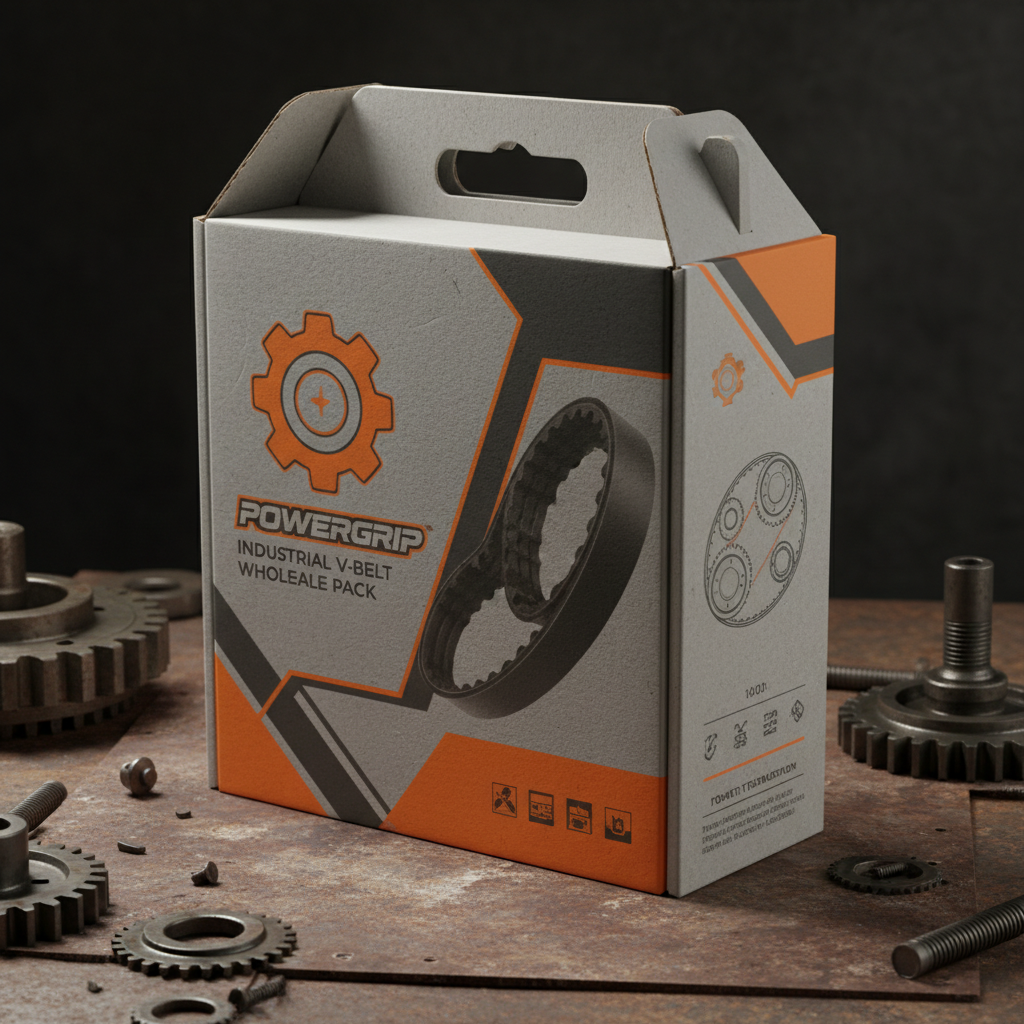
The modern industrial landscape relies heavily on the seamless transmission of power, where the engine serpentine belt serves as a critical link in maintaining operational continuity. From heavy-duty machinery to precision automotive systems, these belts ensure that essential components like alternators, water pumps, and air conditioning compressors function in harmony. Understanding the engineering behind these belts is paramount for reducing downtime and optimizing machine longevity.
Across the global manufacturing sector, the demand for high-performance rubber components has surged as industries push for higher efficiency and lower maintenance costs. The challenge often lies in finding a balance between material flexibility and structural rigidity, as environmental stressors like heat and oil can rapidly degrade inferior materials. This has led to an increased focus on advanced polymers and reinforced cord constructions to ensure stability under extreme tension.
For professionals seeking reliability, selecting a high-quality engine serpentine belt means investing in components that offer superior resistance to wear and tear. By integrating premium materials such as NR and CR, manufacturers can provide solutions that not only prevent slippage but also enhance overall power transmission efficiency in demanding environments.
Global Significance of the Engine Serpentine Belt
In the global supply chain, the engine serpentine belt is more than just a rubber strip; it is a vital component that ensures the mobility of logistics and the functionality of industrial plants. According to international quality standards such as ISO, the reliability of power transmission components directly correlates with the safety and efficiency of heavy machinery. In regions with extreme climates, from the heat of the Middle East to the cold of Northern Europe, the ability of a belt to withstand thermal expansion and contraction is critical.
The economic impact of a snapped belt in a critical industrial machine can be devastating, leading to unplanned downtime and significant financial loss. Consequently, there is a global shift toward "Wrapped Rubber" technology, where cover fabrics protect the inner core from abrasive particles and chemical exposure. This evolution ensures that the engine serpentine belt remains a dependable asset in the quest for industrial automation and stability.
Technical Definition and Industrial Role
An engine serpentine belt is a continuous loop of reinforced rubber used to drive multiple peripheral devices from a single crankshaft pulley. Unlike traditional V-belts that might operate in isolation, the serpentine configuration allows for a more compact engine layout and reduced weight, as it eliminates the need for multiple pulleys and belts. This design is essential for modern engineering where space optimization is a primary goal.
Within the industrial context, these belts act as the primary medium for transferring mechanical energy. By utilizing materials like Natural Rubber (NR) and Chloroprene Rubber (CR), manufacturers can create a product that balances friction and flexibility. This ensures that the belt grips the pulleys firmly enough to prevent slip while remaining flexible enough to navigate complex routing paths.
The role of the engine serpentine belt extends beyond simple rotation; it incorporates safety features such as static electricity prevention. By reducing the buildup of static charges during high-speed operation, these belts prevent potential electrical interference and hazards, making them indispensable for sensitive electronic environments.
Core Components for Maximum Durability
The durability of an engine serpentine belt is determined by its layered construction. The outer layer, consisting of cover fabrics made from cotton or synthetic fibers, serves as the first line of defense. This fabric protection prevents the inner tension members from being compromised by external contaminants, thereby extending the overall service life of the belt.
At the heart of the engine serpentine belt is the tension member, typically composed of Polyester or Aramid. These high-strength cords are specifically designed to maintain length stability, ensuring that the belt does not stretch excessively under load, which would otherwise lead to power loss and increased noise.
Finally, the compression rubber—divided into top and bottom layers—maintains the belt's geometric shape. The use of adhesive rubber between these layers ensures that the tension cords remain securely bonded, providing a cohesive structure that can withstand the rigorous demands of high-torque power transmission.
Performance Factors in Power Transmission
Efficiency in power transmission is largely defined by the reduction of slip. When an engine serpentine belt is engineered with the correct angle—such as the 40° standard seen in classical V-belt profiles—it creates a wedge effect that maximizes grip. This precision engineering ensures that the maximum amount of torque is transferred from the driver to the driven pulley.
Another critical factor is resistance to environmental degradation. Exposure to engine oils and high temperatures can cause rubber to soften or crack. High-quality belts incorporate specialized CR (Chloroprene Rubber) to ensure that the engine serpentine belt retains its structural integrity even when splashed with automotive fluids or operating in high-heat zones.
Performance Efficiency of Belt Material Variations
Global Applications and Industrial Use Cases
The application of the engine serpentine belt spans a wide array of sectors. In the construction industry, specifically within excavator and heavy loader systems, these belts drive hydraulic pumps and cooling fans that are essential for machine operation in remote, dusty environments. The added cover fabric is crucial here, as it prevents grit from eroding the rubber core.
Beyond construction, these belts are pivotal in the automotive aftermarket, where customized brands and OEM specifications are required for different vehicle makes. From the high-speed demands of motorcycle belts to the heavy-load requirements of industrial PK belts, the versatility of the engine serpentine belt allows it to be adapted for virtually any rotary power need.
Long-Term Value and Operational Reliability
The long-term value of investing in a premium engine serpentine belt is realized through reduced maintenance frequency. When a belt is constructed with superior length stability cords, the need for constant tension adjustments is minimized. This not only saves labor costs but also reduces the wear on the tensioner pulleys and bearings.
Reliability also translates to safety. A belt that is resistant to oil and heat is far less likely to fail catastrophically during operation. This peace of mind is invaluable for operators of critical infrastructure, where a single component failure could lead to an operational standstill.
Furthermore, the ability to customize rubber materials and rope types means that companies can tailor their engine serpentine belt to their specific environmental challenges, ensuring that the product's lifespan is optimized for the actual conditions of use rather than a generic average.
Future Innovations in Belt Material Science
The future of power transmission is leaning toward "Green Energy" and sustainable materials. Research is currently focused on developing bio-based rubbers that maintain the high-friction and heat-resistance properties of CR and NR but with a lower carbon footprint. This transition is essential as global regulations on industrial waste and chemicals tighten.
Digital transformation is also entering the belt industry through "Smart Monitoring." We are seeing the integration of wear-sensing materials within the engine serpentine belt that can signal a need for replacement before a break occurs, moving maintenance from a reactive to a predictive model.
Additionally, the advancement of Aramid and carbon-fiber blends is pushing the limits of tension stability. These new-age composites allow for thinner belts that can carry higher loads, further increasing the power-to-weight ratio of engines and industrial drives.
Comparison of Belt Profiles and Technical Specifications
| Belt Profile Type |
Width (mm) |
Height (mm) |
Standard Angle |
| Type Z/M/FM/O |
10 |
5.5 |
40˚ |
| Type A |
12.5 |
9 |
40˚ |
| Type B |
17 |
11 |
40˚ |
| Type C |
22 |
14 |
40˚ |
| Type D |
32 |
19 |
40˚ |
| Type E |
38 |
24 |
40˚ |
FAQS
Common indicators include audible squealing during startup or acceleration, visible cracks or fraying on the belt surface, and a "glazed" look where the rubber appears shiny from overheating. If you notice any of these, it's time to inspect the belt for structural integrity to avoid a sudden break.
The cover fabric acts as a protective shield for the internal tension members. It prevents dust, oil, and abrasive particles from penetrating the rubber core, which significantly reduces wear and protects the belt from premature degradation in harsh industrial environments.
Generally, no. While both transfer power, a serpentine belt is designed to wrap around multiple pulleys in a single continuous loop. Replacing it with individual V-belts would require a complete redesign of the pulley system and would eliminate the efficiency gains of the serpentine layout.
NR (Natural Rubber) provides excellent flexibility and grip, making it ideal for general use. CR (Chloroprene Rubber) is specifically engineered for higher resistance to heat and oil, making it the preferred choice for engine-adjacent applications where fluid leaks are possible.
High-speed friction between the belt and pulley generates static electricity. In industrial settings, this buildup can cause electrical interference with nearby sensors or, in extreme cases, spark a fire in volatile environments. Specialized rubber compounds prevent this charge accumulation.
Most modern systems use an automatic tensioner. However, for manual systems, you should check the belt's deflection against the manufacturer's specifications. Over-tightening can wear out bearings, while under-tightening leads to slip and power loss.
Conclusion
In summary, the engine serpentine belt is a cornerstone of modern mechanical power transmission, blending complex material science with precision engineering. From the protective cover fabrics to the high-strength Polyester and Aramid tension members, every layer is designed to optimize efficiency, resist environmental stressors, and ensure operational safety across global industries.
As we look toward the future, the integration of sustainable materials and predictive monitoring will further enhance the reliability of these components. For businesses and operators, prioritizing high-grade materials and precise specifications is the most effective way to minimize downtime and maximize the lifecycle of their machinery. To find the perfect belt solution for your specific needs, visit our website: www.hawkbelt.com.