

Mar . 14, 2026 02:05 Back to list
Understanding Engine Belt Price Factors and Finding the Right Fit
Understanding Engine Belt Price and Finding the Right Fit
Choosing the right engine belt is crucial for the optimal performance and longevity of your machinery. Understanding the factors that influence engine belt price can help you make an informed decision and avoid costly downtime. This article will delve into the key considerations when purchasing engine belts, including types, materials, sizing, and how to find the best value. We’ll explore the various price points and what you get for your investment.
Types of Engine Belts and Their Price Range
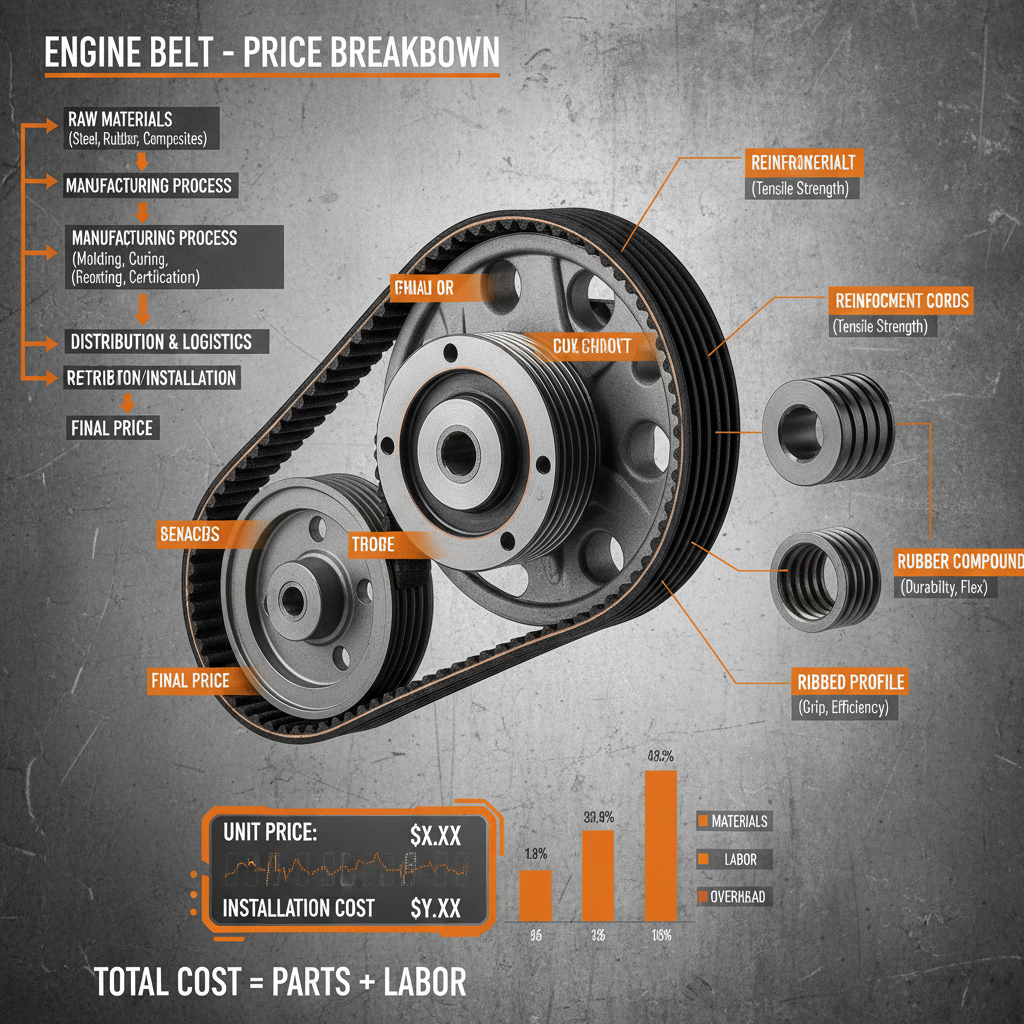
Engine belts come in several types, each suited for specific applications and offering different price points. V-belts are the most common and generally the most affordable. Poly-V or multi-rib belts offer improved efficiency and can handle higher loads but typically come at a higher cost. Timing belts are critical for engine synchronization and are often more expensive due to their precision engineering. The price of an engine belt is directly linked to its complexity, materials, and performance capabilities. Knowing your application is the first step in determining the right belt for your needs and budget.
Key Highlights: Understanding the different types of engine belts allows you to select the most appropriate option for your machinery, balancing performance with cost-effectiveness.
Factors Influencing Engine Belt Price
Several factors contribute to the final engine belt price. The material used – rubber, reinforced rubber, or synthetic materials – significantly impacts cost. Belt length and width also play a role, with larger and wider belts generally being more expensive. Brand reputation and quality control standards also contribute; established brands often command a premium. Finally, the complexity of the belt’s construction, such as the number of ribs or plies, impacts its price. Buying in bulk can often lead to discounted rates.
Price Influencers:
• Material Composition
• Belt Dimensions (Length & Width)
• Brand Reputation & Quality
• Belt Construction Complexity
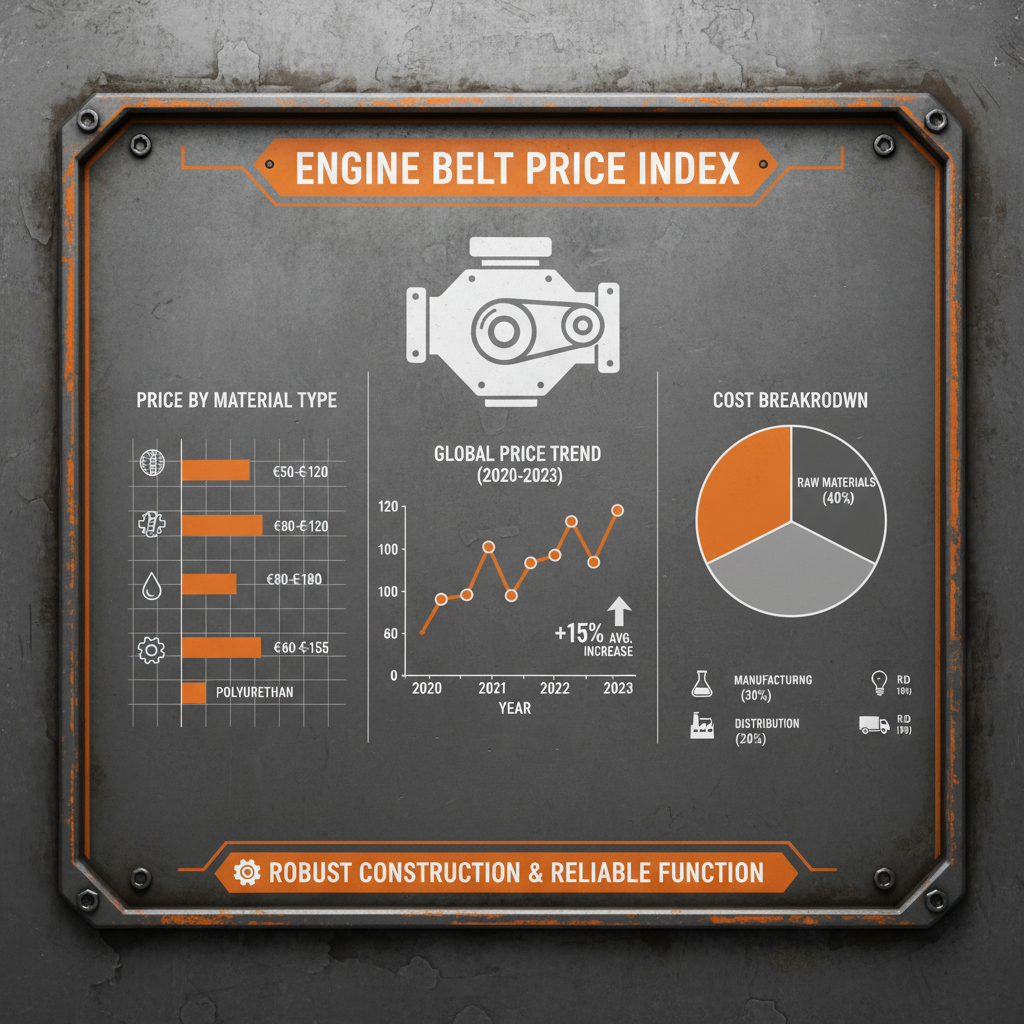
Engine Belt Price Comparison: Types & Materials
Here’s a comparison of typical engine belt prices based on type and material. These prices are approximate and can vary depending on the supplier and specific dimensions.
Finding Cost-Effective Engine Belts at HawkBelt
At HawkBelt, we offer a wide selection of high-quality engine belts at competitive prices. We prioritize durability and performance, ensuring our belts provide long-lasting value. Our team of experts can assist you in selecting the right belt for your specific application. We provide detailed product specifications and excellent customer support to ensure you make the best choice for your needs. Check out our current promotions and bulk discounts to further optimize your engine belt price.
Choosing the Right Belt: A Quick Guide
Selecting the correct engine belt is paramount. Consider the horsepower and torque requirements of your engine, the operating environment, and the type of drive system. Refer to your equipment’s manual for recommended belt specifications. When in doubt, consult with a qualified mechanic or the experts at HawkBelt. Properly installed and maintained belts will maximize efficiency and minimize the risk of breakdowns.
Conclusion: Investing in Quality Engine Belts
Understanding the factors that influence engine belt price and choosing the right belt for your application is a smart investment. HawkBelt provides quality belts, competitive pricing, and expert support to help you keep your machinery running smoothly. Don’t compromise on quality – choose HawkBelt for reliability and performance.
Frequently Asked Questions (FAQs)
What is the typical lifespan of an engine belt?
The lifespan of an engine belt varies depending on the type of belt, operating conditions, and maintenance. Generally, V-belts can last 30,000 - 50,000 miles, while timing belts typically require replacement every 60,000 - 100,000 miles or according to the manufacturer’s recommendations. Regular inspection for cracks, wear, and proper tension is crucial for maximizing belt life. Extreme temperatures, oil contamination, and improper alignment can significantly shorten the lifespan. Always consult your vehicle or machinery’s manual for specific replacement intervals.
How do I determine the correct belt size for my engine?
The correct belt size is crucial for optimal performance. You can typically find the belt size printed on the existing belt. Alternatively, refer to your engine's service manual or parts catalog. If you are unsure, measure the length and width of the old belt or consult with a qualified mechanic. Providing the make and model of your engine to HawkBelt will help us identify the correct belt for your needs.
What are the benefits of using a reinforced engine belt?
Reinforced engine belts, typically with aramid fibers, offer significantly increased strength and durability compared to standard rubber belts. This translates to a longer lifespan, improved resistance to cracking and stretching, and the ability to handle higher loads. They are particularly beneficial for high-performance engines or applications where the belt is subjected to extreme stress. While they may have a higher initial price, the extended lifespan and reduced downtime often make them a more cost-effective choice in the long run.
How can I extend the life of my engine belt?
Regular maintenance is key to extending belt life. Ensure proper belt tension, alignment, and cleanliness. Avoid oil or chemical contamination. Inspect the belt regularly for cracks, wear, and fraying. Address any issues promptly to prevent premature failure. Proper pulley alignment and a clean operating environment are also essential. Following the manufacturer’s recommendations for replacement intervals is crucial.
-
Comprehensive Guide to Selecting High Performance drive belts
NewsApr.16,2026
-
Guide to Choosing the Right Fan Belt for Car Performance
NewsApr.09,2026
-
Understanding and Maintaining Your Vehicle's Serpentine Belt for Optimal Performance
NewsApr.07,2026
-
Choosing the Right Steering Belt for Optimal Vehicle Performance and Safety
NewsApr.04,2026
-
Understanding the Serpentine Belt for Optimal Vehicle Performance
NewsMar.31,2026
-
Comprehensive Guide to Understanding Your Fan Belt Car and Maintenance
NewsMar.28,2026