

Mar . 17, 2026 02:05 Back to list
Understanding and Choosing the Right Engine Belt Drive for Optimal Performance
Understanding and Choosing the Right Engine Belt Drive
An engine belt drive is a crucial component in many mechanical systems, transferring power from the engine to various parts. Selecting the right belt drive is vital for efficiency, longevity, and overall system performance. This article provides a comprehensive guide to engine belt drives, covering types, applications, maintenance, and how to choose the best option for your needs. We'll explore the key considerations to ensure optimal operation and prevent costly downtime.
Types of Engine Belt Drives
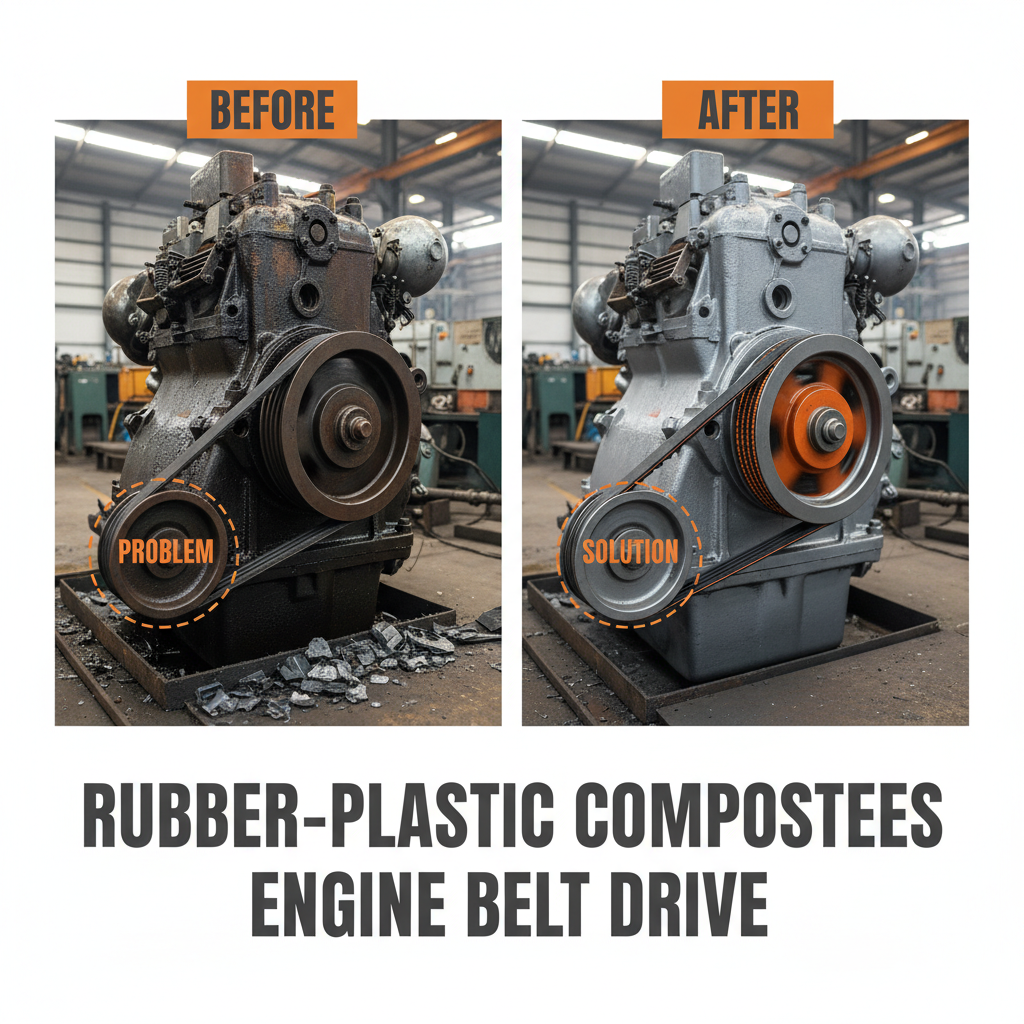
There are several types of engine belt drives, each with unique characteristics. V-belts are the most common, known for their versatility and ability to handle high loads. Flat belts offer smooth operation and are often used in lighter-duty applications. Timing belts, crucial for precise engine timing, prevent slippage and ensure synchronized movement of components. Serpentine belts combine multiple drive functions into a single belt, reducing complexity and maintenance. Understanding these distinctions is essential for selecting the appropriate belt for a specific application.
Key Highlights: Different belt types cater to varying power transmission needs, from heavy-duty V-belts to precise timing belts.
Applications of Engine Belt Drives
Engine belt drives are found in a vast array of applications. Automotive engines rely on them for powering accessories like alternators, power steering pumps, and air conditioning compressors. Industrial machinery utilizes belt drives for conveying power to pumps, fans, and compressors. Agricultural equipment employs them to drive various implements. Even household appliances, such as washing machines and dryers, often incorporate belt drives. The versatility of belt drives makes them a fundamental component across numerous industries. For high-performance applications, consider exploring the options available at HawkBelt.
Application Areas:
• Automotive Engines
• Industrial Machinery
• Agricultural Equipment
• Household Appliances
Engine Belt Drive Comparison
Choosing between different belt drive types requires understanding their strengths and weaknesses. Here's a comparative overview:
Maintaining Your Engine Belt Drive
Regular maintenance is crucial for prolonging the life of your engine belt drive. This includes periodic inspection for cracks, wear, and fraying. Proper tensioning is essential to prevent slippage and ensure efficient power transmission. Keep the belt clean and free from oil or contaminants. Replace belts proactively based on manufacturer recommendations or when signs of wear are detected. Ignoring maintenance can lead to premature failure and potential damage to other components. Explore the quality maintenance solutions offered by HawkBelt.
Selecting the Right Belt Drive: Key Considerations
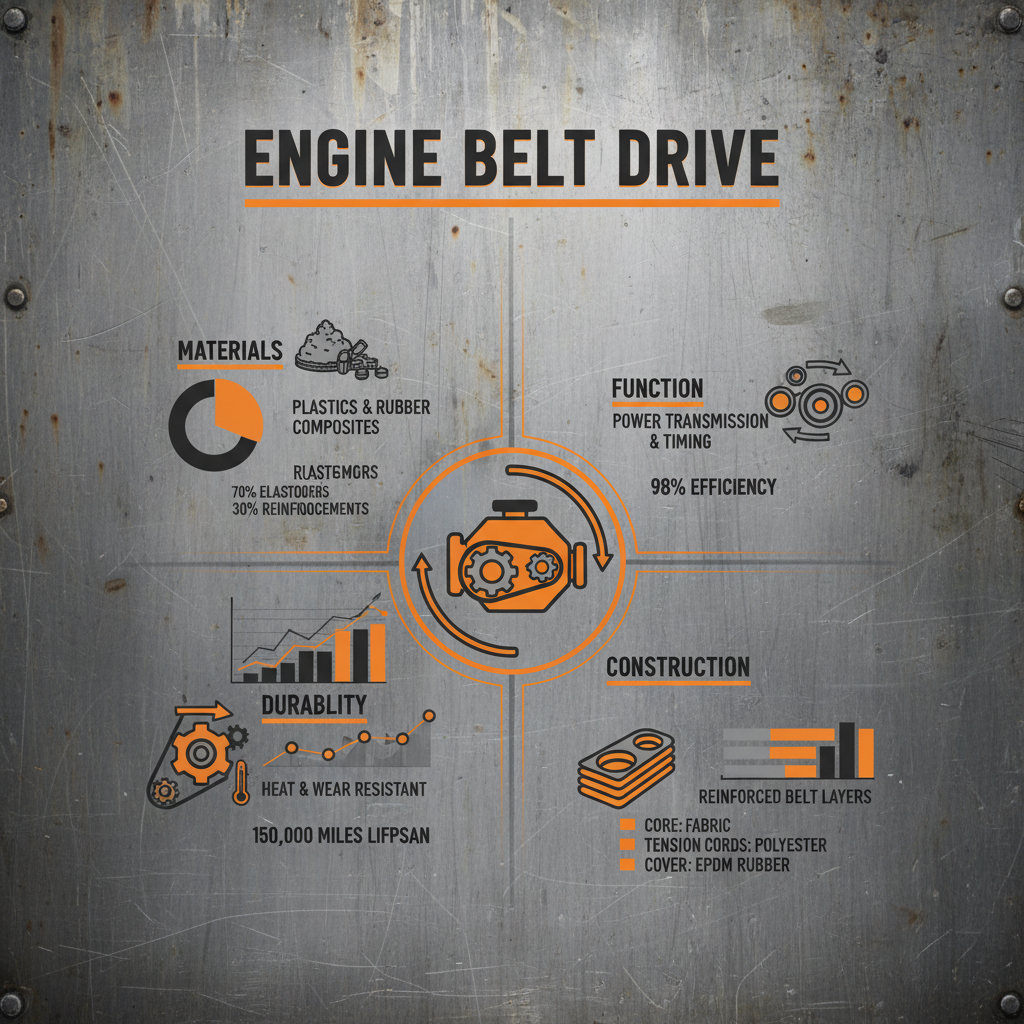
Choosing the right engine belt drive involves considering several factors. Determine the power transmission requirements of your application. Assess the operating environment, including temperature and exposure to contaminants. Consider the space constraints and the need for adjustability. Prioritize quality and reliability to ensure long-term performance. Consult with a qualified engineer or supplier for guidance if needed. At HawkBelt, we offer expert advice and a wide range of belt drive solutions to meet your specific needs.
Conclusion: Ensuring Optimal Performance with the Right Engine Belt Drive
Selecting the appropriate engine belt drive is crucial for maximizing efficiency, reliability, and longevity. By understanding the different types, applications, and maintenance requirements, you can make informed decisions that benefit your operations. Invest in quality belt drives and proactive maintenance to avoid costly downtime and ensure optimal performance.
Frequently Asked Questions (FAQs)
What is the typical lifespan of an engine belt?
The lifespan of an engine belt varies depending on the type of belt, operating conditions, and maintenance practices. Generally, V-belts can last between 50,000 and 100,000 miles, while timing belts typically need replacement around 60,000 to 100,000 miles. Serpentine belts often last between 60,000 and 90,000 miles. However, it's essential to inspect belts regularly for signs of wear, such as cracks, fraying, or glazing, and replace them as needed. Following the manufacturer’s recommended replacement intervals is crucial for preventing premature failure and potential engine damage.
How do I know if my engine belt needs replacing?
Several signs indicate that an engine belt may need replacing. These include visible cracks, fraying, or glazing on the belt surface. Squealing or chirping noises emanating from the engine compartment, especially during cold starts or acceleration, can also suggest a worn or loose belt. If you notice significant wear or damage, or if the belt is slipping, it should be replaced immediately to prevent further damage to the engine or its components.
What is the importance of proper belt tension?
Proper belt tension is vital for optimal performance and longevity. Too little tension can cause the belt to slip, reducing power transmission efficiency and potentially damaging the belt and pulleys. Too much tension can strain the belt and bearings, leading to premature wear and failure. Maintaining the correct tension, as specified by the manufacturer, ensures efficient power transfer, minimizes wear, and prolongs the life of the belt drive system.
Can I use a belt tensioner to adjust the tension?
Yes, many modern vehicles and machinery utilize belt tensioners to automatically maintain the correct belt tension. These tensioners use a spring mechanism to apply consistent pressure to the belt, compensating for wear and temperature fluctuations. If your system has a belt tensioner, avoid manually adjusting the tension unless specifically instructed by the manufacturer. Inspect the tensioner regularly to ensure it's functioning correctly and replace it if it's worn or damaged.
-
Comprehensive Guide to Selecting High Performance drive belts
NewsApr.16,2026
-
Guide to Choosing the Right Fan Belt for Car Performance
NewsApr.09,2026
-
Understanding and Maintaining Your Vehicle's Serpentine Belt for Optimal Performance
NewsApr.07,2026
-
Choosing the Right Steering Belt for Optimal Vehicle Performance and Safety
NewsApr.04,2026
-
Understanding the Serpentine Belt for Optimal Vehicle Performance
NewsMar.31,2026
-
Comprehensive Guide to Understanding Your Fan Belt Car and Maintenance
NewsMar.28,2026