

Oct . 06, 2025 09:10 Back to list
Tooth Belt: Quiet, Precise, Durable - Why Choose Ours?
What buyers should know about a tooth belt (and why some still pick a classical V-belt)
Power transmission is going through a quiet evolution. Factories are swapping chains for belts, car makers are standardizing EPDM compounds, and procurement teams are asking for traceability instead of just “a belt that fits.” To be honest, the jargon can get confusing. A tooth belt (synchronous/timing) locks motion with zero slip; a classical V-belt relies on friction and delivers forgiving alignment and damping. Different tools for different jobs—and sometimes the “old-school” choice is exactly right.
Industry trends I’m seeing
- Material shift to EPDM for heat/ozone resistance in both tooth belt and V-belt families.
- Predictive maintenance: users want test data (tensile, elongation) instead of guesswork.
- Hybrid fleets: critical axes use tooth belt for sync accuracy; auxiliaries keep V-belts for shock absorption and quiet running.
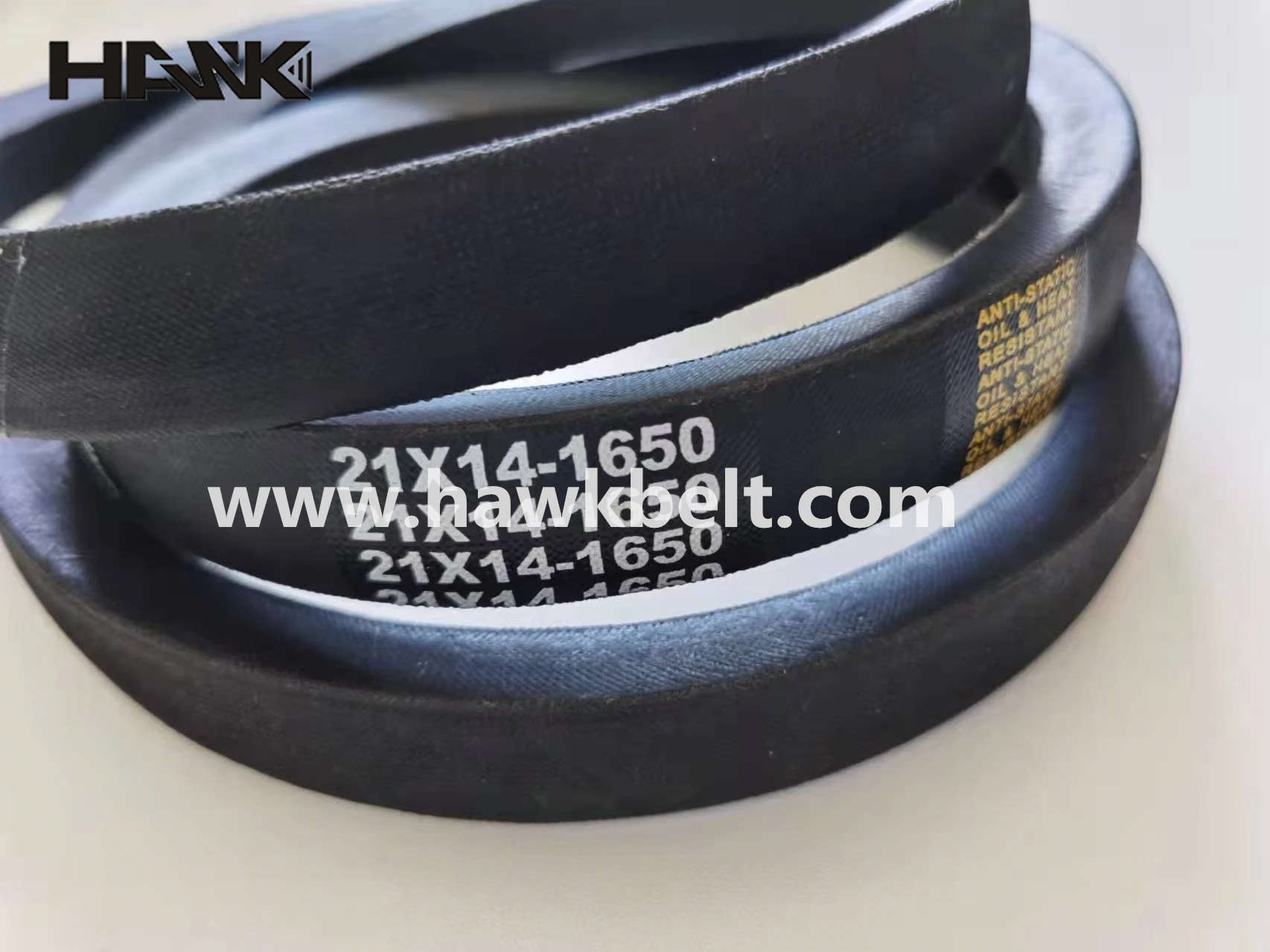
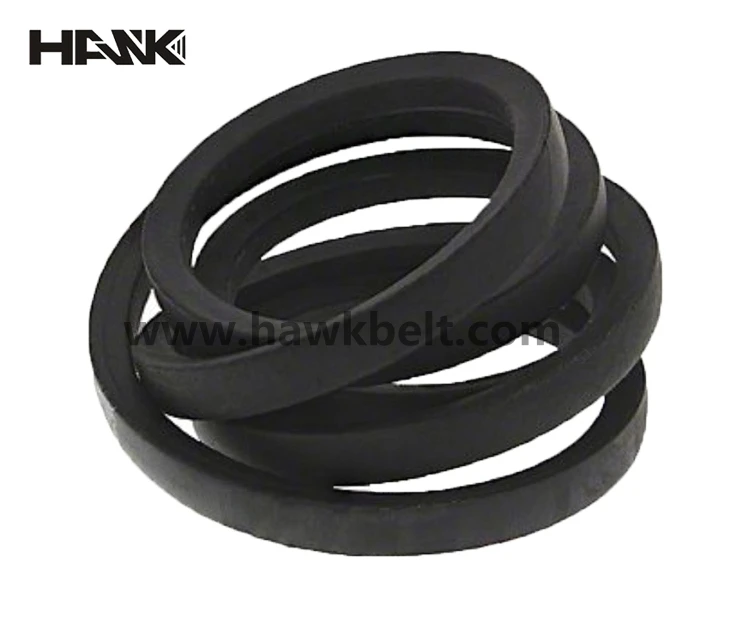
Product spotlight: China Classical V-Belt Manufacturer 21x14-1650
Origin: No. 386 Xuyang Avenue, Renze District, Xingtai City, Hebei Province, China. This is a classical V-belt—useful context even if you’re speccing a tooth belt, because many plants run both side by side.
| Parameter | Spec (≈ real-world) |
|---|---|
| Model | 21x14-1650 (Classical section) |
| Materials | EPDM/CR/NR blend; polyester/aramid cord options |
| Length range | 265–17000 mm |
| Width options | 10 / 13 / 17 / 22 / 32 / 38 mm |
| Weight | ≈0.12 kg (depends on length) |
| Certs (typical) | ISO 4184 dimensional; ARPM IP-20 categories |
Process, testing, and service life
Materials are mixed (ASTM D2000 classing), wrapped or molded, then precision ground for profile consistency. Cords are laid to control elongation; EPDM helps with heat and ozone. Testing typically includes tensile (ASTM D412), hardness (ASTM D2240), length tolerances (ISO 4184), and endurance rigs. In practice, service life runs ≈8,000–12,000 hours in industrial drives; automotive auxiliaries can see 50,000–80,000 km—assuming proper tensioning and sheave condition. A tooth belt will beat that on positioning accuracy, but V-belts often win on shock load and noise.
Where it fits (and when a tooth belt is smarter)
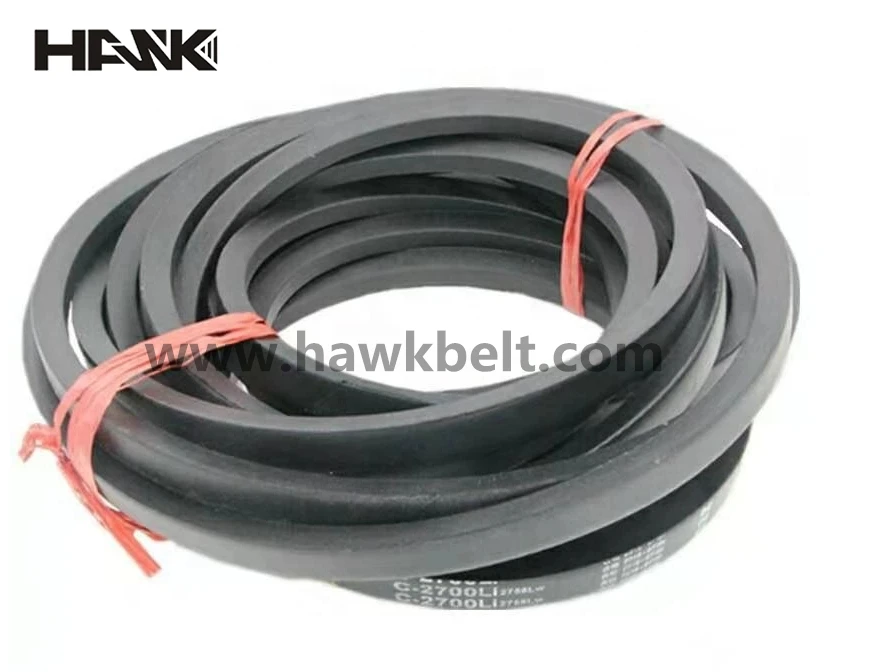
- Fans, pumps, compressors: classical V-belt is cost-effective and forgiving.
- Packaging, pick-and-place: a tooth belt is better for synchronized motion.
- AG equipment and quarry conveyors: V-belts handle dust and shock surprisingly well.
Quick case: A beverage plant swapped a slipping auxiliary drive for this 21x14-1650 V-belt. With sheave re-grooving and ARPM-tensioning, downtime dropped 38% over six months, according to the maintenance lead. Not bad for a “simple” belt.
Vendor snapshot (approximate, public info + buyer feedback)
| Vendor | Focus | Customization | Lead time | Notes |
|---|---|---|---|---|
| Hawk Belt (China) | Classical/industrial V; some timing lines | High (lengths, cords, branding) | ≈2–4 weeks | Value pricing; responsive on OEM sizes |
| Gates | Premium V and tooth belt | Medium–High | ≈2–6 weeks | Global support; deep catalogs |
| ContiTech | Automotive and industrial belts | Medium | ≈3–6 weeks | Strong testing infrastructure |
| Mitsuboshi | Precision tooth belt and V | Medium | ≈3–5 weeks | Excellent consistency |
Customization, ordering, and practical tips
- Share duty cycle, ambient temp, pulley diameters, and desired life; it shapes cord and rubber choice—especially for a tooth belt.
- Ask for ISO 4184 length reports and hardness/tensile data. It’s not overkill.
- Replace sheaves if worn >0.5 mm; otherwise even the best belt will underperform.
References
- ISO 4184: Classical V-belts — Dimensions and length tolerances. https://www.iso.org/standard/10041.html
- ARPM IP-20: Power Transmission Belt Standards (formerly RMA). https://www.arpm.org
- ASTM D2000: Standard Classification for Rubber Materials. https://www.astm.org/d2000
- ISO 13050: Synchronous belt drives — Pulleys and tooth profiles. https://www.iso.org
-
Comprehensive Guide to Selecting High Performance drive belts
NewsApr.16,2026
-
Guide to Choosing the Right Fan Belt for Car Performance
NewsApr.09,2026
-
Understanding and Maintaining Your Vehicle's Serpentine Belt for Optimal Performance
NewsApr.07,2026
-
Choosing the Right Steering Belt for Optimal Vehicle Performance and Safety
NewsApr.04,2026
-
Understanding the Serpentine Belt for Optimal Vehicle Performance
NewsMar.31,2026
-
Comprehensive Guide to Understanding Your Fan Belt Car and Maintenance
NewsMar.28,2026