

Oct . 23, 2025 13:35 Back to list
Steering Belt & Serpentine Belt — Durable, OEM-Fit, Quiet
6PK1880 For Toyota 90916-02547 — real-world notes from the shop floor
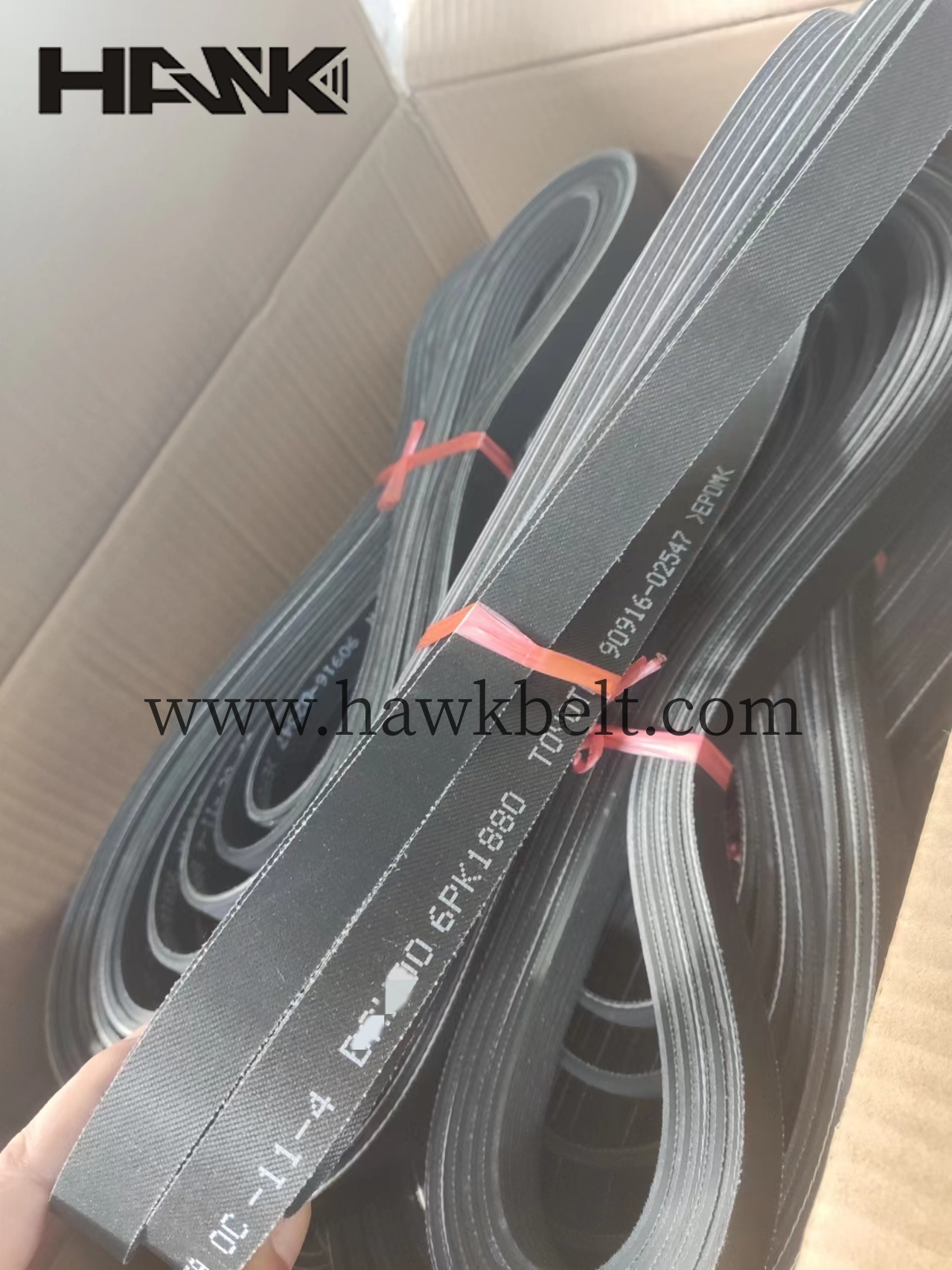
If you’re hunting for a Steering Belt that doesn’t squeal after two rainy mornings, this EPDM 6PK1880 is the one mechanics keep asking about. It’s a multi‑rib serpentine that drives accessories—including the power steering pump—on selected Toyota applications that cross to OE 90916‑02547. I’ve seen plenty of belts come and go; this one feels like the current sweet spot between price and longevity.
Quick specs (what most buyers ask first)
| Parameter | Detail |
|---|---|
| Product Name | 6PK1880 For Toyota 90916-02547 |
| OE Cross | 90916-02547 |
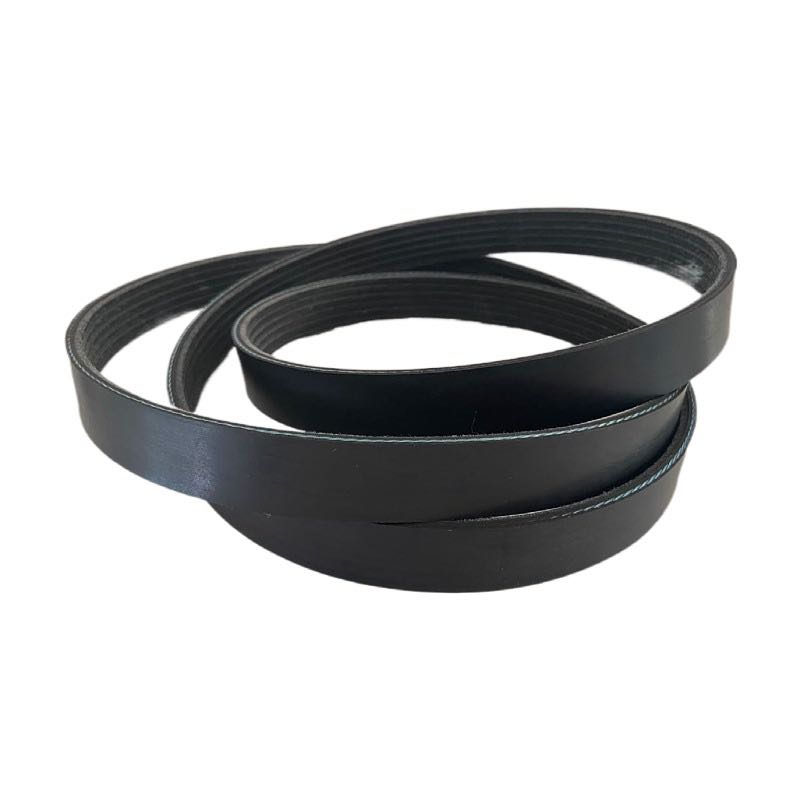
| Type | V‑ribbed serpentine belt (power steering/aux drive) |
| Material | EPDM rubber compound |
| Length | 1880 mm (≈74.0 in) |
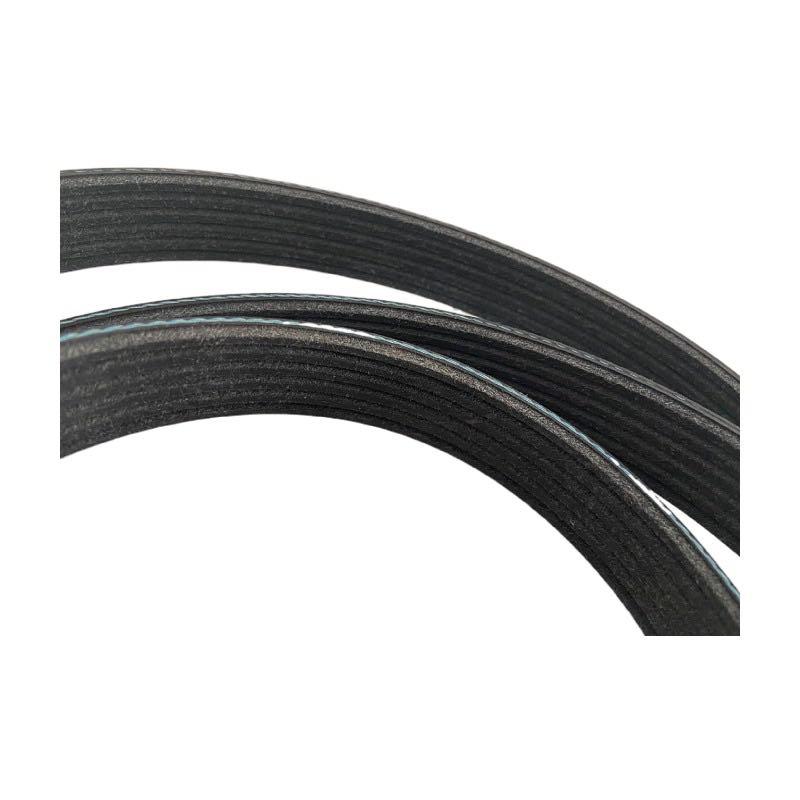
| Rib Profile | 6PK (6 ribs, PK profile) |
| Weight | 0.19 kg |
| Operating Temp | around −40 °C to +120 °C (real‑world use may vary) |
| Origin | No. 386 Xuyang Avenue, Renze District, Xingtai City, Hebei Province, China |
Industry trend check: EPDM has largely replaced CR (neoprene) because it keeps its flexibility longer, especially under heat soak. Many customers say noise drops after switchovers, which tracks with what I’ve heard in test bays.
Where it fits and why it matters
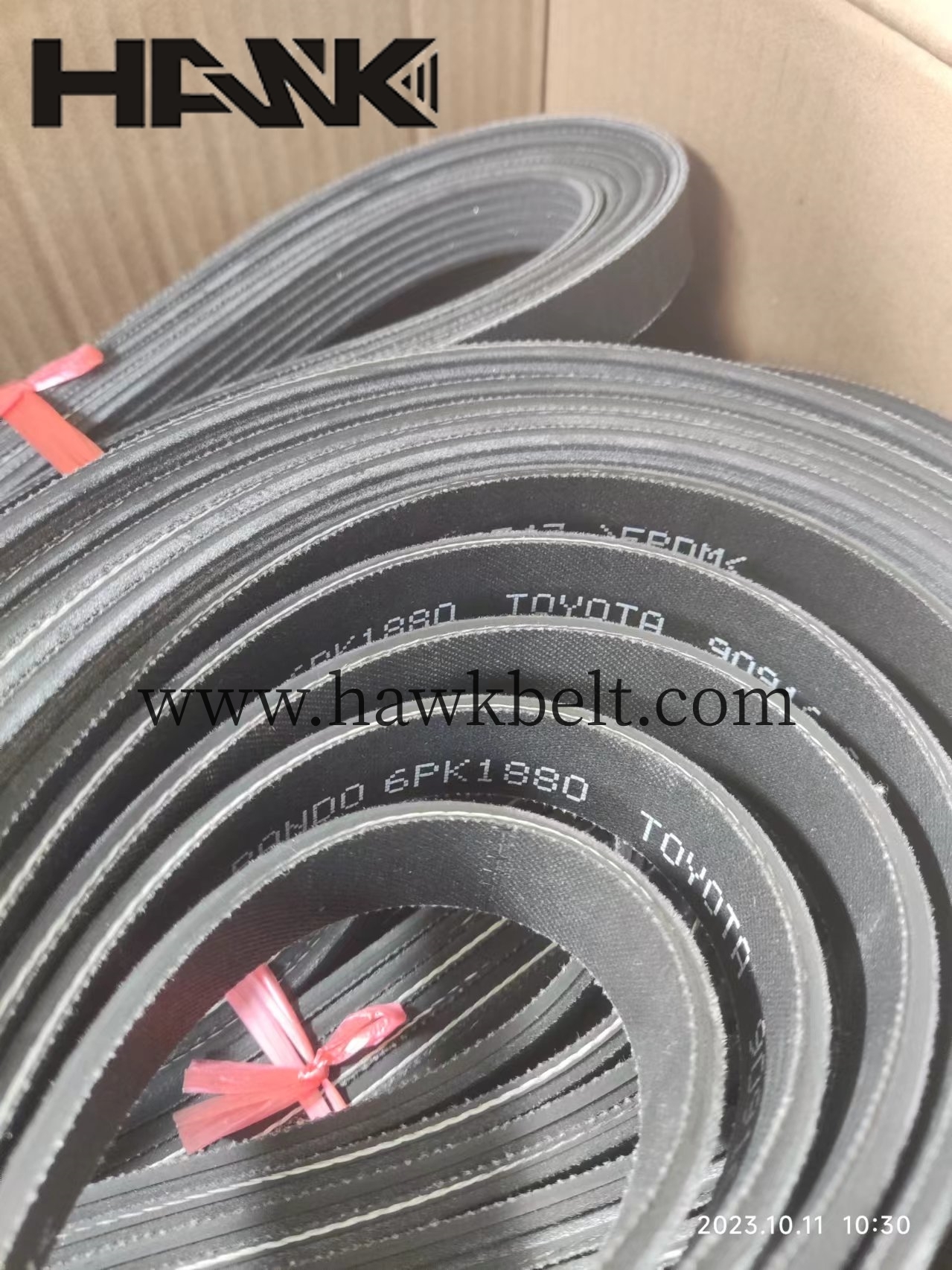
Applications: selected Toyota platforms that specify OE 90916‑02547. Typical role: drive the alternator, A/C, and power steering pump—hence the casual nickname Steering Belt. If you hear chirps at cold start or see glazing, it’s time.
- Service life: commonly 60,000–100,000 km with proper tensioning.
- Advantages: good heat aging, low stretch, quieter grooves, stable tracking.
- Caveat: accessory misalignment will defeat any belt—check pulleys first.
Process flow and QC (nuts and bolts)
Materials: EPDM cover + fiber‑reinforced compression rubber; high‑tenacity tensile cord (typically polyester). Methods: calendaring, ply build, precision rib molding, vulcanization, post‑cure grind, and length matching.
Testing standards referenced on this segment:
- SAE J2432 V‑Ribbed Belt test methods (tension decay, durability, noise).
- ASTM D412 tensile/elongation for rubber sheets and finished parts.
- IATF 16949/ISO 9001 quality systems for automotive production.
Sample lab snapshots (typical values, ≈ at 23 °C, illustrative only): tensile strength > 2000 N; elongation at 500 N ≈ 0.6%; after 100 h heat‑aging, crack‑free under bend test; slip noise
Vendor comparison (what buyers weigh)
| Vendor Type | Lead Time | Certs (typical) | Price Level | Warranty | Notes |
|---|---|---|---|---|---|
| Hawk‑belt style specialist (Xingtai, Hebei) | 7–21 days (stock‑plus) | ISO 9001; IATF 16949 (verify lot docs) | Mid | 12–24 months, application‑based | Balanced cost vs. durability; flexible MOQs |
| OEM dealer | Immediate (dealer stock) | OEM spec | High | OEM policy | Top fit and traceability; costly |
| No‑name import | Variable | Limited | Low | Short | Inconsistent compound; higher return risk |
Customization and packaging
- Private label, barcode, and QR traceability.
- Custom lengths/rib counts for adjacent Toyota platforms.
- Boxed or sleeve wrap; anti‑humidity liners for sea freight.
Field story (short and honest)
A taxi fleet in Southeast Asia swapped aging belts for this Steering Belt spec during monsoon season—noise complaint rate fell by about a third, and the cars kept power steering assist at idle with the A/C on. Not a lab trial, but the operations manager was happy enough to reorder. To be honest, that’s the kind of feedback that sticks.
Buying checklist
- Confirm OE: 90916‑02547; measure old belt length if tensioner travel looks off.
- Inspect pulleys and tensioner—alignment kills belts faster than mileage.
- Ask for test reports (SAE J2432) and batch traceability; it matters.
Authoritative citations
- SAE J2432: V‑Ribbed Belts and Belt Drive Systems—Test Methods.
- IATF 16949: Automotive Quality Management System Requirements.
- ASTM D412: Standard Test Methods for Vulcanized Rubber—Tension.
-
Comprehensive Guide to Selecting High Performance drive belts
NewsApr.16,2026
-
Guide to Choosing the Right Fan Belt for Car Performance
NewsApr.09,2026
-
Understanding and Maintaining Your Vehicle's Serpentine Belt for Optimal Performance
NewsApr.07,2026
-
Choosing the Right Steering Belt for Optimal Vehicle Performance and Safety
NewsApr.04,2026
-
Understanding the Serpentine Belt for Optimal Vehicle Performance
NewsMar.31,2026
-
Comprehensive Guide to Understanding Your Fan Belt Car and Maintenance
NewsMar.28,2026