

Oct . 07, 2025 09:30 Back to list
S3M Belt: Precise, Quiet, Durable—Ready for Your Drive?
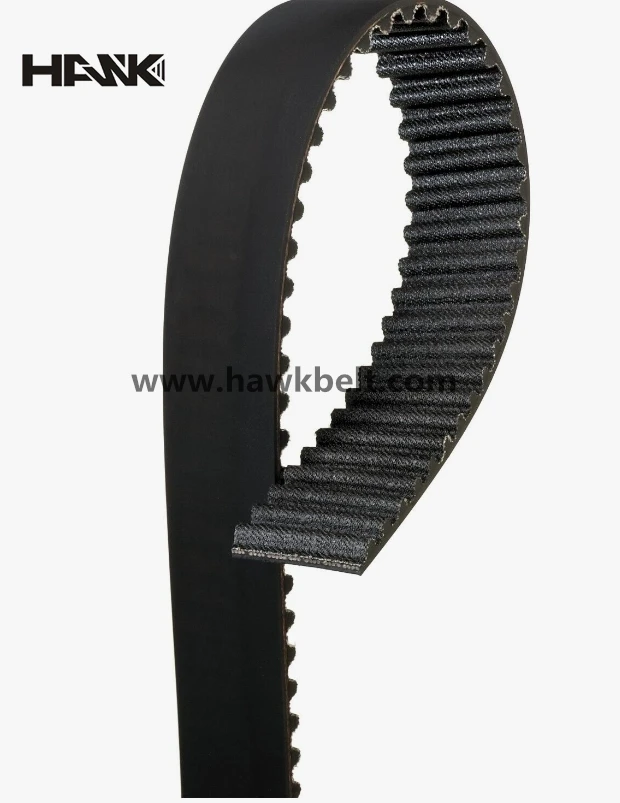
If you’ve been hunting for an s3m belt that doesn’t flinch under real engine loads, the 141ZBS25 Car Auto Timing Belt is one of those quietly reliable components that mechanics keep recommending. It’s OE-labeled 141ZBS25 and, interestingly, shows up across Mitsubishi, Volvo, Toyota, Kia, Isuzu, and Hyundai platforms. I’ve seen it installed where downtime is not an option.
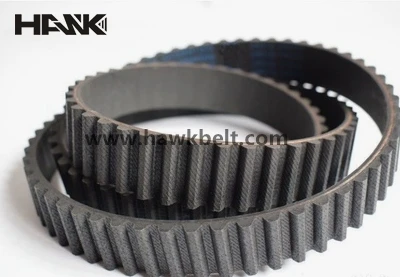
Why the market is leaning into HNBR-based s3m belt upgrades
Two trends are converging: tighter engine bays and longer maintenance intervals. Shops tell me HNBR belts cut warranty claims versus basic CR, especially in hot-running turbo engines. In fact, many customers say the upgrade practically “pays for itself” with longer service life.
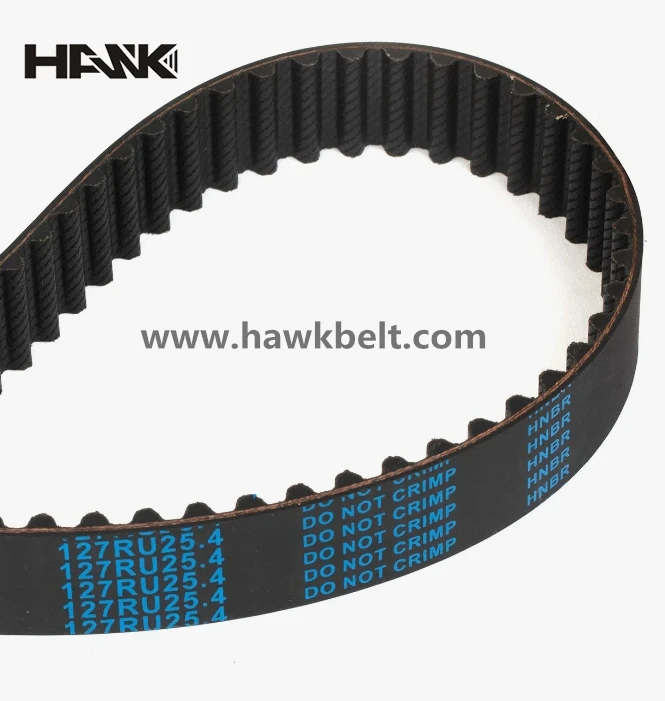
Quick specs that matter
Origin: No. 386 Xuyang Avenue, Renze District, Xingtai City, Hebei Province, China. Materials: CR or HNBR rubber with fiberglass tensile cords. Practical fitments across multiple Asian and European models—always verify by VIN.
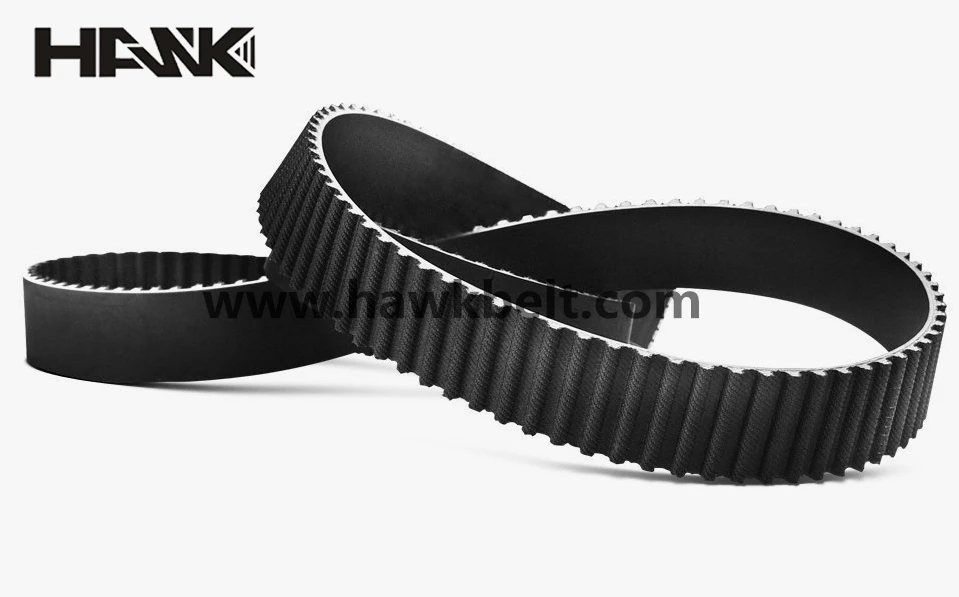
| Parameter | Value (≈ real-world) |
|---|---|
| OE / Model | 141ZBS25 |
| Tooth count | 141 |
| Width | 25 mm |
| Pitch/profile | S3M, 3 mm pitch |
| Weight | ≈0.22 kg |
| Material options | CR (budget) / HNBR (heat/oil resistant) |
| Temp range | CR: -20 to 100°C; HNBR: -30 to 120°C |
| Service life | 60,000–100,000 km (conditions dependent) |
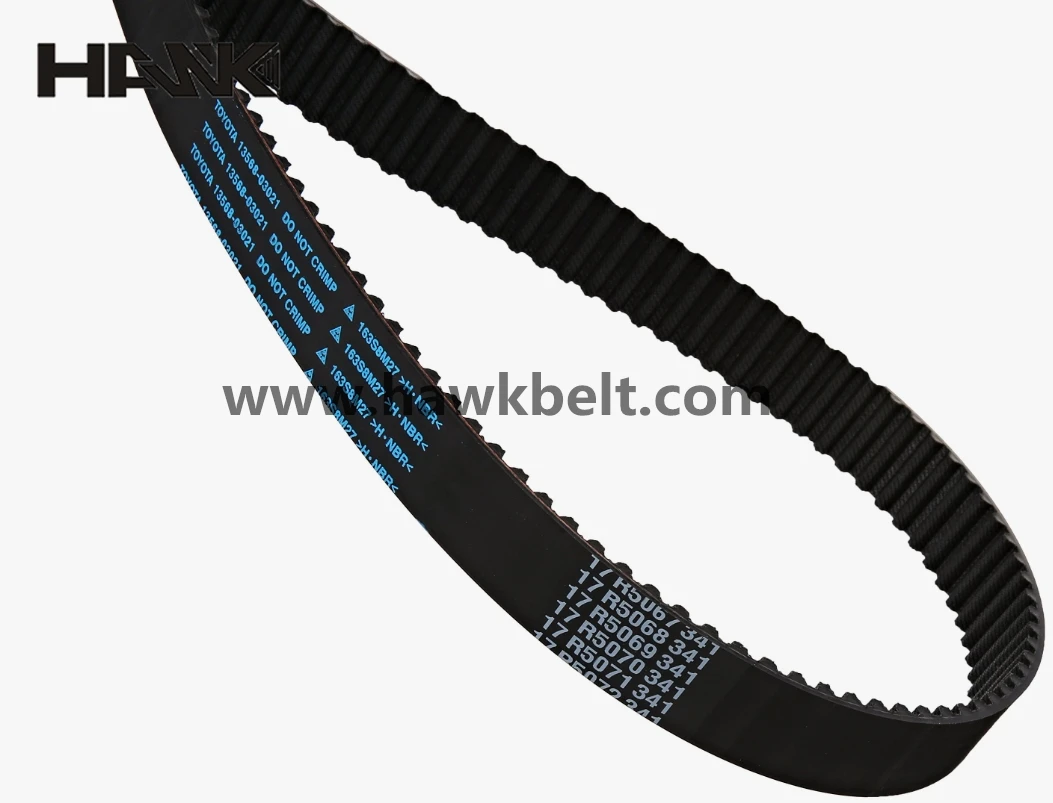
How it’s made (short version)
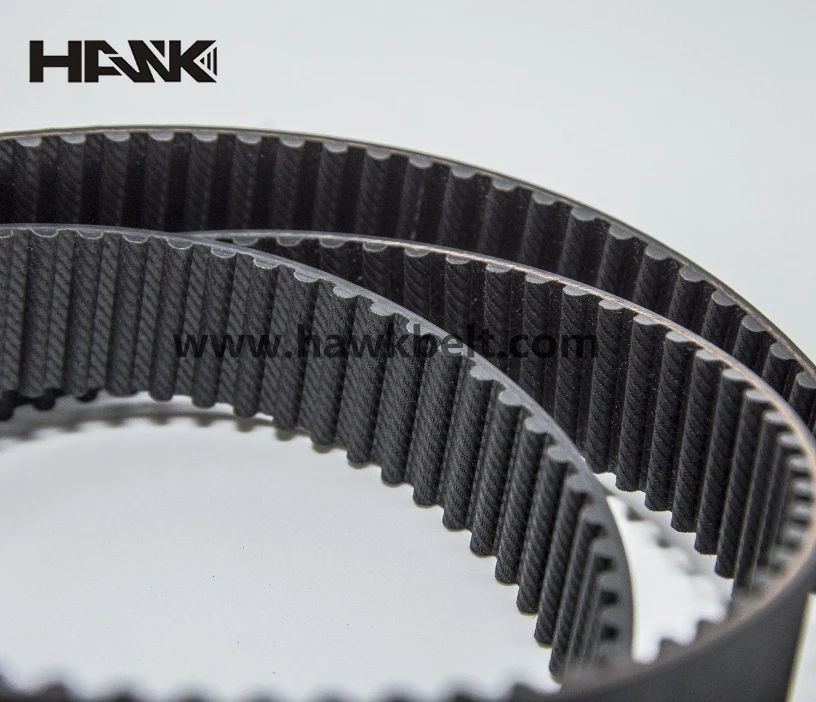
Materials: CR or HNBR compound with fiber-loaded tooth fabric; fiberglass tensile cords for low stretch. Methods: precision tooth molding, controlled vulcanization, post-grind for tooth accuracy, and final length calibration. Testing: tensile (ISO 37 / ASTM D412), hardness (ISO 48-4), heat aging (ISO 188), ozone (ASTM D1149), oil resistance (ISO 1817), tooth shear and dynamic fatigue per internal SOP aligned with DIN 7721 guidance.
Where it thrives
Applications: passenger cars (gasoline/diesel), compact SUVs, light-duty commercial vans. Industries: aftermarket service centers, fleet maintenance, and dealer fixed-ops. Advantages include quiet meshing, stable timing under load, and surprisingly good oil/heat resistance—especially for HNBR in stop-go urban cycles.
Test data snapshot (typical, internal lab, 25 mm width): tooth shear > 900 N/tooth; dynamic fatigue >10^7 cycles at 30 N pretension; hardness 72±3 Shore A; elongation at break 10–15%. Real-world use may vary with pulley condition and tensioning.

Vendor comparison (buyer notes)
| Vendor | Spec accuracy | Rubber grade | Certs | Warranty |
|---|---|---|---|---|
| Hawkbelt 141ZBS25 | Tight, S3M pitch verified | HNBR/CR options | ISO 9001, IATF 16949 (supplier chain) | 12–24 months (region-dependent) |
| Generic Importer A | Mixed lot variation | Mostly CR | Basic QC only | 6–12 months |
| Premium Brand B | Excellent | HNBR | Global OEM approvals | 24 months |
Customization notes
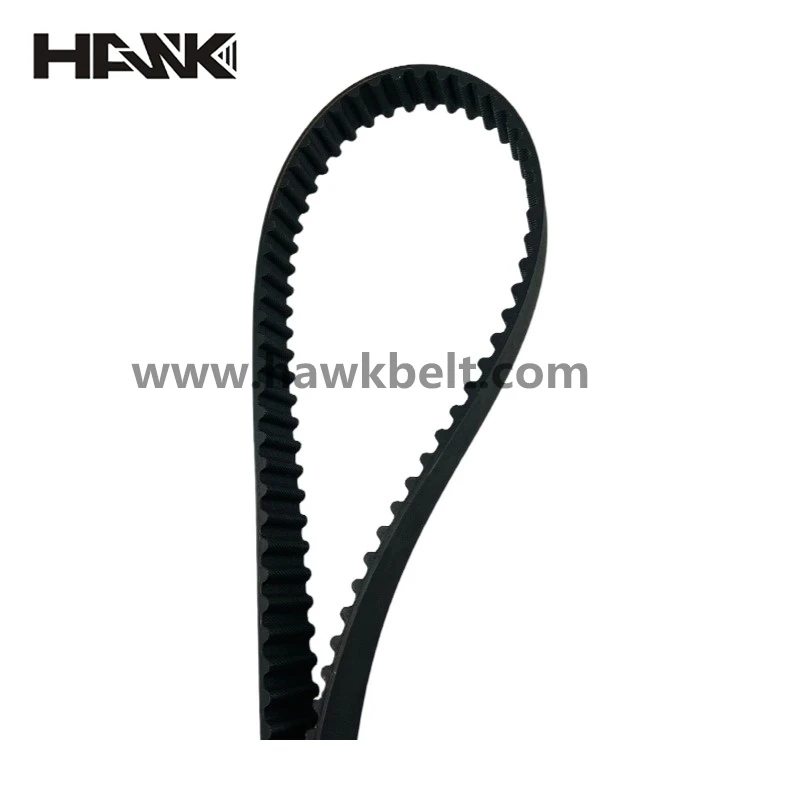
For fleets, spec s3m belt in HNBR, plus aramid cords for high-shock duty, and fabric tooth cloth for noise control. Private-label packaging and barcode programs are available—handy if you’re consolidating SKUs.
Two quick case studies
Taxi fleet (hot climate): switched to HNBR s3m belt; timing noise dropped and belt change intervals moved from 60k to ≈90k km. Independent shop (cold winters): CR version performed fine, but HNBR reduced callbacks after polar cold snaps—mechanic’s words, not mine.
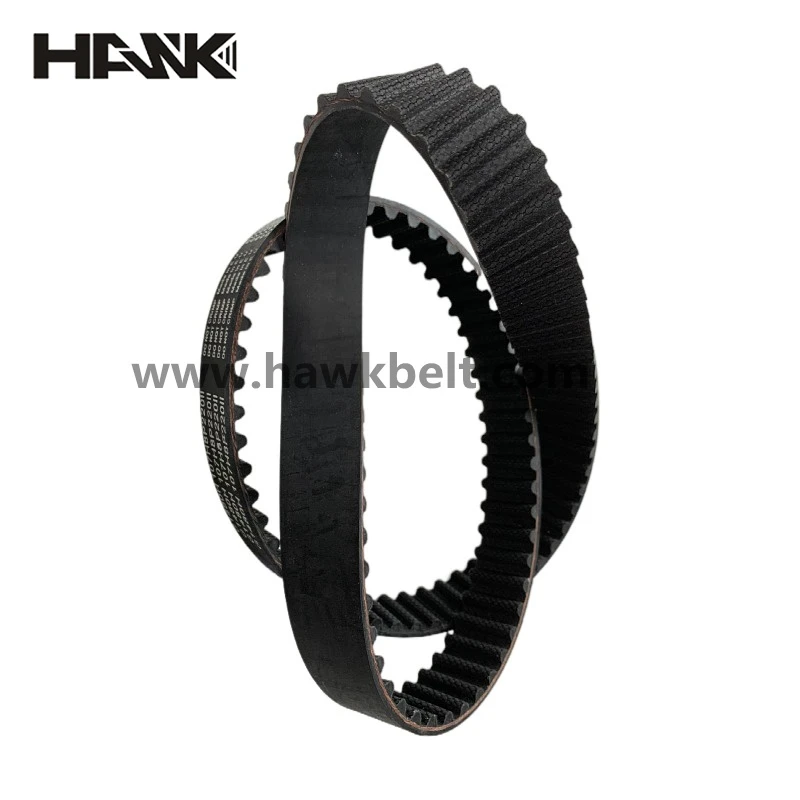
Final tip: always replace tensioner and idlers with the belt. It seems obvious, but surprisingly, it’s the number-one cause of “early belt failure” reports I hear. Do it once, do it right.
References
- ISO 37:2017 Rubber, vulcanized or thermoplastic — Determination of tensile stress-strain properties.
- ISO 48-4:2018 Rubber — Determination of hardness — Part 4: Indentation hardness by durometer method (Shore hardness).
- ISO 1817:2015 Rubber, vulcanized — Determination of the effect of liquids.
- ISO 188:2011 Rubber, vulcanized or thermoplastic — Accelerated ageing and heat resistance tests.
- ASTM D412-16 Standard Test Methods for Vulcanized Rubber and Thermoplastic Elastomers—Tension.
- ASTM D1149-16 Standard Test Methods for Rubber Deterioration—Surface Ozone Cracking.
- DIN 7721 Synchronous belt drives — Tolerances, dimensions, and quality requirements.
- IATF 16949:2016 Quality management system requirements for automotive production and relevant service parts.
-
Comprehensive Guide to Selecting High Performance drive belts
NewsApr.16,2026
-
Guide to Choosing the Right Fan Belt for Car Performance
NewsApr.09,2026
-
Understanding and Maintaining Your Vehicle's Serpentine Belt for Optimal Performance
NewsApr.07,2026
-
Choosing the Right Steering Belt for Optimal Vehicle Performance and Safety
NewsApr.04,2026
-
Understanding the Serpentine Belt for Optimal Vehicle Performance
NewsMar.31,2026
-
Comprehensive Guide to Understanding Your Fan Belt Car and Maintenance
NewsMar.28,2026