

Oct . 05, 2025 23:20 Back to list
Rubber Timing Belt Manufacturers: ISO OEM, Fast Delivery?
Inside the world of rubber timing belt manufacturers: shop-floor realities, specs, and buying tips
If you’ve ever priced a timing belt job, you know two truths: precision matters, and downtime is expensive. I’ve spent enough time around engine builders and procurement folks to learn that sourcing isn’t just about price; it’s about predictable quality, verifiable testing, and support when something squeaks at 5,000 rpm. So let’s unpack what’s changing, who’s doing it well, and why the newest HNBR belts are quietly redefining expectations.
What’s trending (and what actually matters)
- HNBR compounds over classic CR for higher temperature and oil resistance—especially under turbo heat.
- Stronger cords (glass → aramid in select SKUs) to tame high-load cam phasing and start-stop cycles.
- Tighter tooth-geometry control; noise and micro-slip are getting measurable, not anecdotal.
- Traceability + IATF 16949 audits, because warranty data travels fast now.
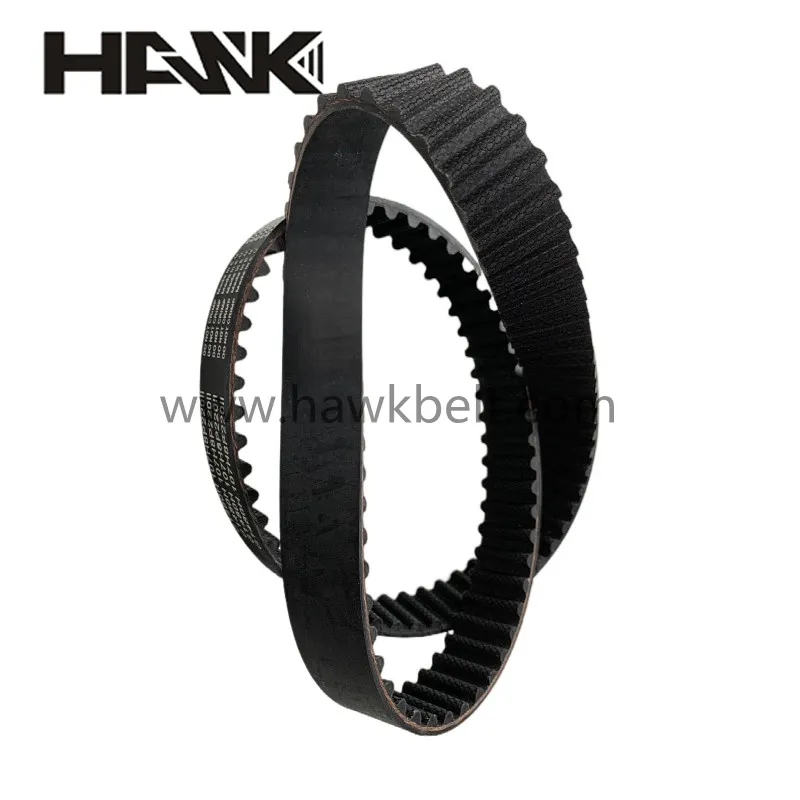
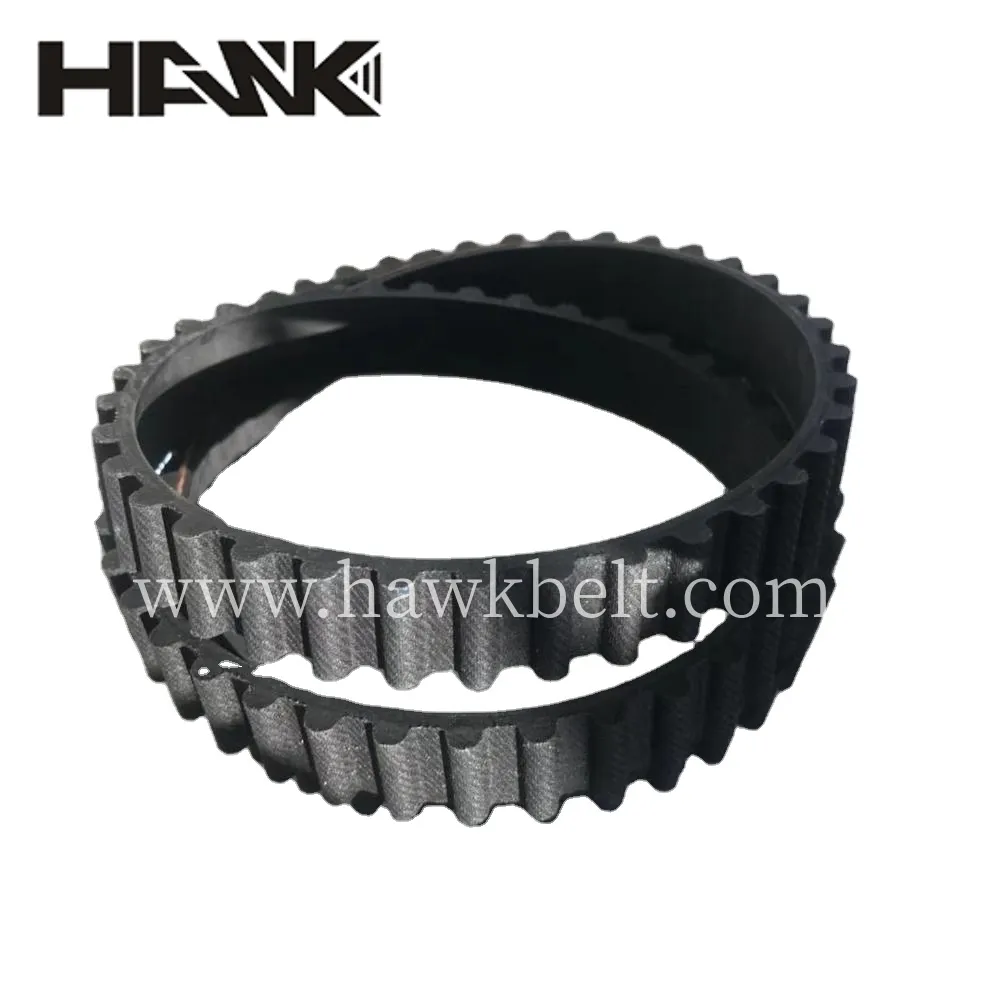
Spotlight product: High Quality 13568-69095 191YU36
Made in No. 386 Xuyang Avenue, Renze District, Xingtai, Hebei, China—an area that’s become a hub for power transmission. This unit, aimed at Toyota platforms (and cross-use on Hyundai/Peugeot/Kia/Mitsubishi where spec matches), hits that sweet spot: accessible price, audited process, and repeatable tolerance. Many customers say it “just fits and runs quiet,” which, to be honest, is the whole point.
| Product Name | High Quality 13568-69095 191YU36 |
| OE No. | 13568-69095 |
| Materials | CR/HNBR cover and tooth; fiberglass tensile cords |
| Teeth / Width | 191 teeth; 36 mm |
| Weight | ≈ 0.22 kg |
| Pitch profile | YU profile (Toyota spec) ≈ 3/8” class; real-world use should verify against OE drawings |
| Operating temp | CR: -20 to +110°C; HNBR: -30 to +140°C (load-dependent) |
| Typical service life | 90,000–120,000 km (conditions may vary) |
| Origin | Renze District, Xingtai City, Hebei, China |
How quality belts are built (the practical version)
- Compounding: CR/HNBR with NR/EP additives, silica/carbon black, anti-ozonants; ASTM D2000 material classification.
- Calendaring & fabric prep: tooth fabric treated for friction control and wear.
- Molding & curing: precision steel molds; vulcanization tuned for modulus and tooth fidelity.
- Grinding & trimming: post-cure tooth grinding for pitch accuracy, width tolerance control.
- Testing: tensile (ISO 37), fatigue (ISO 17396), oil/ozone (ISO 1817/1431), noise on dyno rigs; lot traceability.
Typical test data (internal bench): tensile cord strength for 36 mm width ≈ 4–6 kN; tooth shear endurance > 2 million cycles; noise ≈ 62–68 dB at 1 m on a sealed rig. In the field, results vary with tensioners and pulleys—no surprise there.
Vendor comparison (what buyers actually ask)
| Vendor | Strengths | Materials | Lead time | Certs |
|---|---|---|---|---|
| Hawk Belt (Xingtai) | Strong OE cross-refs; competitive MOQ | CR/HNBR, glass cords | ≈ 20–30 days | ISO 9001, IATF 16949 |
| Global Brand A | Broad SKU coverage; premium pricing | HNBR/aramid options | ≈ 35–45 days | IATF 16949 |
| Specialist B | Custom runs; small batches | CR/HNBR | ≈ 25–35 days | ISO 9001 |
Customization, applications, and feedback
Customization typically covers tooth count, width (25–36–42 mm common), fabric type, and cord upgrade (glass → aramid for high shock loads). Industries: automotive engines, small gensets, agricultural machinery, and, surprisingly, some robotics where synchronicity trumps chain noise.
Field notes: a taxi fleet in Lima reported interval extension from 80k to ~110k km after moving to HNBR; a Middle East distributor logged an 18% drop in warranty returns once tensioner procedures were standardized. The moral? Good belts plus correct tensioning beat marketing every time.
Buying checklist for rubber timing belt manufacturers
- Confirm OE dimensions and YU profile match; ask for drawing and CMM report.
- Request test summaries vs. ISO 17396 fatigue and ISO 1431 ozone.
- Look for IATF 16949 surveillance audit dates, not just a logo.
- Ask for batch traceability and warranty terms tied to install best practices.
In a crowded field of rubber timing belt manufacturers, data-backed process control beats glossy catalogs. That’s not romantic—but engines seem to like it.
Authoritative references
- ISO 17396: Road vehicles — Synchronous belt drive systems for combustion engines.
- IATF 16949: Automotive Quality Management System Requirements.
- ISO 37 / ISO 1817 / ISO 1431: Rubber testing—tensile, liquid resistance, ozone resistance.
- ASTM D2000: Standard Classification System for Rubber Products.
- SAE J2432: Testing and performance for belt drive systems (applicable principles).
-
Comprehensive Guide to Selecting High Performance drive belts
NewsApr.16,2026
-
Guide to Choosing the Right Fan Belt for Car Performance
NewsApr.09,2026
-
Understanding and Maintaining Your Vehicle's Serpentine Belt for Optimal Performance
NewsApr.07,2026
-
Choosing the Right Steering Belt for Optimal Vehicle Performance and Safety
NewsApr.04,2026
-
Understanding the Serpentine Belt for Optimal Vehicle Performance
NewsMar.31,2026
-
Comprehensive Guide to Understanding Your Fan Belt Car and Maintenance
NewsMar.28,2026