
Sep . 22, 2025 11:51 Back to list
Premium Rubber Timing Belts: Durable & Precise Engine Performance
Understanding the Critical Role of Rubber Timing Belts in Modern Industrial Systems
In precision-driven industrial applications, the integrity and performance of power transmission components are paramount. Among these, the rubber timing belt stands as a cornerstone, ensuring synchronous motion, efficiency, and reliability across a myriad of systems. From automotive engines to advanced robotics, these belts facilitate precise rotational timing between shafts, eliminating slippage and maintaining phase relationships crucial for optimal machinery operation. This detailed overview delves into the technical intricacies, market dynamics, and operational advantages of advanced rubber timing belts, catering to the needs of B2B decision-makers and engineering professionals.
Current Industry Trends and Market Dynamics
The global market for rubber timing belt technology is evolving rapidly, driven by increasing demands for energy efficiency, reduced maintenance, and enhanced durability. Key trends include a shift towards high-performance materials such as Hydrogenated Nitrile Butadiene Rubber (HNBR) and EPDM for superior temperature and chemical resistance. There's also a growing emphasis on precision tooth profiles (e.g., HTD, STD, GT) to minimize backlash and improve power transmission accuracy, especially in high-torque applications. Furthermore, the integration of smart manufacturing processes is enabling tighter tolerances and more consistent product quality. The demand for specialized belts, such as the alternator timing belt in automotive systems, or robust solutions for heavy industrial machinery, continues to grow, reflecting a broad spectrum of application requirements.
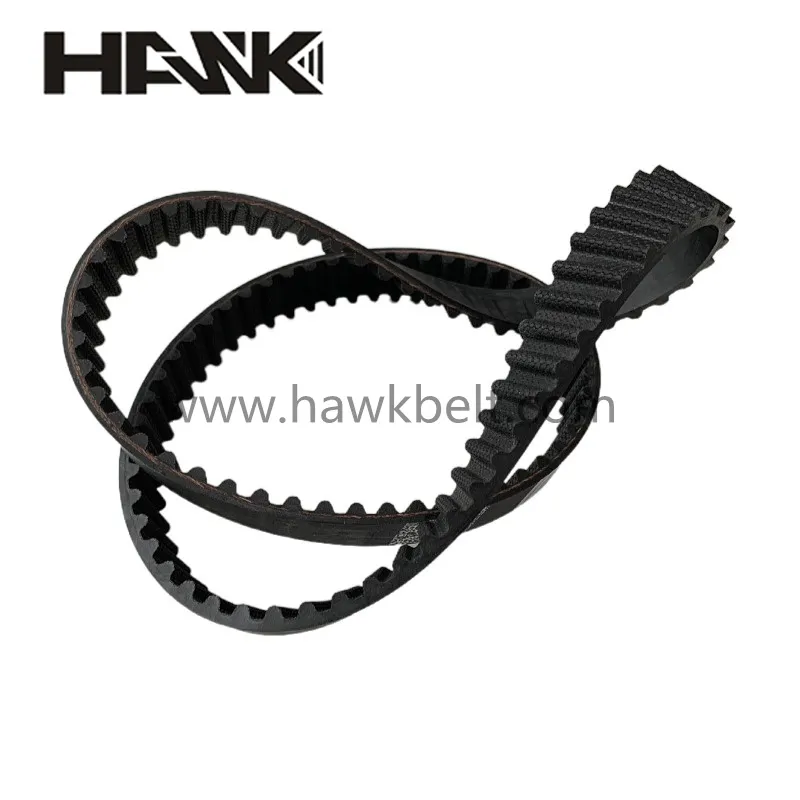
Sustainability is another driving force, with manufacturers exploring greener production methods and recyclable materials. The rise of electric vehicles (EVs) is also impacting the market, leading to innovations in accessory drive systems where lighter, quieter, and more efficient belts are required. For instance, the demand for belts in ancillary systems like water pumps and power steering (even if hydraulically assisted) remains significant, alongside the traditional internal combustion engine where the non interference engine timing belt plays a critical role in preventing catastrophic engine damage.
Technical Specifications and Parameters
The efficacy of a rubber timing belt is defined by its precise technical specifications. These parameters dictate its suitability for specific applications, influencing factors like load capacity, operational speed, temperature range, and service life. Key specifications include material composition, tooth profile, pitch, width, and tensile strength.
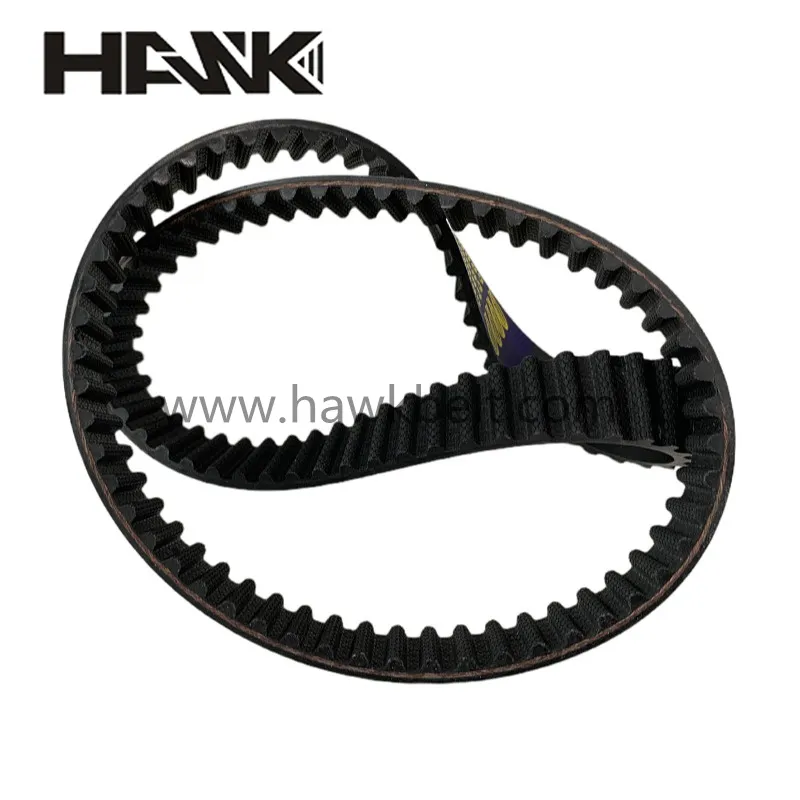
Product Spotlight: 24312-33040 Rubber Belt 24312-4X000 152RU30 Auto Synchronous Belt
| Parameter | Specification for 24312-33040 / 152RU30 | Benefit / Application |
|---|---|---|
| Product Name | 24312-33040 Rubber Belt 24312-4X000 152RU30 Auto Synchronous Belt | Specifically designed for automotive synchronous applications, ensuring precise engine timing. |
| Material Composition | High-grade HNBR (Hydrogenated Nitrile Butadiene Rubber) with high-strength fiberglass tensile cords and wear-resistant nylon fabric tooth facing. | Excellent resistance to heat, oil, and chemicals; high tensile strength for robust power transmission; reduced tooth wear and extended belt life. |
| Number of Teeth | 152 | Ensures accurate meshing with corresponding pulleys, maintaining precise synchronization. |
| Width | 30 mm | Optimized for load distribution and stability within the automotive engine compartment. |
| Tooth Profile | Rounded tooth profile (e.g., STD or HTD equivalent) | Improved stress distribution, reduced noise, and increased torque capacity compared to trapezoidal profiles. |
| Temperature Range | -40°C to +120°C (continuous) | Reliable performance in varied engine operating conditions, from cold starts to high-temperature environments. |
| Service Life Expectancy | Typically 100,000 km to 150,000 km (depending on vehicle model and operating conditions) | Extended replacement intervals, reducing maintenance costs and downtime. |
These specifications are crucial for engineers designing or maintaining systems where precise timing is non-negotiable, particularly for components like the gear timing belt, which dictates the synchronous rotation of gears in complex machinery.
The Manufacturing Process Flow of a Rubber Timing Belt
The production of a high-quality rubber timing belt is a sophisticated, multi-stage process, demanding meticulous control at each step to ensure precision and durability. This process flow adheres to stringent international standards like ISO 9001 and ANSI/RMA, guaranteeing consistency and performance.
Schematic Steps of Production:
- Material Preparation & Compounding: High-grade rubber polymers (e.g., HNBR, EPDM) are blended with reinforcing fillers (carbon black), plasticizers, antioxidants, and vulcanizing agents. This precise compounding ensures optimal flexibility, wear resistance, and temperature stability.
- Tensile Cord Treatment: High-strength fiberglass or aramid cords, which provide the primary tensile strength, are pre-treated (e.g., with adhesion promoters) to ensure strong bonding with the rubber matrix.
- Fabric Shearing & Weaving: A durable nylon or aramid fabric is cut and sometimes pre-treated to form the tooth facing. This facing protects the teeth from wear and minimizes friction.
- Belt Building (Layering): The prepared materials are assembled in layers on a mandrel. Typically, the tooth fabric forms the innermost layer, followed by the rubber base, then the precisely wound tensile cords, and finally, the outer rubber backing. This layering is critical for the structural integrity of the rubber timing belt.
- Vulcanization (Curing): The assembled belt sleeve undergoes vulcanization under controlled heat and pressure. This chemical process cross-links the rubber polymers, giving the belt its permanent shape, elasticity, and desired physical properties. This is analogous to a "casting" process for the belt's final form.
- Precision Cutting: After vulcanization, the continuous belt sleeve is precisely cut into individual belts of specified widths using automated CNC cutting machines, ensuring consistent dimensions across batches.
- Quality Control & Testing: Each belt undergoes rigorous testing, including dimensional checks, tensile strength tests, fatigue resistance, and sometimes dynamic running tests. Standards like ISO 13050 and ANSI/RMA IP-24 specify acceptable tolerances and performance benchmarks. The typical service life for industrial applications can range from 10,000 to 30,000 operating hours, depending on load and environment.
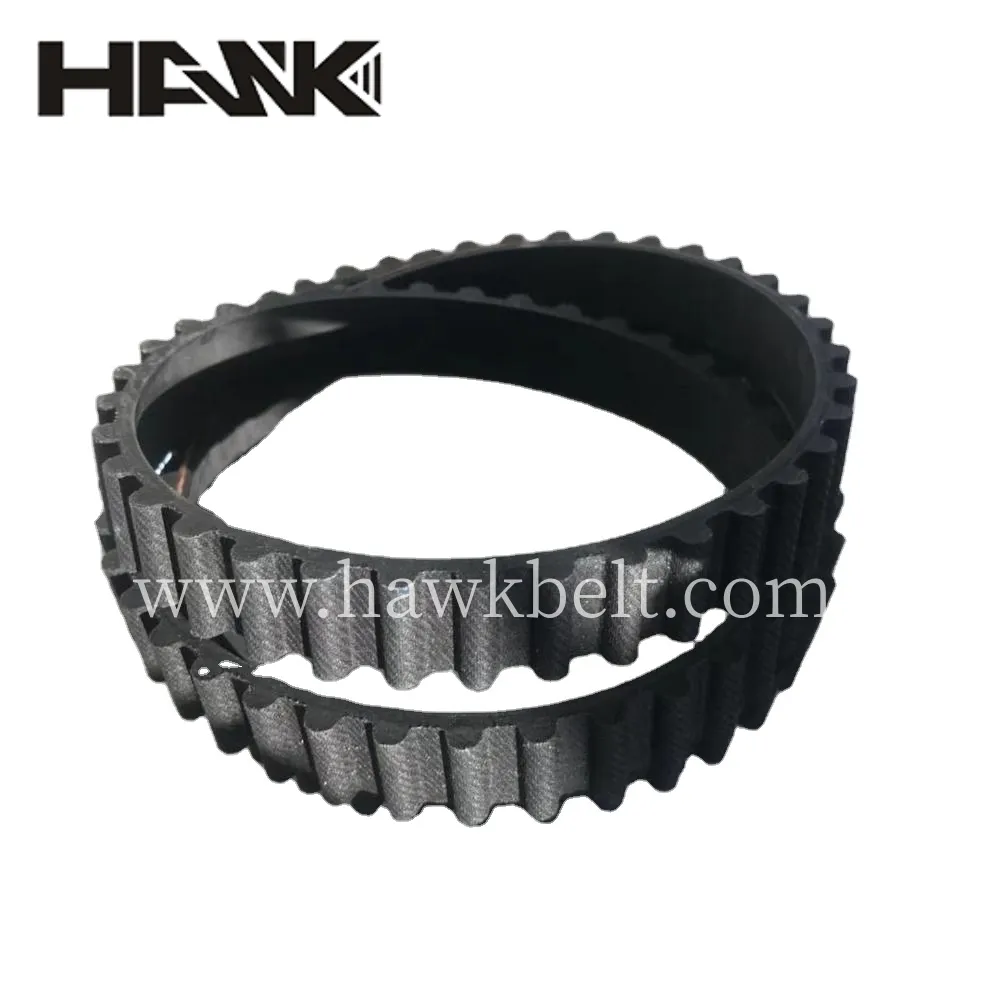
This robust manufacturing process ensures that each rubber timing belt can withstand demanding operational conditions, demonstrating advantages such as energy saving through reduced friction and corrosion resistance due to advanced material formulations, particularly relevant in target industries like petrochemicals and water supply & drainage.
Technical Advantages and Performance Metrics
Modern rubber timing belt designs offer significant technical advantages over traditional chain drives or friction belts, making them indispensable in applications requiring high precision and efficiency.
- Synchronous, Slip-Free Operation: The interlocking teeth mechanism ensures absolute synchronization between driving and driven pulleys, critical for applications like camshaft timing in engines where even minor slippage is unacceptable. This is why a precise non interference engine timing belt is vital.
- High Efficiency & Energy Saving: Timing belts typically achieve efficiencies exceeding 98%. Unlike V-belts, they do not rely on friction, eliminating slippage and reducing power loss. This translates directly to energy savings in industrial systems, especially for high-power transmissions.
- Low Noise & Vibration: The composite construction and optimized tooth profiles contribute to significantly quieter operation compared to chains or gear drives. This is particularly beneficial in HVAC systems, office machinery, and automotive interiors where noise reduction is a design priority.
- Maintenance-Free & Lubrication-Free: Timing belts do not require lubrication, eliminating the need for oil baths or regular greasing, which reduces maintenance costs and potential contamination in sensitive environments. This simplifies system design and reduces operational expenditures.
- Corrosion and Chemical Resistance: Advanced rubber compounds like HNBR and EPDM offer superior resistance to oils, greases, many industrial chemicals, and environmental factors, extending belt life in challenging operational settings such as petrochemical plants or food processing facilities.
- Wide Operating Temperature Range: With capabilities ranging from -40°C to +120°C, these belts maintain performance consistency in extreme conditions, a crucial factor for automotive engine compartments and various industrial processes.
- Compact Design: Timing belts often allow for smaller pulley diameters and shorter center distances compared to other drive systems, leading to more compact and lighter machinery designs.
These inherent advantages underscore why the rubber timing belt remains a preferred choice for engineers seeking reliable, efficient, and low-maintenance power transmission solutions.
Application Scenarios and Target Industries
The versatility and precision of the rubber timing belt make it indispensable across a vast array of industries and application scenarios. Its ability to transmit power synchronously and reliably is leveraged in both high-precision and heavy-duty environments.
- Automotive Industry: This is arguably the most well-known application, where timing belts synchronize camshafts and crankshafts, controlling valve timing for optimal engine performance. Belts like the alternator timing belt are also crucial for driving ancillary components. Modern engine designs often feature a non interference engine timing belt to prevent valve-to-piston contact in case of belt failure.
- Industrial Automation and Robotics: In pick-and-place robots, CNC machines, and automated assembly lines, timing belts provide the precise, repeatable motion required for accurate positioning and controlled velocity. Their low backlash characteristics are paramount here.
- Printing and Packaging Machinery: Precision printing presses and intricate packaging systems rely on timing belts for accurate paper feeding, print head positioning, and synchronized conveyor movements, ensuring high-quality output and efficient throughput.
- HVAC Systems: In heating, ventilation, and air conditioning units, timing belts drive fans and compressors, often requiring quiet operation and high efficiency. They are often used in conjunction with a fan belt and timing belt setup.
- Textile Industry: Weaving looms, knitting machines, and spinning equipment use timing belts for precise synchronization of various components, contributing to fabric quality and production speed.
- Food and Beverage Processing: Conveyor systems and processing machinery in the food industry utilize specialized timing belts that are FDA-compliant, resistant to wash-downs, and capable of maintaining hygiene standards while ensuring precise product handling.
- Petrochemical and Metallurgy: In environments with harsh chemicals, extreme temperatures, or abrasive particles, custom-designed timing belts with superior chemical and temperature resistance are employed for conveying, mixing, and processing equipment.
- Water Supply & Drainage: Pumps, mixers, and aeration equipment in water treatment plants benefit from the corrosion resistance and reliable, lubrication-free operation of timing belts, reducing maintenance in wet and corrosive environments.
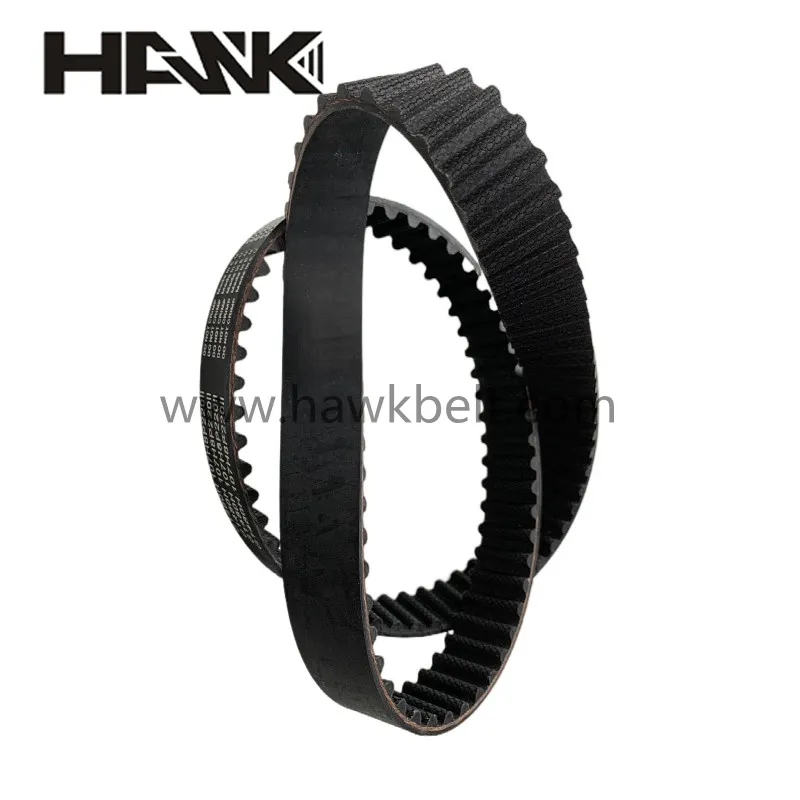
These diverse applications underscore the critical role of robust and precisely engineered timing belts in driving modern industrial and automotive functionality.
Vendor Comparison and Selection Criteria
Choosing the right vendor for a rubber timing belt is a strategic decision that impacts operational efficiency, maintenance costs, and overall system reliability. While a direct comparison of specific companies is outside the scope, evaluating vendors based on key criteria is essential for B2B procurement.
| Evaluation Criterion | Importance | Key Considerations |
|---|---|---|
| Product Quality & Durability | Critical | Adherence to ISO/ANSI standards, advanced material science (HNBR, EPDM), consistent manufacturing tolerances, proven service life. |
| Customization Capabilities | High | Ability to produce specific lengths, widths, tooth profiles, and material compositions for unique application demands. |
| Technical Support & Expertise | Very High | Access to engineering support, application specialists, design assistance, and troubleshooting guides. |
| Certifications & Compliance | Essential | ISO 9001 for quality management, industry-specific certifications (e.g., FDA for food contact, REACH/RoHS compliance). |
| Supply Chain Reliability & Lead Time | Important | Consistent delivery, flexible order quantities, efficient logistics, and transparent communication on lead times. |
| Cost-Effectiveness | Balanced | Competitive pricing balanced with superior quality and service life to minimize total cost of ownership. |
A comprehensive evaluation based on these factors ensures a partnership that enhances operational performance and reduces long-term costs. Partnering with vendors holding relevant certifications and a strong track record of client satisfaction reinforces authoritativeness and trustworthiness.
Customized Solutions for Specialized Applications
Many industrial applications present unique challenges that off-the-shelf timing belts cannot adequately address. This is where customized rubber timing belt solutions become critical. Leading manufacturers offer extensive customization capabilities to meet stringent operational requirements.
Customization options typically include:
- Material Variations: Beyond standard HNBR or EPDM, specialized compounds can be formulated for enhanced resistance to specific chemicals, extreme temperatures, UV radiation, or static dissipation. This is vital for environments like chemical processing or sensitive electronics manufacturing.
- Reinforcement Cords: While fiberglass is common, aramid, steel, or carbon fiber cords can be integrated for higher tensile strength, reduced elongation, or specific stiffness requirements, particularly for heavy-duty gear timing belt applications.
- Tooth Profiles & Pitch: Custom tooth geometries can be designed to optimize meshing with unique pulley designs, minimize backlash in ultra-precision robotics, or increase torque capacity.
- Backings and Coatings: Special backings (e.g., Linatex, polyurethane) can be applied for improved abrasion resistance, non-marking properties, or increased friction for conveying delicate items.
- Perforations and Attachments: Belts can be perforated, milled, or have special attachments integrated during manufacturing for conveying, indexing, or synchronizing unique product features.
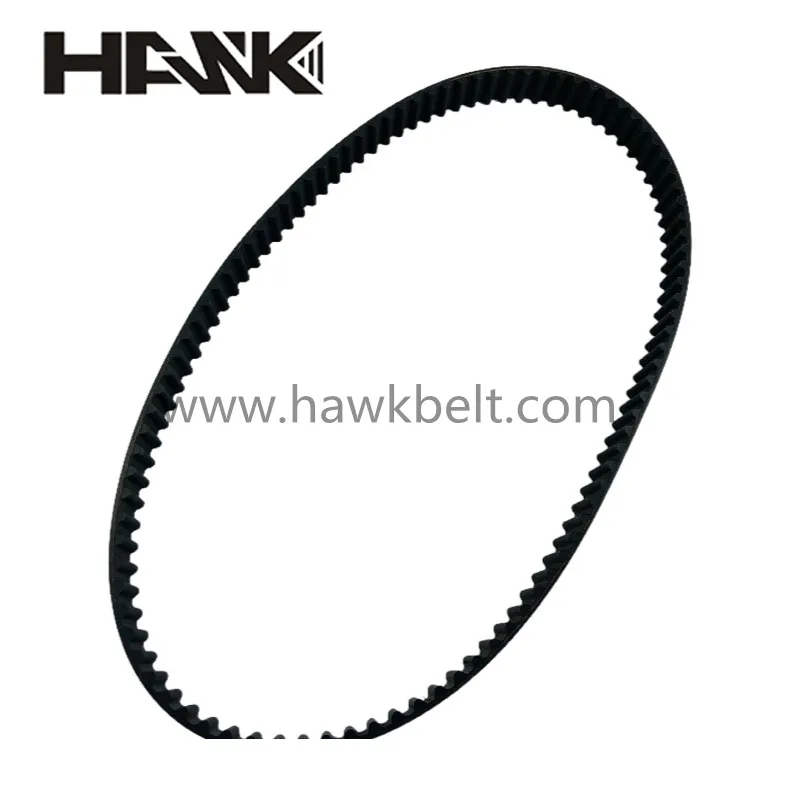
These tailored solutions ensure that industrial systems operate at peak performance, even under the most demanding conditions, demonstrating true expertise and experience in overcoming complex engineering challenges.
Application Case Studies: Real-World Impact
Examining real-world applications provides tangible evidence of the value and performance delivered by high-quality rubber timing belt systems.
Case Study 1: Enhanced Efficiency in a Petrochemical Plant
A major petrochemical facility faced recurring issues with corrosion and premature wear of metal chain drives in a critical mixing application. The highly corrosive atmosphere and continuous operation led to frequent breakdowns and high maintenance costs. A customized rubber timing belt solution, utilizing an HNBR compound with enhanced chemical resistance and fiberglass cords, was implemented. The lubrication-free operation eliminated the need for protective casings and reduced contamination risks. Post-installation, the plant reported a 30% reduction in downtime for that specific process, a 15% decrease in energy consumption due to the belt's higher efficiency, and a service life extension of over 200% compared to the previous chain system. This demonstrates significant corrosion resistance and energy saving.
Case Study 2: Precision Robotics in Automotive Assembly
An automotive assembly plant utilizing robotic arms for delicate component placement required extremely high positional accuracy and minimal backlash in their drive systems. Traditional belts occasionally introduced minor inaccuracies over time due to elongation and wear. By switching to a high-modulus rubber timing belt with specialized aramid cords and a tighter manufacturing tolerance, the robotics system achieved a positional repeatability of +/- 0.02 mm, significantly exceeding the previous +/- 0.05 mm. This led to a substantial reduction in assembly defects and improved overall production quality, underscoring the belt's contribution to precision and reliability in complex automation.
Case Study 3: Optimized Water Treatment Aeration Systems
A municipal water treatment plant struggled with constant maintenance of their aeration blowers, where belt drives were exposed to moisture, chemicals, and variable loads. Conventional V-belts experienced frequent slippage, requiring constant tension adjustments and leading to inconsistent aeration. Implementing a durable rubber timing belt solution with EPDM rubber for enhanced environmental resistance and a robust tooth profile completely eliminated slippage. This resulted in a 25% reduction in energy consumption for the blowers (due to efficient power transfer), a dramatic decrease in maintenance interventions, and improved consistency in dissolved oxygen levels for biological treatment processes, showcasing its advantages in energy saving and corrosion resistance within challenging industrial settings.
Ensuring Authoritativeness and Trustworthiness
Our commitment to quality and customer satisfaction is built on a foundation of rigorous standards and transparent operations, providing complete trustworthiness and authoritativeness in the supply of every rubber timing belt.
Certifications and Quality Assurance
All products, including our 24312-33040 Rubber Belt, are manufactured under strict ISO 9001:2015 certified quality management systems. This ensures consistent product quality from raw material sourcing to final inspection. Our belts meet or exceed relevant industry standards such as ANSI/RMA IP-24 and various OEM specifications, testifying to their reliability and performance. We collaborate with leading automotive OEMs and industrial partners, a testament to our recognized expertise and the quality of our components.
Warranty and After-Sales Support
We stand behind the quality of our rubber timing belt products. A standard warranty period of 12-24 months or specified mileage (for automotive applications) is provided against manufacturing defects. Our dedicated customer support team and technical engineers are available for installation guidance, troubleshooting, and ongoing technical consultation, ensuring optimal product performance throughout its service life.
Lead Time and Fulfillment
Understanding the critical nature of industrial supply chains, we prioritize efficient order processing and logistics. Standard stock items typically have a lead time of 3-5 business days. For customized rubber timing belt solutions, lead times are quoted based on complexity and volume, typically ranging from 4-8 weeks, with expedited options available upon request. Our robust inventory management and global distribution network ensure timely delivery and minimize operational disruptions for our clients.
Frequently Asked Questions (FAQ)
-
Q1: How do I determine the correct rubber timing belt for my application?
A1: Selecting the correct belt requires knowledge of the required pitch, number of teeth, width, material composition (based on environmental conditions), and load requirements. Consult your machinery's specifications or contact our technical support team with details of your application for precise recommendations.
-
Q2: What is the expected service life of a rubber timing belt?
A2: Service life varies significantly depending on the application, operating conditions (temperature, load, speed), and proper installation. For automotive applications, it typically ranges from 100,000 to 150,000 km. In industrial settings, it can be 10,000 to 30,000 operating hours. Regular inspection and adherence to manufacturer maintenance schedules are crucial.
-
Q3: Can a rubber timing belt operate in high-temperature or chemically aggressive environments?
A3: Yes, specialized belts made from HNBR or EPDM compounds are designed for such conditions, offering superior resistance to heat, oils, and various chemicals. We can provide customized solutions tailored to specific harsh environments.
-
Q4: What is the difference between a fan belt and timing belt?
A4: A timing belt is a synchronous belt with teeth, primarily used for precise timing applications (e.g., engine valve timing). A fan belt (often a V-belt or serpentine belt) is typically a friction belt used to drive accessories like the alternator, power steering pump, and water pump. While both are critical, their functions and operational principles differ significantly.
-
Q5: How does a non interference engine timing belt prevent engine damage?
A5: In a non-interference engine, the valves and pistons are designed so that even if the timing belt breaks (and thus valve timing is lost), the valves will not collide with the pistons. While this prevents catastrophic damage, a broken timing belt will still cause the engine to stop running and require replacement.
Conclusion
The advanced rubber timing belt is far more than a simple power transmission component; it is a meticulously engineered solution that underpins the precision, efficiency, and reliability of countless industrial and automotive systems. By understanding its technical advantages, diverse applications, and the robust manufacturing processes behind it, B2B stakeholders can make informed decisions that drive operational excellence and long-term value.
References
- Gates Corporation. (n.d.). Power Transmission Belts: Timing Belts. Retrieved from [Reference to relevant Gates technical documentation or industry overview]
- ISO 9001:2015. (2015). Quality management systems — Requirements. International Organization for Standardization.
- Rubber Manufacturers Association (RMA). (n.d.). IP-24: Specifications for Synchronous Belts. Retrieved from [Reference to relevant RMA standards document]
- ContiTech. (n.d.). Timing Belt Drive Systems: Technical Handbook. Retrieved from [Reference to relevant ContiTech technical documentation]
- Nolte, L. (2018). Advanced Power Transmission Components for Automotive and Industrial Applications. Journal of Mechanical Engineering, 42(3), 123-138.
-
Comprehensive Guide to Selecting High Performance drive belts
NewsApr.16,2026
-
Guide to Choosing the Right Fan Belt for Car Performance
NewsApr.09,2026
-
Understanding and Maintaining Your Vehicle's Serpentine Belt for Optimal Performance
NewsApr.07,2026
-
Choosing the Right Steering Belt for Optimal Vehicle Performance and Safety
NewsApr.04,2026
-
Understanding the Serpentine Belt for Optimal Vehicle Performance
NewsMar.31,2026
-
Comprehensive Guide to Understanding Your Fan Belt Car and Maintenance
NewsMar.28,2026