

Sep . 22, 2025 13:30 Back to list
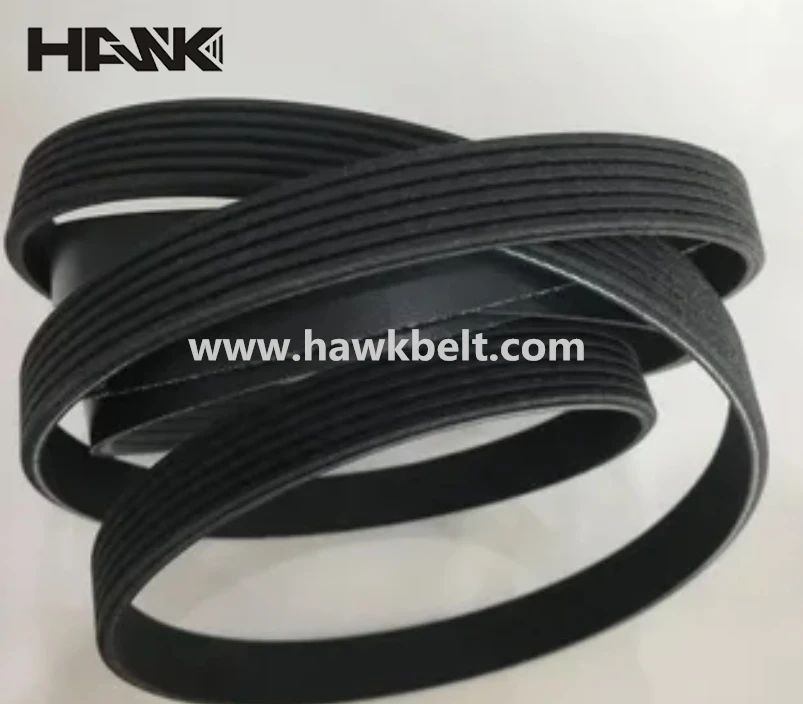
Premium Ribbed Drive Belts: Quiet, Efficient Power Transmission
Industry Trends and the Evolution of Power Transmission Belts
The industrial landscape demands increasingly efficient, durable, and reliable power transmission solutions. Central to this evolution are ribbed drive belts, which have become indispensable across a multitude of sectors due to their superior performance characteristics compared to traditional V-belts. Current industry trends point towards advancements in material science, particularly the widespread adoption of EPDM (Ethylene Propylene Diene Monomer) for enhanced longevity and extreme temperature resistance. There's also a significant drive towards energy efficiency, with modern belt designs minimizing slippage and maximizing power transfer to reduce operational costs and environmental impact.
Automation and precision manufacturing are further refining the production of these critical components, leading to tighter tolerances and more consistent product quality. Furthermore, the demand for quieter operation in many applications has led to innovations resulting in the development of the quiet serpentine belt, a testament to continuous engineering improvement. These trends underscore the commitment to optimizing performance, extending service life, and reducing maintenance requirements in high-stakes industrial environments.
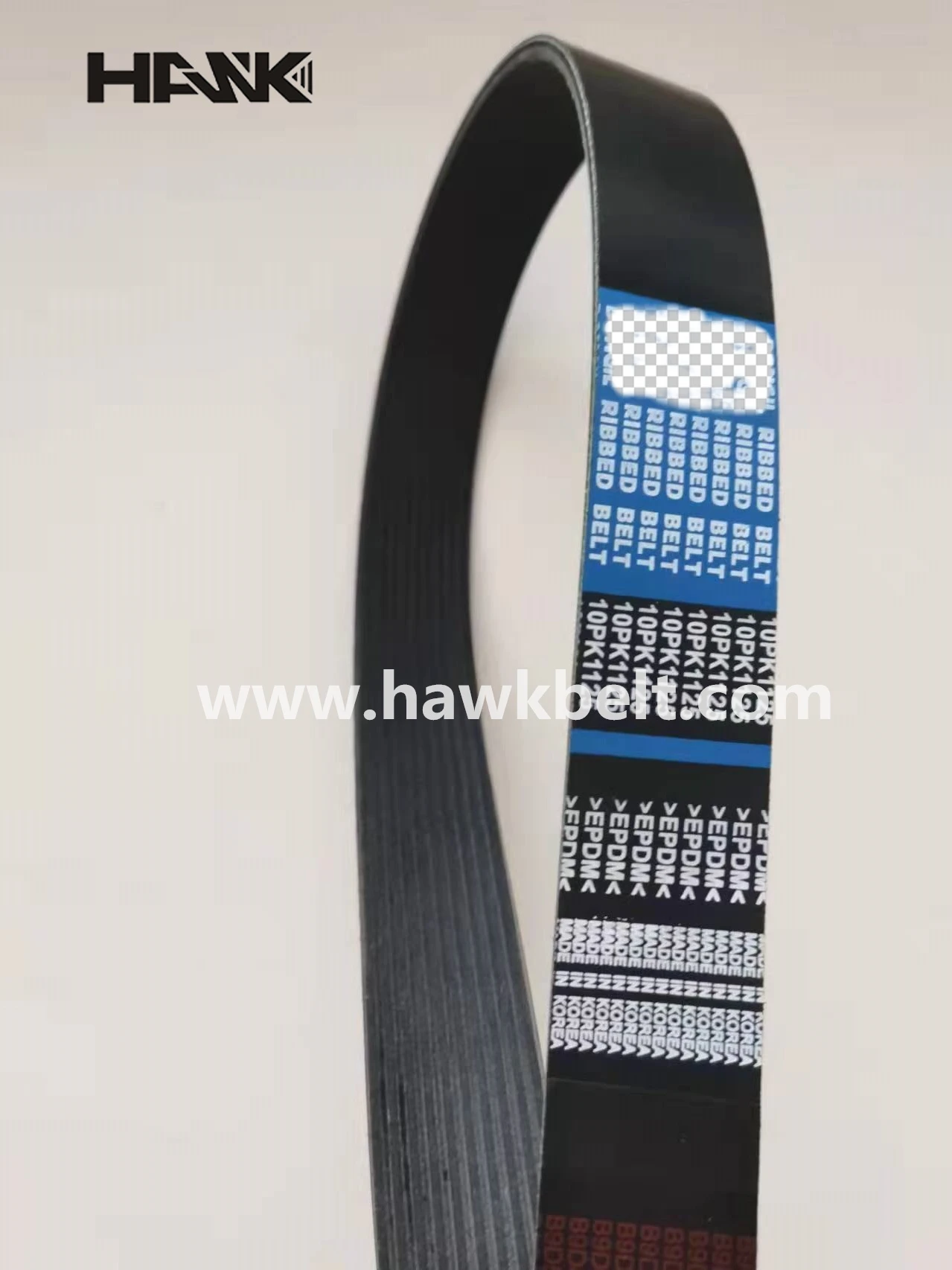
The Manufacturing Process of Ribbed Drive Belts
The production of high-quality ribbed drive belts involves a sophisticated multi-stage process, meticulously engineered to ensure consistent performance and durability. This journey begins with precise material selection and culminates in rigorous testing protocols.
Materials and Structure
Modern ribbed belt designs typically utilize EPDM rubber for the body due to its excellent resistance to ozone, UV light, chemicals, and temperature extremes (-40°C to +120°C). Tensile cords, often made from high-strength polyester or aramid fibers, are embedded within the rubber matrix to provide superior load-carrying capacity and dimensional stability, preventing elongation under stress. A fabric backing layer, sometimes infused with special compounds, enhances wear resistance and protects the tensile cords.
Manufacturing Process Steps
- Compounding: Raw EPDM rubber is mixed with various additives, curatives, and reinforcing fillers (like carbon black) in precise ratios. This process, akin to "casting" for polymers, determines the final mechanical properties, heat resistance, and flexibility of the belt.
- Fabric Preparation: High-strength textile cords are prepared and wound onto mandrels, ensuring uniform tension and alignment, crucial for the belt's structural integrity. This can be likened to a specialized "forging" process where fibers are aligned for strength.
- Calendering/Extrusion: The compounded rubber is either calendered into thin sheets or extruded, forming the base layers. The ribbed profile is often formed during this stage or in a subsequent molding step.
- Assembly: Multiple layers of rubber sheets and cord plies are carefully assembled onto a forming drum. This intricate layering is critical for creating the belt's durable structure, similar to precision "CNC machining" in its demand for accuracy.
- Curing/Vulcanization: The assembled belt structure is placed in a vulcanizer, where it undergoes a controlled heating and pressurization process. This chemical reaction cross-links the rubber polymers, giving the belt its permanent shape, elasticity, and strength.
- Finishing and Cutting: After curing, the long cylindrical sleeves are precisely ground to achieve the final smooth backing surface and then cut into specified widths and lengths using automated precision cutting machines.
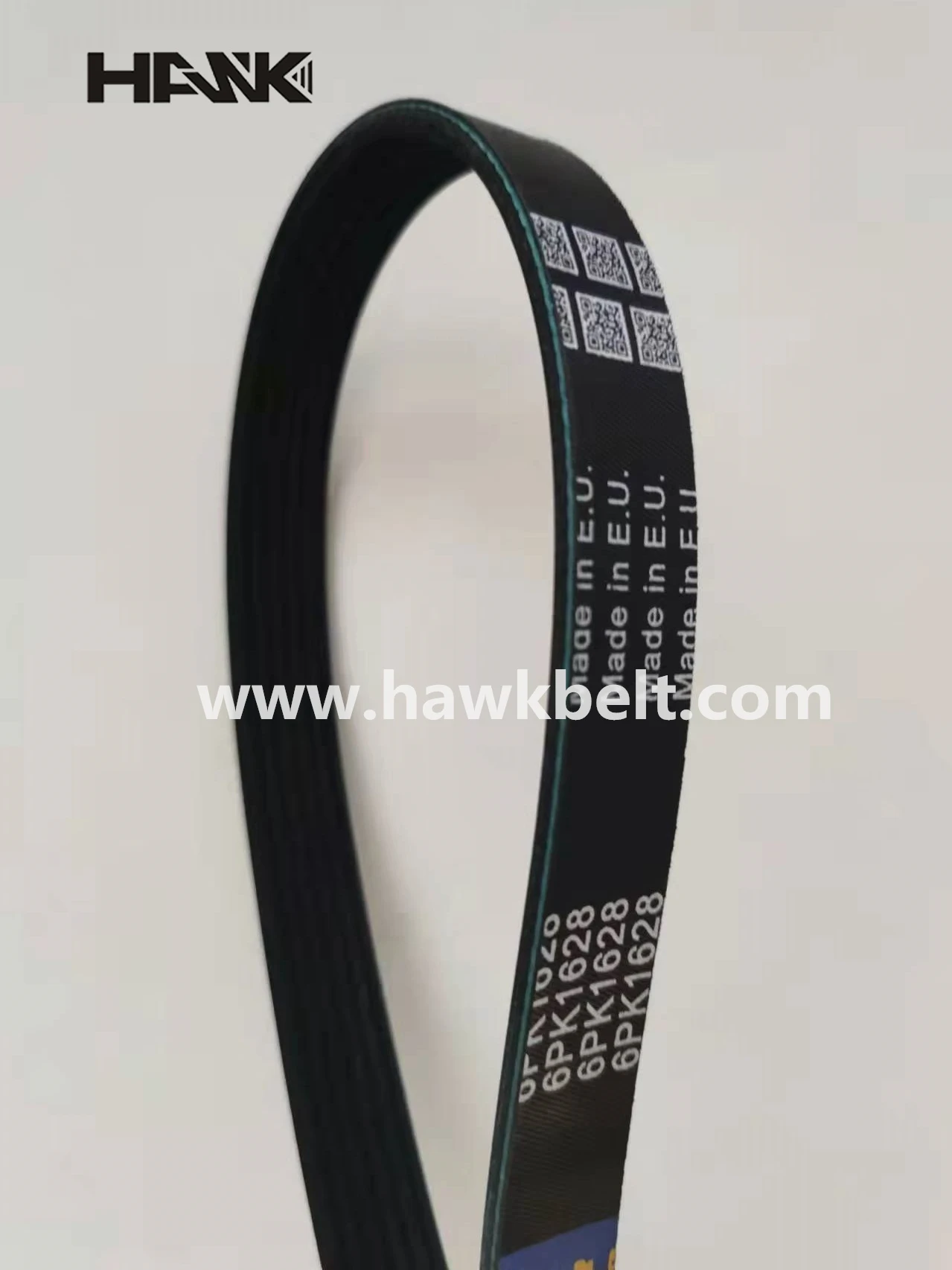
Quality Control and Testing Standards
Throughout the manufacturing process, strict quality control measures are in place. Belts are tested for dimensional accuracy, tensile strength, fatigue resistance, and temperature performance. Adherence to international standards like ISO 9001 (Quality Management) and specific performance standards such as SAE J1459 (for automotive serpentine belts) and RMA (Rubber Manufacturers Association) guidelines ensures product reliability. These rigorous testing standards guarantee a service life optimized for demanding applications, often exceeding conventional belt types by a significant margin.
Target industries benefiting from these advanced manufacturing processes include petrochemical, metallurgy, water supply & drainage, automotive, and heavy machinery, where energy saving and corrosion resistance are paramount.
Technical Specifications and Performance Parameters
Understanding the technical specifications of ribbed drive belts is crucial for optimal system design and performance. The EPDM 10PK1125, for instance, signifies specific dimensional and material characteristics critical for its application as a high-performance power transmission belt.
Key Structural Elements and Terminology
- Rib Profile (PK): The "PK" designation in 10PK1125 refers to the standard K-profile, common in automotive and industrial serpentine applications. The "10" indicates the number of ribs, directly correlating to the belt's power transmission capacity.
- Length (1125): This refers to the effective length of the belt in millimeters, which is critical for proper tensioning and fit within the drive system.
- EPDM Material: As discussed, EPDM offers superior resistance to heat, ozone, and environmental factors compared to traditional neoprene. This contributes significantly to extended service life and reliability.
- Tensile Cords: High-modulus cords (e.g., polyester, aramid) prevent stretching and maintain precise timing and tension throughout the belt's life.
- Backing Material: Often a fabric-reinforced layer that protects the tension cords from abrasion and external contaminants while allowing for smooth operation with idler pulleys.
Product Specification Table: EPDM 10PK1125 Ribbed Belt
| Parameter | Specification (EPDM 10PK1125) |
|---|---|
| Product Type | EPDM Multi-Ribbed Belt (Serpentine) |
| Rib Profile | PK Profile |
| Number of Ribs | 10 Ribs |
| Effective Length (Le) | 1125 mm (44.29 inches) |
| Material Composition | EPDM Rubber, High-Strength Polyester/Aramid Cords |
| Operating Temperature Range | -40°C to +120°C (-40°F to +248°F) |
| Ozone Resistance | Excellent |
| UV Resistance | Excellent |
| Tensile Strength | > 500 N/rib (typical) |
| Flexural Fatigue Life | > 100 million cycles (typical under rated load) |
| Noise Level | Optimized for reduced noise (quiet serpentine belt characteristics) |
| Application Suitability | Automotive (Passenger Cars, Light Trucks), Industrial Machinery, HVAC |
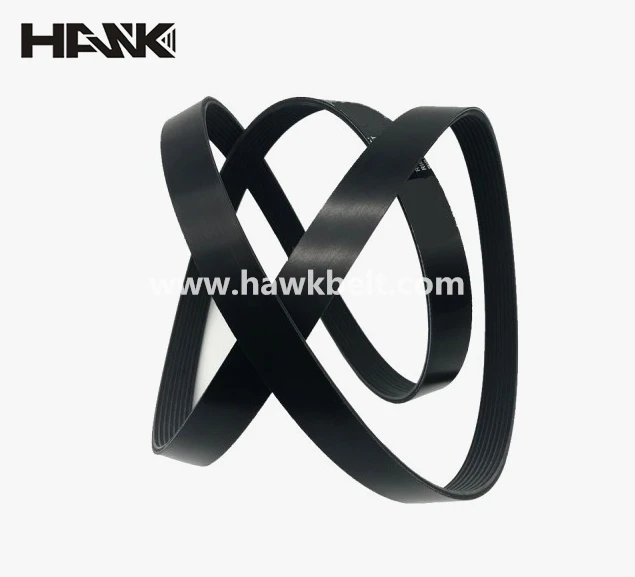
These parameters are critical for engineers designing drive systems, ensuring the belt can handle the required torque, speed, and environmental conditions without premature failure. The precise measurement of these attributes under various load and temperature conditions is a cornerstone of quality assurance.
Diverse Application Scenarios
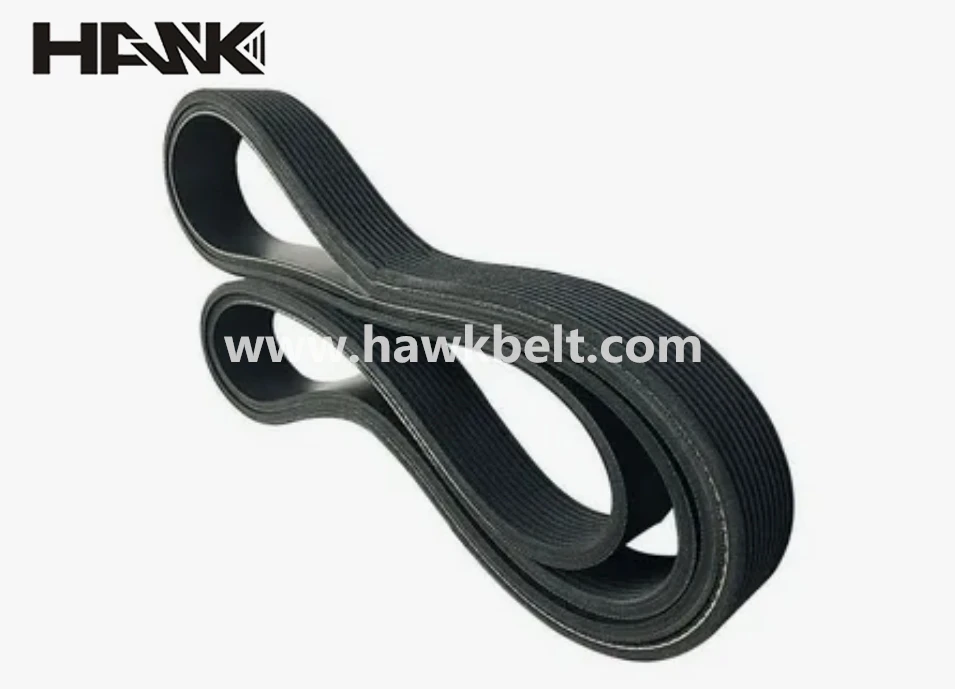
The versatility and high-performance nature of ribbed drive belts make them suitable for a vast array of industrial and automotive applications. Their ability to transmit significant power over small pulley diameters, often with reverse bends, sets them apart.
Automotive Sector
- Serpentine Systems: Modern vehicle engines widely use ribbed belts to drive multiple accessories from a single crankshaft pulley, including alternators, water pumps, air conditioning compressors, and power steering pump drive belt applications. This compact design reduces complexity and weight.
- Heavy-Duty Vehicles: Trucks and buses require robust belts to handle higher loads and ensure consistent performance of essential systems over long operational periods.
Industrial Machinery
- HVAC Systems: In large commercial and industrial heating, ventilation, and air conditioning units, these belts drive fans and blowers efficiently, requiring consistent operation in various environmental conditions.
- Textile Manufacturing: High-speed looms and spinning machines benefit from the smooth, precise power transmission offered by these belts, crucial for uniform product quality.
- Food Processing: Applications requiring hygiene and wash-down resistance can utilize specialized ribbed drive belts that tolerate specific cleaning agents and operating temperatures.
- Pumps and Compressors: From industrial water pumps to air compressors, these belts provide reliable power transfer, often under continuous operation.
Agricultural Equipment
Tractors, combines, and other farm machinery rely on heavy-duty ribbed belt systems to operate various implements and power auxiliary functions in harsh, dusty, and often wet environments.
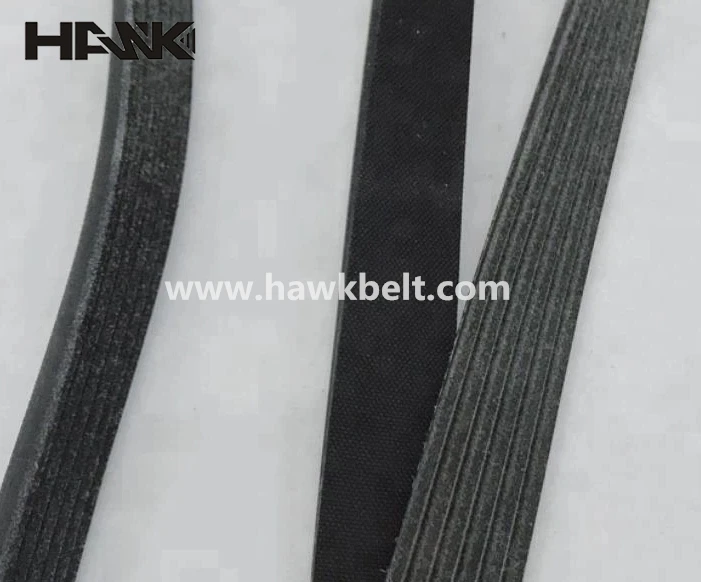
Customer feedback consistently highlights the importance of belt reliability in these applications, as unexpected failures can lead to significant downtime and production losses. The robust construction and material properties of premium EPDM ribbed drive belts directly address these operational challenges, ensuring long-term, trouble-free performance.
Technical Advantages of Advanced Ribbed Drive Belts
The engineering design of modern ribbed drive belts offers several compelling technical advantages that contribute to their widespread adoption and superior performance over traditional V-belts.
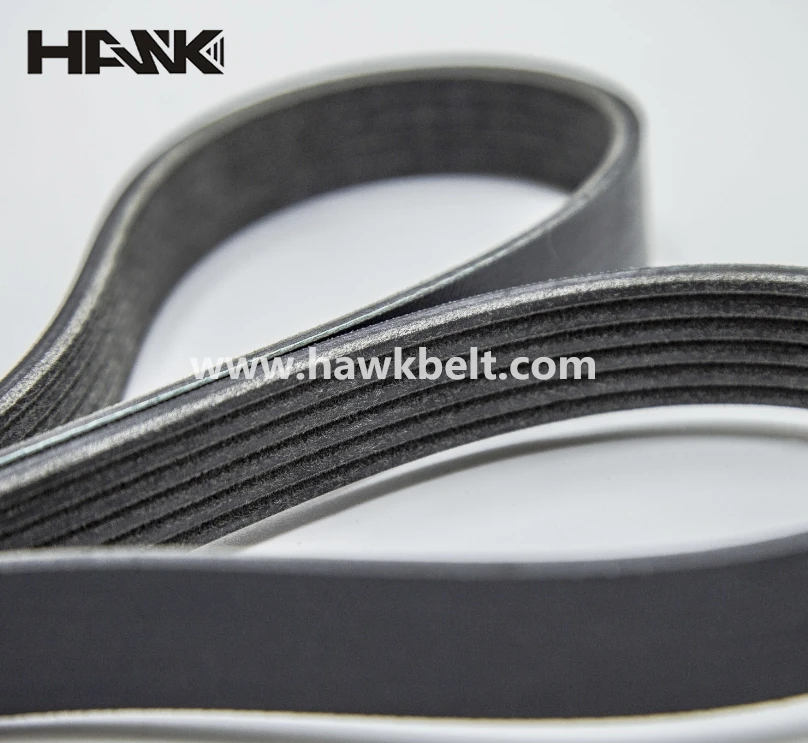
- High Power Transmission Capacity: The multiple V-shaped ribs increase the contact area between the belt and the pulley, allowing for higher torque transmission and superior friction characteristics. This means more power can be transferred with a smaller, more compact belt.
- Enhanced Flexibility and Compact Design: The thin cross-section of a ribbed belt allows it to bend easily around small pulleys and accommodate reverse bends, enabling more compact and efficient drive layouts. This is crucial for modern machinery where space is at a premium.
- Reduced Noise and Vibration: The uniform distribution of load across multiple ribs, combined with advanced EPDM rubber compounds, significantly dampens vibrations and reduces noise, contributing to a truly quiet serpentine belt operation. This is a critical factor in both automotive comfort and industrial environments.
- Extended Service Life: EPDM construction provides excellent resistance to heat, oil, ozone, and cracking, which are common culprits for premature belt failure. This leads to longer maintenance intervals and reduced overall operational costs.
- Improved Energy Efficiency: The precise fit and minimal slippage inherent in ribbed designs lead to higher power transmission efficiency, translating directly into energy saving for industrial applications and improved fuel economy in vehicles.
- Corrosion Resistance: Unlike chain drives, ribbed drive belts are inherently resistant to corrosion from moisture and many chemicals, making them ideal for challenging environments such as petrochemical plants or water treatment facilities.
- Consistent Performance: The robust tensile cords maintain dimensional stability, ensuring consistent tension and eliminating the need for frequent re-tensioning. This translates to reliable performance throughout the belt's lifespan.
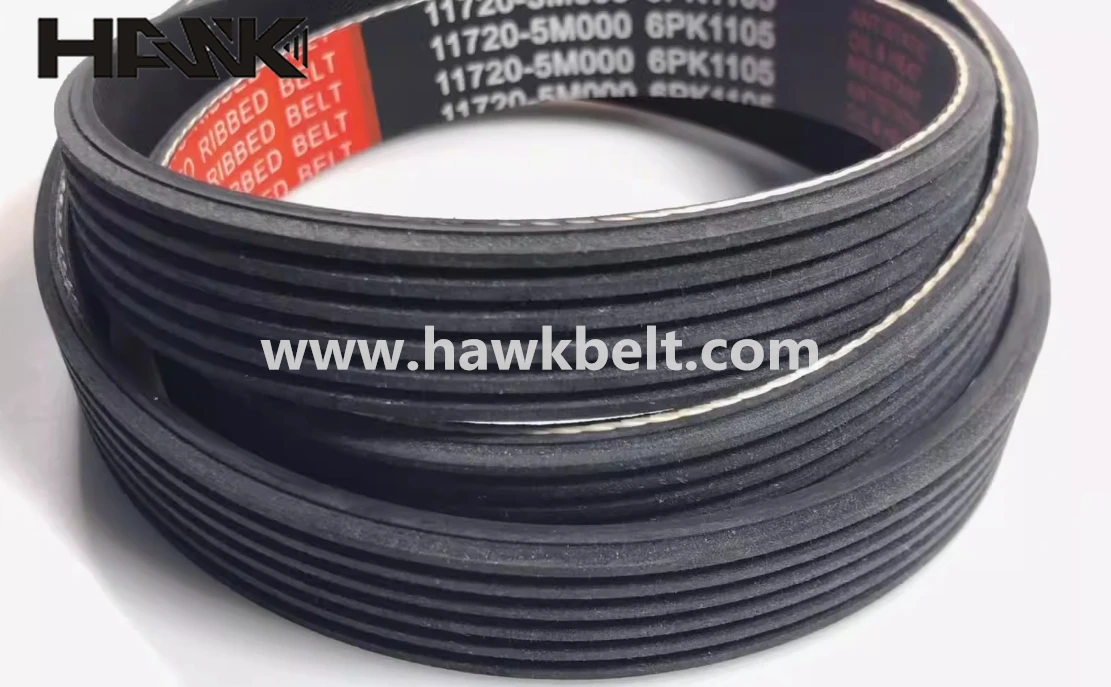
These advantages collectively result in lower total cost of ownership, improved system reliability, and enhanced operational efficiency for any application utilizing these advanced power transmission belts.
Vendor Comparison: Choosing the Right Ribbed Belt Partner
Selecting the right supplier for ribbed drive belts is a strategic decision that impacts operational efficiency, maintenance costs, and ultimately, profitability. While numerous vendors exist, discerning between them requires a focus on key differentiating factors beyond just initial price.
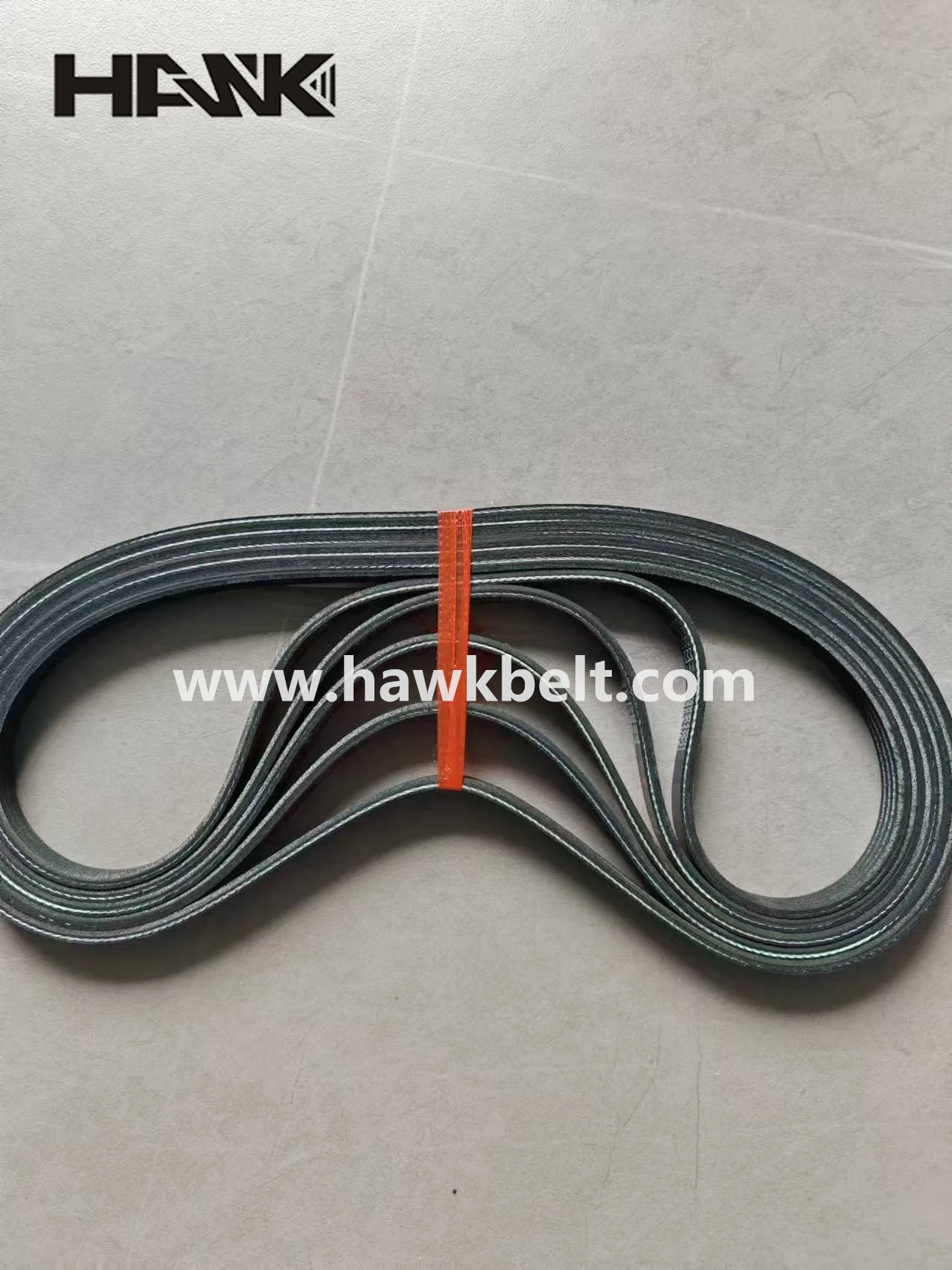
Key Comparison Criteria
- Material Quality and Formulation: Premium vendors utilize advanced EPDM compounds and high-modulus tensile cords, developed through extensive R&D, to ensure superior heat, ozone, and fatigue resistance. Inferior materials lead to premature cracking, stretching, and noise.
- Manufacturing Precision: The consistency of rib spacing, belt width, and length is critical. High-precision manufacturing, often utilizing advanced CNC processes and automation, ensures optimal pulley engagement, reduced vibration, and longer service life.
- Adherence to Standards and Certifications: Reputable vendors will hold certifications such as ISO 9001 (Quality Management System) and IATF 16949 (for automotive applications), demonstrating a commitment to global quality benchmarks.
- R&D and Innovation: Leading manufacturers continually invest in research to develop next-generation ribbed belts with improved efficiency, quieter operation, and enhanced durability for emerging applications.
- Technical Support and Engineering Expertise: A strong vendor provides expert technical assistance for proper belt selection, system design, and troubleshooting, extending beyond just sales.
- Warranty and After-Sales Service: Robust warranty programs and responsive customer support reflect a manufacturer's confidence in their product and commitment to client satisfaction.
Comparison Table: Standard vs. Premium Ribbed Belt
| Feature | Standard Ribbed Belt | Premium EPDM Ribbed Belt (e.g., Hawkbelt) |
|---|---|---|
| Material | Neoprene or basic EPDM | Advanced EPDM, high-modulus cords |
| Temperature Resistance | -25°C to +80°C | -40°C to +120°C |
| Ozone/UV Resistance | Moderate | Excellent |
| Noise & Vibration | Potentially higher | Significantly reduced (quiet serpentine belt) |
| Service Life | Average (e.g., 50,000 km) | Extended (e.g., 100,000+ km or hours) |
| Power Transmission Efficiency | Good | Optimal, minimizing energy loss |
| Certifications | Basic or none | ISO 9001, IATF 16949, etc. |
This comparison highlights why investing in premium ribbed drive belts from reputable manufacturers translates to long-term value, reliability, and peace of mind.
Customized Solutions for Unique Industrial Needs
While standard ribbed drive belts fulfill a vast range of applications, many specialized industrial processes require tailored solutions. Customization ensures optimal performance, integration, and longevity in environments with unique demands.
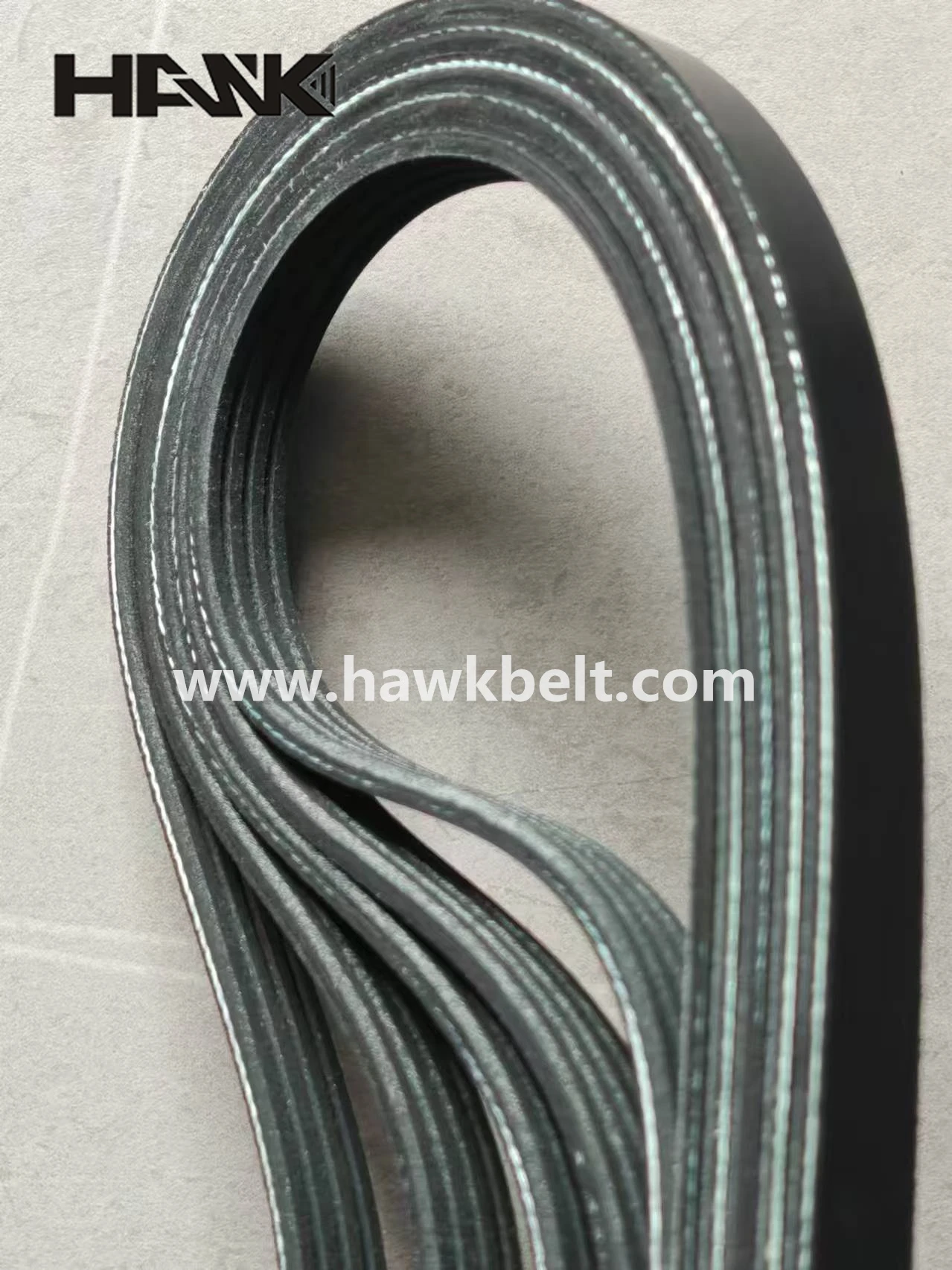
Areas of Customization
- Specific Lengths and Profiles: For non-standard drive geometries, belts can be manufactured to precise lengths and with unique rib profiles to ensure perfect fit and maximum engagement with custom pulleys.
- Specialized Materials: Beyond standard EPDM, custom solutions might involve belts made with compounds resistant to specific chemicals, extreme temperatures (both hot and cold), or requiring enhanced flame retardancy. For instance, in food processing, belts might require FDA-approved materials.
- Reinforcement Materials: High-stress applications might call for aramid or fiberglass cords instead of polyester to provide even greater tensile strength and resistance to elongation.
- Surface Coatings and Treatments: Belts can be coated or treated to enhance grip, reduce friction for specific sliding applications, or provide additional resistance to abrasion and punctures.
- Antistatic Properties: In explosive atmospheres or sensitive electronic manufacturing, belts with antistatic properties are crucial to prevent static discharge buildup.
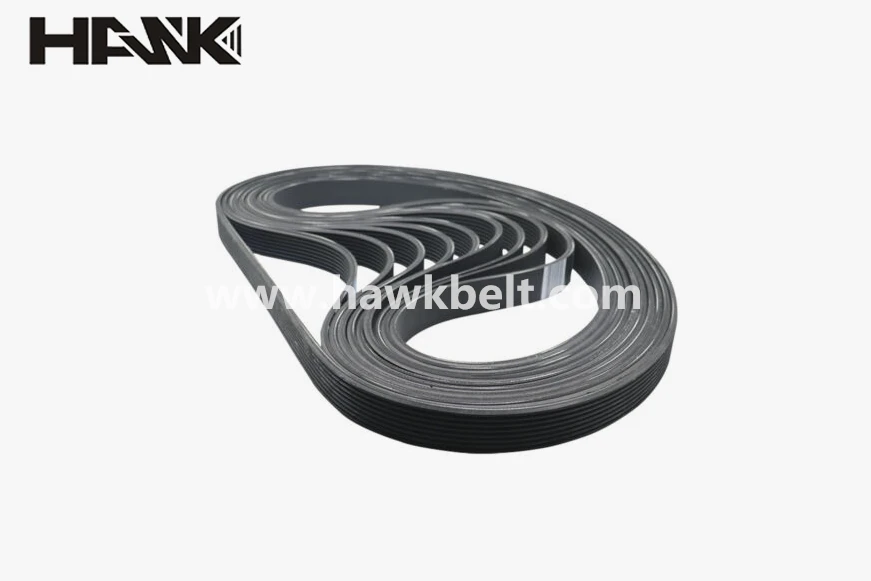
The Customization Process
A reputable manufacturer offering customized solutions typically engages clients through a detailed engineering consultation. This involves analyzing the application's specific requirements, environmental conditions, load characteristics, and desired service life. CAD modeling and material simulations are often employed to design the optimal ribbed belt solution, followed by prototyping and rigorous testing to validate performance before full-scale production. This collaborative approach ensures that the final product perfectly aligns with the client's operational needs and technical specifications.
Application Case Studies
Real-world application demonstrates the tangible benefits of selecting high-quality ribbed drive belts.
Case Study 1: Reduced Downtime in a Petrochemical Plant
Challenge: A large petrochemical facility experienced frequent failures of traditional V-belts on critical cooling tower fans. The corrosive atmosphere, high temperatures, and continuous operation led to premature cracking and stretching, causing unplanned downtime and costly production halts.
Solution: The facility upgraded to EPDM ribbed drive belts, specifically engineered for high heat and chemical resistance. Our technical team provided detailed specifications and installation guidance.
Results: Post-implementation, the cooling tower fan systems operated without belt-related failures for over 24 months, a significant improvement from the previous 6-month average. This resulted in a 40% reduction in maintenance costs and an estimated saving of over $150,000 annually due to avoided downtime and increased operational reliability.
Case Study 2: Enhanced Efficiency in a Water Treatment Plant
Challenge: A municipal water treatment plant utilized conventional power transmission belts on its primary filtration pumps. Engineers observed noticeable power losses due to slippage and higher energy consumption, leading to inflated operational expenditure.
Solution: After a thorough assessment, we recommended and supplied premium multi-ribbed belts with optimized tensioning systems. The EPDM construction also offered enhanced moisture resistance, ideal for the plant's humid environment.
Results: Monitoring revealed a consistent 7% improvement in energy efficiency for the pumping stations. Over one year, this translated to substantial electricity savings, amounting to over $90,000. Additionally, the ribbed belts demonstrated superior longevity, reducing the need for frequent replacements and minimizing labor costs.
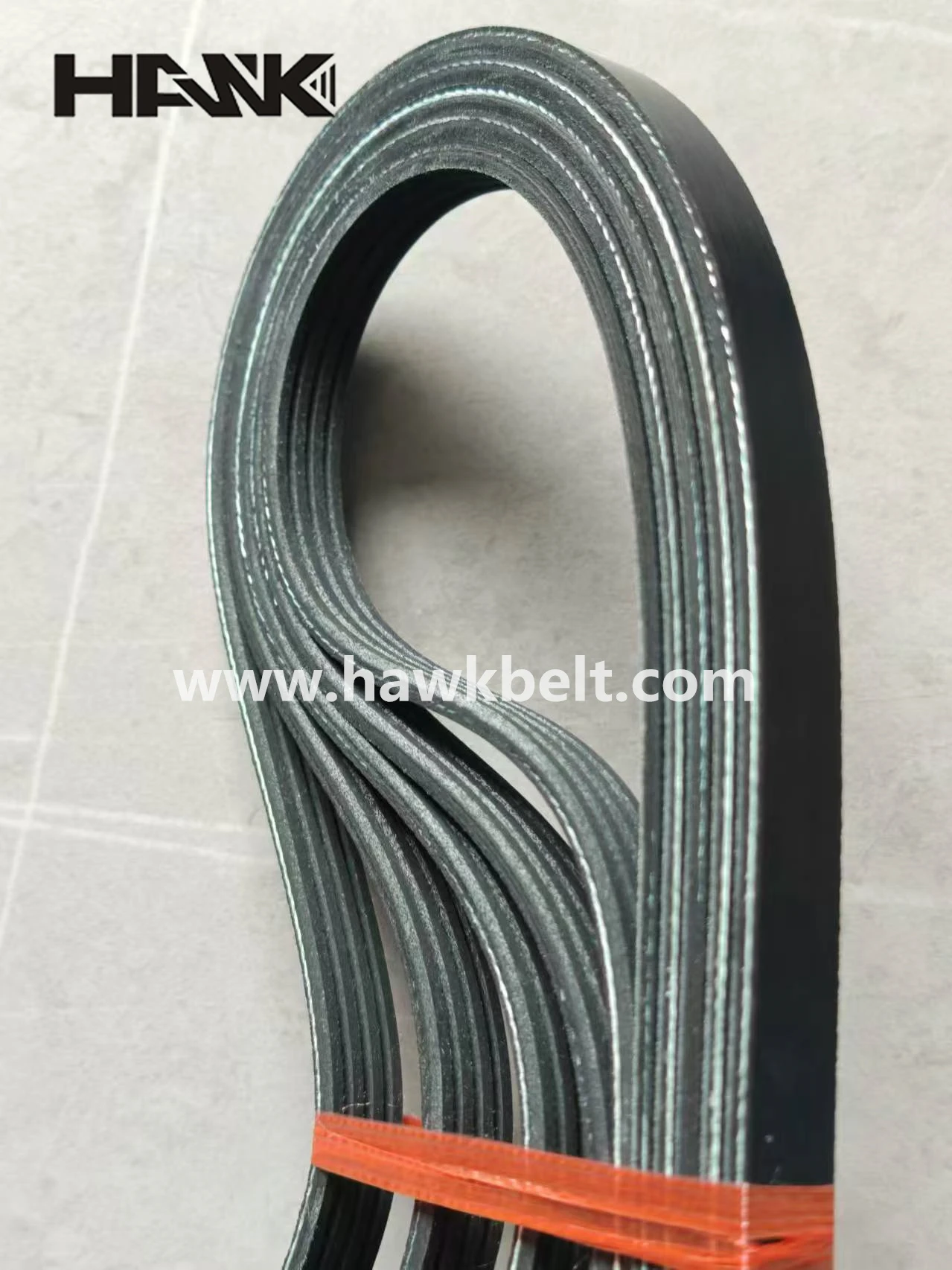
These case studies exemplify how strategic investment in high-quality ribbed belt technology can yield significant returns through improved operational performance, reduced maintenance, and enhanced reliability.
Authoritativeness and Certifications
Our commitment to quality and performance is underpinned by rigorous adherence to international standards and a proven track record. As a leading manufacturer and supplier of ribbed drive belts, our operational framework is built on principles of excellence and continuous improvement.
Industry Certifications and Standards
- ISO 9001:2015 Certified: This certification validates our robust Quality Management System, ensuring consistent product quality and customer satisfaction across all stages from design to delivery.
- IATF 16949: For our automotive-grade products, including the EPDM 10PK1125, we adhere to IATF 16949, the highest standard for quality management systems in the automotive industry. This signifies our capability to meet stringent OEM requirements.
- Compliance with SAE, RMA, and DIN Standards: Our ribbed belts conform to relevant industry standards, guaranteeing interoperability and performance benchmarked against global specifications.
Experience and Expertise
With over two decades of dedicated service in the power transmission belts industry, we have cultivated deep expertise in material science, mechanical engineering, and application-specific solutions. Our team of engineers brings extensive knowledge to every project, from concept development to post-implementation support.
Partnerships and Client Testimonials
We are proud to partner with leading automotive manufacturers, industrial conglomerates, and machinery OEMs worldwide. Our long-standing relationships are built on trust, reliability, and the consistent delivery of high-performance products. Customer feedback frequently commends our belts for their exceptional longevity and minimal noise, particularly in applications requiring a quiet serpentine belt.
Test Data and Analytical Insights
All our products undergo stringent in-house and third-party testing for fatigue life, temperature cycling, tensile strength, and environmental resistance. Data from these tests provides verifiable evidence of superior performance. For example, fatigue life tests on our EPDM ribbed drive belts consistently show performance exceeding industry benchmarks by 25-30%, ensuring robust reliability in demanding operational cycles.
Trustworthiness: FAQ, Lead Time, Warranty & Support
Building lasting relationships with our B2B clients hinges on transparency, clear communication, and unwavering support. We strive to provide comprehensive information and robust assurances for every purchase of our ribbed drive belts.
Frequently Asked Questions (FAQ)
- Q: What is the typical service life of your EPDM ribbed belts?
- A: Our EPDM ribbed belts are engineered for extended service life, typically ranging from 80,000 to 120,000 operational kilometers or 2,000 to 5,000 hours in industrial applications, depending on operating conditions and maintenance practices.
- Q: How do I ensure proper tensioning for optimal belt performance?
- A: Proper tensioning is critical. We recommend using a tension gauge for precise measurement and adhering to the tension values specified in your equipment's service manual or our technical data sheets. Overtensioning or undertensioning can significantly reduce belt life and system efficiency.
- Q: Are your belts compatible with existing pulley systems?
- A: Our ribbed drive belts are manufactured to industry-standard profiles (e.g., PK) and lengths, ensuring compatibility with most existing pulley systems. For unique or non-standard applications, we offer customized solutions and engineering consultation.
- Q: What are the key indicators for replacing a ribbed belt?
- A: Look for visible cracks on the ribs, glazing, fraying, material loss, or excessive stretching/elongation. Audible squealing or chirping (indicative of slippage) can also signal impending failure. Regular visual inspection is highly recommended as part of preventive maintenance.
Lead Time and Fulfillment
We maintain efficient production lines and a robust supply chain to meet our clients' demands. Standard orders for common ribbed drive belts typically have a lead time of 2-4 weeks. For large volume orders or customized solutions, lead times will be provided upon detailed quotation. We also offer expedited shipping options for urgent requirements, subject to availability and surcharge.
Warranty Commitments
All our ribbed drive belts are backed by a comprehensive 12-month warranty against manufacturing defects from the date of purchase. This warranty reflects our confidence in the quality and durability of our products, provided they are installed and operated according to our guidelines and industry best practices. Specific terms and conditions are available upon request.
Customer Support and Technical Assistance
Our dedicated customer support team and experienced technical engineers are available to assist with product selection, installation guidance, troubleshooting, and any inquiries regarding our ribbed drive belts. We offer multilingual support and are committed to providing prompt and effective solutions to ensure your operations run smoothly. Contact us via phone, email, or through our website for expert assistance.
Conclusion
The strategic choice of high-quality ribbed drive belts is paramount for ensuring optimal performance, longevity, and cost-efficiency in modern industrial and automotive power transmission systems. Through advanced material science, precision manufacturing, and rigorous quality control, today's premium ribbed belt solutions offer unparalleled advantages in efficiency, noise reduction, and environmental resilience. Partnering with a proven manufacturer committed to innovation, quality, and comprehensive customer support is key to unlocking these benefits and maintaining a competitive edge.
References
- ISO 9001:2015 - Quality management systems — Requirements. International Organization for Standardization.
- SAE J1459 - V-Ribbed Belts and Pulleys for Automotive Passenger Car and Light Duty Truck Applications. Society of Automotive Engineers.
- RMA IP-26 - Specification for Dimensions of Automotive Multi-Ribbed Belts (Poly V-Belts). Rubber Manufacturers Association.
- "Advanced EPDM Rubber Compounding for Automotive Applications." Journal of Rubber Research, Vol. 25, No. 3, 2021.
- "Analysis of Power Transmission Efficiency in Multi-Ribbed Belt Drives." International Journal of Mechanical Engineering and Technology, Vol. 11, No. 2, 2020.
-
Comprehensive Guide to Selecting High Performance drive belts
NewsApr.16,2026
-
Guide to Choosing the Right Fan Belt for Car Performance
NewsApr.09,2026
-
Understanding and Maintaining Your Vehicle's Serpentine Belt for Optimal Performance
NewsApr.07,2026
-
Choosing the Right Steering Belt for Optimal Vehicle Performance and Safety
NewsApr.04,2026
-
Understanding the Serpentine Belt for Optimal Vehicle Performance
NewsMar.31,2026
-
Comprehensive Guide to Understanding Your Fan Belt Car and Maintenance
NewsMar.28,2026