

Sep . 19, 2025 15:45 Back to list
Premium Fan Belt Truck & Car: Durable Serpentine & Steering Belts
Introduction to Drive Belt Systems in Commercial Vehicles
In the realm of heavy-duty transportation and industrial machinery, the reliability of power transmission components is paramount. Central to the operation of critical auxiliary systems—from alternators and water pumps to power steering and air conditioning—is the drive belt. Specifically, the fan belt truck plays a vital role in ensuring uninterrupted performance and operational efficiency. Unlike the simpler designs of the past, modern drive belts are engineered for extreme durability, efficiency, and longevity, capable of enduring the rigorous demands of commercial applications.
This comprehensive overview delves into the technical intricacies, application benefits, and strategic considerations for procuring high-quality drive belts for trucks and other heavy vehicles. We will explore manufacturing precision, material science, industry trends, and the critical importance of selecting components that meet stringent performance and safety standards.
Current Industry Trends and Innovations
The market for automotive and industrial drive belts is continuously evolving, driven by advancements in material science, stringent environmental regulations, and the demand for greater operational efficiency. Key trends include:
- Enhanced Durability: The shift towards EPDM (Ethylene Propylene Diene Monomer) compounds offers superior resistance to heat, ozone, and chemicals, significantly extending service life compared to traditional Neoprene belts. This is crucial for heavy-duty applications where operational temperatures can be extreme.
- Optimized Power Transmission: Advanced rib profiles and manufacturing precision minimize slippage and maximize power transfer, contributing to fuel efficiency and reduced wear on associated components. This is especially pertinent for multi-accessory drive systems utilizing a single fan belt truck, also known as the serpentine belt.
- Reduced Noise, Vibration, and Harshness (NVH): Innovative belt constructions and tensioner designs aim to minimize NVH levels, enhancing driver comfort and reducing component fatigue in long-haul operations.
- Sensor Integration: Emerging technologies involve integrating sensors into belts or tensioners to monitor wear, tension, and temperature in real-time, enabling predictive maintenance and preventing costly breakdowns.
- Lightweighting: Manufacturers are exploring materials and designs that reduce belt mass without compromising strength, contributing to overall vehicle weight reduction and improved fuel economy.
These trends underscore the importance of selecting modern, high-performance belts engineered to meet the demands of today's sophisticated truck engines and auxiliary systems.
Technical Specifications: V-Ribbed Belt 3PK770
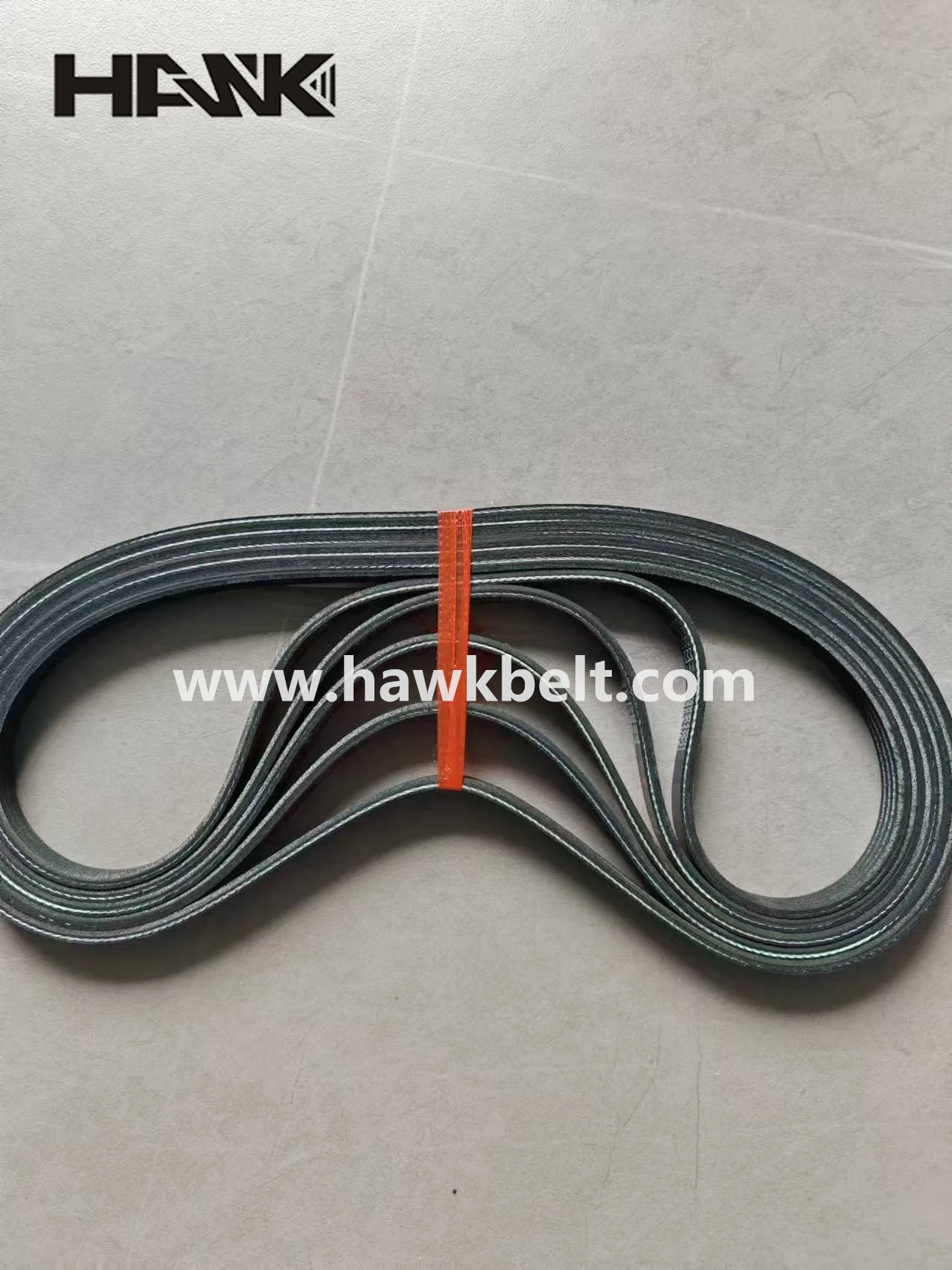
The V-Ribbed Belt 3PK770 Automobile Drive PK Belt is a prime example of a component designed for demanding applications. This belt designation indicates a specific configuration and length:
- '3PK': Refers to a V-ribbed belt with three longitudinal ribs. This multi-rib design allows for greater flexibility, increased contact area with pulleys, and efficient power transmission compared to traditional V-belts.
- '770': Denotes an effective length of 770 millimeters. This precise measurement ensures proper tensioning and fit within the engine's accessory drive system.
Key Product Specifications for a High-Performance PK Belt
| Parameter | Specification (Typical for 3PK770 EPDM) |
|---|---|
| Belt Type | V-Ribbed (PK Profile) |
| Number of Ribs | 3 |
| Effective Length | 770 mm (30.3 inches) |
| Material Composition | EPDM (Ethylene Propylene Diene Monomer) with high-strength polyester tension members |
| Operating Temperature Range | -40°C to +120°C (-40°F to +248°F) |
| Tensile Strength | > 2500 N per rib (typical for industrial grade) |
| Abrasion Resistance | Excellent (ISO 4649 compliant) |
| Ozone Resistance | Superior (ASTM D1149 compliant) |
| Standard Compliance | SAE J1459, DIN 7867, ISO 9001:2015 manufacturing |
Understanding these parameters is crucial for engineers and procurement specialists to ensure component compatibility and optimal system performance for any fan belt truck application. These belts are designed to handle high loads and continuous operation, differentiating them from standard fan belt car alternatives.
Detailed Manufacturing Process Flow
The production of a high-quality fan belt truck involves a meticulous multi-stage manufacturing process, ensuring precision, durability, and consistent performance:
- Material Selection & Preparation:
- Elastomer Compound: High-grade EPDM rubber is chosen for its superior heat, ozone, and chemical resistance. This material is blended with various additives (carbon black, accelerators, anti-degradants) to achieve specific mechanical properties.
- Tension Members: High-modulus, low-stretch polyester or aramid cords are selected for their excellent tensile strength and dimensional stability. These cords provide the belt's backbone, preventing elongation under load.
- Friction Fabric (Optional): A woven fabric layer (e.g., cotton-polyester blend) may be applied to the cover for enhanced abrasion resistance and noise reduction.
- Calendering and Layer Assembly:
- The EPDM compound is calendered into thin sheets. The tension cords are precisely laid into the rubber matrix at a specific pitch and tension. These layers are then assembled onto a cylindrical mold, carefully integrating the cords between the rubber layers.
- Forming and Curing (Vulcanization):
- The multi-layered belt sleeve is placed into a vulcanization press. Under controlled temperature and pressure, the rubber compound undergoes a chemical cross-linking process (vulcanization), transforming it from a plastic-like material into a durable, elastic rubber. This process imparts the final mechanical properties and shape to the belt.
- Precision Grinding and Rib Forming:
- After curing, the wide belt sleeve is precision-ground to create the specific V-rib profile (e.g., PK profile) and to achieve the exact nominal width. This is a critical step, ensuring precise rib spacing and angle for optimal pulley engagement and minimal slippage.
- Slitting and Finishing:
- The wide, ribbed sleeve is then slit into individual belts of the required width and length (e.g., 3PK770). Specialized cutting tools ensure clean, burr-free edges.
- Quality Control and Testing:
- Each batch undergoes rigorous testing to meet industry standards (e.g., ISO 9001, SAE J636, ANSI/RMA IP-24). Tests include dimensional accuracy, tensile strength, fatigue life, heat resistance, and noise characteristics. Only belts meeting these strict criteria are approved for dispatch.
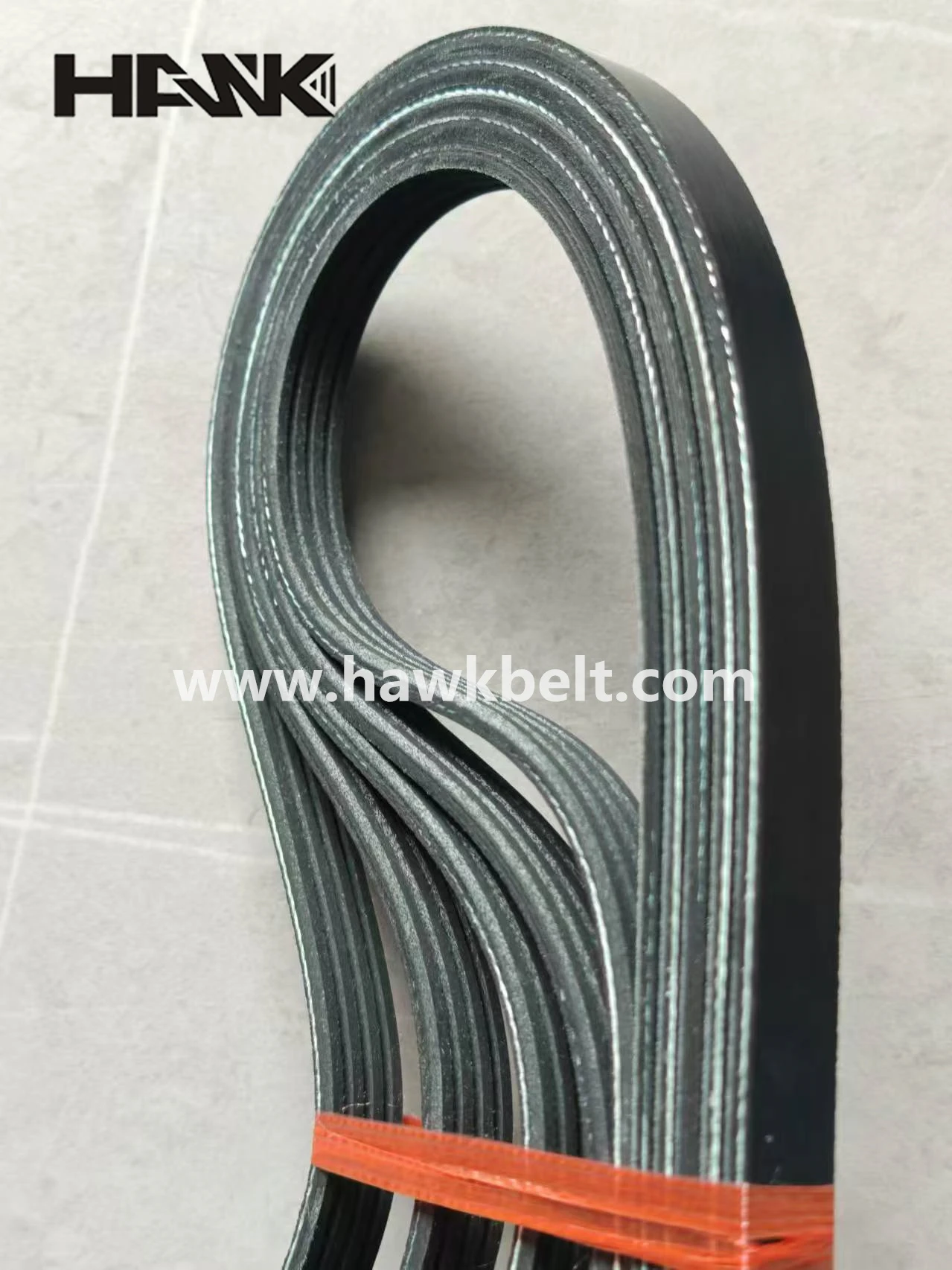
This meticulous process ensures that each fan belt truck product delivers exceptional service life and reliability, often exceeding 100,000 miles under normal operating conditions. Target industries such as petrochemical, metallurgy, and water supply & drainage benefit from the energy saving and corrosion resistance inherent in these high-quality components.
Application Scenarios and Target Industries
The versatility and robustness of modern V-ribbed belts make them indispensable across a wide array of heavy-duty applications. A high-performance fan belt truck is designed to operate reliably in diverse and challenging environments:
- Commercial Transportation: Crucial for driving alternators, water pumps, air conditioning compressors, and power steering pumps in Class 8 trucks, buses, and delivery vehicles. Ensuring consistent power to these auxiliaries is critical for vehicle operation and driver safety.
- Construction & Mining: Used in heavy machinery like excavators, loaders, bulldozers, and dump trucks, where belts must withstand extreme dust, dirt, temperature fluctuations, and continuous high-load operations. Their resilience directly impacts equipment uptime.
- Agricultural Equipment: Tractors, combines, and other farm machinery rely on robust drive belts for power transmission to various implements and engine accessories, often operating in harsh outdoor conditions.
- Petrochemical & Oil & Gas: In these industries, equipment often operates in environments exposed to corrosive chemicals, extreme temperatures, and flammable substances. Belts engineered for corrosion resistance and high thermal stability are essential for safety and reliability.
- Metallurgy & Heavy Manufacturing: Cranes, conveyors, and various processing machinery demand belts capable of handling high torque and shock loads, often in dusty, hot, or abrasive conditions.
- Water Supply & Drainage: Pumping stations and water treatment facilities utilize industrial drive systems where long-life, maintenance-free belts are preferred to ensure continuous operation of critical pumps and blowers.
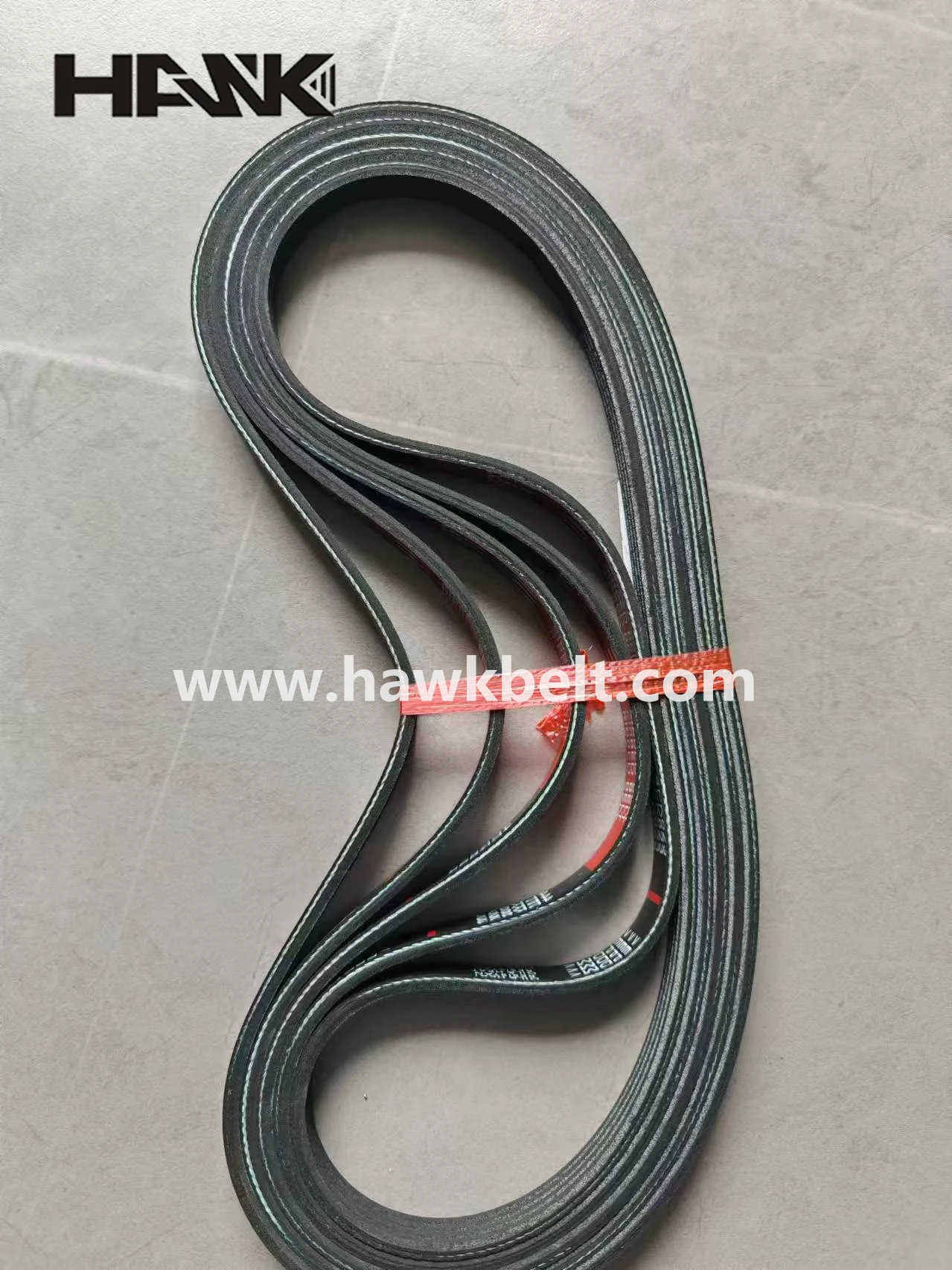
Whether it's the main serpentine belt driving multiple accessories, a dedicated steering belt, or a car transmission belt in specialized vehicles, the application demands precision-engineered components that can withstand constant stress and deliver consistent performance.
Technical Advantages and Performance Benefits
Investing in high-quality V-ribbed belts for heavy vehicles yields significant technical and operational advantages:
- Superior Energy Efficiency: The precise rib profile and EPDM compound reduce slippage, ensuring near-optimal power transfer from the engine to accessories. This minimizes wasted energy, leading to measurable fuel savings over the lifetime of the vehicle. Industry studies suggest that efficient belt systems can contribute to a 0.5-1% improvement in fuel economy.
- Extended Service Life: EPDM's inherent resistance to heat, ozone, and environmental contaminants significantly prolongs belt life. This reduces maintenance frequency, lowers replacement costs, and minimizes vehicle downtime. Compared to older Neoprene belts, EPDM belts can offer up to a 50% longer lifespan.
- Enhanced Durability and Reliability: High-strength polyester cords resist elongation and degradation under extreme loads and temperatures, maintaining optimal tension and preventing premature failure. This is critical for demanding commercial operations where unexpected breakdowns are costly.
- Corrosion and Chemical Resistance: EPDM material provides excellent resistance to oil, grease, coolants, and other automotive fluids, making these belts suitable for harsh engine bay environments and chemical processing industries.
- Reduced Noise and Vibration: Precision manufacturing and advanced materials contribute to quieter operation and reduced vibration, improving driver comfort and extending the life of auxiliary components like bearings and tensioners.
- Wide Temperature Operating Range: Designed to perform consistently from extreme cold to intense heat, ensuring reliable starts and continuous operation regardless of climatic conditions.
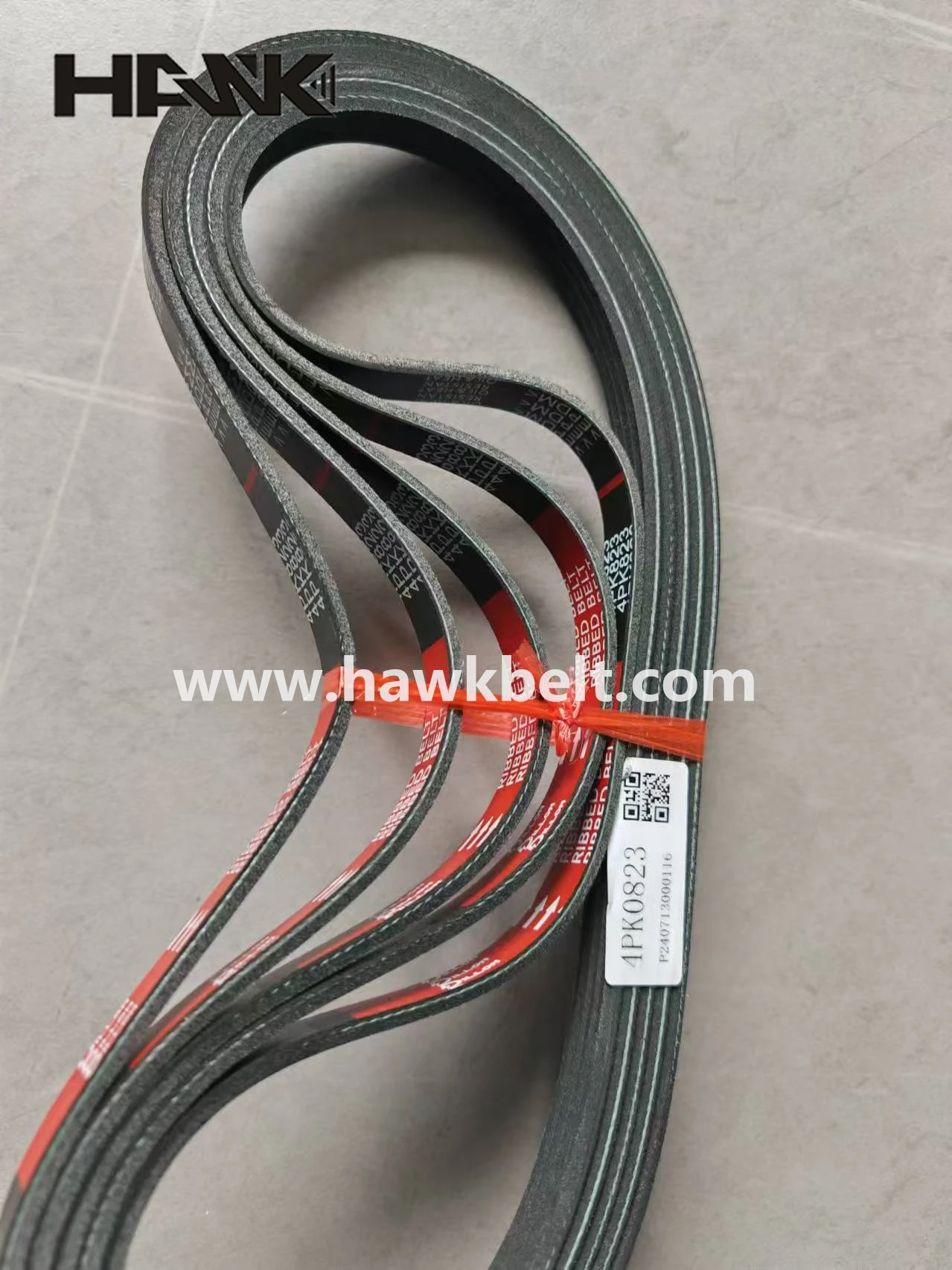
These advantages translate directly into lower total cost of ownership (TCO) for fleet operators and industrial clients, making the choice of a robust fan belt truck a strategic decision.
Vendor Comparison and Customized Solutions
When sourcing industrial-grade drive belts, B2B decision-makers must consider several factors beyond initial cost. A comprehensive vendor comparison focuses on quality, technical support, customization capabilities, and long-term value. Selecting a reputable manufacturer with a strong track record and adherence to international standards (e.g., ISO/TS 16949, ISO 9001) is paramount.
Key Factors for Vendor Comparison
| Factor | High-Value Vendor Profile | Commodity Vendor Profile (Avoid) |
|---|---|---|
| Material Quality | Uses premium EPDM compounds, high-tensile polyester/aramid cords. Verifiable material certifications. | Often uses lower-grade Neoprene or recycled materials; ambiguous material specs. |
| Manufacturing Precision | Advanced CNC machining, strict dimensional tolerances, ISO certified processes. | Lesser precision, higher variance in length/width, potentially manual processes. |
| Testing Standards | Adherence to SAE, DIN, ISO, RMA standards. Comprehensive in-house R&D and QA. | Minimal testing, often only basic functional checks, limited compliance certifications. |
| Customization | Offers specific lengths, rib counts, material blends for niche applications, branding options. | Limited standard sizes only, no flexibility for specific customer needs. |
| Technical Support | Dedicated engineering support, application guidance, failure analysis. | Basic sales support, limited or no technical expertise. |
| Warranty & Service | Comprehensive warranty, clear lead times, robust after-sales service. | Short or unclear warranty, often difficult to get support for issues. |
Customized Solutions
Beyond standard specifications like the 3PK770, leading manufacturers offer bespoke solutions tailored to unique operational demands. This includes:
- Specialized Lengths & Profiles: Development of belts with non-standard lengths or rib configurations for custom machinery or retrofitting older equipment.
- Extreme Environment Materials: Belts formulated with specialized elastomers (e.g., HNBR, AEM) for applications involving higher temperatures, aggressive chemicals, or specific fluid exposure not covered by standard EPDM.
- Anti-Static Properties: Belts designed to dissipate static electricity, critical in explosive environments (e.g., grain handling, certain chemical processes).
- Branding and Packaging: Custom branding, labeling, and packaging options for OEM clients or distributors.
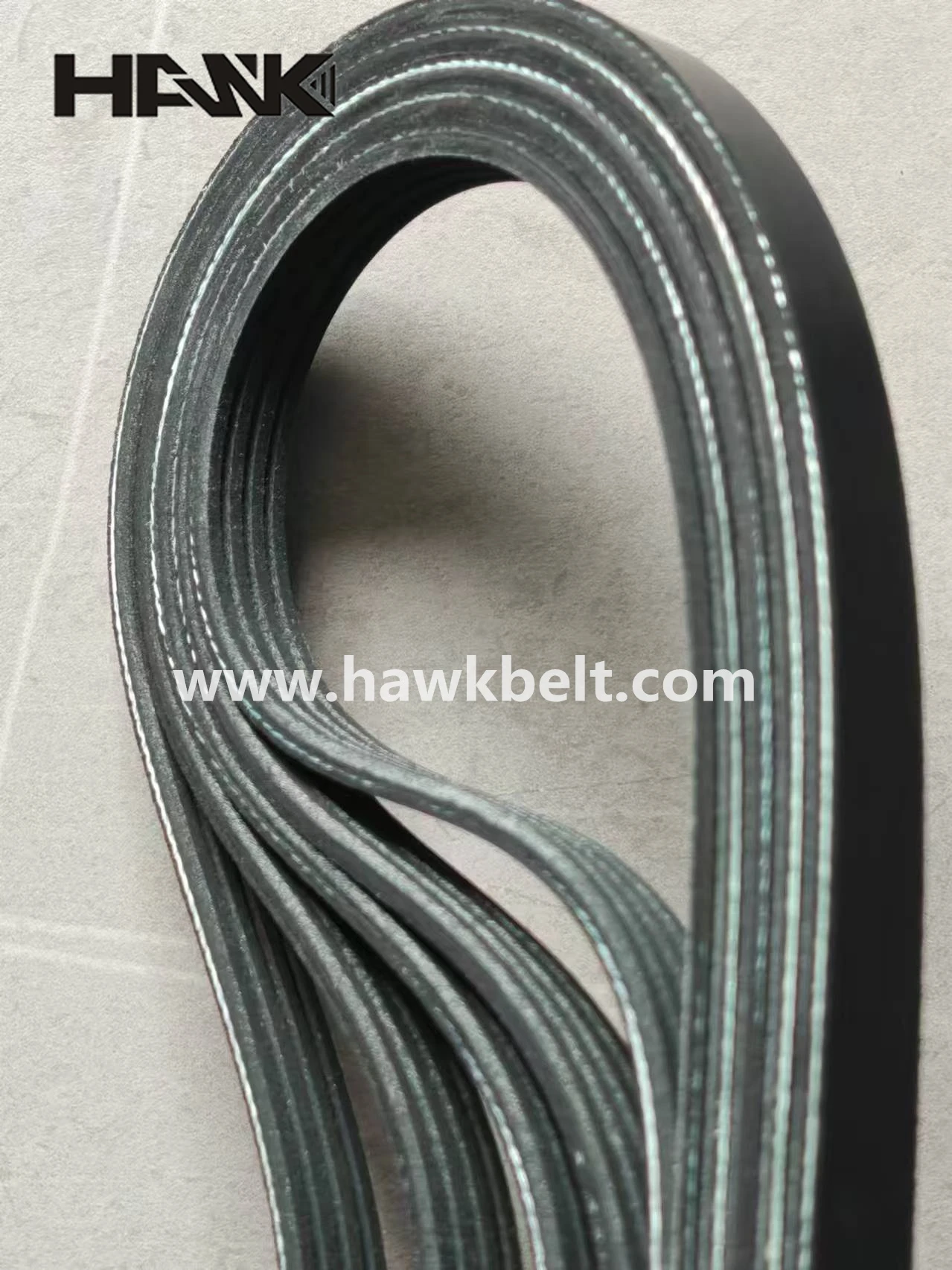
These customized solutions highlight the expertise and flexibility of a top-tier supplier, offering significant value to businesses with specific engineering challenges.
Application Case Studies
Real-world applications demonstrate the tangible benefits of high-performance V-ribbed belts:
- Case Study 1: Logistics Fleet Optimization
A major North American logistics company, operating a fleet of 500 heavy-duty trucks, faced recurring issues with premature belt failure (every 60,000 miles) using standard Neoprene belts. After switching to EPDM-based fan belt truck components, they observed an average service life exceeding 120,000 miles. This resulted in a 50% reduction in belt replacement frequency, a 20% decrease in unexpected roadside breakdowns related to belts, and an estimated annual savings of $150 per truck in maintenance and downtime costs. The extended lifespan also contributed to a significant reduction in waste materials.
- Case Study 2: Mining Operations in Extreme Conditions
An open-pit mining operation in Chile experienced frequent belt degradation on their haul trucks due to abrasive dust, high ambient temperatures, and continuous heavy loads. Traditional belts lasted only 3-4 months. After implementing custom-engineered EPDM belts with enhanced abrasion resistance, developed in collaboration with a specialized manufacturer, the service life extended to 10-12 months. This led to a substantial reduction in maintenance labor hours and spare parts inventory, with an estimated increase in operational uptime by 8-10% during peak seasons.
- Case Study 3: Municipal Water Treatment Plant
A large municipal water treatment plant upgraded its primary pumping station, requiring reliable power transmission for continuous operation. They opted for industrial-grade V-ribbed belts for their main pump drives. The selected belts demonstrated exceptional chemical resistance to ozone and chlorine present in the treatment environment, coupled with robust resistance to moisture. Post-installation, the plant reported zero belt-related failures over a three-year period, exceeding the previous belts' lifespan by over 200%. This ensured uninterrupted water supply to a population of over 500,000.
Trustworthiness and Support
Frequently Asked Questions (FAQ)
- Q: How often should a fan belt truck be inspected or replaced?
A: Inspection should be part of routine maintenance checks, typically every 15,000-30,000 miles or annually. Replacement intervals for high-quality EPDM belts can range from 60,000 to 100,000 miles, or as recommended by the vehicle manufacturer and belt condition.
- Q: What are the signs of a failing serpentine belt?
A: Common signs include squealing noises, visible cracks or fraying on the belt surface, loss of material, reduced tension, or issues with auxiliary systems like dimming lights (alternator), overheating (water pump), or heavy steering (power steering). Prompt inspection is advised.
- Q: Can I use a regular fan belt car in a truck?
A: No. Truck applications demand higher load capacities, greater heat resistance, and superior durability due to the heavier-duty cycles and larger engine compartments. Using a passenger fan belt car in a truck would lead to premature failure and potential damage to auxiliary components.
- Q: What is the typical lead time for bulk orders?
A: Standard stock items typically ship within 3-5 business days. For large volume or customized orders, lead times can range from 2-4 weeks, depending on complexity and material availability. Expedited manufacturing and shipping options are often available upon request.
Lead Time and Fulfillment
We understand the critical nature of component supply chain management for our B2B partners. Our streamlined logistics ensure efficient order processing and timely delivery. For standard product lines, orders are typically processed and dispatched within 2-3 business days. Bulk orders and custom specifications are managed with transparent project timelines, providing regular updates from production to delivery. Global shipping capabilities ensure that clients worldwide receive their orders efficiently.
Warranty Commitments
All our V-ribbed belts are backed by a comprehensive warranty, typically covering manufacturing defects for 12 months or 100,000 miles (whichever comes first) under normal operating conditions. Our commitment to quality ensures that our products perform as expected, providing peace of mind to our customers. Detailed warranty terms are available upon request and are provided with every order.
Dedicated Customer Support
Our technical support team comprises experienced engineers and product specialists ready to assist with product selection, application guidance, installation best practices, and troubleshooting. We offer personalized consultation to optimize your drive system performance and provide immediate assistance for any queries or concerns. Our global network of service partners further ensures local support and expedited resolution of any issues.
Conclusion
The selection of a high-quality fan belt truck is a strategic decision that directly impacts vehicle uptime, operational costs, and overall fleet efficiency. By prioritizing advanced materials, precision manufacturing, and adherence to rigorous industry standards, businesses can significantly enhance the reliability and longevity of their heavy-duty vehicles and industrial machinery. Partnering with a reputable manufacturer that offers both standard and customized solutions, backed by robust technical support and clear warranty commitments, is essential for sustainable and profitable operations in today's demanding B2B landscape.
Citations
- SAE International. (2019). SAE J1459: V-Ribbed Belt Standard for Automotive and Industrial Applications.
- ISO. (2015). ISO 9001:2015: Quality Management Systems - Requirements.
- Rubber Manufacturers Association (RMA). (2017). IP-24: Specifications for MPTA Multi-Rib Belts.
- Gates Corporation. (2020). The Science of Belts: EPDM vs. Neoprene.
- Continental AG. (2021). Technical Handbook for Drive Belts.
-
Comprehensive Guide to Selecting High Performance drive belts
NewsApr.16,2026
-
Guide to Choosing the Right Fan Belt for Car Performance
NewsApr.09,2026
-
Understanding and Maintaining Your Vehicle's Serpentine Belt for Optimal Performance
NewsApr.07,2026
-
Choosing the Right Steering Belt for Optimal Vehicle Performance and Safety
NewsApr.04,2026
-
Understanding the Serpentine Belt for Optimal Vehicle Performance
NewsMar.31,2026
-
Comprehensive Guide to Understanding Your Fan Belt Car and Maintenance
NewsMar.28,2026