

Oct . 11, 2025 09:45 Back to list
Multi Speed Belt - Durable, High-Torque, Precision Drive
Real-World Notes on a Multi-Speed Powertrain Essential
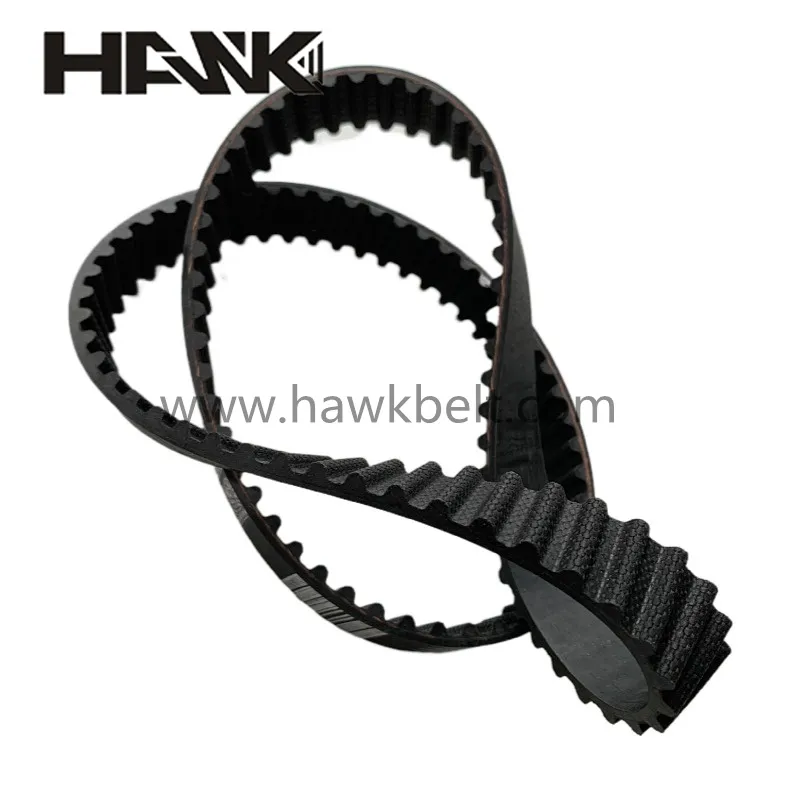
If you wrench on cars or manage a fleet, you already know the quiet hero under the cover: the timing belt. I’ve been visiting plants in Hebei and Osaka for years, and the best belts share a few traits—clean tooth geometry, stable cord tension, and rubber that doesn’t give up when oil and heat start playing dirty. The multi speed belt featured here is the 223x27 Auto Car Timing Synchronous Belt for Subaru, built in No. 386 Xuyang Avenue, Renze District, Xingtai City, Hebei Province, China.
Quick context: industry trend check
There’s a steady shift from CR to HNBR for higher-temp engines, plus tighter dimensional controls to keep NVH down. Aftermarket buyers are asking for OEM-grade QC documentation—surprisingly, that’s becoming a deal-breaker. And yes, multi speed belt demand is rising in mixed-brand service shops that want one vendor to cover Subaru, Toyota, Hyundai, Peugeot, Kia, Mitsubishi, and Honda platforms.
Product snapshot: 223x27 Auto Car Timing Synchronous Belt
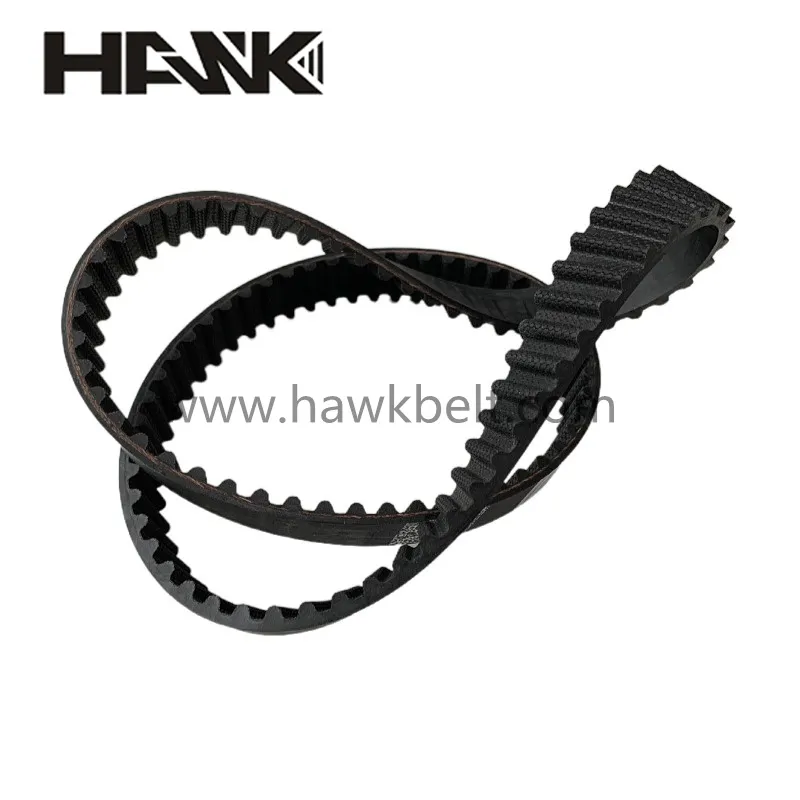
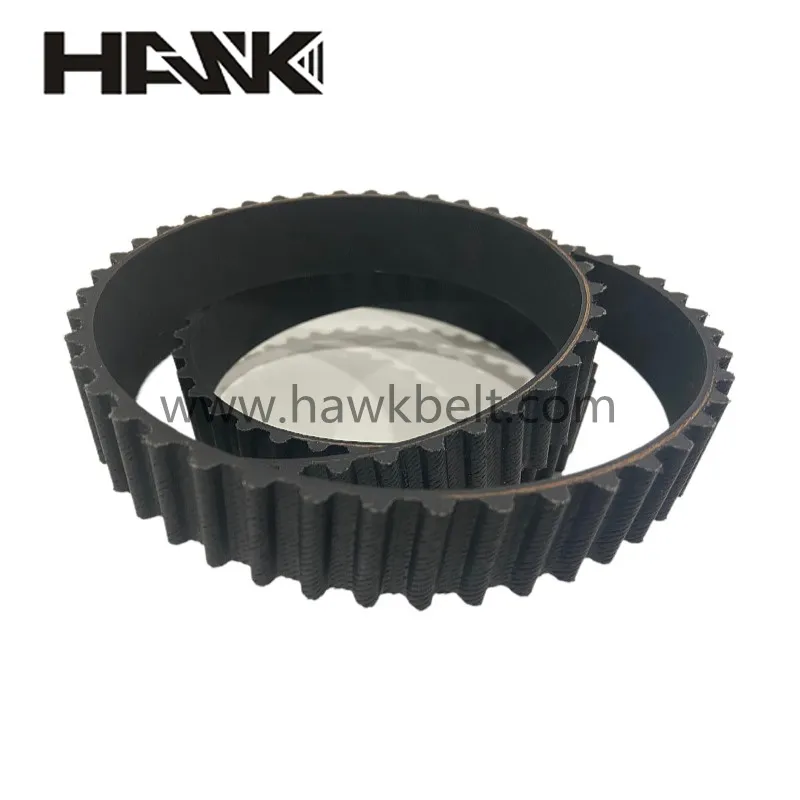
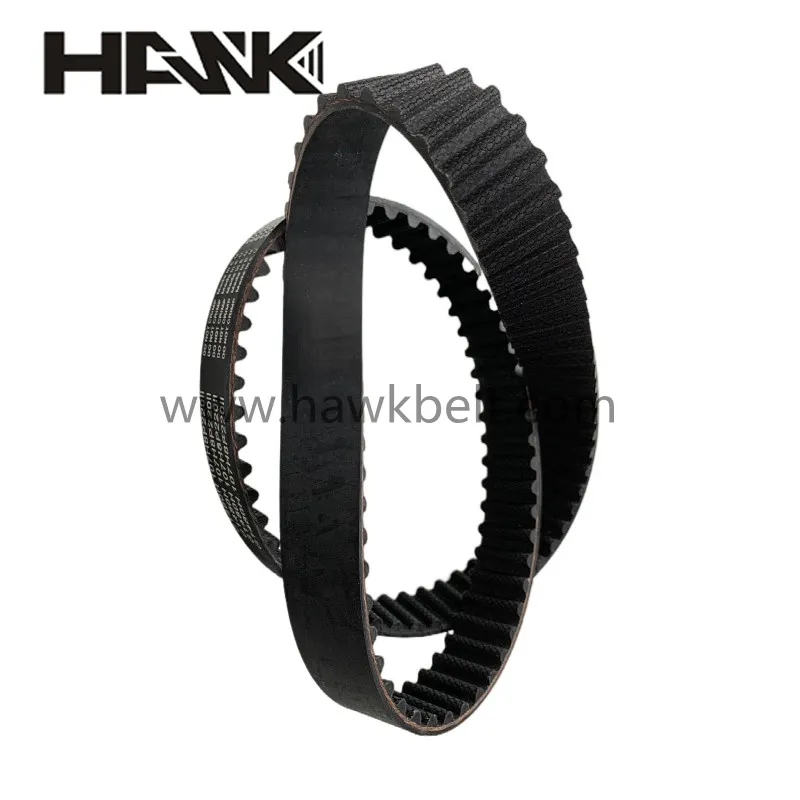
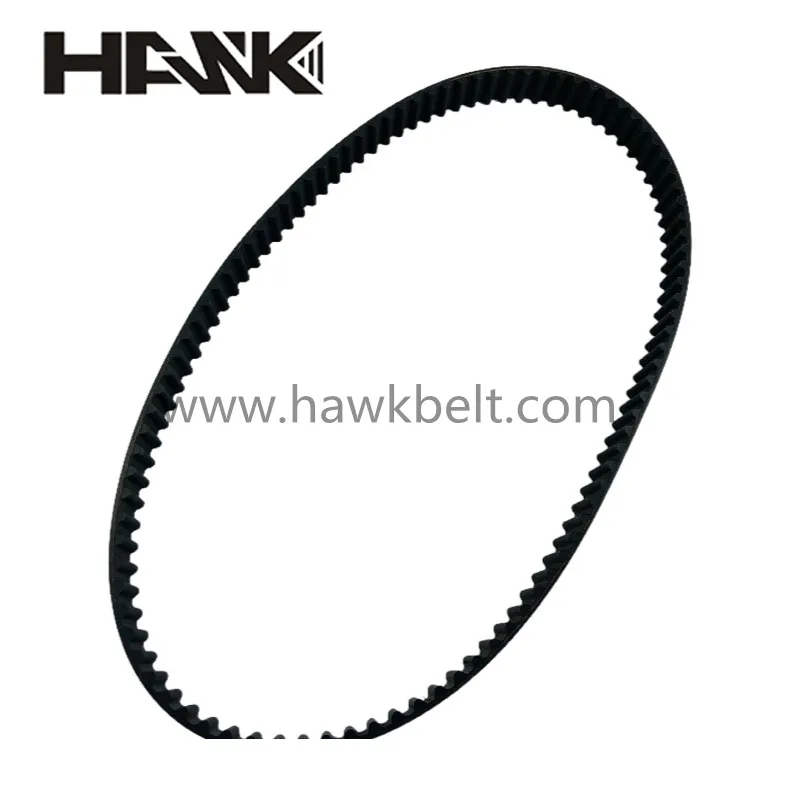
OE cross: 24312-4X000. Tooth count: 223. Width: 27 mm. Materials: CR/HNBR blend tuned for heat and oil resistance. Weight: 0.22 kg. It’s designed for Subaru fitment but validated across multiple Asian platforms—handy when your shop rotates stock.
| Spec | Details (≈ real-world use may vary) |
|---|---|
| Pitch/Teeth | 223 teeth; precision-ground profile for synchronous drive |
| Material System | CR or HNBR elastomer + fiberglass/aramid cord, fabric tooth facing |
| Heat/Oil Resistance | HNBR option rated ≈120–140°C continuous; ISO 1817 oil exposure tested |
| Expected Service Life | ≈80,000–120,000 km, depending on duty cycle and maintenance |
| Certifications | Factory ISO 9001; automotive QMS aligned with IATF 16949 |
How it’s made (short version)
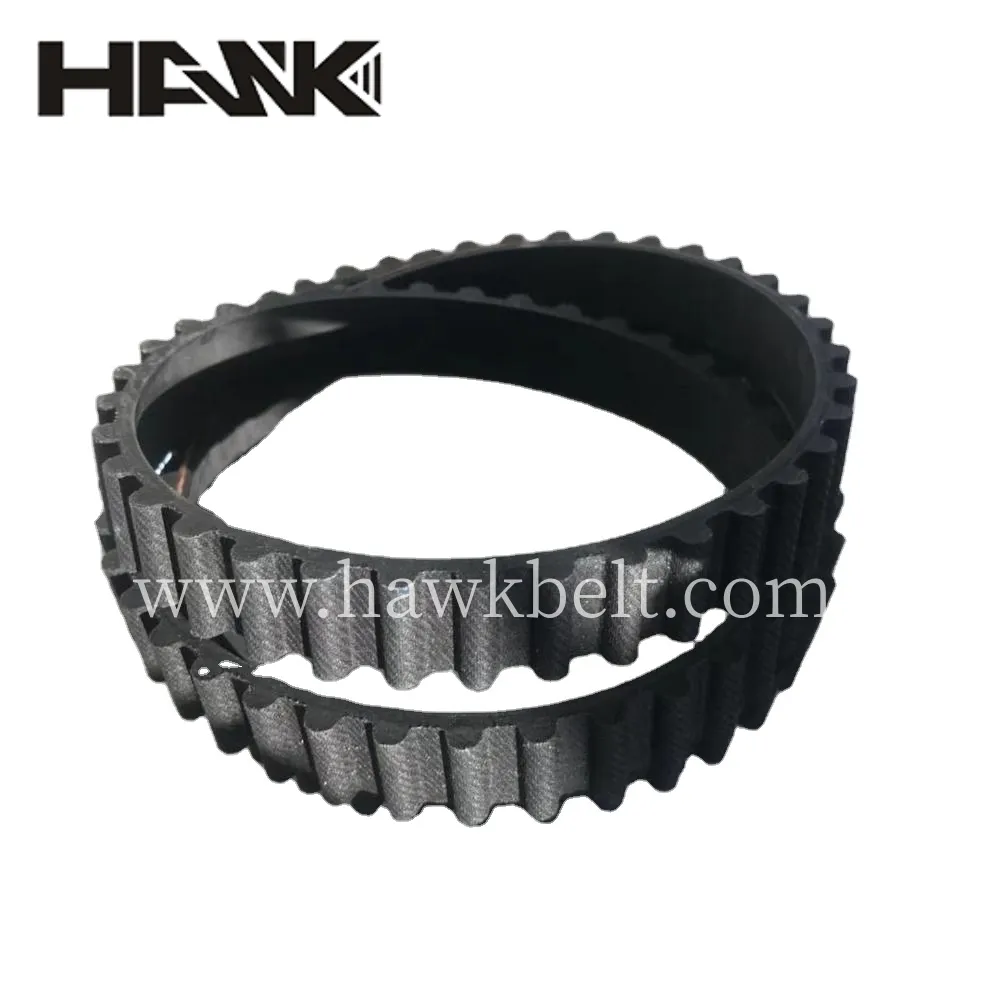
- Materials: CR/HNBR compounding with anti-ozone and anti-wear additives; fiberglass/aramid cords balanced for low stretch.
- Methods: Compression molding, precision tooth grinding, controlled vulcanization; post-cure tempering for stability.
- Testing: ASTM D412 tensile, ISO 1817 fluid exposure, DIN 7721-1 dimensional checks; noise and endurance rigs (≥1.5M cycles @120°C).
Where it fits, and why shops like it
Applications: Subaru engines plus coverage for Toyota/Hyundai/Peugeot/Kia/Mitsubishi/Honda references. Advantages include predictable timing retention, reduced chirp, and stock-friendly interchange. Many customers say it “beds in” fast and holds tension without drama. To be honest, that’s what you want in a multi speed belt.
Vendor options at a glance
| Vendor | Certs | Lead Time | Customization | Indicative Cost |
|---|---|---|---|---|
| Hawk (Hebei) | ISO 9001, IATF 16949 alignment | 2–4 weeks | Width/cord/rubber grade; private label | $ (value-focused) |
| OEM Dealer | OEM spec | Immediate–1 week | Limited | $$$ |
| Generic Aftermarket | Varies | 1–6 weeks | Some | $$ |
Customization and support
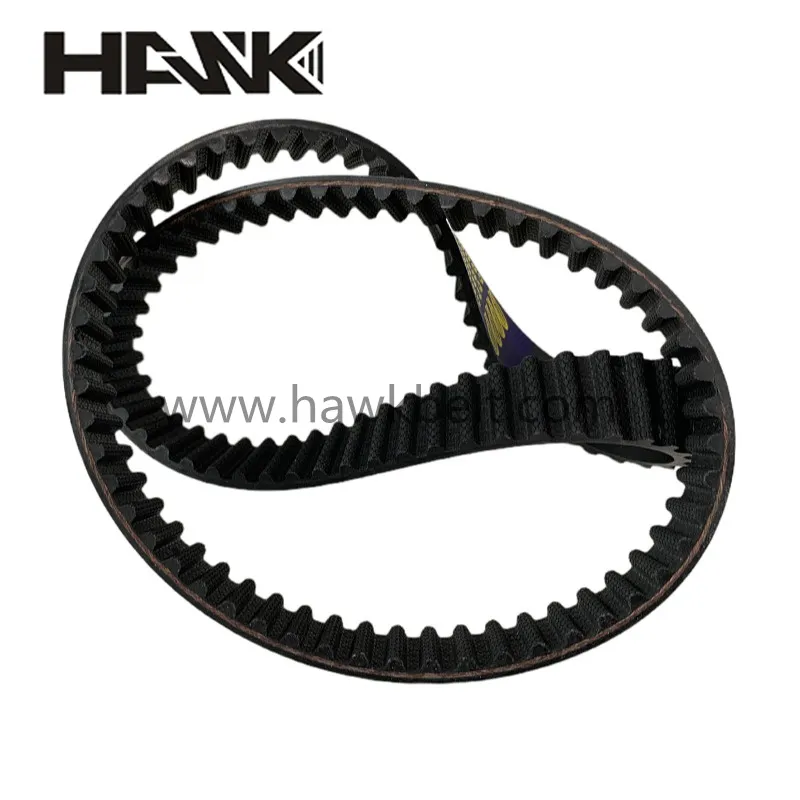
Options include CR vs HNBR, alternative cord (fiberglass/aramid), 19–30 mm widths, tooth fabric types, and laser coding. Batch COAs, traceability, and endurance reports are available on request—useful when specifying a multi speed belt for harsh climates.
Case study: mixed-brand service fleet
A Southeast Asia taxi fleet (Subaru/Toyota mix) shifted to the 223x27 belt and logged ≈105,000 km median life at 35–40°C ambient with standard intervals. Feedback: quieter cold starts, fewer re-tension visits. Not perfect—two early swaps traced to coolant leaks—but overall, the data looked solid.
Final take
For shops balancing cost, documentation, and durability, this Subaru-focused multi speed belt hits the practical sweet spot. Just pair it with fresh tensioners and seals—belt quality can’t outrun a leaking pump.
References
- DIN 7721-1: Toothed belts—Dimensions and tolerances.
- ASTM D412: Standard Test Methods for Vulcanized Rubber—Tension.
- ISO 1817: Rubber, vulcanized—Determination of the effect of liquids.
- IATF 16949 & ISO 9001: Automotive and quality management system requirements.
-
Comprehensive Guide to Selecting High Performance drive belts
NewsApr.16,2026
-
Guide to Choosing the Right Fan Belt for Car Performance
NewsApr.09,2026
-
Understanding and Maintaining Your Vehicle's Serpentine Belt for Optimal Performance
NewsApr.07,2026
-
Choosing the Right Steering Belt for Optimal Vehicle Performance and Safety
NewsApr.04,2026
-
Understanding the Serpentine Belt for Optimal Vehicle Performance
NewsMar.31,2026
-
Comprehensive Guide to Understanding Your Fan Belt Car and Maintenance
NewsMar.28,2026