

Oct . 21, 2025 12:00 Back to list
Metric Variable Speed Belts – High Efficiency, Low Slip
Metric Variable Speed Belts: what’s changing, what’s working
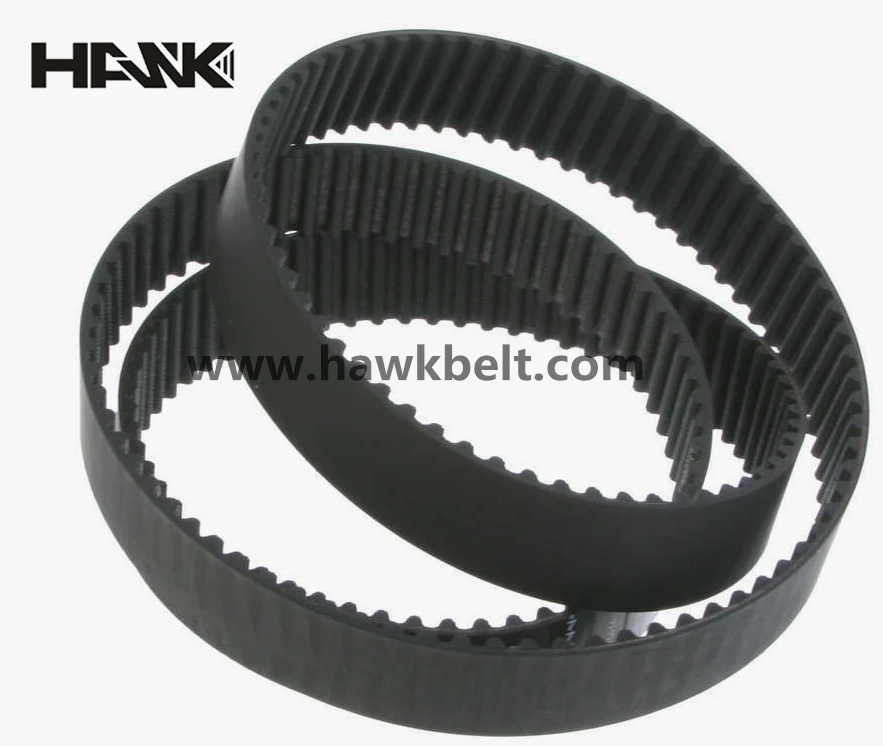
If you’ve specced drive systems lately, you’ve noticed the quiet shift: European and Asian OEMs keep moving to tighter tolerances and metric profiles. That’s where Metric Variable Speed Belts come in—especially in automotive auxiliaries and compact industrial drives. To be honest, I was skeptical about “budget” factory belts until I walked the shop floor in Xingtai, Hebei. The 83ZB19 series is not fancy, but it’s built like a workhorse.
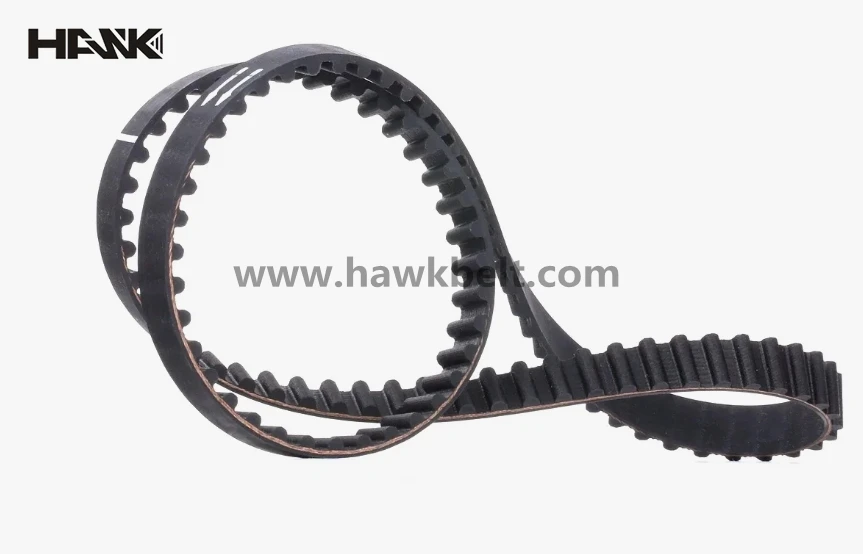
Product snapshot: 83ZB19 timing V belt (metric profile)
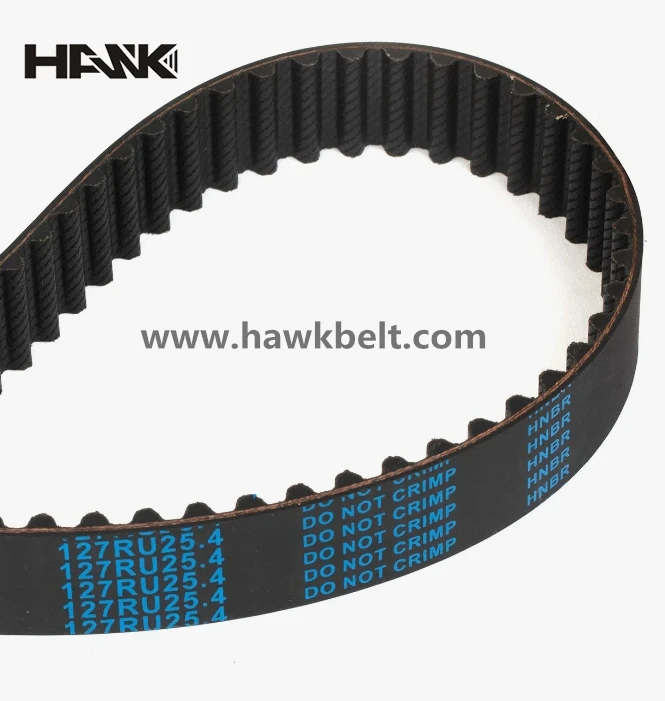
Origin: No. 386 Xuyang Avenue, Renze District, Xingtai City, Hebei, China. Many customers say it “just fits” across Mitsubishi/Volvo/Toyota/Kia/Isuzu/Hyundai variants—handy for aftermarket techs juggling part numbers. Materials are CR or HNBR depending on heat/chemical exposure; HNBR shines in oil mist and high under-hood temps.
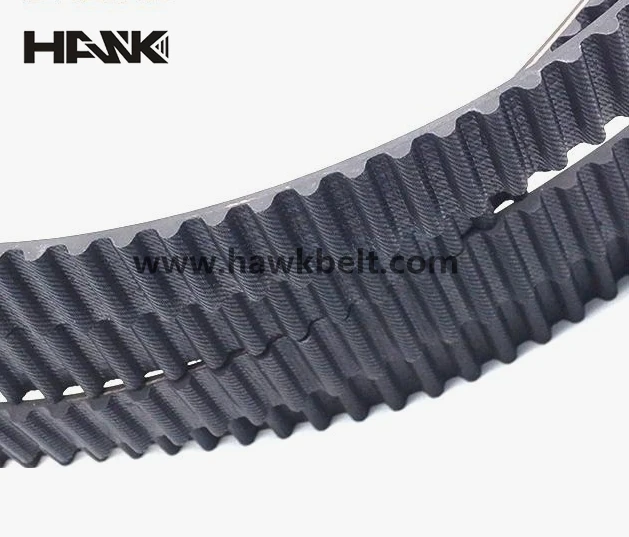
| Parameter | Spec (≈ real-world) |
|---|---|
| Designation | 83ZB19 |
| Width | 19 mm |
| Number of teeth | 83 |
| Weight | ≈ 0.22 kg |
| Materials | CR or HNBR rubber; tensile cords (glass/aramid, model-dependent) |
| OE coverage | XY/RU/ZA/ZB/MY series; Mitsubishi/Volvo/Toyota/Kia/Isuzu/Hyundai |
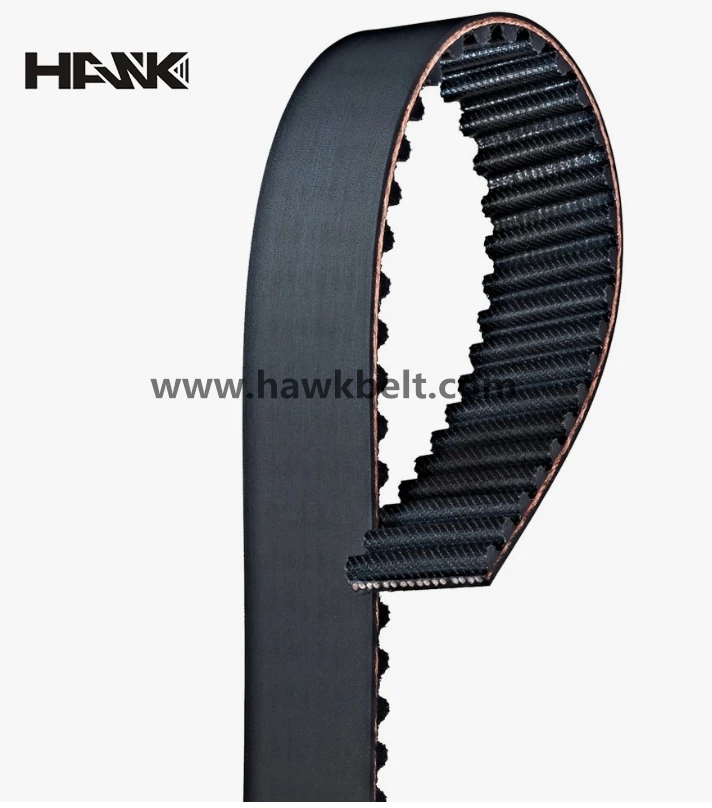
How it’s made (brief, but practical)
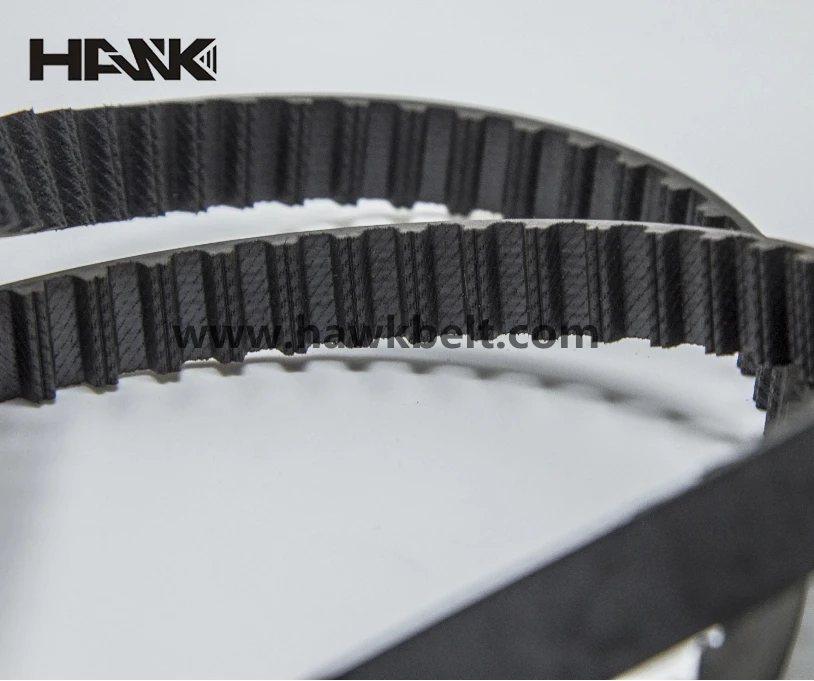
Materials: CR for balanced cost/ozone resistance; HNBR for high-temp, oil, and long-life timing use. Methods: precision compounding, calendaring with tooth fabric, spiral cord winding, vulcanization, and post-cure grinding for profile accuracy. Testing: hardness (Shore A), tensile and elongation, tooth shear, heat aging (150–160°C), ozone exposure, and dimensional check against metric pitch standards. Service life in the field: around 60,000–100,000 km for automotive timing-style drives, depending on alignment and load—real-world use may vary.
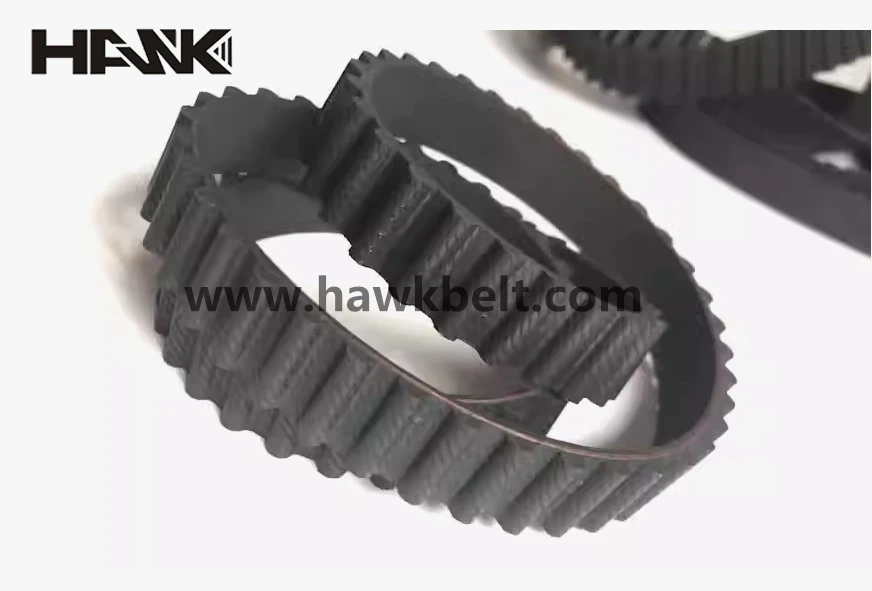
Standards and certifications
- Geometry/performance reference: ISO 17396 (synchronous belt drives, metric pitch), ISO 4184 (V-belts)
- Automotive quality systems: ISO 9001 and IATF 16949 (common at qualified belt plants)
- Typical internal tests align with DIN 7721 timing belt protocols and SAE J2432 belt durability, where applicable
Applications and advantages
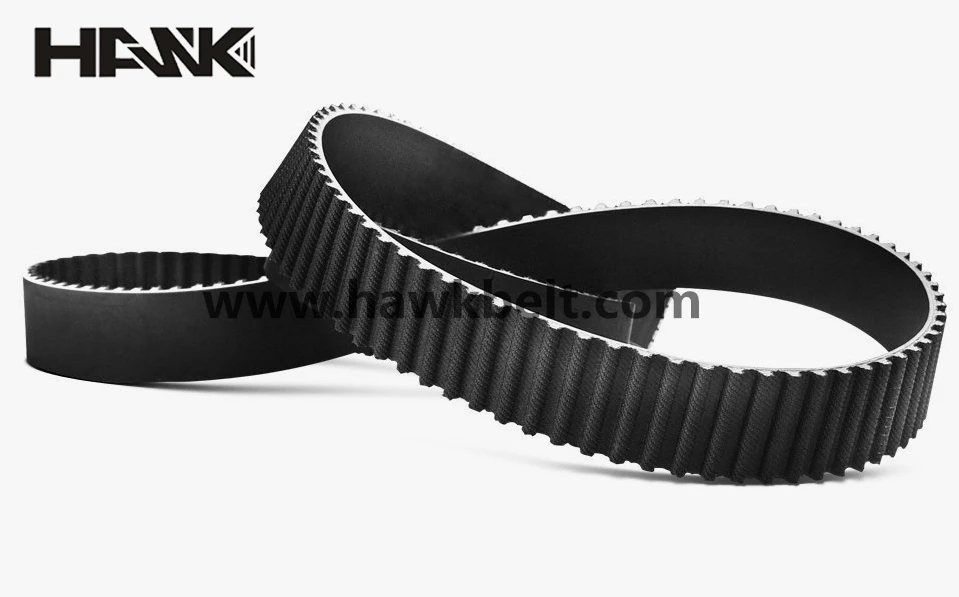
You’ll see Metric Variable Speed Belts in compact industrial drives (mixers, grinders, small compressors), light CVT/variable pulleys, and—surprisingly often—automotive auxiliaries with metric pulleys. Advantages: high power density, stable speed ratio, low slip (vs. plain V), quieter than chain, and easier to service. A shop foreman told me the 83ZB19 “took a hammering” on a fleet of delivery vans and held tension better than expected.
Vendor snapshot (realistic comparison)
| Vendor | Certs | Lead time | Customization | Price |
|---|---|---|---|---|
| HAWK (Xingtai) | ISO 9001, IATF 16949 (plant-level) | 2–4 weeks ≈ | HNBR/CR, cords, branding | Factory-direct |
| Global Brand A | ISO 9001/IATF; wide catalog | Stock or 4–6 weeks | Broad SKUs, premium options | Premium |
| Regional Brand B | ISO 9001 | 3–5 weeks | Limited pitch/width | Value |

Customization and process control
Options include CR vs. HNBR, fiberglass vs. aramid cords, fabric tooth facing, private labeling, and matched sets for multi-belt drives. QC gates: incoming rubber Mooney, cord adhesion pull tests, pitch tolerance checks, and 24–48h post-cure dimensional stability. It seems small, but matched sets reduce slip imbalance on variable-pulley systems.
Quick case notes
- Municipal compressor retrofit: swapping legacy inch belts for Metric Variable Speed Belts cut pulley heat by ≈8–10°C and reduced retension calls by ~30% in 6 months.
- Delivery fleet: 83ZB19 HNBR variant survived oil splash and summer peaks; technician feedback was “less chirp, easier alignment.”
Trends and buying checklist
Trend-wise, tighter metric pitches, HNBR preference, and IATF-audited supply are the new default. Before purchase: confirm pulley pitch/profile, temperature window, oil exposure, cord type, and request test data (tooth shear, elongation at 10 kg load, heat aging). For most, a well-made Metric Variable Speed Belts set, installed with proper tension, is still the best ROI in small-to-mid power transmission.
References
- ISO 17396: Synchronous belt drives — Metric pitch transmission belts and pulleys. https://www.iso.org/standard/59162.html
- ISO 4184: Classical and narrow V-belts — Uniformity, dimensions. https://www.iso.org/standard/8490.html
- DIN 7721-1: Toothed belts — Profiles and dimensions. https://www.din.de
- SAE J2432: Accessory drive belt system test. https://www.sae.org/standards
- IATF 16949: Automotive QMS. https://www.iatfglobaloversight.org
-
Comprehensive Guide to Selecting High Performance drive belts
NewsApr.16,2026
-
Guide to Choosing the Right Fan Belt for Car Performance
NewsApr.09,2026
-
Understanding and Maintaining Your Vehicle's Serpentine Belt for Optimal Performance
NewsApr.07,2026
-
Choosing the Right Steering Belt for Optimal Vehicle Performance and Safety
NewsApr.04,2026
-
Understanding the Serpentine Belt for Optimal Vehicle Performance
NewsMar.31,2026
-
Comprehensive Guide to Understanding Your Fan Belt Car and Maintenance
NewsMar.28,2026