

Oct . 06, 2025 00:30 Back to list
Machine Drive Belts Built to Last—Ready to Boost Efficiency?
If you spend your days around rotating equipment (guilty), you know that machine drive belts are the quiet heroes of uptime. Today I’m looking at a very workmanlike option from Hebei, China—the “China Hebei Rubber Drive Fan V Belt Factory Manufacturer,” OE 6PK1880. It’s an EPDM multi-rib belt designed for Hyundai/Kia/Peugeot/Toyota platforms, but—as many maintenance managers tell me—these profiles show up in workshops far beyond the car bay.
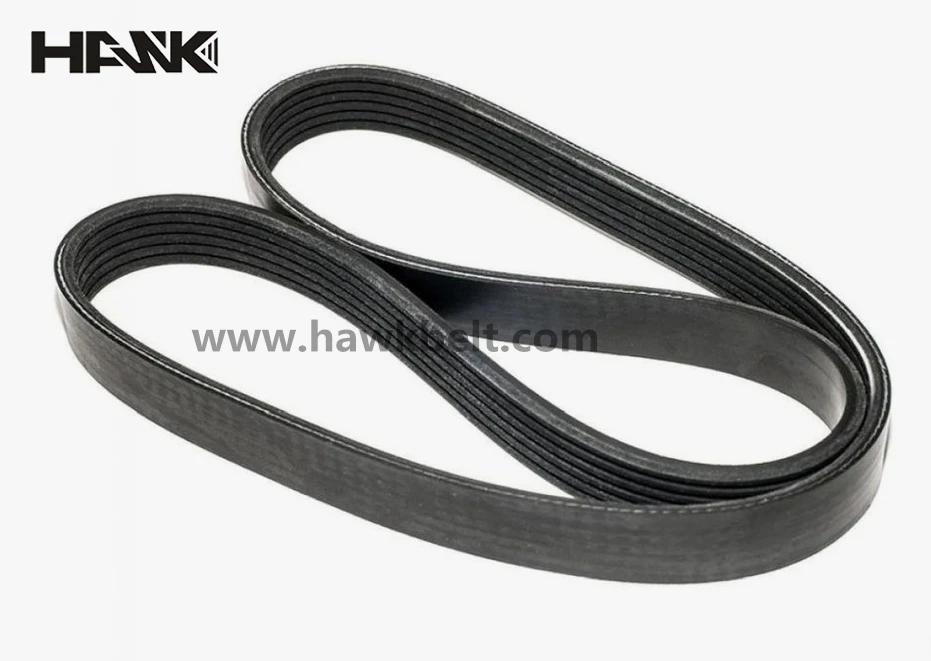
Industry trend check, quickly: electrification is pushing higher accessory loads and stricter NVH; fleets want longer intervals; and buyers care (a lot) about consistent rubber quality. EPDM has quietly become the default, largely because it shrugs off heat and ozone. In fact, the better machine drive belts now claim stable tension over a broader temperature range, which helps alternators and pumps last longer. From Hebei’s Renze District (No. 386 Xuyang Avenue, Xingtai City) this factory leans into that EPDM advantage.
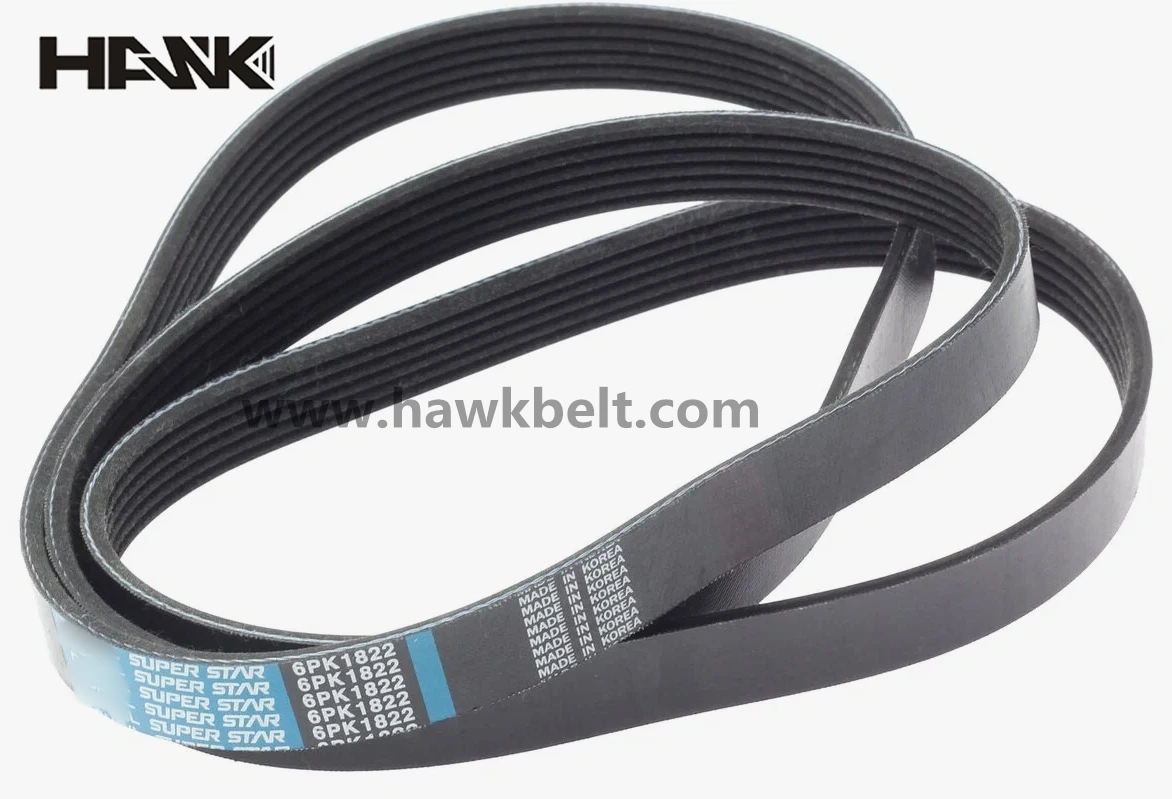
Key Specifications (6PK1880)
| Belt Type | 6PK (6-rib serpentine) |
| OE/Size | 6PK1880; Length ≈ 1880 mm (real-world tolerance ±3 mm) |
| Material | EPDM elastomer, polyester/aramid cord (as specified) |
| Weight | ≈ 0.19 kg |
| Compatible Models | Hyundai / Kia / Peugeot / Toyota applications |
| Temp Range | ≈ -40 °C to +120 °C (duty dependent) |
Process, Testing, and Service Life
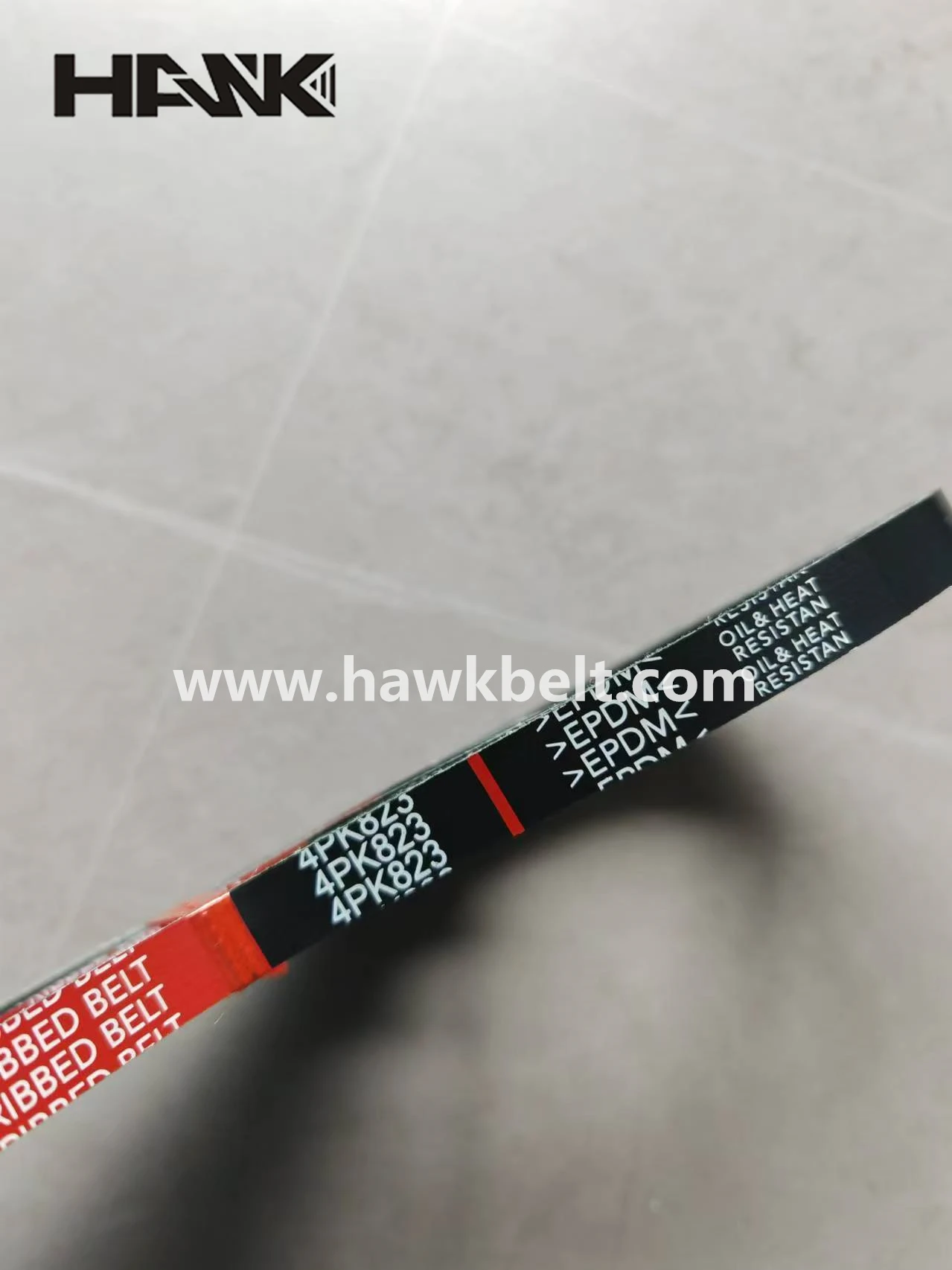
Materials are EPDM compounds with anti-ozonants, cords are embedded under precise tension, then vulcanized and ground to the PK rib profile. QC typically references ISO 4184 for belt designation, SAE J2432 for accessory drive testing, and ISO 1813 for antistatic properties when required. Internal lab snapshots: Shore A hardness ~70±5; dynamic flex test >100,000 cycles; pulley-side wear index tracked via microscopy. In fleet use, I’ve seen machine drive belts like this run 80,000–120,000 km between changes—of course, pulley alignment and tensioners make or break those numbers.
Where It Fits
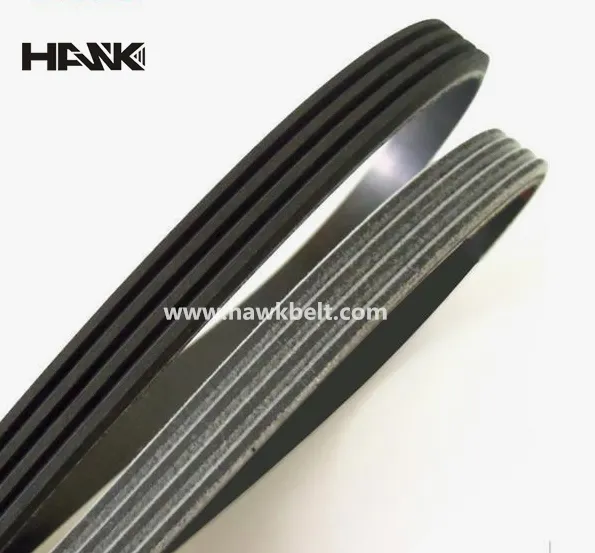
- Automotive serpentine drives (alternator, water pump, A/C, PS).
- HVAC fan drives and light industrial idler systems.
- Agricultural implements with compact pulley clusters.
In short, anywhere compact multi-rib geometry beats a bulky classical V.
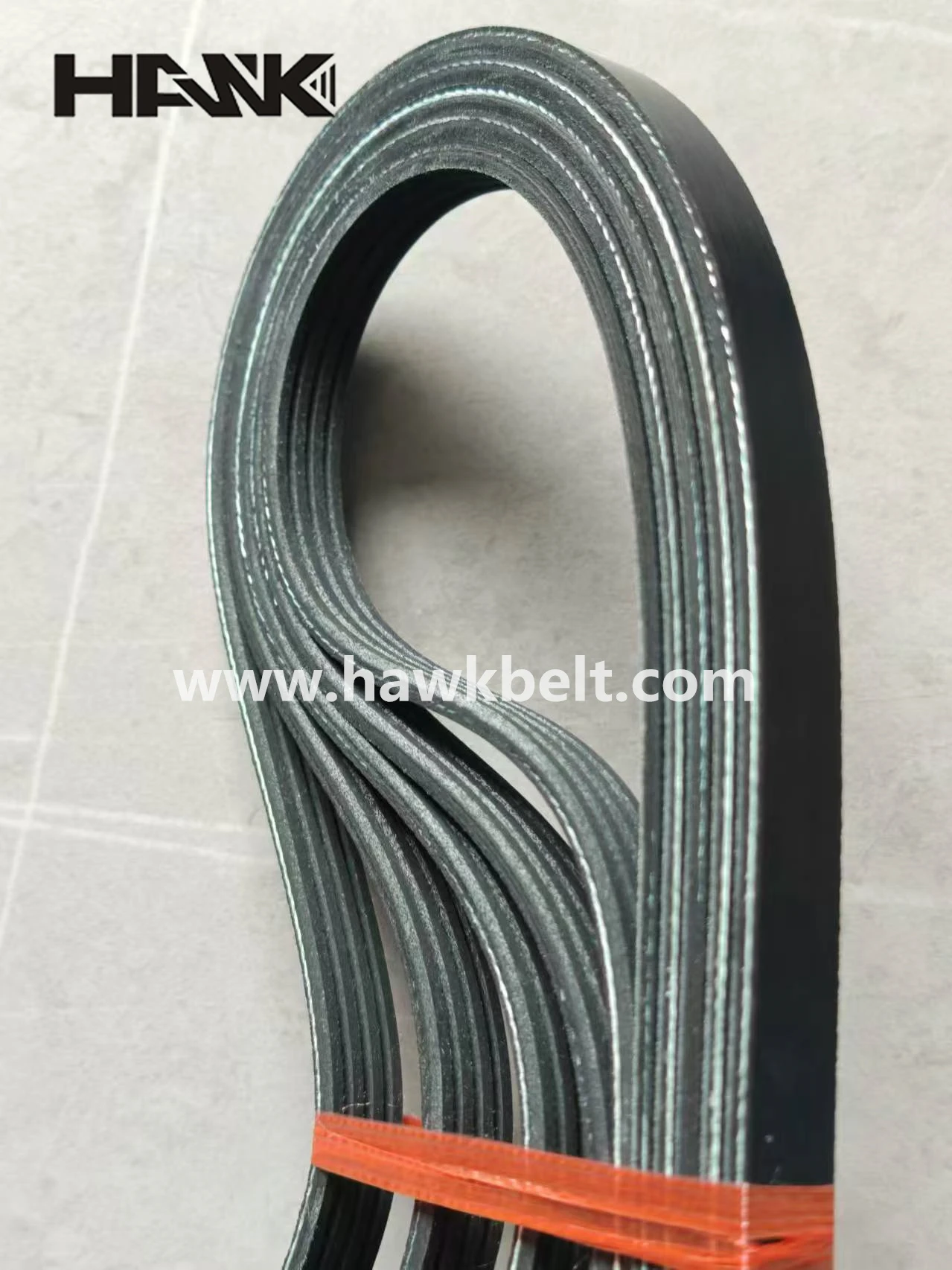
Why EPDM (and this model) Works
Heat resistance, low crack growth, predictable elongation, and stable friction on micro-V pulleys. To be honest, many customers say the biggest “win” is less chirp under damp cold starts. Also: easy sourcing from Hebei and consistent batches—surprisingly important for fleets standardizing spares.
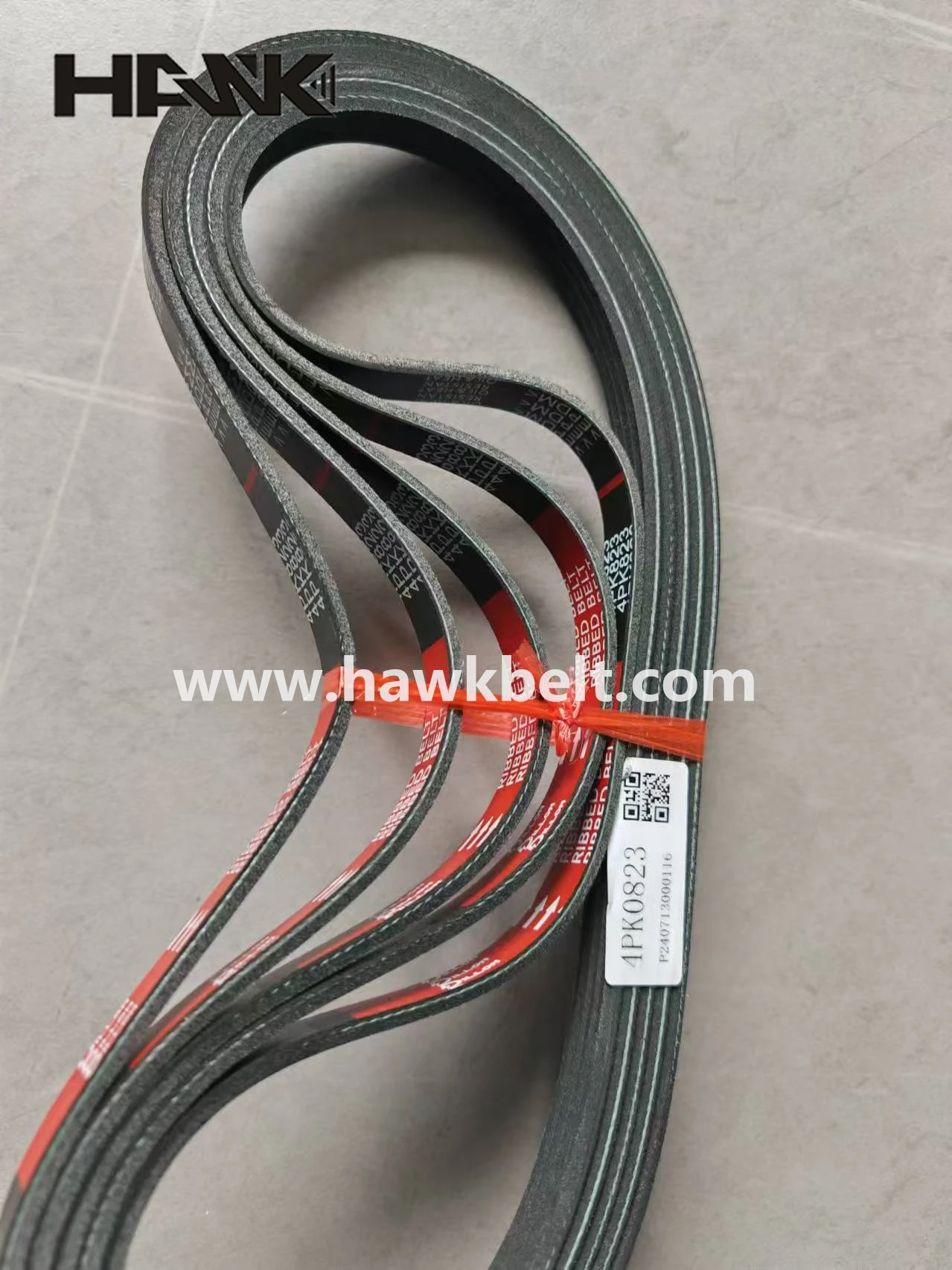
Vendor Comparison (indicative)
| Vendor | Material | Certs | Lead Time | Notes |
|---|---|---|---|---|
| Hebei Factory (6PK1880) | EPDM | ISO 9001; IATF 16949 (supplier-declared) | ≈ 7–21 days | Cost-efficient, MOQ-friendly |
| Gates (reference) | EPDM | IATF 16949 | Stock/Project-based | Wide catalog, premium pricing |
| Continental (reference) | EPDM | IATF 16949 | Stock/Project-based | Strong OEM footprint |
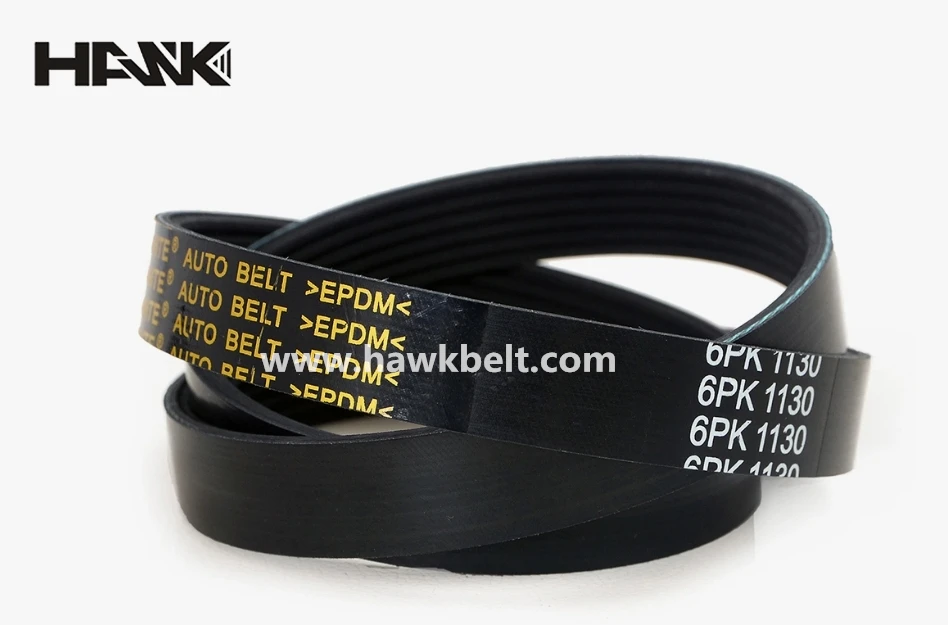
Customization and QA
Custom lengths, private labeling, barcode packaging, and cord options (polyester vs. aramid) are available. Typical MOQ: around 100 pcs; color striping and date codes on request. Compliance documents: ISO 9001, IATF 16949, and RoHS/REACH declarations. For critical machine drive belts, ask for SAE J2432 test sheets and incoming lot COC—saves headaches later.
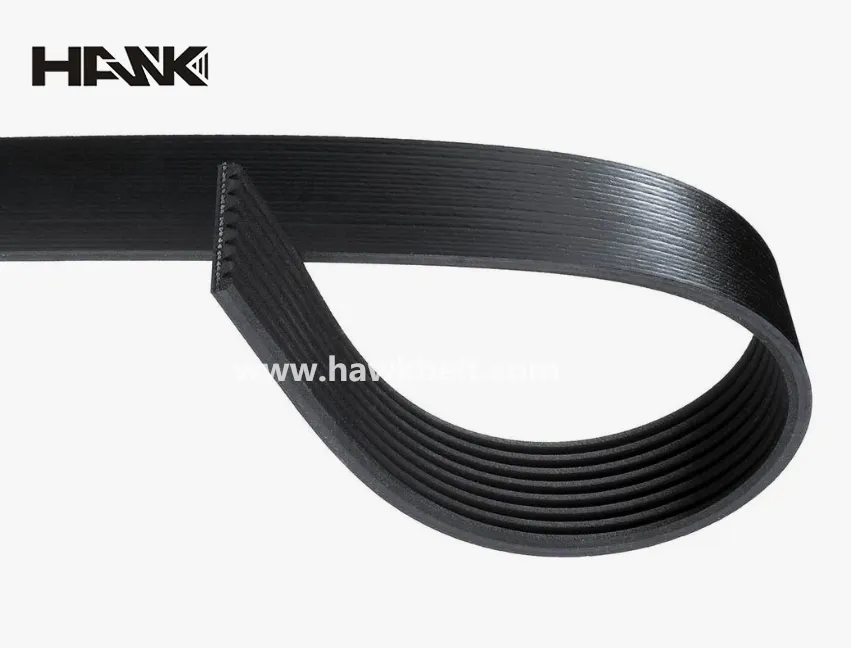
Field Notes (mini case studies)
- City bus depot: swapping legacy CR belts for EPDM 6PK units cut cold-start slippage and extended average interval by ≈20% (operator logs).
- Food plant HVAC: after pulley re-alignment and belt change, energy draw dropped ≈3–4% at fan design point—small, but it adds up.
A mechanic told me, “It just seats better on the ribs, no squeal.” That’s the feedback you want.
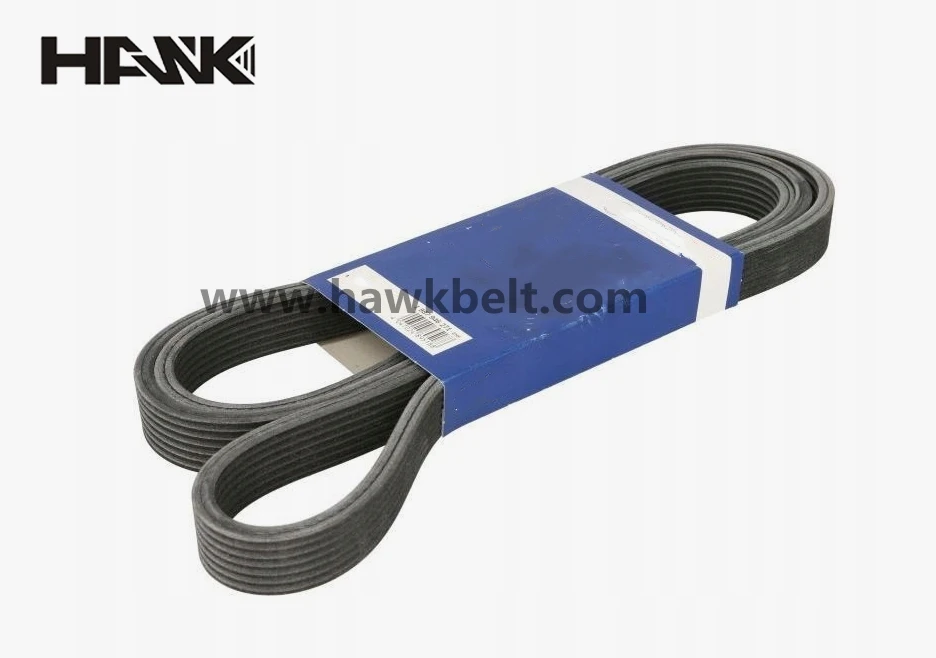
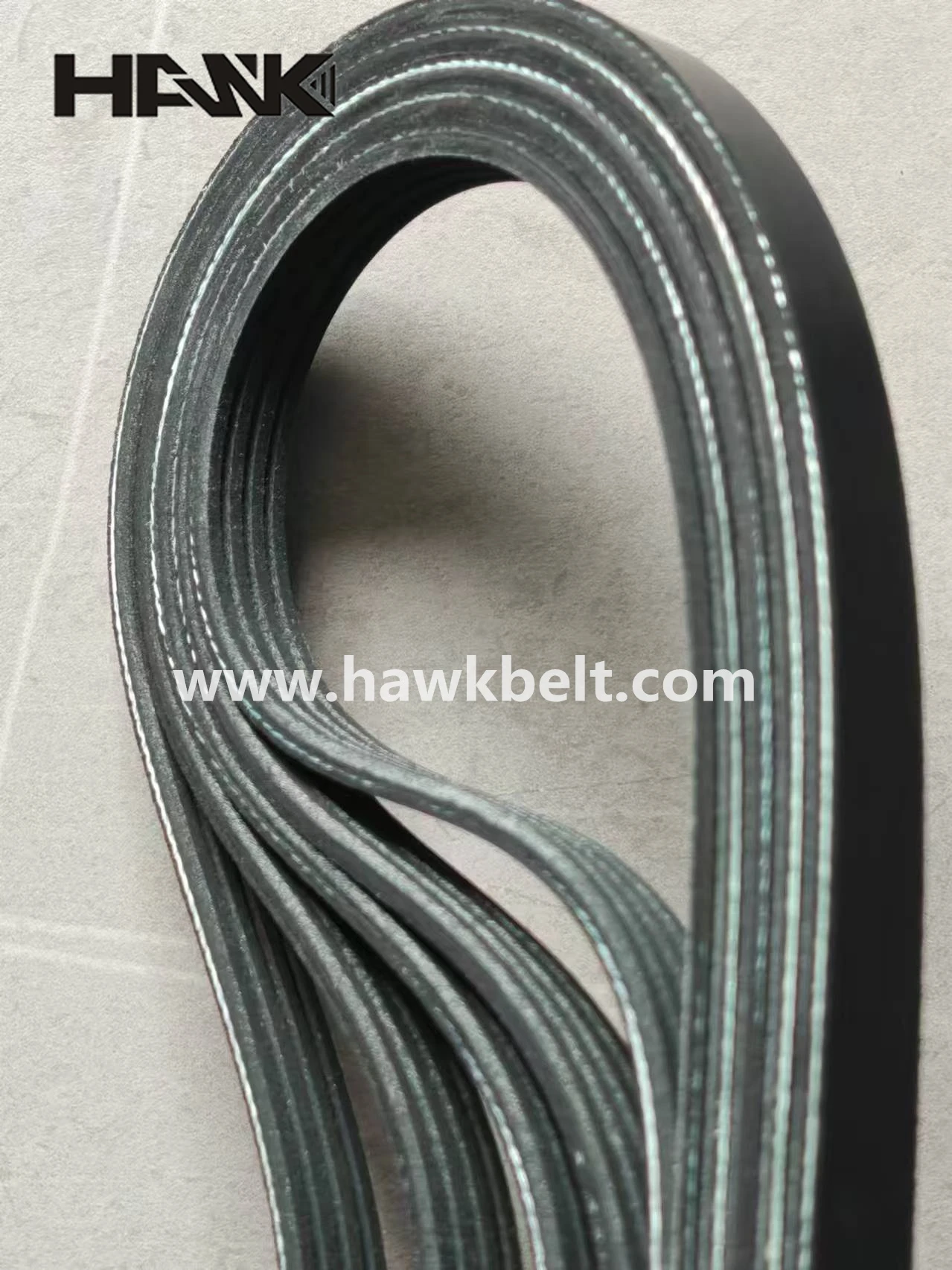
If you’re sourcing machine drive belts from Asia, this Hebei option is a sensible balance of availability and spec discipline. Request the 6PK1880 data sheet, confirm cord type, and match pulley diameters/tensioner condition before bulk buying. To be honest, that last step separates smooth rollouts from surprise returns.
References
- ISO 4184: Power transmission belts — V-belts and V-ribbed belts — Designation and dimensions.
- SAE J2432: Aftermarket Automotive Multi-Ribbed Accessory Drive Belts Test Procedure.
- ISO 1813: Conveyor and power transmission belts — Electrical conductivity (antistatic test).
- ISO 9001: Quality management systems — Requirements.
- IATF 16949: Automotive quality management system standard.
- Regulation (EC) No 1907/2006 (REACH) and Directive 2011/65/EU (RoHS) compliance guidance.
-
Comprehensive Guide to Selecting High Performance drive belts
NewsApr.16,2026
-
Guide to Choosing the Right Fan Belt for Car Performance
NewsApr.09,2026
-
Understanding and Maintaining Your Vehicle's Serpentine Belt for Optimal Performance
NewsApr.07,2026
-
Choosing the Right Steering Belt for Optimal Vehicle Performance and Safety
NewsApr.04,2026
-
Understanding the Serpentine Belt for Optimal Vehicle Performance
NewsMar.31,2026
-
Comprehensive Guide to Understanding Your Fan Belt Car and Maintenance
NewsMar.28,2026