

Oct . 12, 2025 11:25 Back to list
Leather Drive Belt - Durable, Quiet Power for Vintage & DIY
From Leather to EPDM: What Today’s Drive Belts Actually Deliver
If you came here searching for a leather drive belt, here’s the twist: most modern vehicles run smoother and cooler on EPDM multi‑rib belts. I’ve toured enough workshops to see it firsthand—leather still has a nostalgic charm for restorations, but under a hot hood at 6,000 rpm, engineered rubber rules.
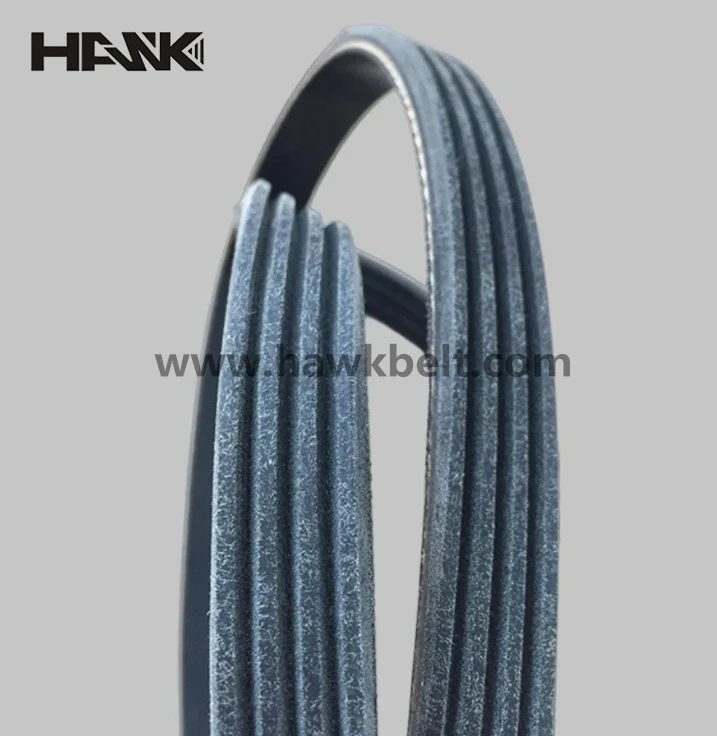
Industry snapshot
Automakers phased out leather drive belt setups decades ago. Today’s PK (V‑ribbed) belts use EPDM blends that shrug off heat, ozone, and micro‑cracking. The trend is steady: longer service intervals (often 80,000–120,000 km), quieter NVH, and stable tension across temperature swings. Vintage mills and museum lines still spec leather for authenticity, sure—but for Hyundai/Kia/Peugeot/Toyota/Citroen/Mitsubishi passenger cars, EPDM PK belts are the standard.
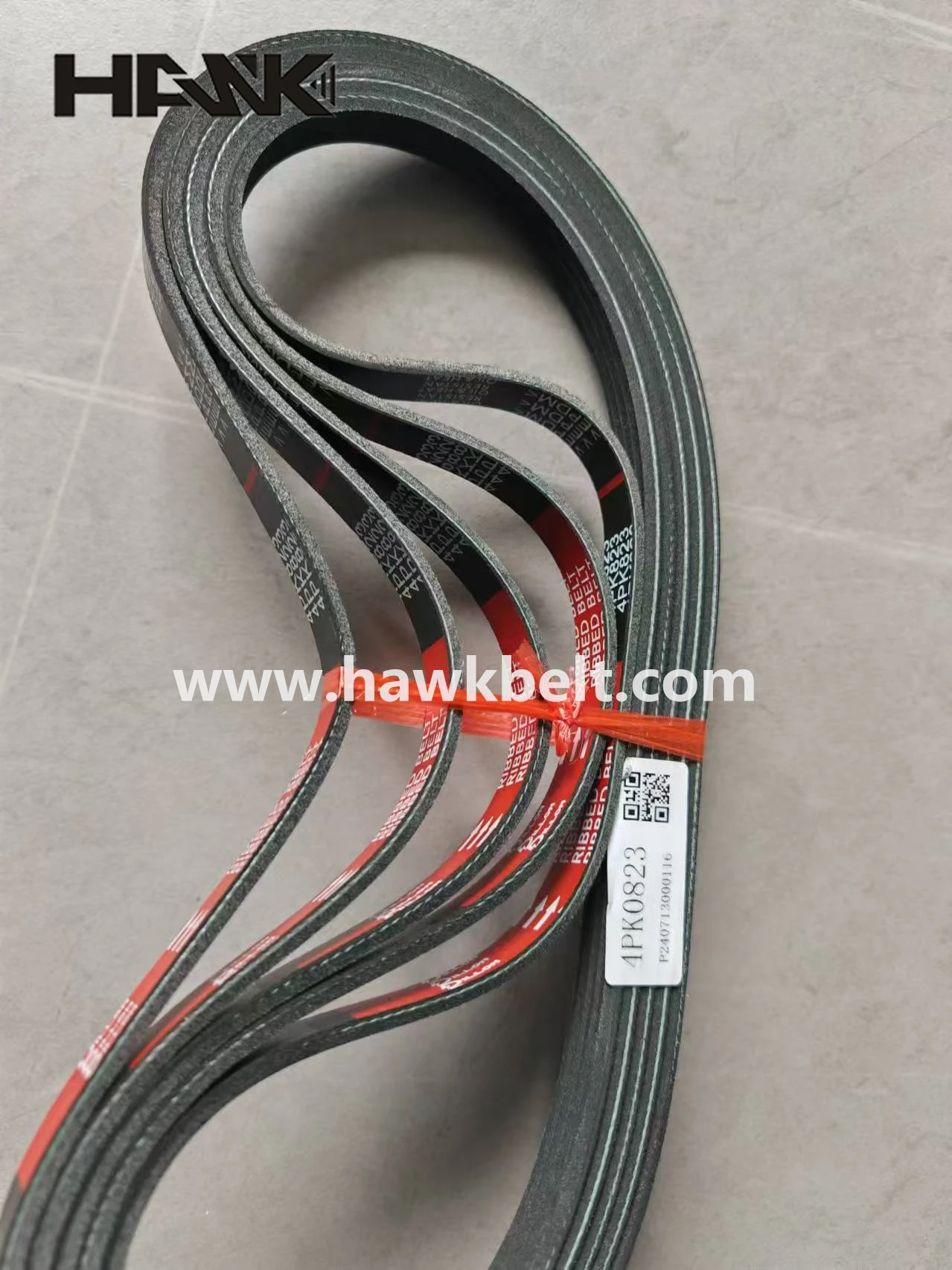
Product spotlight: 4PK Auto Fan Drive PK Belt
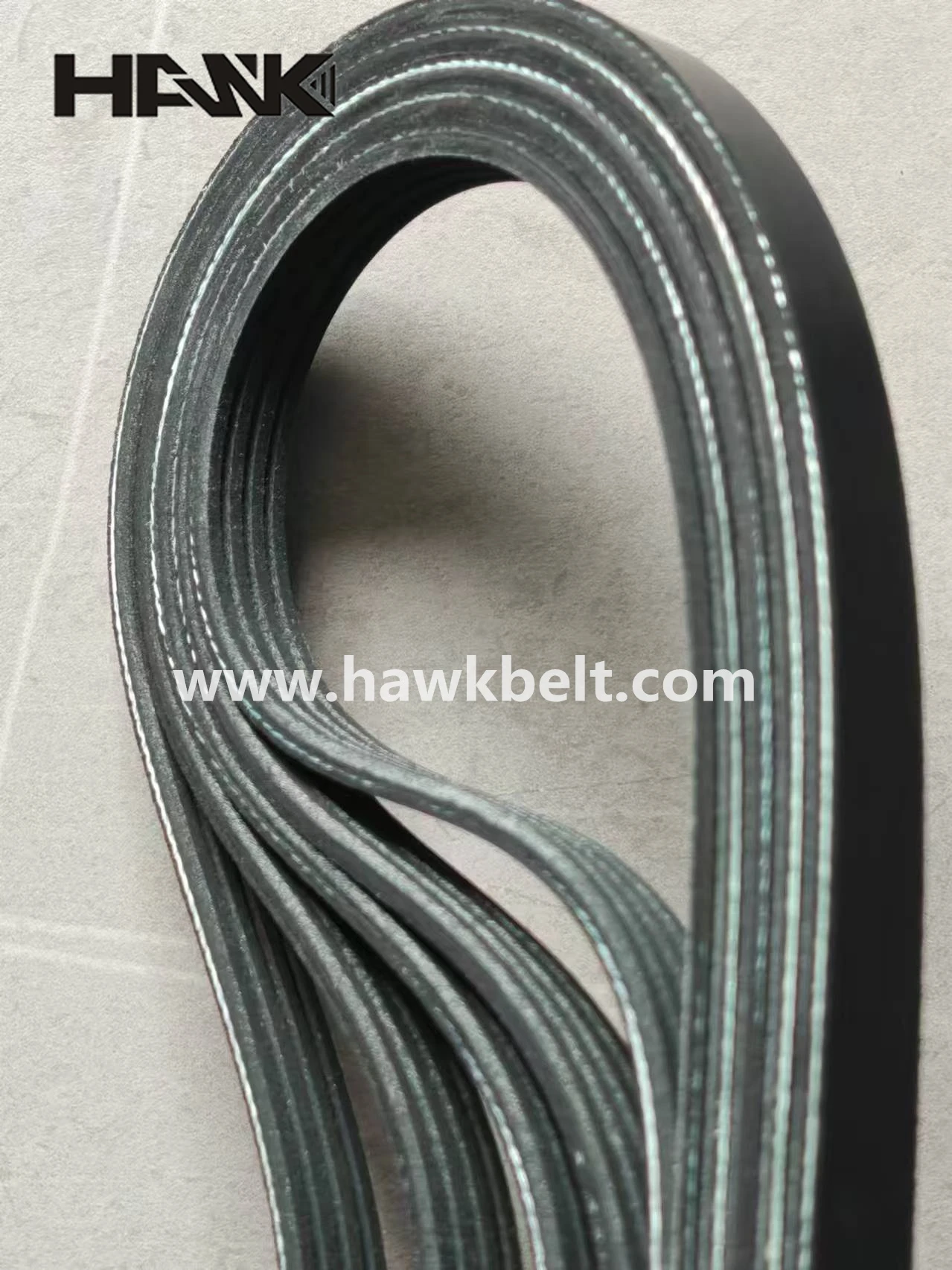
Model family: 4PK820 / 4PK935 / 4PK970 / 4PK1180 — an OE‑style EPDM belt line built in Xingtai, Hebei, China. In practice, installers tell me these 4PK sizes cover a broad swath of compact and midsize applications.
| Parameter | Spec (≈ real‑world may vary) |
|---|---|
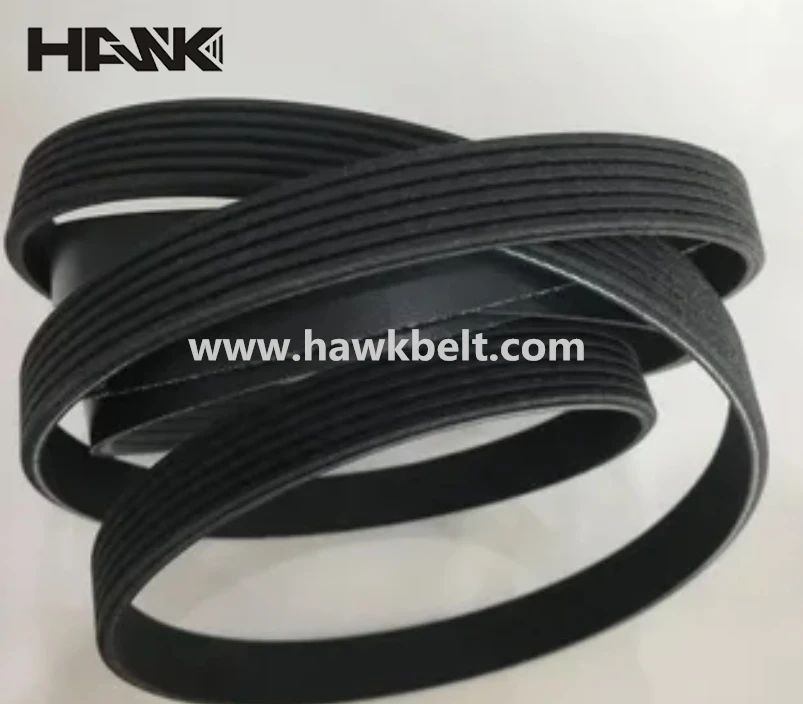
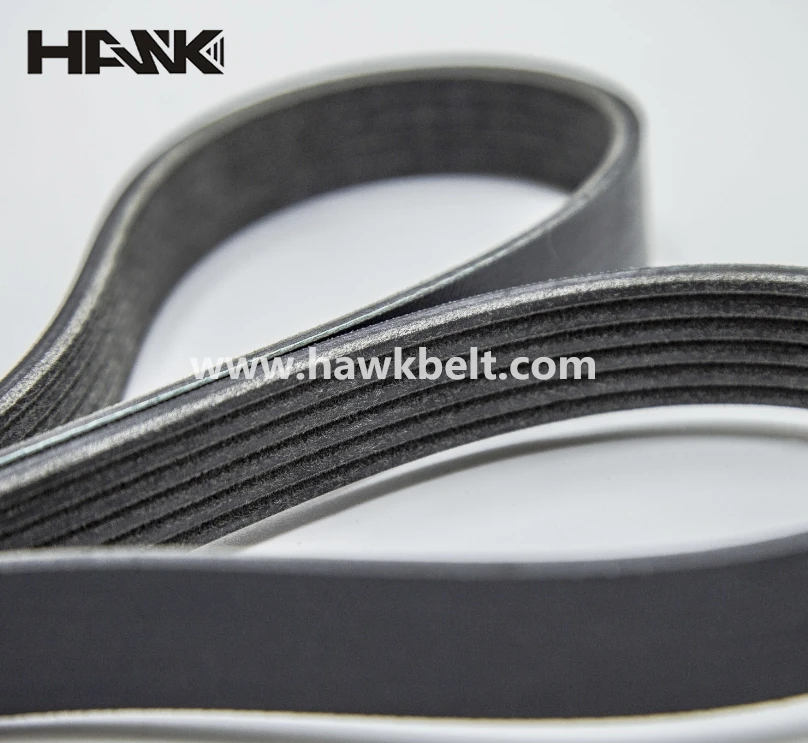
| Profile / Ribs | 4PK (4 ribs, PK profile per ISO 9982) |
| Lengths | 820 / 935 / 970 / 1180 mm |
| Material | EPDM elastomer, fiber-reinforced tensile cord |
| Weight (820) | ≈0.19 kg |
| Target Vehicles | Hyundai/Kia/Peugeot/Toyota/Citroen/Mitsubishi |
| Service Interval | ≈80,000–120,000 km, depending on duty |
How it’s made (short version)
- Compounding: EPDM mixed with carbon black, antioxidants, fabric.
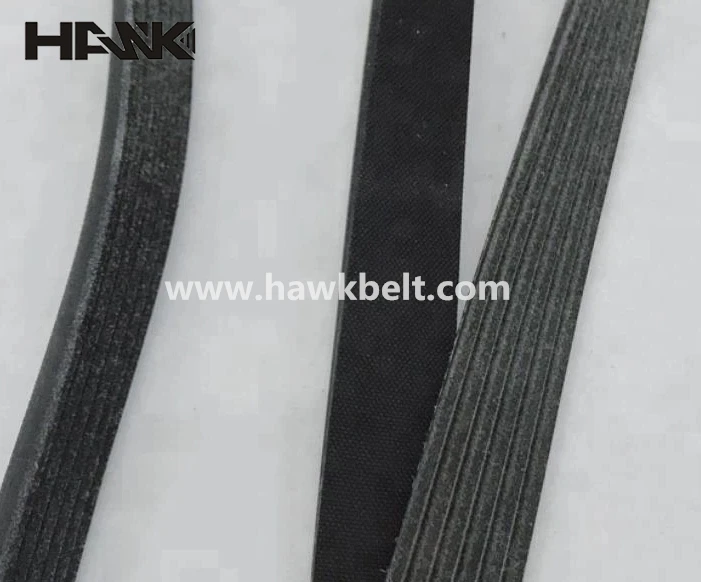
- Calendaring & rib forming: PK grooves built for multi‑pulley grip.
- Curing & grind: vulcanized, outer surface ground for tracking.
- Inspection: rib pitch, length tolerance, runout, noise.
Testing: SAE J2432 durability and tension decay; heat aging 125°C; ozone; abrasion (ISO 4649); dimensional checks to ISO 9982. Lab sample (970 mm) ran 250 h at 90°C with ≤2.5% tension loss; noise stayed under 72 dB(A) at 1 m—pretty quiet for an economy belt.
Use cases and real feedback
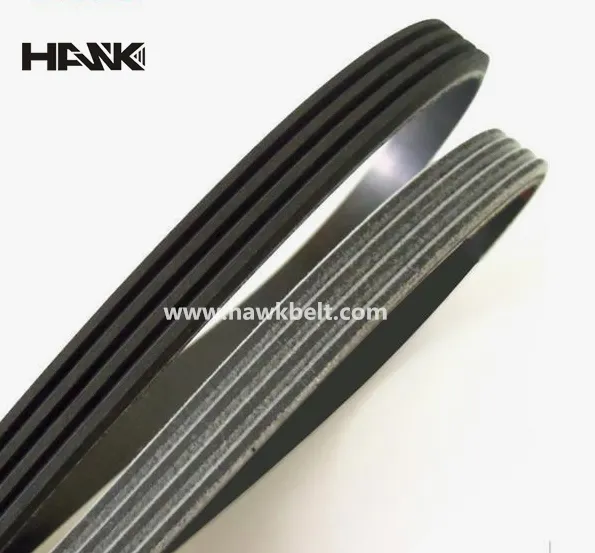
Daily drivers, fleet cars in hot climates, and budget‑minded replacements. Mechanics say installation is straightforward and glazing resistance is solid. If you’re restoring a pre‑war lathe and insist on a leather drive belt, fair—just know EPDM won’t stretch with humidity, so alignment holds better.
Vendor comparison (quick take)
| Vendor | Core Material | Certs/Standards | Strengths | Lead Time |
|---|---|---|---|---|
| Hawk Belt (4PK series) | EPDM PK, fiber cords | SAE J2432, ISO 9982, RoHS/REACH | Consistent ribs, quiet NVH, value pricing | ≈2–4 weeks |
| Import House A | EPDM blend | Self‑declared | Low cost | ≈1–3 weeks |
| Heritage Shop B | Leather (flat) | Traditional craft specs | Authentic look/feel | Made‑to‑order |
Customization and compliance
Custom lengths, cord choices (polyester/aramid), private labeling, carton/barcode kitting. Factory location: No. 386 Xuyang Avenue, Renze District, Xingtai City, Hebei Province, China. Compliance options: RoHS, REACH; antistatic levels available on request. Traceability lots help fleets track performance over time.
Two quick case notes
Taxi fleet, humid port city: Swapped mixed brands for 4PK970 EPDM. Average change interval moved from ≈70,000 km to ≈105,000 km; complaints about chirp at idle dropped noticeably.
Dealer service lane, hot desert climate: 4PK1180 units showed less glazing after 6 months than prior belts; technician noted easier cold‑start tracking. Not scientific, but it matches the lab data trend.
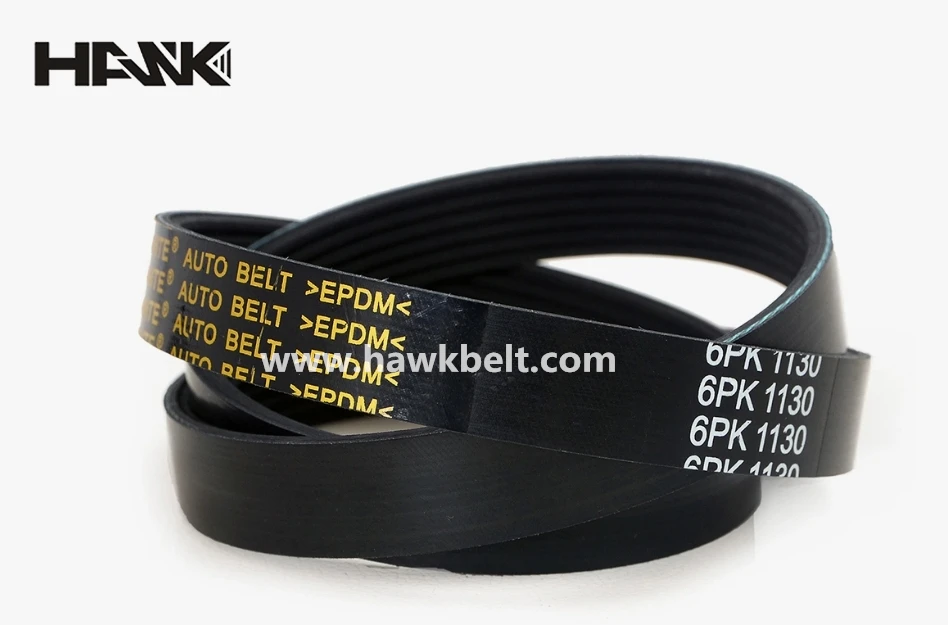
Bottom line: unless your project truly needs a leather drive belt, an EPDM 4PK from a tested line is the smarter everyday choice—quieter, longer‑lasting, and kinder to alternator and water‑pump bearings.
Authoritative citations
- SAE J2432: Aftermarket Automotive Accessory Drive Belts—Test Methods and Requirements.
- ISO 9982: Belt drives—V‑ribbed belts (PK profile)—Dimensions and tolerances.
- ISO 4649: Rubber—Determination of abrasion resistance using a rotating cylindrical drum device.
- EU RoHS Directive 2011/65/EU and REACH Regulation (EC) No 1907/2006 for material compliance.
-
Comprehensive Guide to Selecting High Performance drive belts
NewsApr.16,2026
-
Guide to Choosing the Right Fan Belt for Car Performance
NewsApr.09,2026
-
Understanding and Maintaining Your Vehicle's Serpentine Belt for Optimal Performance
NewsApr.07,2026
-
Choosing the Right Steering Belt for Optimal Vehicle Performance and Safety
NewsApr.04,2026
-
Understanding the Serpentine Belt for Optimal Vehicle Performance
NewsMar.31,2026
-
Comprehensive Guide to Understanding Your Fan Belt Car and Maintenance
NewsMar.28,2026