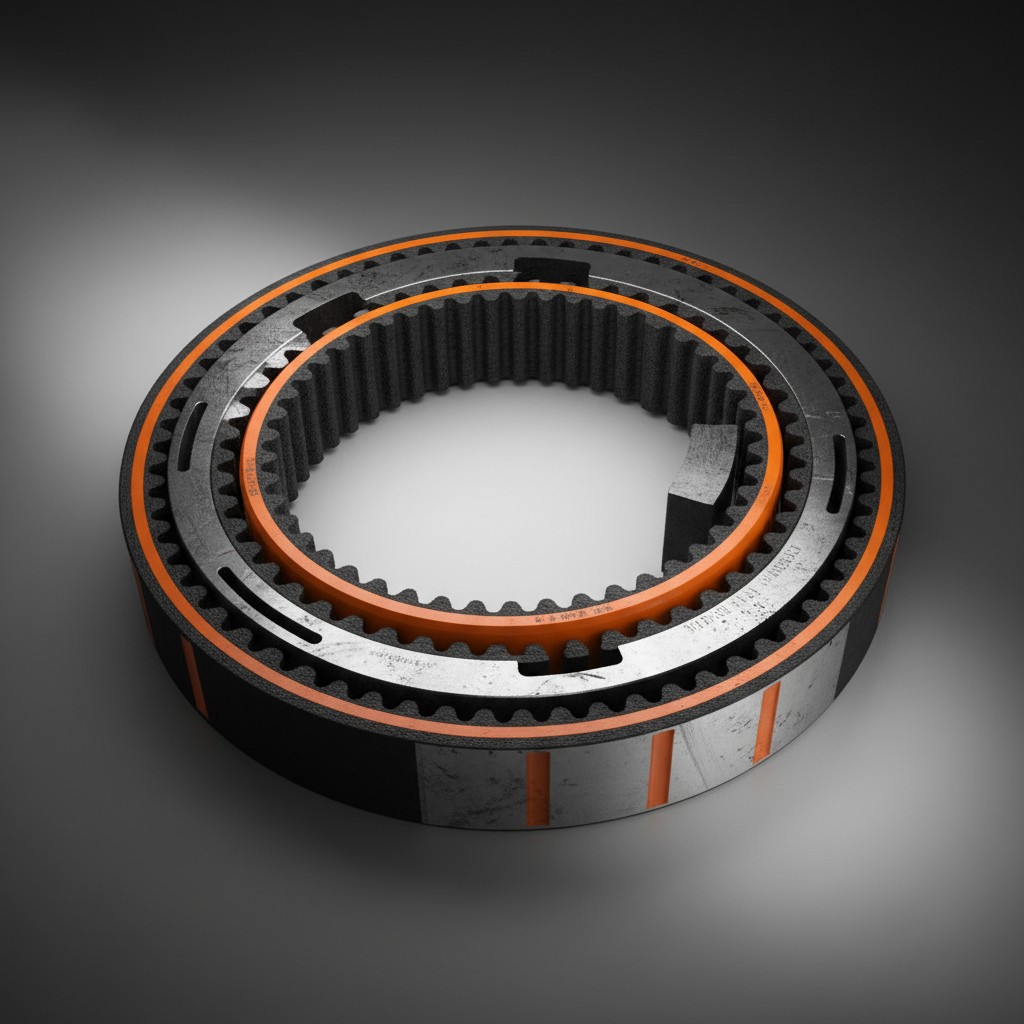
In the complex world of industrial power transmission, the demand for high-quality components like the wholesale tensioner belt pulley systems has never been higher. Ensuring that belts maintain the perfect amount of tension is critical for reducing energy loss and preventing premature wear in heavy machinery, making the choice of manufacturer a strategic business decision for procurement managers worldwide.
The global industrial landscape is shifting toward higher efficiency and lower maintenance intervals. By integrating precision-engineered Classical V-Belts and tensioning solutions, industries can significantly decrease downtime and operational costs. Understanding the technical nuances of belt construction, from the tension members to the cover fabrics, is essential for optimizing the lifespan of any drive system.
For businesses seeking to scale their operations, sourcing through a reliable wholesale tensioner belt pulley partner ensures a consistent supply of components that meet rigorous international standards. This guide explores the technical excellence of Classical V-Belts, their structural integrity, and how they provide the stability required for modern industrial applications.
Global Relevance of Power Transmission Components
Across the globe, the manufacturing sector relies heavily on the seamless transfer of power. Whether it is in the heart of Europe's automotive plants or Southeast Asia's textile mills, the stability provided by a wholesale tensioner belt pulley system is what keeps production lines moving. According to ISO standards for mechanical power transmission, even a 1% slip in belt efficiency can lead to significant energy waste over a fiscal year.
The challenge many enterprises face is the balance between cost-effectiveness and extreme durability. In harsh environments—characterized by heat, oil, and constant friction—standard belts often fail, leading to catastrophic machine downtime. This is why the industry has pivoted toward specialized rubber compounds like NR (Natural Rubber) and CR (Chloroprene Rubber) to ensure stability and resistance.
Defining the Wholesale Tensioner Belt Pulley Ecosystem
In simple terms, a wholesale tensioner belt pulley ecosystem refers to the integrated system of belts and tensioning mechanisms designed to maintain optimal pressure on a drive belt. For products like the Classical V-Belt (e.g., part number 21x14-1650), the "tensioner" aspect ensures that the belt does not slip during high-torque operations, which is essential for the stability of the overall machine.
From a commercial perspective, "wholesale" implies a supply chain capable of providing these critical components in volume without sacrificing the precision of the specifications. This is particularly vital for OEM manufacturers who require customized branding, specific rubber materials, or tailored rope materials to fit unique machine architectures.
Modern industry views these components not just as replaceable parts, but as critical efficiency drivers. The connection between the belt's physical properties—such as its 40-degree angle and specific height—and the tensioning pulley is what determines the power transmission efficiency of an entire industrial plant.
Core Components of Classical V-Belt Construction
The structural integrity of a wholesale tensioner belt pulley compatible belt starts with its cover fabric. Made from cotton or synthetic fabrics, these layers protect the inner tension members from external abrasions and environmental contaminants, ensuring the belt doesn't fray under heavy load.
At the heart of the belt lies the tension member, typically composed of Polyester or Aramid. This is the primary material responsible for the transfer of power. When paired with a precision wholesale tensioner belt pulley, these cords provide the necessary length stability to prevent stretching over time.
Finally, the compression rubber (both top and bottom) and adhesive rubber, utilizing NR and CR, maintain the belt's shape and ensure the tension members remain securely bonded. This multi-layered approach ensures the belt remains resistant to heat and oil, which are the primary enemies of rubber components in industrial settings.
Key Factors Influencing Belt Durability and Efficiency
Durability in power transmission is primarily determined by the belt's ability to resist slip and wear. By utilizing specialized cords and high-grade cover fabrics, belts are designed to maximize power transmission efficiency. When a wholesale tensioner belt pulley is correctly calibrated, it reduces the internal friction and heat buildup, significantly extending the operational life of the rubber.
Another critical factor is the prevention of static electricity. In many industrial environments, the friction between the belt and the pulley can generate static charges. High-quality belts are engineered to safely dissipate this electricity, ensuring the safety of both the operators and the sensitive electronic control systems nearby.
Performance Comparison of Belt Material Grades
Global Industrial Applications and Use Cases
The application of wholesale tensioner belt pulley systems spans across diverse sectors. In the automotive industry, these components are vital for fan belts and timing belts, where precision is non-negotiable to prevent engine failure. In the heavy machinery sector, specifically for excavators and construction equipment, the rugged nature of Classical V-Belts ensures that power is transmitted reliably even in muddy or dusty environments.
Beyond heavy industry, these belts are used in agricultural machinery and textile mills throughout Southeast Asia and Africa. In remote industrial zones where maintenance crews are scarce, the reliability of a belt that resists oil and wear means the difference between a productive month and a costly shutdown. The ability to customize the product appearance and rubber material allows these belts to be tailored to the specific climate and humidity of the region.
Long-Term Value of Precision Rubber Engineering
Investing in high-quality components from a professional manufacturer provides more than just a product; it provides operational security. The use of NR and CR rubber ensures that the wholesale tensioner belt pulley system remains stable under extreme thermal fluctuations. This reliability translates into lower long-term costs by reducing the frequency of belt replacements and associated labor costs.
Furthermore, the ability to source OEM-branded products allows companies to maintain a consistent brand image while benefiting from world-class production technology. When a belt is engineered with an exact 40-degree angle and precise width (such as the Section C: 22mm width, 14mm height), it ensures a perfect fit, reducing the initial setup time and maximizing the torque transfer.
From a sustainability angle, belts that last longer reduce the amount of industrial rubber waste entering landfills. By optimizing the tension member and cover fabric, manufacturers like Xingtai Hake Rubber Products Co., Ltd. are helping global industries move toward a more sustainable and efficient production model.
Future Trends in Belt Material Innovation
The future of the wholesale tensioner belt pulley market is moving toward "smart" materials and enhanced sustainability. We are seeing a shift toward the integration of advanced synthetic fibers that offer even higher length stability than traditional polyester. This reduces the need for manual tension adjustments, moving closer to a "set-and-forget" industrial experience.
Digital transformation is also playing a role, with the development of predictive maintenance sensors that can monitor belt tension and wear in real-time. By analyzing the vibration patterns of the pulley, AI can predict a belt failure before it occurs, allowing companies to order their wholesale replacements exactly when needed, thereby optimizing inventory levels.
As green energy becomes the standard, the demand for belts that can operate in electric drive systems—which often have different torque profiles than internal combustion engines—is rising. The evolution of rubber compounding will continue to focus on reducing the carbon footprint of production while increasing the durability of the final product.
Technical Specifications Analysis of Classical V-Belt Series
| Belt Type |
Dimensions (W x H) |
Angle Precision |
Primary Use Case |
| Type Z/M |
10mm x 5.5mm |
40° |
Light Duty / Small Motors |
| Type A |
12.5mm x 9mm |
40° |
Medium Duty / General Machinery |
| Type B |
17mm x 11mm |
40° |
Industrial Power Transmission |
| Type C |
22mm x 14mm |
40° |
Heavy Duty / Excavator Belts |
| Type D |
32mm x 19mm |
40° |
High Torque / Mining Equipment |
| Type E |
38mm x 24mm |
40° |
Extra Heavy Duty / Large Scale Plants |
FAQS
NR (Natural Rubber) provides excellent elasticity and grip, making it ideal for general-purpose power transmission. CR (Chloroprene Rubber) is engineered for superior resistance to heat, oil, and ozone. When sourcing a wholesale tensioner belt pulley system for high-temperature environments, CR is the preferred choice to prevent rubber degradation and cracking.
The cover fabric, made from cotton or synthetic fibers, acts as a protective shield for the internal polyester or aramid cords. It prevents abrasion from the pulley surfaces and protects the rubber from oil and chemicals. This shielding is crucial for maintaining the belt's structural integrity over thousands of operating hours.
Yes, professional manufacturers like Xingtai Hake Rubber Products Co., Ltd. offer comprehensive OEM services. This includes printing authorized LOGOs, creating customized brand labels, and adjusting the product appearance color or material to match your specific corporate identity or technical requirements.
The 40-degree angle is the industry standard for Classical V-Belts. This specific geometry creates a "wedge effect" between the belt and the pulley groove, which significantly increases friction and reduces slip compared to flat belts. This allows for much more efficient power transmission in high-torque applications.
The choice depends on the load and the size of your pulley. Section A is for light to medium loads, while Section E is for the heaviest industrial applications. For instance, a 21x14-1650 part number falls under Section C, which is typically used for heavy-duty machinery where a 22mm width is required for stability.
High-quality belts are manufactured with anti-static compounds integrated into the rubber matrix. These materials allow static electricity generated by friction to flow safely through the system rather than building up and causing sparks, which is essential for safety in volatile industrial environments.
Conclusion
In summary, the efficiency of any industrial drive system depends on the synergy between high-quality belts and a precise wholesale tensioner belt pulley setup. From the selection of Aramid tension members for length stability to the use of CR rubber for heat resistance, every technical detail contributes to the overall durability and power transmission efficiency of the machinery.
Looking forward, the shift toward customized OEM solutions and smarter, more sustainable materials will continue to redefine industrial standards. For businesses aiming to optimize their operational uptime and reduce maintenance costs, partnering with an experienced manufacturer is the most effective strategy for long-term success. Visit our website for more information: www.hawkbelt.com