The wholesale s8m timing belt is a critical component in a vast array of industrial applications, ensuring precise synchronization of rotating systems. Its global relevance stems from its widespread use in manufacturing, automation, and power transmission, making it a cornerstone of modern production processes. Understanding the nuances of wholesale s8m timing belt – from material science to sourcing – is paramount for businesses seeking reliability, efficiency, and cost-effectiveness.
The demand for wholesale s8m timing belt is intrinsically linked to global manufacturing output and the increasing sophistication of machinery. With the rise of automation and the Internet of Things (IoT), the need for accurate and dependable timing systems is escalating. Sourcing high-quality belts in bulk directly impacts operational uptime and minimizes costly disruptions for businesses across various sectors.
The benefits of understanding wholesale s8m timing belt extend beyond just procurement; it encompasses a strategic approach to supply chain management, risk mitigation, and ultimately, optimized performance. Choosing the right supplier and specifications can significantly reduce maintenance costs, improve energy efficiency, and enhance the overall lifespan of machinery, contributing to a more sustainable and profitable operation.
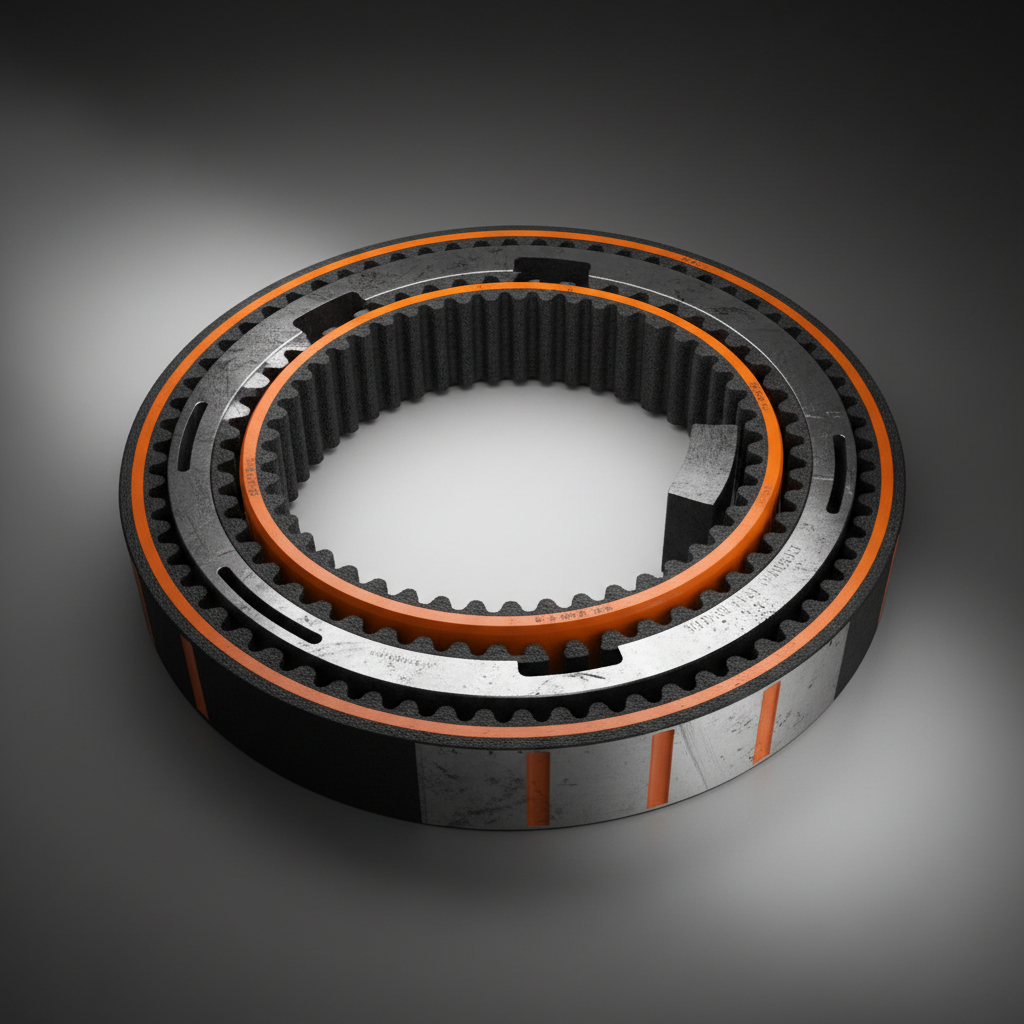
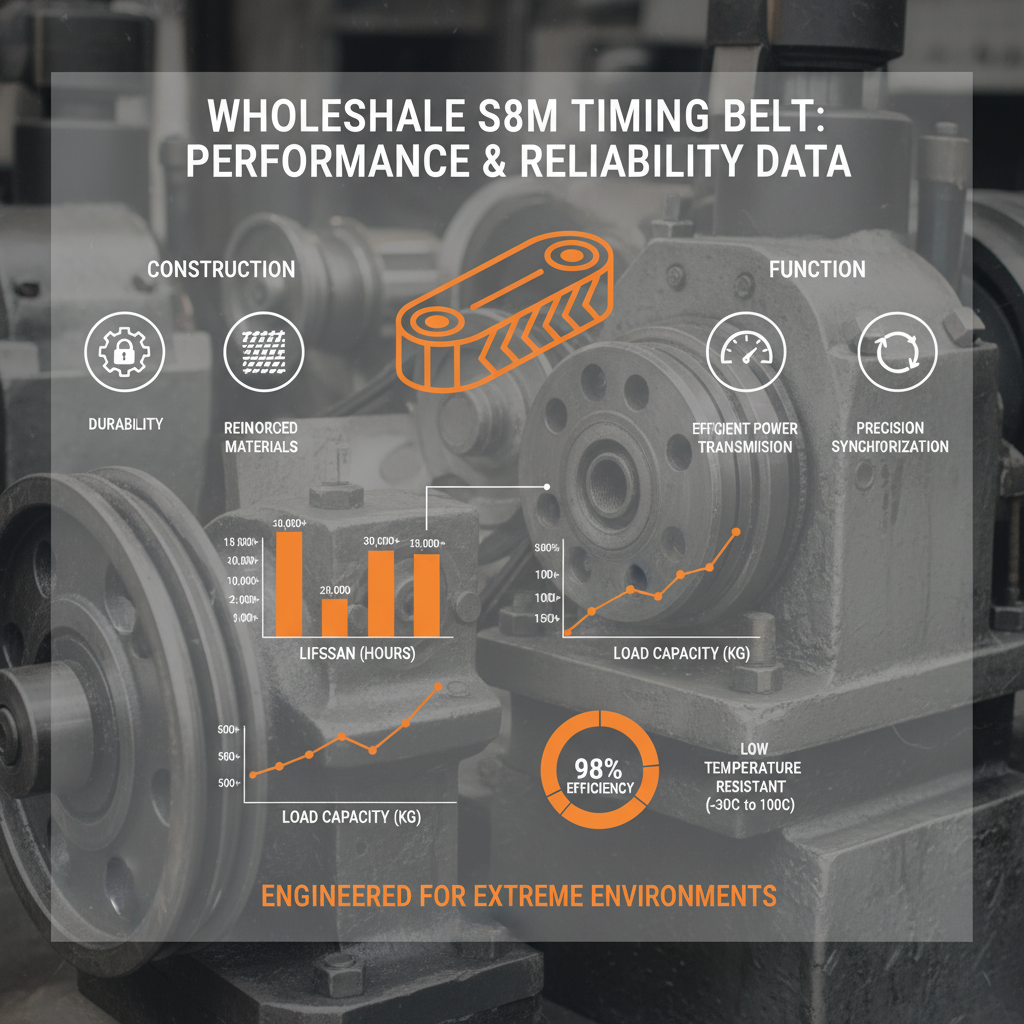
Wholesale s8m timing belt refers to the bulk purchase of S8M timing belts directly from manufacturers or distributors, offering cost savings and ensuring a consistent supply for industrial needs. These belts are crucial for applications requiring precise power transmission and synchronization.
The S8M designation indicates a specific profile and pitch, denoting its superior strength and precision compared to older timing belt standards. This makes wholesale s8m timing belt a preferred choice for high-performance machinery and demanding industrial environments.
The lifespan of a wholesale s8m timing belt varies depending on the application, operating conditions, and belt material. However, with proper maintenance and optimal tension, a well-maintained S8M belt can typically last between 30,000 to 50,000 operating hours, or even longer in less demanding environments. Regular inspections and timely replacement are crucial for preventing premature failures.
Determining the correct length and pitch requires careful measurement and consideration of the pulley diameters and center distance. The pitch, in this case, is fixed at 8mm for S8M belts. Length calculation involves measuring the span between pulleys and adding the necessary length for wrap around each pulley. Consulting with a timing belt specialist or referring to manufacturer's guides can ensure accurate selection.
Wholesale s8m timing belts are commonly made from a variety of materials, including neoprene (polychloroprene), polyurethane, and HNBR (hydrogenated nitrile butadiene rubber). Neoprene offers good general-purpose performance, while polyurethane provides higher strength and abrasion resistance. HNBR excels in high-temperature and oil-resistant applications.
Regular inspection is critical for maximizing the lifespan and reliability of your s8m timing belt. We recommend visual inspections at least monthly, checking for signs of wear, cracking, fraying, or missing teeth. Additionally, assess the belt tension and alignment. More frequent inspections are advisable in demanding applications or harsh environments.
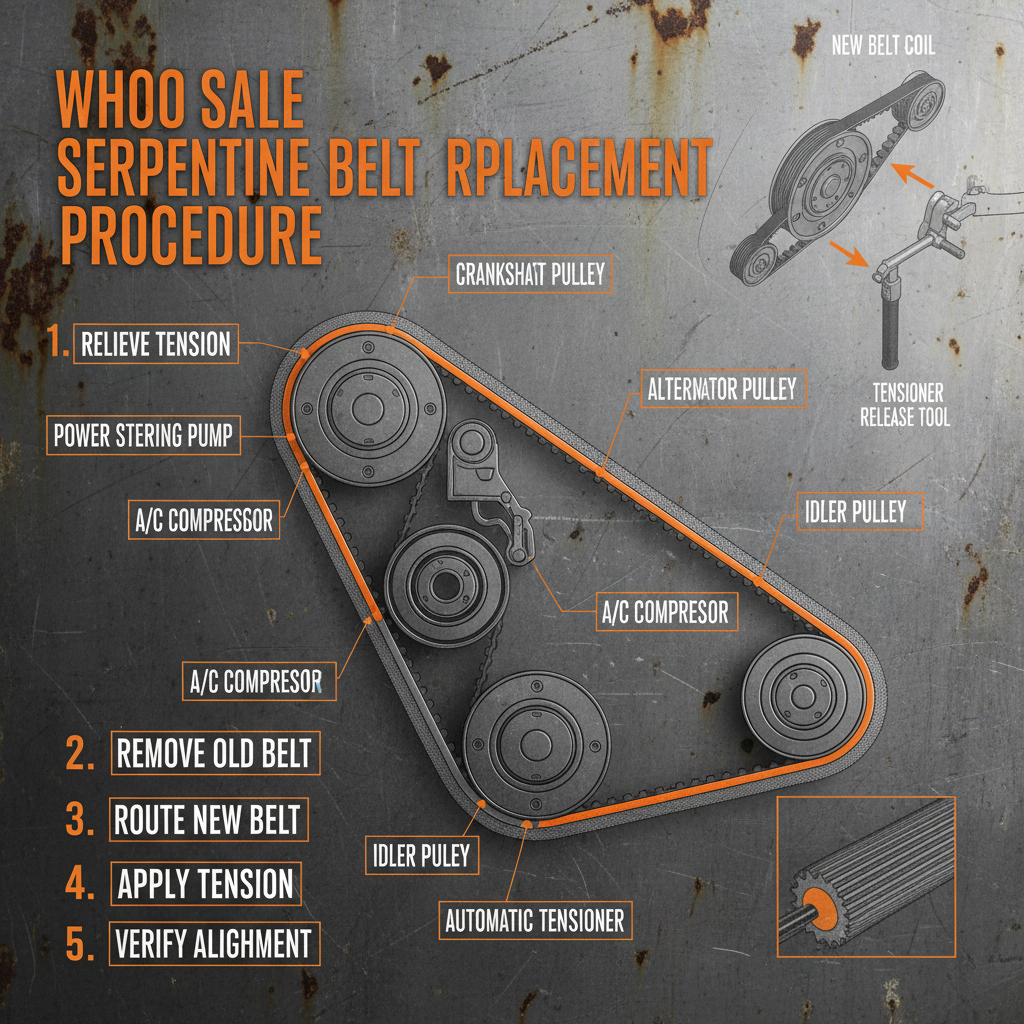
Proper installation is key to preventing premature failure. Ensure pulleys are clean and free of debris. Use appropriate tensioning tools to achieve the correct belt tension. Avoid over-tensioning, which can damage the belt and bearings. Carefully align the pulleys to minimize wear and ensure smooth operation. Refer to the manufacturer’s instructions for specific guidelines.
Generally, repairing a damaged s8m timing belt is not recommended. Due to the belt's precise construction and the critical nature of its function, repairs often compromise its structural integrity and can lead to catastrophic failure. Replacing the belt entirely is the safest and most reliable course of action. It’s important to source a reliable wholesale s8m timing belt supplier for consistent quality.
In conclusion, wholesale s8m timing belt represents a cornerstone of modern industrial power transmission. Its inherent characteristics – strength, precision, efficiency, and reliability – make it a vital component across a vast spectrum of applications, from automotive manufacturing to textile production. Understanding these characteristics and adhering to best practices in selection, installation, and maintenance is crucial for maximizing operational uptime and minimizing costs.
Looking ahead, the future of wholesale s8m timing belt is bright, driven by innovations in materials science, smart technology, and sustainable manufacturing. By embracing these advancements, businesses can unlock even greater levels of performance, efficiency, and environmental responsibility. For reliable sourcing and expert guidance, visit our website: wholesale s8m timing belt.