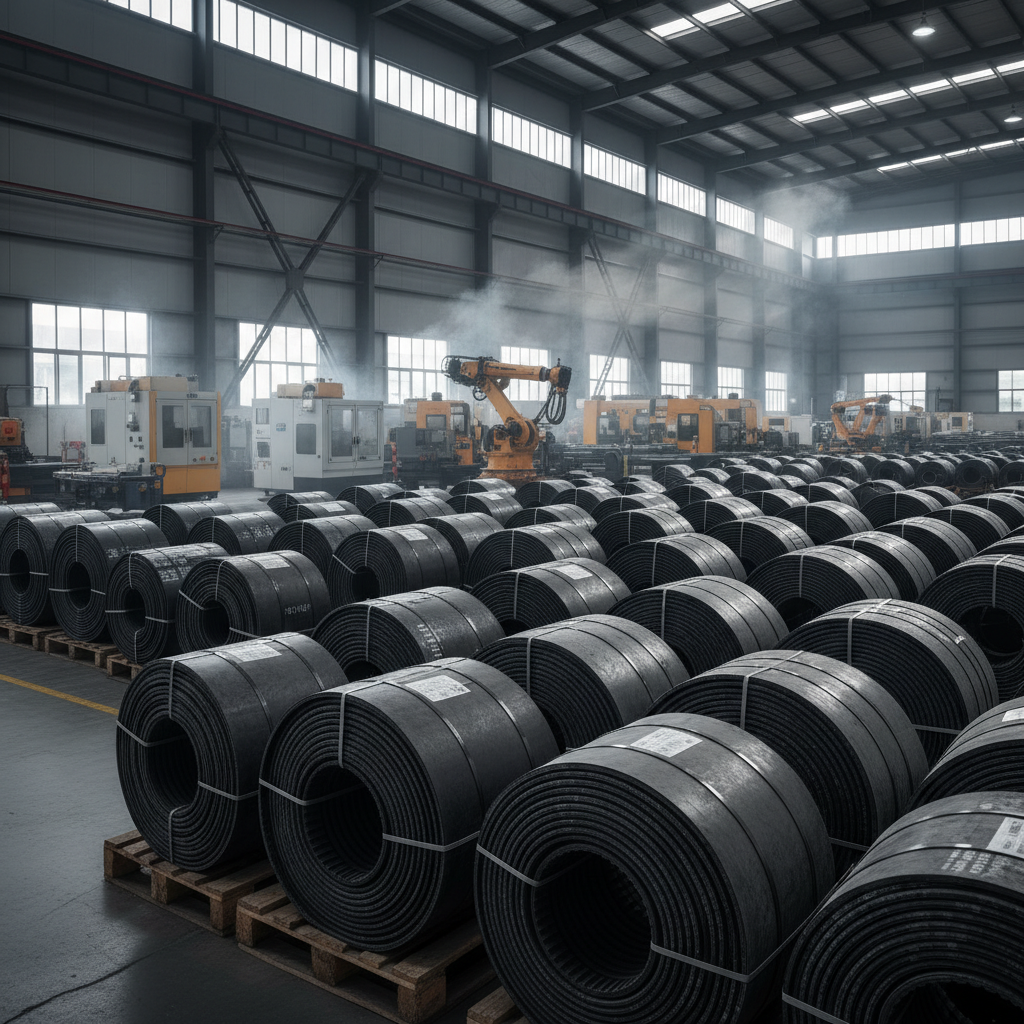
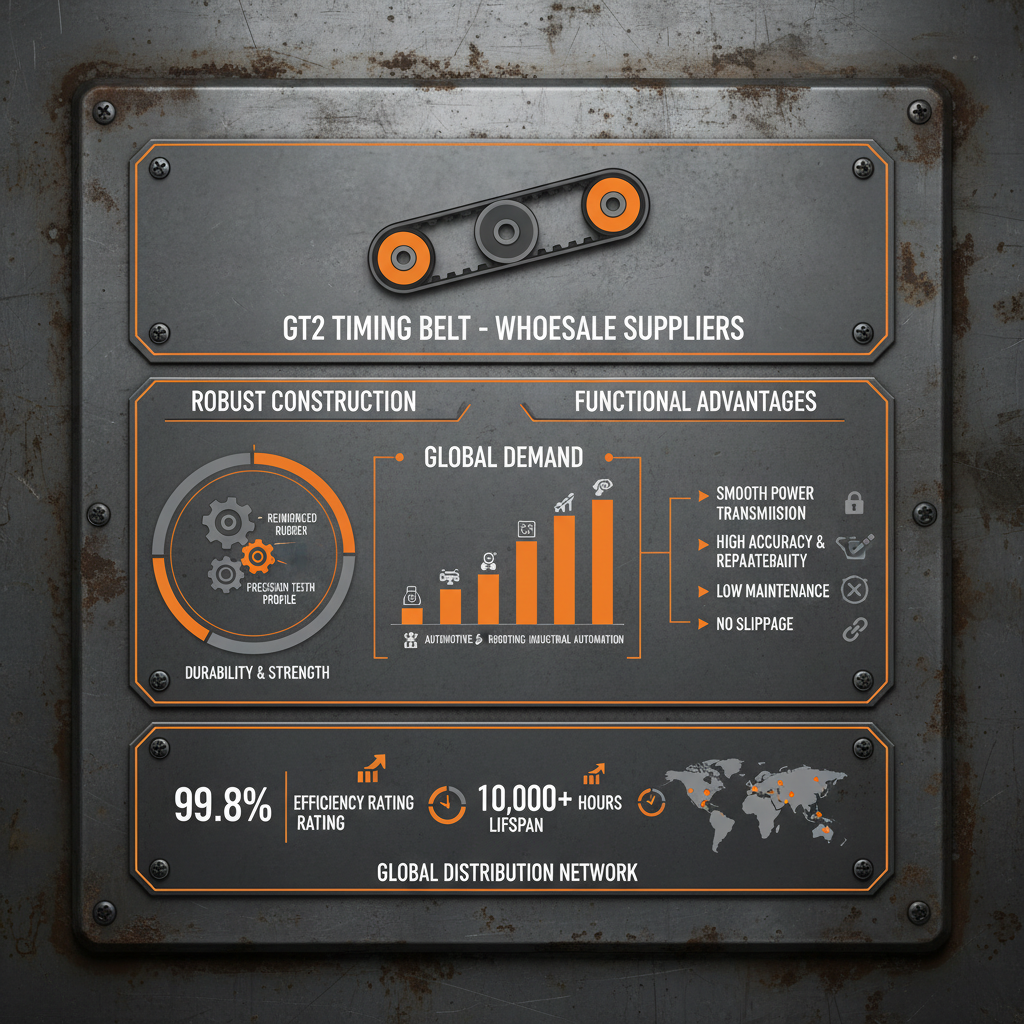
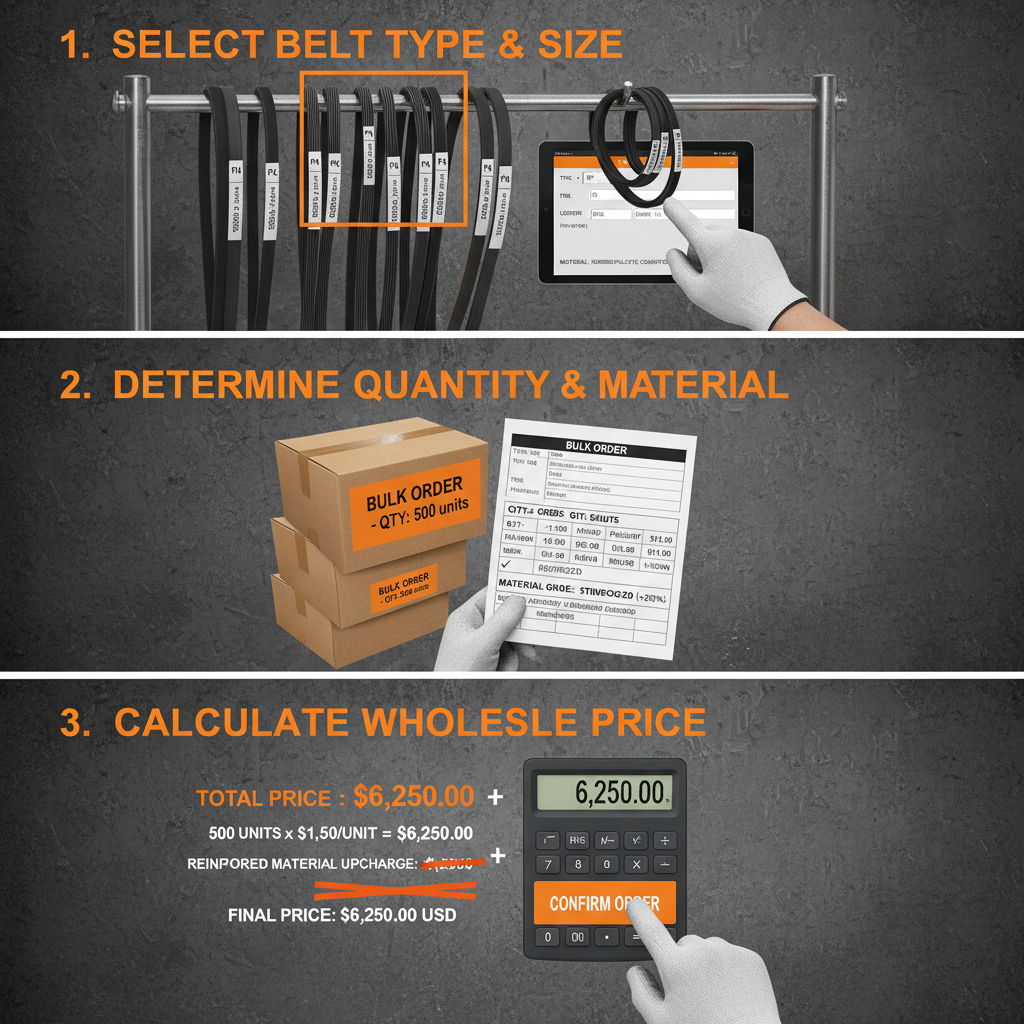
In the precision-driven world of modern automation and robotics, the demand for high-accuracy motion control has surged, making the wholesale gt2 timing belt a cornerstone of industrial design. These belts, characterized by their 2mm pitch and curved tooth profile, provide the seamless power transmission necessary for everything from 3D printers to complex CNC machinery. Understanding the nuances of sourcing these components in bulk allows manufacturers to maintain tight tolerances while optimizing their production costs.
Globally, the shift toward "Industry 4.0" has intensified the need for components that offer minimal backlash and high repeatability. The wholesale gt2 timing belt addresses these challenges by utilizing advanced reinforced polymers that resist stretching under tension. For enterprises scaling their hardware production, securing a reliable wholesale supply chain is not just about price, but about ensuring the longitudinal stability of their mechanical systems.
Whether you are designing a medical device or an automated warehouse sorter, the choice of timing belt directly impacts the longevity of the equipment. By opting for high-quality wholesale options, engineers can implement standardized motion solutions across multiple product lines. This guide explores the technical specifications, global applications, and strategic advantages of integrating these precision belts into modern industrial ecosystems.
The Industrial Significance of Wholesale GT2 Timing Belts
The global landscape of rubber and plastic manufacturing has evolved to meet the stringent requirements of high-precision electronics. A wholesale gt2 timing belt is no longer just a consumable part; it is a critical component that enables the synchronization of multiple axes in robotic arms and additive manufacturing tools. By adhering to ISO standards for dimensional accuracy, these belts ensure that the distance between the drive pulley and the driven load remains constant, preventing cumulative error in positioning.
From a macroeconomic perspective, the accessibility of these belts in wholesale quantities has democratized the production of precision machinery. Small to medium enterprises (SMEs) can now build high-end CNC routers or 3D printers without the prohibitive costs of custom-machined gears. This shift has accelerated innovation in rapid prototyping and localized manufacturing, allowing for faster iteration cycles in product development across Europe, Asia, and North America.
Technical Specifications and Material Composition
The engineering behind a wholesale gt2 timing belt focuses on the synergy between the outer polymer and the internal reinforcement. Most high-grade GT2 belts utilize a high-quality polyurethane (PU) or rubber compound, which provides the necessary flexibility and wear resistance. The "GT2" designation specifically refers to the 2mm pitch and the optimized tooth geometry, which reduces the risk of "jumping" teeth during high-torque transmissions.
Internal reinforcement is where the real performance differs. Standard belts may use fiberglass, but premium wholesale options often incorporate steel cords or Kevlar. Steel-core belts offer virtually zero stretch, making them ideal for high-load applications, while fiberglass remains the gold standard for agility and fatigue resistance in lightweight robotics. The choice of core material directly affects the belt's lifespan and its ability to maintain tension over millions of cycles.
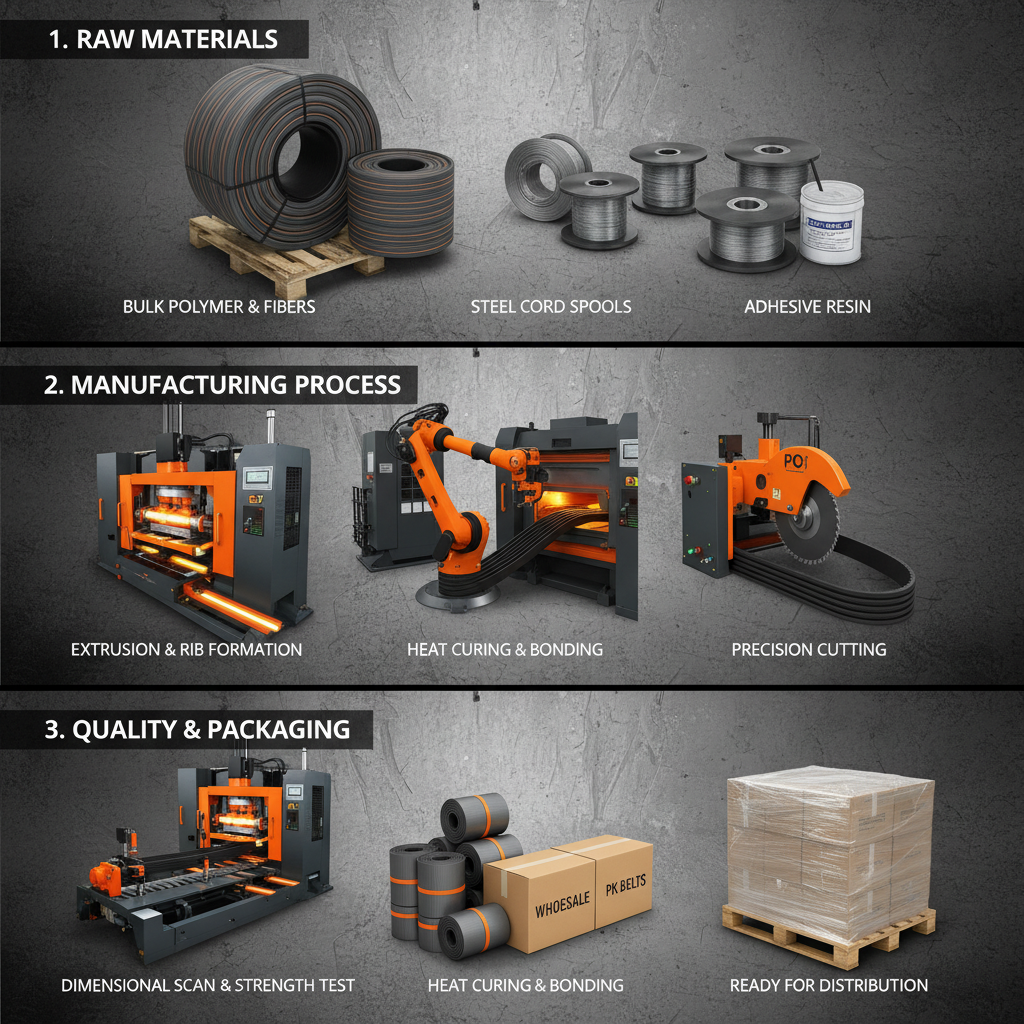
Furthermore, the manufacturing process involves precision molding and curing to ensure that every tooth is identical. In a wholesale context, consistency is paramount; a variance of even a few microns across a batch of belts can lead to inconsistent performance in a fleet of machines. This is why sourcing from manufacturers who employ strict quality control protocols is essential for maintaining operational uptime.
Core Factors for Selecting Bulk Timing Belts
When evaluating a wholesale gt2 timing belt, durability is the primary metric. This involves examining the shore hardness of the rubber and the tensile strength of the reinforcement. A belt that degrades quickly under UV exposure or chemical contact can lead to catastrophic system failure, especially in industrial environments where lubricants and coolants are prevalent.
Cost efficiency in wholesale sourcing is not merely about the lowest price per meter. It involves analyzing the Total Cost of Ownership (TCO), which includes the cost of installation, the frequency of replacements, and the potential cost of downtime. A slightly more expensive, high-durability wholesale gt2 timing belt often proves cheaper over a three-year cycle than a budget alternative.
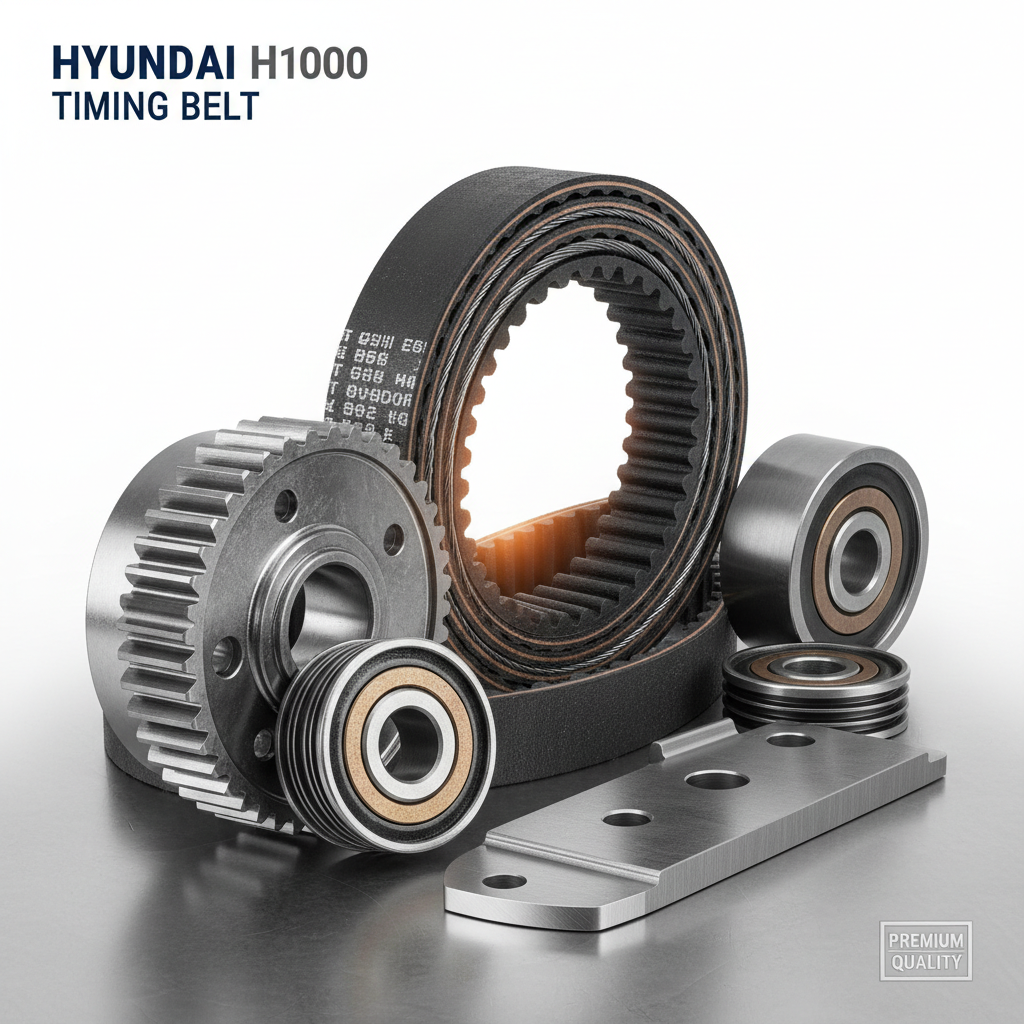
Scalability and compatibility also play a huge role. Ensuring that the belts are compatible with standard GT2 pulleys allows for easier maintenance and replacement. For companies operating across different regions, sourcing belts that meet international safety and environmental certifications ensures that their finished products can be exported without regulatory hurdles.
Global Applications and Use Cases
The versatility of the wholesale gt2 timing belt allows it to be deployed across a vast array of sectors. In the medical field, these belts are used in automated blood analysis machines and surgical robotics where precision is a matter of life and death. The smooth, vibration-free transmission ensures that delicate samples are handled with absolute stability.
In remote industrial zones, such as mining operations or automated agricultural hubs, these belts power the sorting mechanisms that separate ores or grains. Because they require significantly less maintenance than traditional chain drives and do not need lubrication, they are ideal for dusty environments where grease would attract contaminants and accelerate wear.
Performance Analysis of GT2 Timing Belt Variants
Economic Advantages of Wholesale Sourcing
Sourcing wholesale gt2 timing belt inventory allows companies to hedge against supply chain volatility. By maintaining a buffer stock, manufacturers can avoid production halts caused by shipping delays or raw material shortages in the rubber industry. Furthermore, wholesale agreements often include customized cutting and welding services, providing "endless" belts that are tailored to specific machine dimensions, reducing waste.
From a financial perspective, bulk procurement significantly lowers the unit cost through economies of scale. This enables product designers to allocate more budget toward other critical components, such as high-torque stepper motors or advanced controllers, without compromising the reliability of the power transmission. The result is a more competitive end-product that offers professional-grade precision at a consumer-friendly price point.
Future Innovations in Belt Technology
The future of the wholesale gt2 timing belt is leaning heavily toward "smart" materials. Researchers are exploring the integration of conductive fibers within the belt structure, which could allow the belt to sense its own tension and wear in real-time. This would transition maintenance from a scheduled task to a predictive one, where the belt signals for replacement before a failure occurs.
Sustainability is also driving innovation. The industry is moving toward biodegradable elastomers and recycled rubber compounds that maintain the mechanical properties of virgin materials. As global regulations on plastic waste tighten, wholesale suppliers who offer eco-friendly, recyclable timing belts will hold a significant competitive advantage in the European and North American markets.
Additionally, additive manufacturing is starting to influence belt design. While traditional molding remains dominant, 3D-printed belts with customized tooth geometries are being tested for ultra-niche applications. This allows for the creation of hybrid belts that combine the properties of GT2 with other profiles, optimizing the belt for specific torque-to-speed ratios.
Overcoming Common Implementation Challenges
One of the most frequent challenges when using a wholesale gt2 timing belt is improper tensioning. Over-tightening the belt leads to premature bearing wear and increased friction, while under-tightening causes tooth skipping and positioning errors. The solution lies in the implementation of spring-loaded tensioners or precision gauge tools during the assembly phase.
Another common issue is belt "creep" or stretching over time. While GT2 belts are designed for low stretch, no material is perfectly inelastic. Expert integrators overcome this by utilizing steel-core variants for high-precision axes and implementing periodic calibration routines in the machine's software to compensate for any minute physical changes in the belt's length.
Lastly, contamination from oil or dust can degrade the belt's grip. To solve this, engineers are increasingly using shrouded belt guards or choosing PU-based belts that have higher chemical resistance than standard rubber. By combining the right material choice with proactive shielding, the operational lifespan of the belt can be extended by up to 200%.
Comparative Analysis of Wholesale GT2 Timing Belt Specifications
| Belt Material |
Reinforcement Type |
Typical Application |
Wear Rating (1-10) |
| Polyurethane (PU) |
Steel Cord |
Industrial CNC |
9 |
| Rubber |
Fiberglass |
3D Printers |
7 |
| High-Grade Rubber |
Kevlar |
High-Torque Robotics |
10 |
| Standard PU |
Polyester |
Light Duty Office Gear |
6 |
| Oil-Resistant Rubber |
Steel Cord |
Automotive Parts |
8 |
| Silicone-Rubber Mix |
Fiberglass |
Medical Devices |
8 |
FAQS
The GT2 profile is an evolution of the T2 design, featuring a more linear tooth shape that reduces backlash and increases power transmission efficiency. While both may share a 2mm pitch, the GT2's curved tooth geometry allows for a more secure fit on pulleys, significantly reducing the chance of tooth jump during sudden accelerations, which is why it is the preferred choice for high-precision wholesale gt2 timing belt orders.
The width is typically determined by the maximum torque your system needs to transmit. Common widths include 6mm, 9mm, and 10mm. For lightweight 3D printer axes, 6mm is standard. However, for industrial applications with higher loads, increasing the width to 10mm or more provides a larger surface area for tooth engagement, reducing the stress on individual teeth and extending the overall life of the belt.
While fiberglass is excellent for flexibility and fatigue resistance, it may exhibit slight stretching under extreme loads. For high-torque applications where zero-stretch is required, we recommend a steel-core wholesale gt2 timing belt. Steel provides the highest modulus of elasticity, ensuring that the position of the driven pulley remains perfectly synchronized with the motor regardless of the load.
Lifespan varies based on environment and tension. In a clean, well-tensioned environment, a high-quality PU belt can last for several years or millions of cycles. However, in environments with high heat or chemical exposure, rubber belts may degrade faster. Implementing a predictive maintenance schedule and using protective shrouds can significantly extend the service life of your wholesale components.
Closed-loop belts are ideal for fixed-distance pulleys as they provide consistent tension and no seams. Open-ended belts offer more flexibility, allowing the user to cut the belt to any length and use a belt clamp or splice. For mass production of a specific machine, closed-loop is more efficient. For versatile repair kits or custom prototypes, open-ended wholesale gt2 timing belt rolls are more practical.
The most effective way to prevent premature wear is ensuring perfect pulley alignment. Misaligned pulleys cause the belt to rub against the flange, leading to edge fraying. Additionally, avoid over-tensioning; use a tension gauge to ensure the belt is tight enough to prevent skipping but loose enough to avoid putting excessive load on the motor bearings.
Conclusion
The integration of a high-quality wholesale gt2 timing belt is a strategic decision that balances mechanical precision with economic viability. From the careful selection of core reinforcements like steel or Kevlar to the implementation of proper tensioning techniques, every detail contributes to the overall reliability of an automated system. By leveraging the advantages of bulk sourcing, manufacturers can ensure consistent performance across their production lines while reducing the total cost of ownership.
As we look toward the future of industrial automation, the move toward smart materials and sustainable polymers will further redefine the capabilities of power transmission. Companies that prioritize quality and sustainability in their component sourcing today will be better positioned to lead the next wave of robotic innovation. To secure the highest standard of precision for your machinery, we invite you to explore our comprehensive range of industrial belts. Visit our website: www.hawkbelt.com