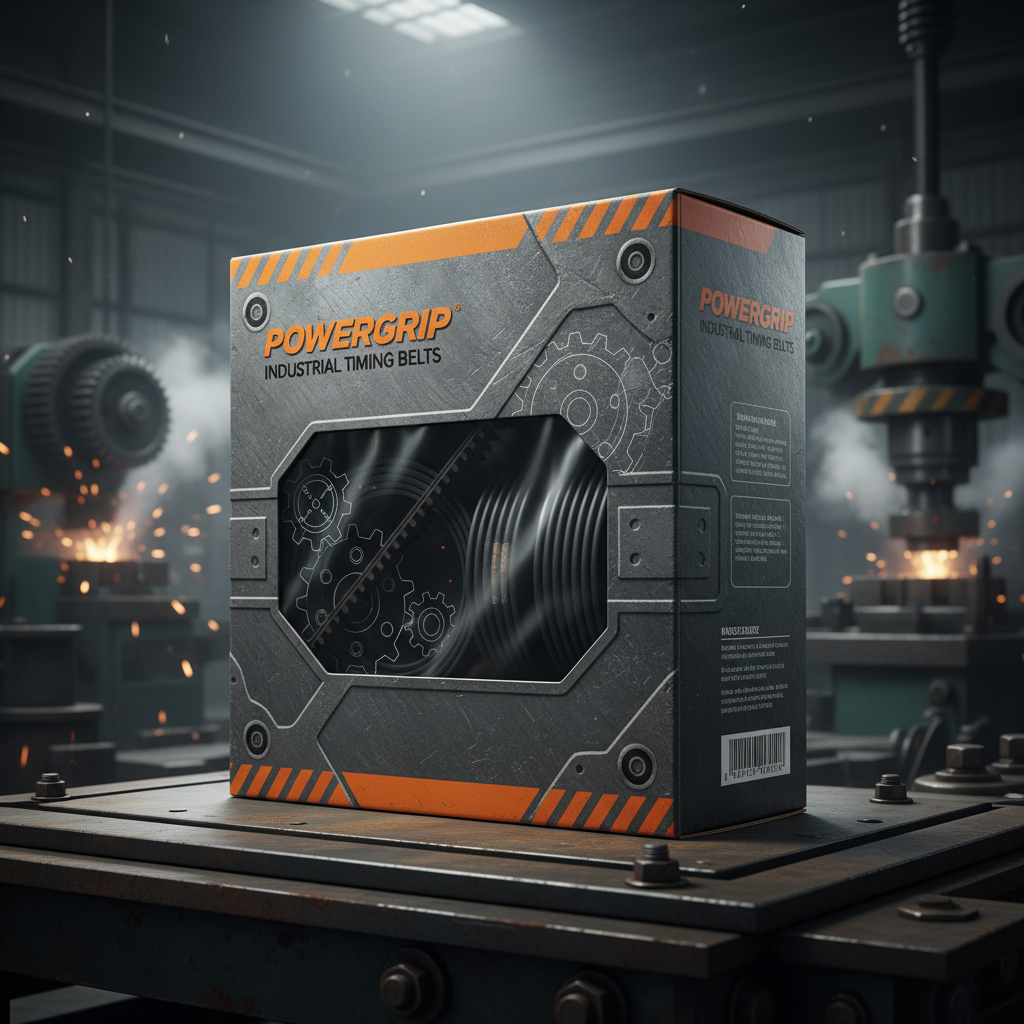
The global demand for high-performance power transmission components has led to a significant surge in the search for wholesale wet timing belt solutions. Unlike standard dry belts, these specialized components are engineered to operate submerged in oil or coolants, making them indispensable for modern engine designs and industrial machinery where lubrication and cooling are integrated into the timing system.
Understanding the technical nuances of these belts is critical for procurement managers and engineers who aim to reduce maintenance downtime and improve system longevity. By sourcing through reliable wholesale channels, industries can ensure a steady supply of belts that meet stringent ISO standards, ensuring that critical timing remains precise even under extreme thermal and chemical stress.
Ultimately, the adoption of high-quality wet timing belts represents a shift toward more compact, efficient, and durable mechanical designs. Whether applied in automotive timing chains replacements or complex industrial robotics, the move toward wholesale wet timing belt procurement allows businesses to scale their operations while maintaining the highest levels of mechanical reliability.
Global Relevance of Wholesale Wet Timing Belts
In the current global industrial landscape, the transition toward "Belt-in-Oil" (BiO) technology has redefined expectations for engine and machinery efficiency. As manufacturers strive to meet stricter emissions standards and reduce noise, vibration, and harshness (NVH), the reliance on wholesale wet timing belt supplies has grown. These belts allow for a more compact engine layout by eliminating the need for separate oil pumps for the timing chain, thereby reducing the overall weight of the vehicle or machine.
From an ISO perspective, the standardization of rubber compounds used in these belts ensures that they can withstand the chemical onslaught of synthetic oils without swelling or degrading. This global standardization has paved the way for wholesale markets to provide interchangeable, high-performance parts that serve diverse sectors, from European luxury automotive brands to Asian heavy-duty construction equipment.
Defining the Mechanics of Wet Timing Systems
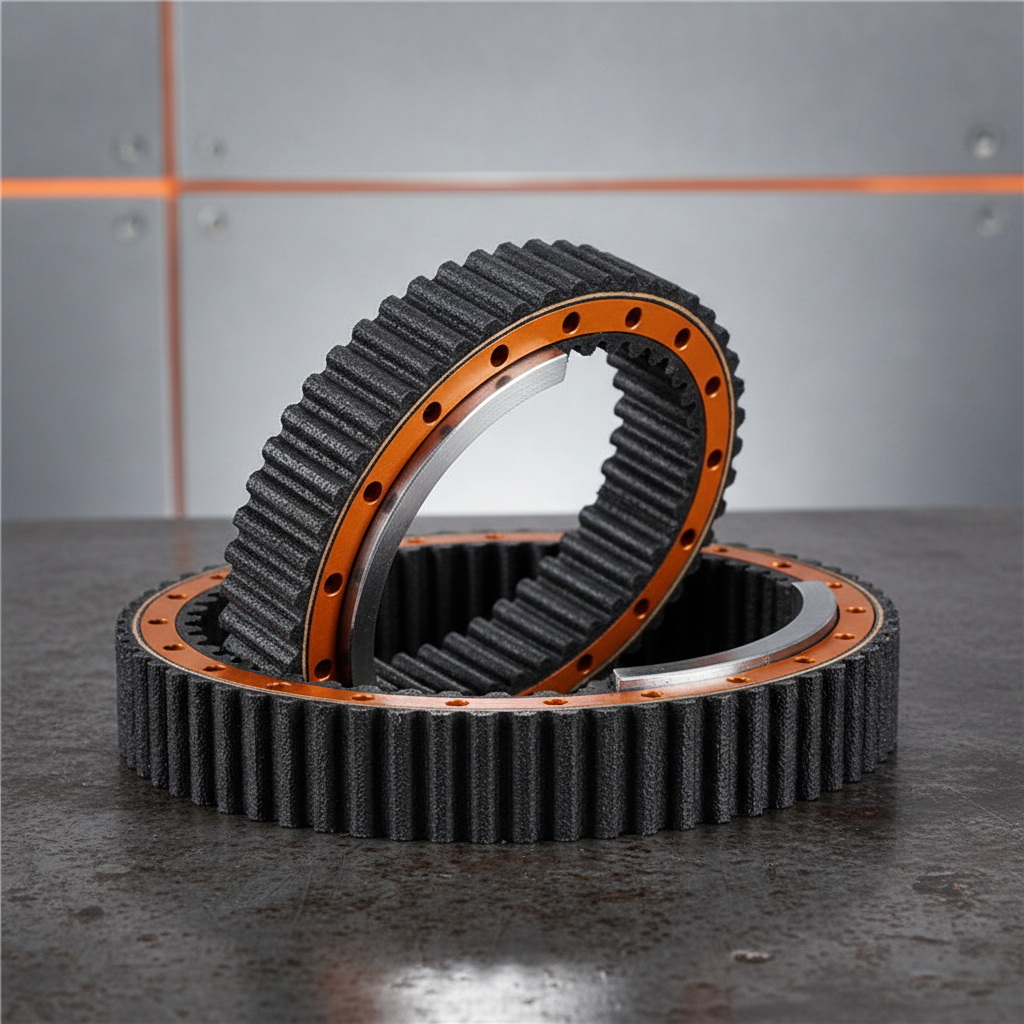
A wet timing belt is a precision-engineered synchronous belt designed specifically to operate in a constant bath of lubricant. Unlike traditional timing belts that would absorb oil and fail rapidly, these belts are constructed from hydrogenated nitrile butadiene rubber (HNBR), a material that is chemically inert to most engine oils. This allows the belt to perform the critical task of synchronizing the crankshaft and camshaft while benefiting from the lubricating properties of the surrounding oil.
The primary goal of implementing this technology is to combine the quiet operation and low friction of a belt with the lubrication benefits of a chain. For those engaging in wholesale wet timing belt procurement, it is essential to understand that these are not "universal" parts; they require specific polymer formulations to prevent the belt from breaking down and clogging the oil pickup screen, which could lead to total engine failure.
In a broader industrial sense, this technology solves the age-old conflict between durability and noise. By utilizing an oil-immersed system, the wear on the belt teeth is reduced, and the heat generated by high-speed friction is dissipated more effectively, leading to a longer service life and a more sustainable maintenance cycle for the end-user.
Core Components for Maximum Durability
The resilience of a wholesale wet timing belt begins with its core tensile cords. Typically made from high-strength aramid or glass fibers, these cords prevent the belt from stretching under high torque loads, ensuring that timing remains precise to the millisecond. Without this dimensional stability, the valves and pistons in an engine could collide, resulting in catastrophic failure.
The outer jacket consists of advanced HNBR rubber, which is the "secret sauce" of the wet timing system. This material provides the necessary resistance to oil-induced swelling and thermal degradation. When sourcing these belts at scale, checking the polymer grade is paramount, as lower-quality rubber can flake off, contaminating the engine oil and reducing the efficiency of the lubrication system.
Finally, the tooth profile is engineered for maximum engagement and minimum wear. Whether using a curvilinear or trapezoidal tooth design, the geometry is optimized to distribute pressure evenly across the pulley surface. This reduces localized stress points, which is critical for maintaining the integrity of the belt throughout its entire operational lifespan in an oil-rich environment.
Industrial Applications and Global Use Cases
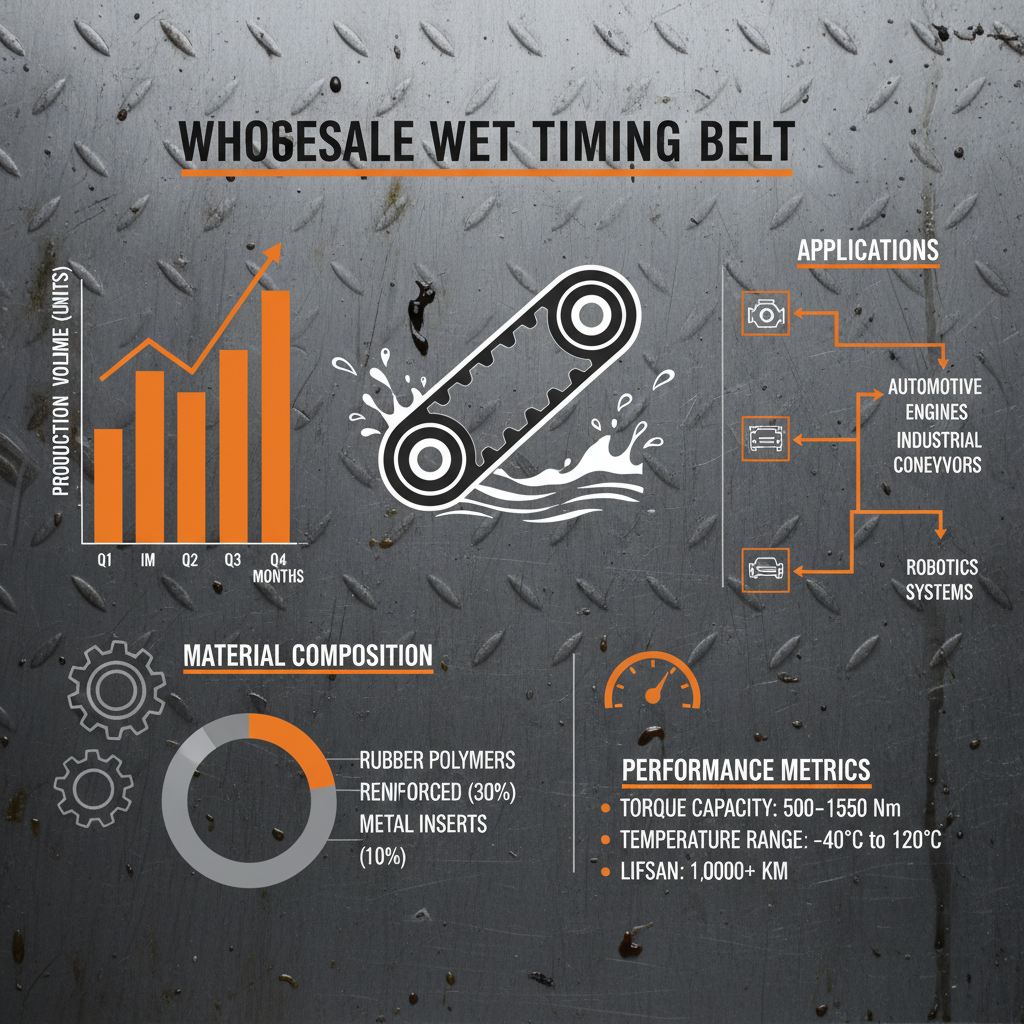
The application of wholesale wet timing belt technology extends far beyond the automotive sector. In the field of high-precision robotics and automated assembly lines, wet belts are used in sealed environments where lubricants are sprayed to reduce friction. This is particularly prevalent in European manufacturing hubs where "Industry 4.0" demands near-zero maintenance intervals and maximum uptime.
In remote industrial zones, such as mining operations in South America or oil rigs in the North Sea, the reliability of timing components is a matter of operational survival. Using oil-immersed belts in these heavy-duty generators ensures that the equipment can run for thousands of hours without the need for frequent belt tensioning or replacement, significantly lowering the cost of logistics in hard-to-reach areas.
Comparative Performance of Wholesale Wet Timing Belt Variants
Economic Advantages of Wholesale Sourcing
For distributors and large-scale repair shops, opting for wholesale wet timing belt procurement offers a significant competitive edge. By purchasing in bulk, companies can drastically reduce the per-unit cost of these high-tech components, allowing them to offer more competitive pricing to end-customers while maintaining healthy profit margins.
Beyond the direct cost savings, wholesale partnerships ensure a stabilized supply chain. In an era of global logistics volatility, having a dedicated wholesale supplier means avoiding the "out-of-stock" scenarios that can paralyze a service center. This reliability builds trust with the customer, as the ability to perform a timing belt replacement immediately is a key differentiator in the automotive and industrial service markets.
Future Innovations in Rubber Polymer Science
The future of the wholesale wet timing belt market is being driven by the pursuit of "forever belts." Researchers are currently exploring nano-composite additives that can be integrated into the HNBR matrix to further increase resistance to extreme temperature fluctuations. These innovations aim to extend the replacement interval from 100,000 miles to perhaps 200,000 miles, reducing waste and improving the total cost of ownership.
Digital transformation is also playing a role through the integration of "smart" belts. We are seeing the emergence of belts with embedded conductive filaments that can monitor tension and wear in real-time. When these belts are sourced via wholesale for fleet management, they allow operators to move from scheduled maintenance to predictive maintenance, replacing the belt only when the sensor indicates wear, rather than on a fixed calendar date.
Sustainability is the final frontier. The industry is moving toward bio-based elastomers that maintain the oil-resistance of nitrile rubber but are derived from renewable sources. As green energy policies become more stringent globally, the wholesale market will shift toward these eco-friendly yet high-performance alternatives, ensuring that power transmission remains efficient and environmentally responsible.
Overcoming Common Implementation Challenges
Despite the benefits, implementing wholesale wet timing belt systems is not without challenges. The most common issue is oil contamination. If the wrong grade of engine oil is used, it can act as a solvent, breaking down the belt's chemical bonds. This leads to "belt shedding," where small pieces of rubber enter the oil system, potentially blocking the oil pump and causing catastrophic engine failure.
Another challenge is the precision required during installation. Because these belts operate in oil, the tensioning must be absolute. Over-tensioning leads to premature wear of the cords, while under-tensioning can cause the belt to skip a tooth, throwing the engine timing off. Professional training and the use of calibrated tensioning tools are essential for any shop utilizing these wholesale components.
To solve these issues, manufacturers are providing more comprehensive technical documentation and "installation kits" alongside their wholesale offerings. By educating the technician on the specific oil requirements and tensioning specs, the industry is reducing the failure rate and increasing the overall adoption of wet timing technology.
Analysis of Wet Timing Belt Performance and Compatibility
| Material Grade |
Oil Resistance |
Max Temp (C) |
Lifecycle Score |
| Standard HNBR |
High |
130°C |
7/10 |
| Premium HNBR+ |
Very High |
150°C |
9/10 |
| Aramid Reinforced |
High |
140°C |
8/10 |
| Fluorinated Rubber |
Extreme |
200°C |
10/10 |
| Eco-Polymer Mix |
Medium |
120°C |
6/10 |
| Hybrid Composite |
High |
160°C |
9/10 |
FAQS
The primary difference is the material composition. Dry belts are made of standard rubber that degrades when exposed to oil. Wet timing belts are made from HNBR (Hydrogenated Nitrile Butadiene Rubber), which is specifically engineered to resist chemical breakdown and swelling while submerged in engine oil or coolants, allowing for lower friction and quieter operation.
No. Using the wrong oil is the leading cause of wet belt failure. You must use the specific oil grade recommended by the OEM. Certain additives in non-approved oils can chemically attack the HNBR rubber, causing it to soften or flake, which can lead to oil pump blockage and complete engine failure.
Replacement intervals vary by manufacturer, but typically range from 6 to 10 years or 60,000 to 120,000 miles. However, if you notice oil degradation or are using the vehicle in extreme environments, we recommend inspecting the belt every 40,000 miles to ensure there is no sign of cracking or shredding.
Wholesale sourcing provides two main benefits: cost efficiency and supply chain stability. Buying in bulk reduces the per-unit price significantly, and established wholesale partnerships ensure that you have a consistent inventory of certified, high-quality belts, preventing costly downtime for your customers.
While chains are traditionally seen as "lifetime" parts, wet belts offer superior noise reduction (NVH) and lower internal friction. Modern high-grade HNBR belts are designed to last for a significant portion of the engine's life and are often preferred in modern, high-efficiency engines for their weight and sound advantages.
Unlike dry belts, you cannot visually inspect a wet belt without removing the cover. However, signs of failure include unusual engine noise (slapping or rattling), rubber particles found in the oil filter during an oil change, or a sudden drop in oil pressure caused by debris blocking the pickup tube.
Conclusion
The evolution of power transmission has clearly favored the integration of wholesale wet timing belt solutions for those seeking a balance between acoustic comfort and mechanical efficiency. By utilizing advanced HNBR materials and high-strength cords, these belts provide a robust alternative to traditional chains and dry belts, specifically in oil-immersed environments. From reducing NVH to enabling more compact engine architectures, the technical advantages are undeniable for modern industrial and automotive applications.
Looking ahead, the synergy between sustainable polymer science and predictive maintenance will likely push these components to even greater lifespans. For businesses and distributors, the key to success lies in sourcing from reputable wholesalers who prioritize material certification and technical support. Investing in high-quality wet timing systems today is not just about maintenance—it is about embracing a future of higher efficiency and unmatched reliability. Visit our website: www.hawkbelt.com