Selecting the correct drive belt can be the difference between a vehicle that runs with precision and one that suffers catastrophic engine failure. In the automotive aftermarket, the distinction between a generic replacement and an oem serpentine belt often centers on the precision of the rib profile and the chemical composition of the elastomer.
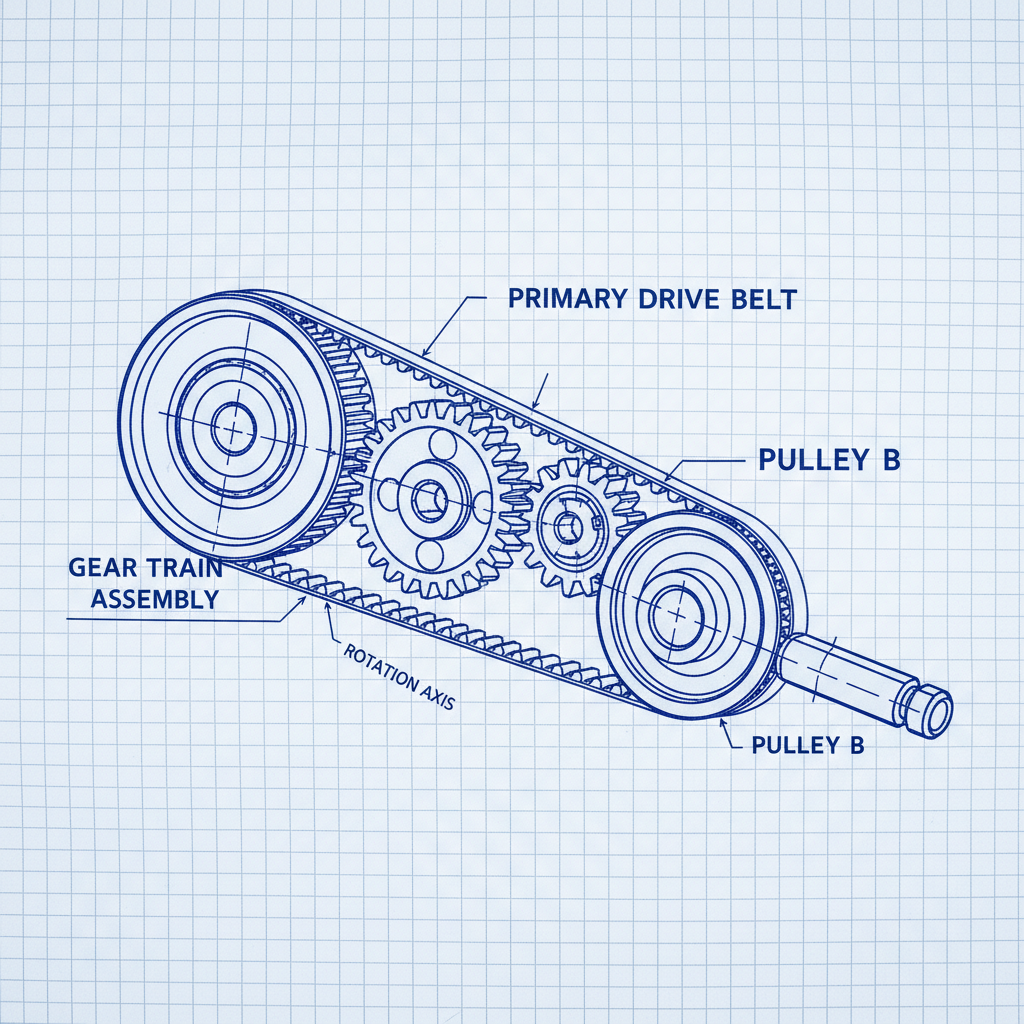
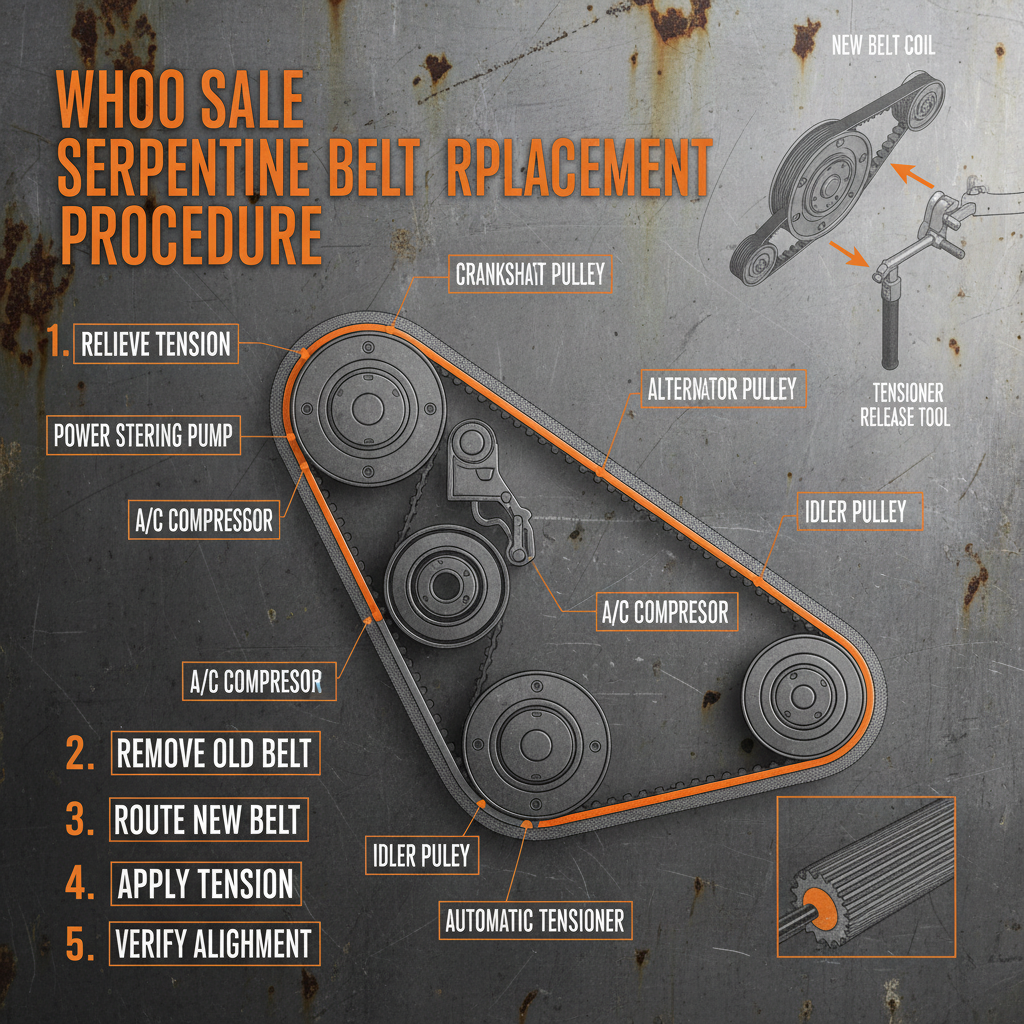
Modern engine bays are designed with extremely tight tolerances, where a single belt must drive multiple peripherals—alternators, power steering pumps, and air conditioning compressors—simultaneously. Any deviation in the belt's elasticity or heat resistance can lead to slippage, excessive noise, or premature wear of the pulleys.
Understanding the technical requirements of Original Equipment Manufacturer (OEM) specifications allows fleet managers and technicians to optimize vehicle uptime. This analysis examines the engineering benchmarks and material sciences that define high-performance automotive belts.


The primary goal of an OEM specification is to ensure "First Fit" accuracy. This means the belt must match the exact length and pitch of the original part to maintain the correct tension across all pulleys. If a belt is slightly too long, it leads to slippage and squealing; if too short, it puts excessive radial load on the bearings of the alternator or water pump.
Furthermore, the rib geometry—the specific shape of the "V" in the belt's cross-section—must match the pulley groove perfectly. This ensures maximum surface contact, which is essential for transferring high torque without slipping, especially during cold starts or under heavy electrical loads.
The durability of a drive belt is determined by its composite structure. High-quality belts utilize a three-layer approach: the tension member, the rubber compound, and the fabric cover. The tension member, often composed of high-strength glass fiber cords, is critical for maintaining low elongation over thousands of cycles, ensuring the belt doesn't stretch permanently under load.
For the elastomer, the choice between Chloroprene Rubber (CR) and Hydrogenated Nitrile Butadiene Rubber (HNBR) depends on the operating environment. HNBR is typically reserved for high-heat applications due to its superior thermal stability and resistance to oil and lubricants, which prevents the rubber from softening and degrading.
Finally, the outer layer often incorporates Nylon fabric. This layer serves two purposes: it protects the internal rubber from abrasive debris and reduces the coefficient of friction during installation and operation, contributing to a quieter, more efficient power transmission.
Evaluating the quality of a serpentine belt requires looking beyond the brand name and focusing on measurable performance metrics. Key benchmarks include tensile strength, heat aging resistance, and the stability of the belt's pitch under variable load.
The ultimate measure of a professional-grade belt is its ability to maintain a constant tension-to-stretch ratio, preventing power loss and reducing the frequency of manual adjustments in high-mileage vehicles.
When these benchmarks are met, the resulting operation is characterized by "silent driving" and a lack of lubrication requirements. This efficiency reduces the overall maintenance cost for the vehicle owner and extends the lifespan of connected engine components.
Different rubber compounds offer varying levels of performance based on the environmental stress they face. In a conceptual assessment, we can see how materials like HNBR compare to standard CR rubber across several critical indices.
This relative assessment demonstrates why high-demand applications, such as heavy-duty excavators or performance motorcycles, require materials that can withstand higher thermal peaks and chemical exposure without losing structural integrity.
In a typical industrial setting, such as a construction site using heavy excavators, belts are subjected to extreme dust and fluctuating temperatures. Here, the "non-slip engagement" feature is paramount. A belt that can maintain grip despite the presence of contaminants prevents the loss of hydraulic pressure or electrical charging, which could otherwise stall a project.
For automotive buyers, the concern often shifts to "economical operation." A high-quality OEM-spec belt reduces the need for frequent replacements and prevents the secondary cost of replacing pulleys that have been worn down by an ill-fitting, low-grade replacement belt.
The industry is moving toward "smart" materials that can better adapt to variable load conditions. We are seeing an increase in the use of hybrid polymer blends that combine the cost-effectiveness of CR with the high-temperature resilience of HNBR, aiming to provide a universal high-performance standard.
Another shift is the focus on sustainability. Manufacturers are exploring ways to reduce the environmental impact of rubber production while maintaining the rigorous tensile strength required for automotive safety. This involves refining the curing process and optimizing the use of synthetic fibers.
As engines become more compact and power-dense, the demand for belts with higher power transmission efficiency and lower internal friction will grow. This will likely lead to more complex rib geometries and advanced surface coatings to minimize energy loss.
When procuring belts for a fleet or a retail brand, the decision should be based on a technical trade-off analysis. One must balance the initial acquisition cost against the projected lifecycle of the component and the criticality of the application.
A professional procurement framework involves verifying the material grade (CR vs. HNBR), checking the tension member specification (e.g., glass fiber), and ensuring the belt matches the exact part number for the vehicle make, such as Mitsubishi, Volvo, or Toyota.
By using the following evaluation matrix, buyers can determine the most suitable belt type for their specific operational needs, ensuring that the chosen product provides the necessary reliability without over-specifying for simple applications.
| Application Type | Recommended Material | Primary Requirement | Expected Lifecycle |
|---|---|---|---|
| Standard Passenger Car | CR / EPDM | Noise Reduction | Medium |
| Heavy-Duty Excavator | HNBR | Oil/Heat Resistance | High |
| High-Perf Motorcycle | HNBR / Synthetic | High Torque Grip | Medium-High |
| Industrial Machinery | Glass Fiber Reinforced | Low Elongation | Very High |
| Cold Climate Fleet | Low-Temp Polymer | Flexibility at -40C | Medium |
| Agricultural Equip. | Dust-Resistant CR | Abrasive Resistance | Medium-High |
A belt is considered OEM quality when it is manufactured to the exact technical specifications provided by the vehicle manufacturer. This includes precise length, specific rib profile, and the use of approved materials like HNBR or CR. This ensures that the belt fits perfectly without modifications and performs exactly as the original part did, maintaining the engine's intended efficiency and noise levels.
HNBR (Hydrogenated Nitrile Butadiene Rubber) should be selected for applications involving high operating temperatures or exposure to oils and chemicals. It offers significantly better thermal stability and resists degradation from lubricants. CR (Chloroprene Rubber) is suitable for standard temperature ranges and general-purpose automotive use where extreme heat is not a constant factor.
The tension member, usually glass fiber cords, acts as the "skeleton" of the belt. Its primary role is to prevent the belt from stretching (elongation) under load. High-quality glass fiber cords maintain a consistent length over thousands of cycles, reducing the need for tensioner adjustments and preventing the belt from slipping or jumping off the pulleys, which directly extends the belt's service life.
Yes. If a belt does not meet OEM specifications, it may be slightly too tight or too loose. A belt that is too tight puts excessive radial load on the bearings of the alternator, water pump, and AC compressor, leading to premature bearing failure. Conversely, a loose belt can slip, causing heat buildup and wearing down the pulley grooves, potentially requiring the replacement of the pulleys themselves.
The value lies in the reduction of Total Cost of Ownership (TCO). While a professional OEM belt may have a higher initial cost than a generic one, it offers longer intervals between replacements, lower risk of catastrophic failure, and better fuel efficiency due to reduced friction and slippage. For fleet operators, this translates to higher vehicle availability and lower labor costs over time.
Yes, silent driving is achieved through a combination of precise rib geometry and the use of high-quality nylon fabric covers. The nylon reduces friction and vibration as the belt passes over pulleys, while the precise fit prevents the "squealing" associated with slippage. This is a result of tighter manufacturing tolerances and better material bonding between the rubber and the fabric layer.
The transition from simple rubber bands to engineered power transmission systems highlights the complexity of modern automotive design. An oem serpentine belt is not merely a consumable part but a critical component that ensures the synchronized operation of essential engine peripherals.
By prioritizing material integrity—such as the use of HNBR and glass fiber reinforcement—and adhering to strict OEM dimensional tolerances, operators can ensure maximum reliability and efficiency. As the industry evolves toward more sustainable and high-performance elastomers, the focus remains on the intersection of precision engineering and material durability.