

Oct . 25, 2025 12:40 Back to list
Fan Belt Price: OEM-Grade, Durable Belts, Fast Shipping
What’s Moving the Fan Belt Price in 2025?
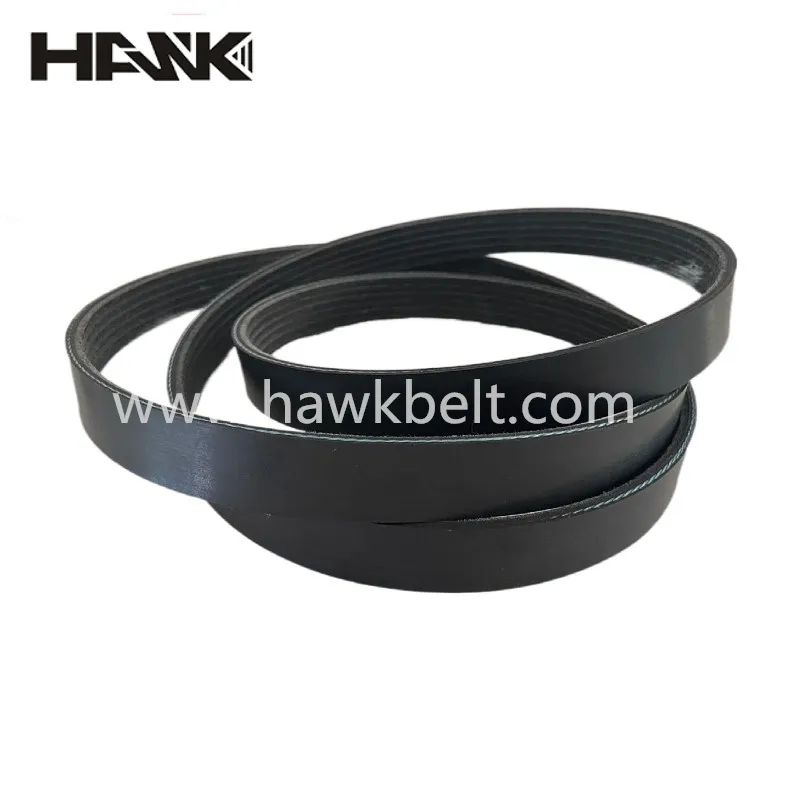
Short answer: materials, certification, and how smart your supplier is about logistics. Long answer—well, let’s dig in. I’ve spent a fair share of time poking around factories in Hebei and talking to workshop managers who just want belts that don’t squeal at 6 a.m. school runs. This PK-series ribbed belt from Xingtai, China—High Quality PK Belt 4PK897 / 4PK1170—lands right in the sweet spot: rugged EPDM, sensible pricing, and made for common Hyundai/Kia/Peugeot/Toyota platforms.
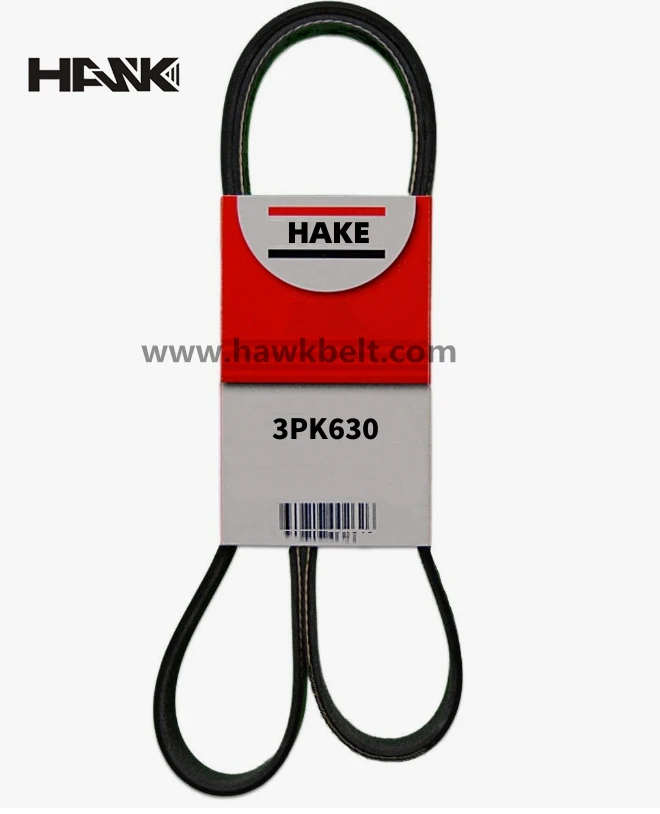
Product snapshot: PK belt that doesn’t fuss
Specs are practical—not flashy—and that’s usually a good sign. EPDM holds up better to heat and ozone than older CR blends. The 4PK profile slots cleanly on standard pulleys, and the lengths (897 / 1170 mm) cover plenty of mid-size engines. In real-world fleets, EPDM belts like this typically run quieter after break‑in and resist glazing longer.
| Attribute | Spec | Notes |
|---|---|---|
| Product | PK Belt 4PK897 / 4PK1170 | V‑ribbed (PK), 4 ribs |
| OE/Cross | 4PK897 | Check pulley count & offset |
| Material | EPDM + polyester cord | Aramid cord optional (≈ heavy duty) |
| Length | 897 / 1170 mm | Weight ≈ 0.19 kg (4PK897) |
| Temp range | ≈ −40 to +120 °C | Real‑world use may vary |
| Models | Hyundai/Kia/Peugeot/Toyota | Verify VIN/application |
| Origin | Renze District, Xingtai, Hebei, China | No. 386 Xuyang Avenue |
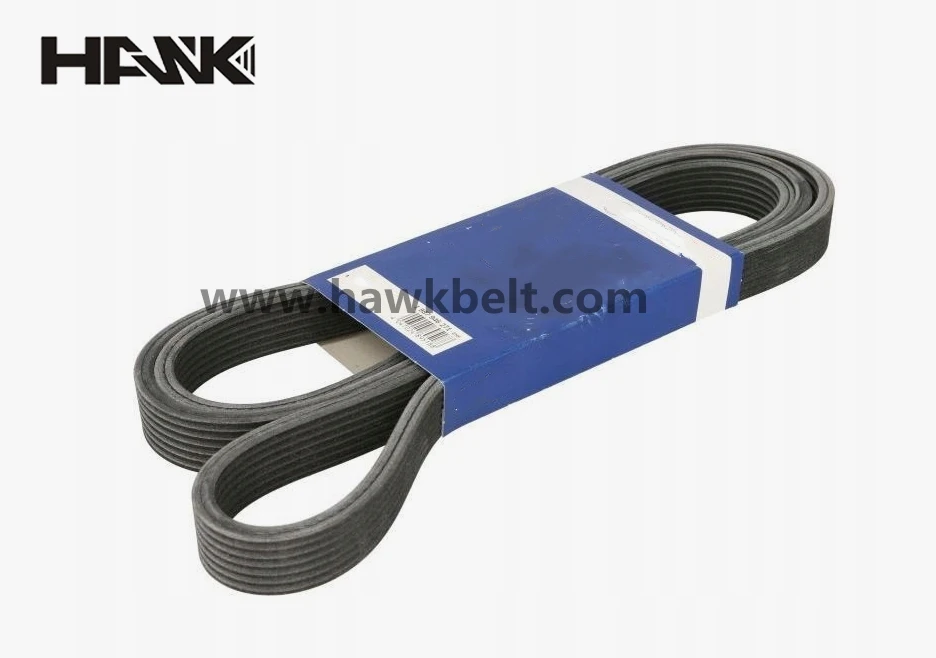
What drives the Fan Belt Price right now
Three levers: EPDM polymer cost, rib count/length, and certification overhead (IATF 16949 isn’t free). Shipping’s calmed compared with the peak, which helps ex‑works buyers. Retail, markups still swing wildly by region.
| Vendor | Material | Certs | Lead time | Unit price ≈ | Notes |
|---|---|---|---|---|---|
| HawkBelt (manufacturer) | EPDM | ISO 9001, IATF 16949 | ≈ 7–15 days | $2.8–$4.2 ex‑works | MOQ affects price |
| Regional distributor | EPDM/CR mix | ISO 9001 | Stock/next‑day | $4.5–$7.0 retail | Convenience markup |
| Global brand (Tier‑1) | EPDM | IATF 16949 | ≈ 10–30 days | $8–$15 MSRP | Brand assurance |
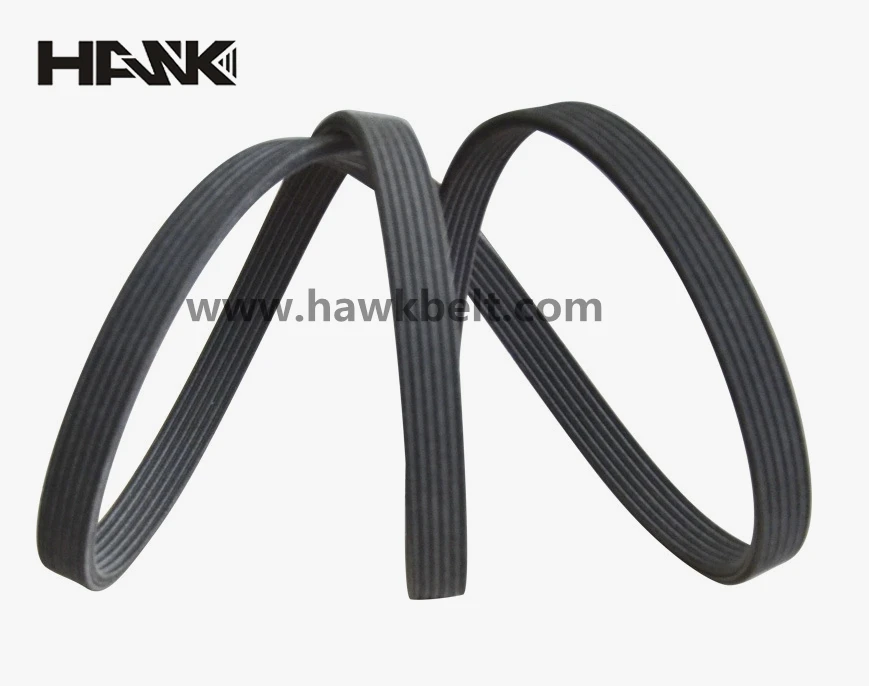
How it’s made and tested (brief but useful)
Materials: EPDM compound, textile jacket, and polyester (option aramid) tension cords. Methods: mixing and calendaring, cord winding, vulcanization, rib grinding to PK profile. Testing follows ISO 9982 geometry; many factories also run SAE J2432 bench tests for durability, slip, and noise. Typical data seen: rib hardness ≈ 72–78 Shore A, tensile > 8 MPa, elongation at break ≈ 10–15%, noise
Service life: in mild climates, 60k–100k km is common; taxis and dusty routes skew lower. Industries: passenger cars, light commercial, small gensets, HVAC idlers—anywhere a compact serpentine loop fits.
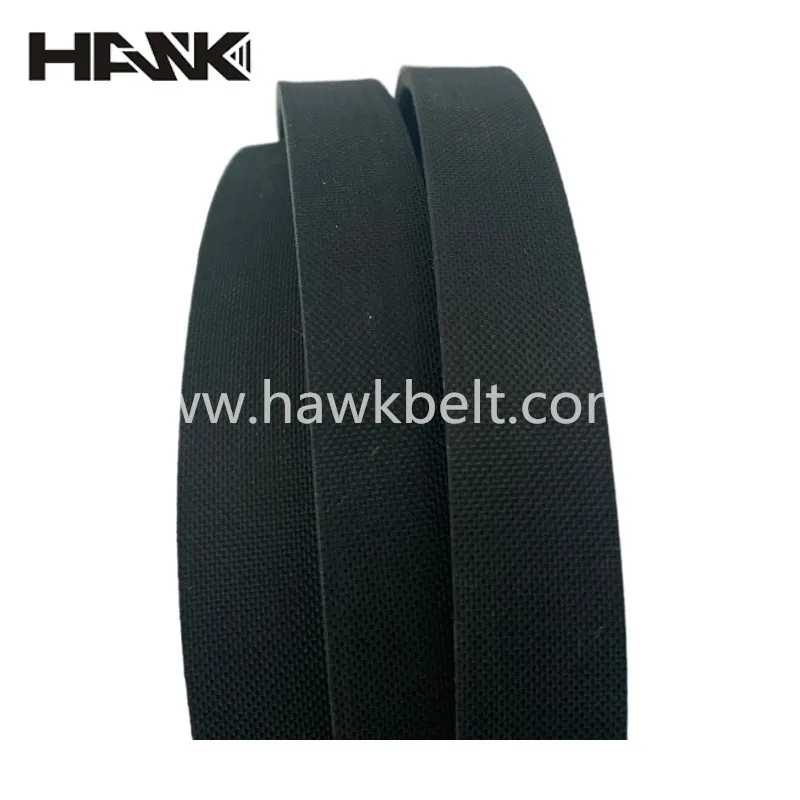
Usage notes, customization, and field feedback
Application: Hyundai/Kia/Peugeot/Toyota alternator and accessory drives—verify rib count and tensioner health. Many customers say the EPDM compound runs quieter after the first week; surprisingly, a lot of squeal complaints trace back to pulleys, not the belt.
Customization: private logo, sleeve/box artwork, aramid cord for high‑load vans, plus odd lengths on request. For buyers: cartonized packing reduces transit kinks. Certifications: ISO 9001 and IATF 16949 for the automotive QMS; material compliance with REACH/RoHS is commonly provided upon request.
Mini case study
A Southeast Asia taxi fleet (≈180 sedans) shifted to 4PK897 EPDM belts. After correcting tensioner angle and swapping two idlers, belt‑related breakdowns dropped from about 5/month to 1–2/month, and cost per km fell ≈ 12%. Not a lab result, but it mirrors what I’ve seen elsewhere: good EPDM plus correct alignment beats chasing the lowest Fan Belt Price by itself.
Bottom line
If you want value without drama, this PK belt from Xingtai is hard to argue with. Confirm your application, ask for J2432 test sheets, and weigh warranty terms against the posted Fan Belt Price. To be honest, that’s where smart savings live.
References
- SAE J2432: Aftermarket Automotive V-Ribbed Belts Test Methodology. SAE International.
- ISO 9982: Belt drives — V-ribbed belts and corresponding pulleys. International Organization for Standardization.
- IATF 16949:2016 — Automotive Quality Management System. IATF.
- ASTM D2000 — Standard Classification System for Rubber Products in Automotive Applications. ASTM International.
-
Comprehensive Guide to Selecting High Performance drive belts
NewsApr.16,2026
-
Guide to Choosing the Right Fan Belt for Car Performance
NewsApr.09,2026
-
Understanding and Maintaining Your Vehicle's Serpentine Belt for Optimal Performance
NewsApr.07,2026
-
Choosing the Right Steering Belt for Optimal Vehicle Performance and Safety
NewsApr.04,2026
-
Understanding the Serpentine Belt for Optimal Vehicle Performance
NewsMar.31,2026
-
Comprehensive Guide to Understanding Your Fan Belt Car and Maintenance
NewsMar.28,2026