

Jan . 27, 2026 17:35 Back to list
Exploring the Advantages of Belt Driven Motorbikes for a Smoother Ride
Understanding the World of Belt Driven Motorbikes
Belt driven motorbikes are gaining popularity amongst riders seeking a smoother, quieter, and more maintenance-friendly experience. Unlike chain or shaft-driven systems, belts offer a unique set of advantages. This article delves into the benefits of belt drive systems for motorcycles, explores the types of belts available, maintenance requirements, and considerations when choosing a belt-driven motorbike. We'll also examine how advancements in belt technology are impacting the motorcycle industry.
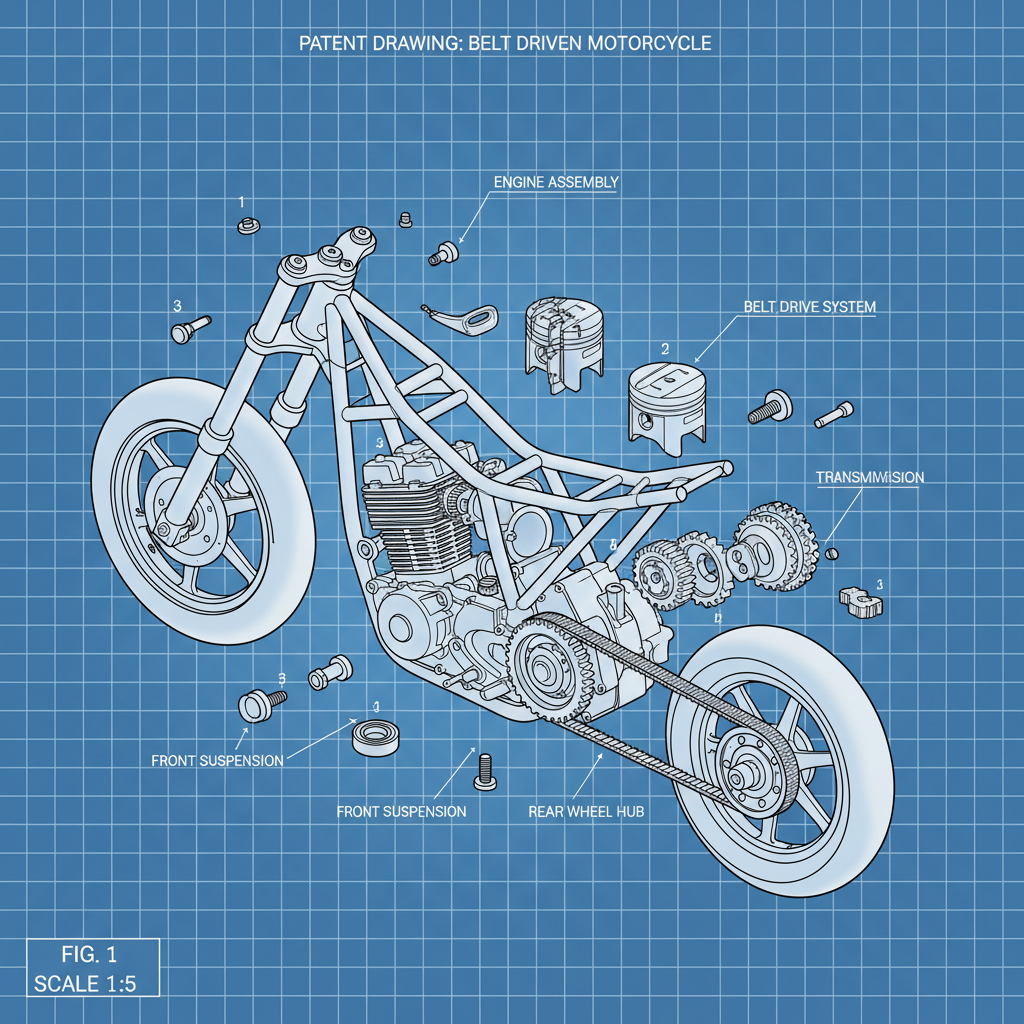
What Makes a Belt Driven Motorbike Different?
The key difference lies in the power transmission method. Chain drives utilize a metal chain connecting the engine to the rear wheel, requiring regular lubrication and adjustment. Shaft drives employ a series of gears within a sealed unit. Belt drives, on the other hand, use a reinforced rubber or composite belt. This translates to a quieter ride, as belts absorb more noise than chains. They also require less maintenance, eliminating the need for frequent lubrication and adjustments. Furthermore, belts are cleaner than chains, reducing the likelihood of grease and grime build-up. This makes belt drive a preferred choice for touring and commuting.
Key Highlights: Belt drives offer a smoother, quieter ride with reduced maintenance compared to chain or shaft drive systems. They are cleaner and require less frequent adjustment.
Belt Drive vs. Chain Drive vs. Shaft Drive: A Comparison
Choosing between these drive systems depends on your riding style and priorities. Chain drives are the most common and generally the least expensive, but require the most maintenance. Shaft drives are durable and require minimal maintenance, but can feel less responsive. Belt drives offer a balance of these features, providing a smoother, quieter ride with less maintenance than a chain drive, and better responsiveness than a shaft drive. Here’s a breakdown:
Types of Belts Used in Motorcycles
Motorcycle belts aren’t simply rubber bands. They are typically constructed from a combination of materials. Common types include: Carbon Fiber Reinforced Belts (CFRP) – these offer high strength and durability, ideal for high-performance motorcycles. Polyurethane Belts – known for their flexibility and resistance to wear. Aramid Fiber Belts – providing a balance of strength and flexibility. Hawkbelt specializes in high-quality, long-lasting belts designed for optimal performance.
Belt Material Advantages:
• Carbon Fiber: High Strength, Durability
• Polyurethane: Flexibility, Wear Resistance
• Aramid Fiber: Strength & Flexibility Balance
Maintaining Your Belt Driven Motorbike
While belt drives require less maintenance than chains, they aren’t maintenance-free. Regular inspection is crucial. Check for cracks, fraying, or signs of wear. Clean the belt periodically with a mild detergent and water. Ensure proper belt tension, as too little or too much tension can lead to premature wear. The average lifespan of a motorcycle belt is typically between 20,000 to 50,000 miles, depending on riding conditions and maintenance. Refer to your motorcycle's owner's manual for specific recommendations.
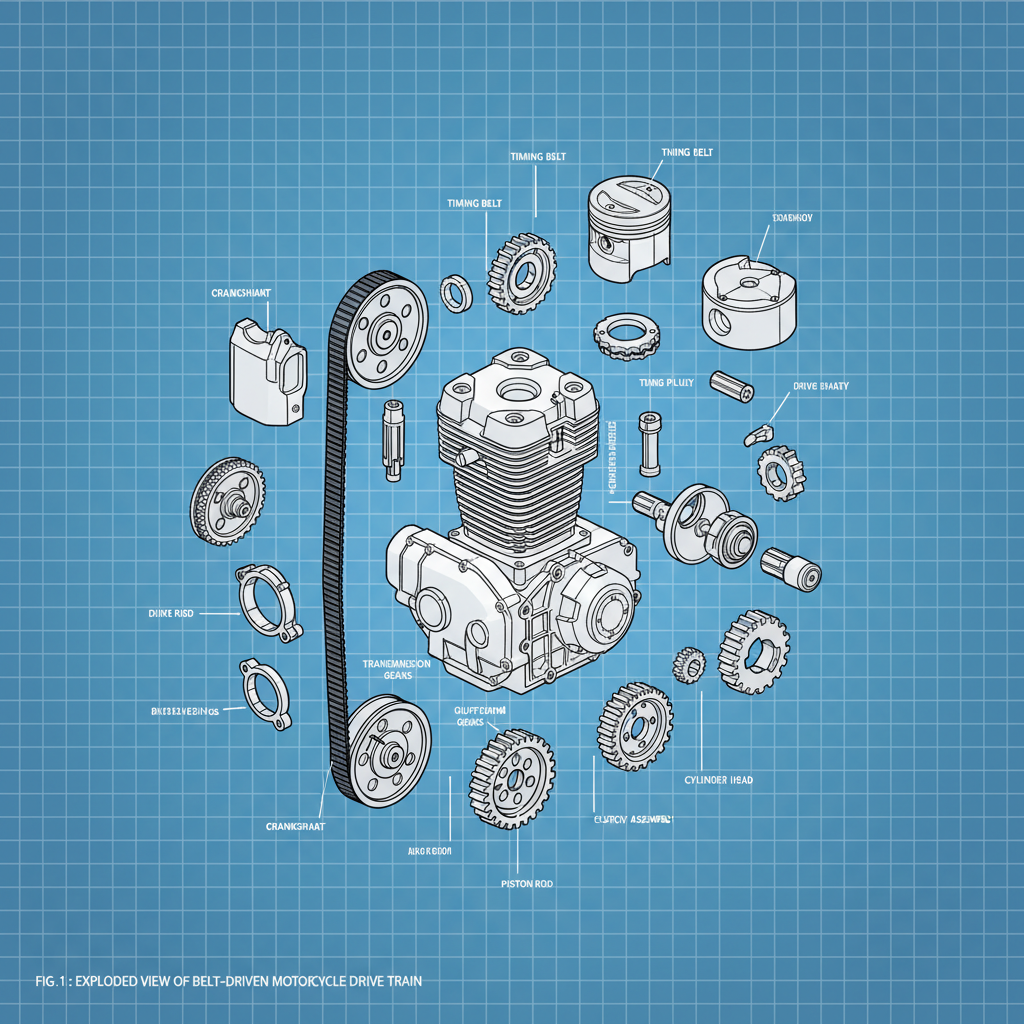
Choosing the Right Belt for Your Motorcycle
Selecting the correct belt is vital for optimal performance and longevity. Consider your motorcycle's horsepower, torque, and riding conditions. Always use a belt specifically designed for your motorcycle model. Avoid using generic or substandard belts, as they may not meet the required specifications. Hawkbelt offers a wide range of high-quality belts designed to meet the demands of various motorcycle applications.
Conclusion: The Future is Belt Driven
Belt driven motorbikes represent a significant advancement in motorcycle technology. Their quieter operation, reduced maintenance, and improved comfort make them an appealing choice for many riders. As technology continues to evolve, we can expect even more durable and high-performing belts to emerge, solidifying their place as a leading power transmission system in the motorcycle industry.
Frequently Asked Questions (FAQs)
What are the advantages of a belt drive over a chain drive?
Belt drives offer several advantages over chain drives, including quieter operation, reduced maintenance (no lubrication or frequent adjustments required), cleaner operation (no grease or grime), and longer lifespan. While chain drives are often less expensive initially, the long-term cost of ownership can be higher due to the ongoing maintenance demands. Belt drives provide a smoother, more refined riding experience.
How often should I inspect my motorcycle belt?
You should visually inspect your motorcycle belt every 500-1000 miles, and before any long trips. Look for cracks, fraying, missing teeth, or any signs of wear. Also, check the belt tension to ensure it’s within the manufacturer’s specifications. Regular inspection can help identify potential problems before they lead to a breakdown.
Are belt drives suitable for high-performance motorcycles?
Yes, modern belt drives, especially those made with carbon fiber reinforcement, are capable of handling the demands of high-performance motorcycles. They offer excellent power transmission efficiency and durability. However, it’s crucial to choose a belt specifically designed for high-horsepower applications and to maintain proper tension.
Can I replace a chain drive with a belt drive on my motorcycle?
Converting from a chain drive to a belt drive typically requires significant modifications to your motorcycle’s frame and drivetrain. This often involves installing a different swingarm, sprockets, and possibly altering the engine mounting. It’s a complex and potentially expensive undertaking, and it’s crucial to ensure the conversion is performed by a qualified mechanic.
-
Comprehensive Guide to Selecting High Performance drive belts
NewsApr.16,2026
-
Guide to Choosing the Right Fan Belt for Car Performance
NewsApr.09,2026
-
Understanding and Maintaining Your Vehicle's Serpentine Belt for Optimal Performance
NewsApr.07,2026
-
Choosing the Right Steering Belt for Optimal Vehicle Performance and Safety
NewsApr.04,2026
-
Understanding the Serpentine Belt for Optimal Vehicle Performance
NewsMar.31,2026
-
Comprehensive Guide to Understanding Your Fan Belt Car and Maintenance
NewsMar.28,2026